Introduction to Recombinant Human CALN1
Recombinant Human CALN1, also known as Calneuron 1, is a protein that is encoded by the CALN1 gene in humans. It belongs to the calneuron family of proteins, which are involved in regulating calcium signaling in cells. Recombinant Human CALN1 is a synthetic version of the naturally occurring protein, produced through genetic engineering techniques.
Structure of Recombinant Human CALN1
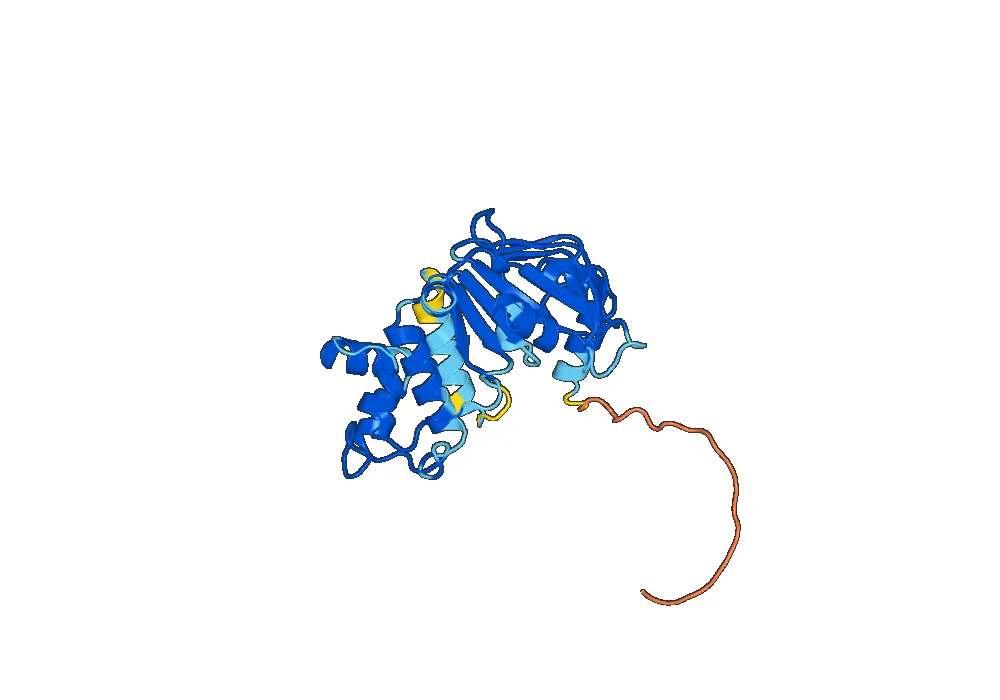
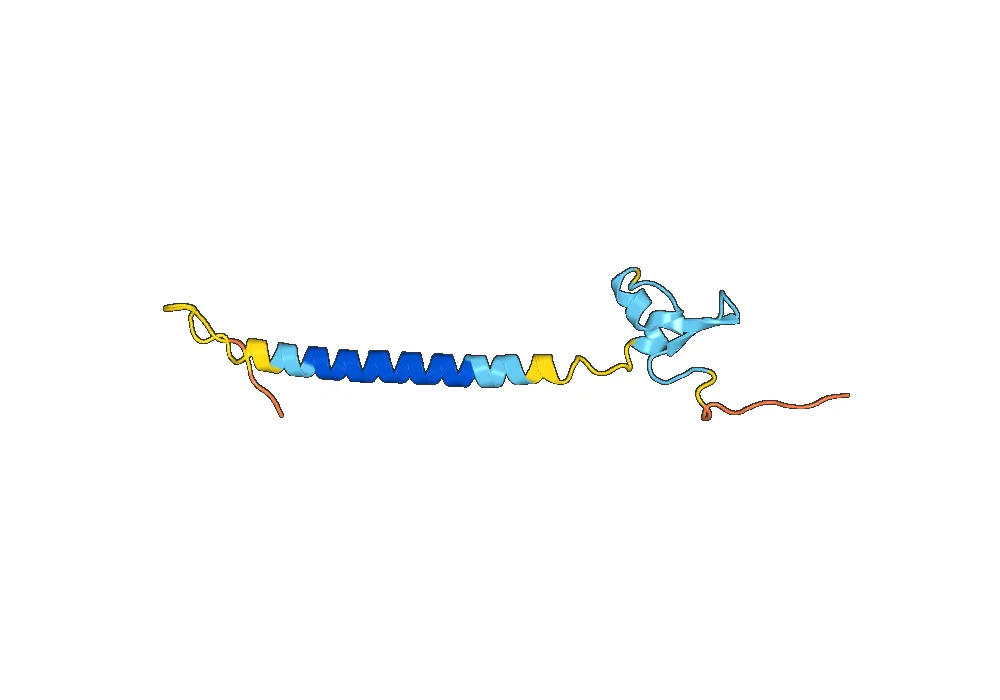
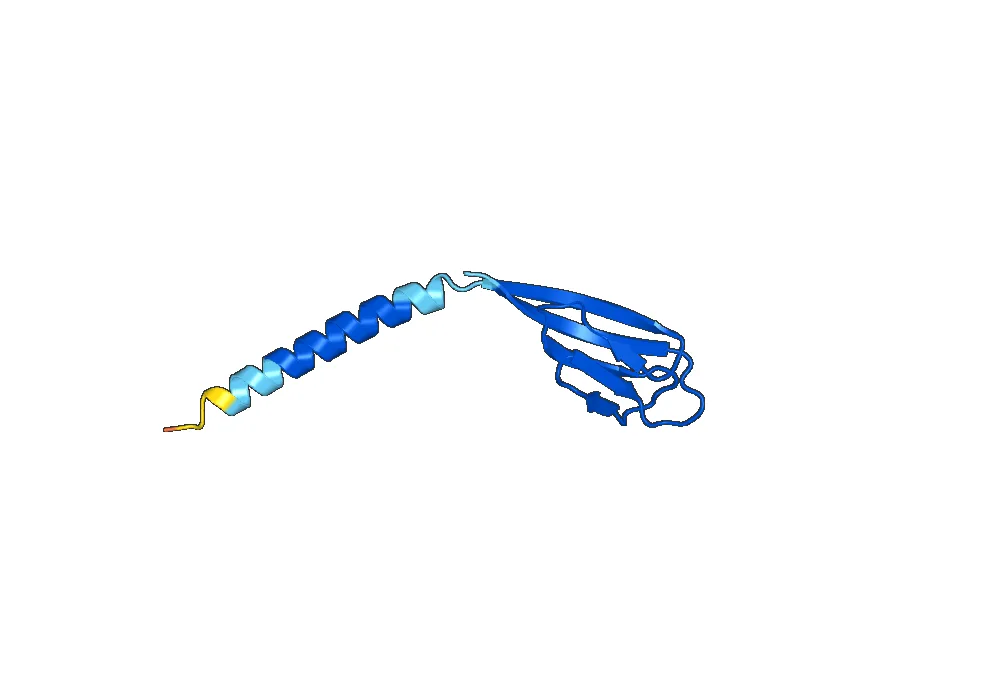
Recombinant Human CALN1 is a 21 kDa protein consisting of 187 amino acids. It has a unique structure, with a single transmembrane domain and a large cytoplasmic domain. The cytoplasmic domain contains two EF-hand calcium-binding motifs, which are important for its function in calcium signaling. The transmembrane domain allows Recombinant Human CALN1 to be anchored to the cell membrane, where it can interact with other proteins and regulate calcium levels.
Activity of Recombinant Human CALN1
Recombinant Human CALN1 is primarily involved in regulating calcium signaling in cells. It acts as a calcium sensor, binding to calcium ions and initiating a signaling cascade that leads to changes in cellular processes. This activity is mediated by the EF-hand motifs in the cytoplasmic domain of the protein. Recombinant Human CALN1 has also been shown to interact with other proteins involved in calcium signaling, such as calmodulin and the inositol 1,4,5-trisphosphate receptor.
In addition to its role in calcium signaling, Recombinant Human CALN1 has been implicated in other cellular processes. It has been shown to play a role in regulating cell growth and differentiation, as well as cell adhesion and migration. It has also been linked to neuronal development and synaptic plasticity, suggesting a potential role in the central nervous system.
Applications of Recombinant Human CALN1
The unique structure and activity of Recombinant Human CALN1 make it a valuable tool for research and potential therapeutic applications. Its role in regulating calcium signaling makes it relevant to a wide range of cellular processes and diseases.
One potential application of Recombinant Human CALN1 is in the study of calcium signaling pathways. Its ability to act as a calcium sensor and interact with other proteins involved in calcium signaling makes it a useful tool for understanding the complex mechanisms of this important cellular process.
Recombinant Human CALN1 may also have therapeutic potential in diseases that involve dysregulation of calcium signaling. For example, it has been shown to be downregulated in certain types of cancer, suggesting a potential role in tumor growth and progression. It has also been linked to neurological disorders such as epilepsy and Alzheimer’s disease, highlighting its potential as a target for therapeutic intervention.
In addition, Recombinant Human CALN1 has been used in the development of diagnostic assays for certain diseases. Its unique structure and function make it a specific and sensitive marker for certain cellular processes, providing a useful tool for disease diagnosis and monitoring.
Conclusion
In summary, Recombinant Human CALN1 is a synthetic version of a protein involved in regulating calcium signaling in cells. Its unique structure and activity make it a valuable tool for research and potential therapeutic applications in a wide range of diseases. As our understanding of calcium signaling continues to grow, the role of Recombinant Human CALN1 in this process may become even more significant.

There are no reviews yet.