Introduction
Recombinant Human SDF2L1 (stromal cell-derived factor 2-like 1) is a protein that plays a crucial role in protein folding and quality control in the endoplasmic reticulum (ER) of cells. It is a highly conserved protein that is found in various tissues and cell types, with the highest expression in the liver, kidney, and pancreas. In this article, we will discuss the structure, activity, and applications of Recombinant Human SDF2L1.
Structure of Recombinant Human SDF2L1
Recombinant Human SDF2L1 is a 24 kDa protein consisting of 214 amino acids. It is a type I transmembrane protein, with a short N-terminal cytoplasmic domain and a longer C-terminal luminal domain. The luminal domain contains a highly conserved region known as the SDF2 domain, which is responsible for the protein’s chaperone activity.
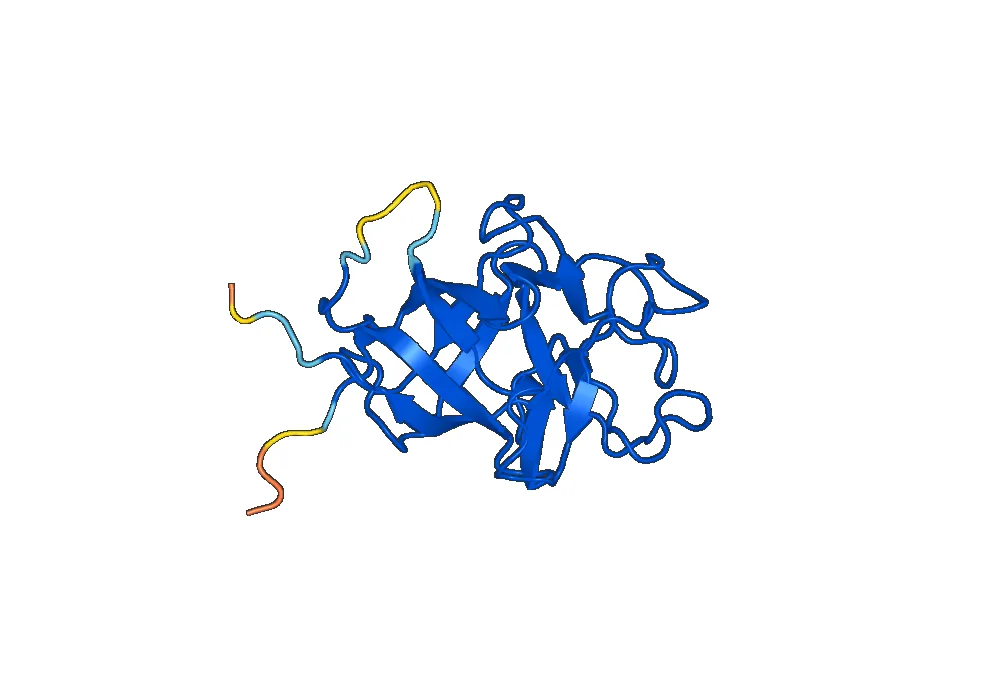
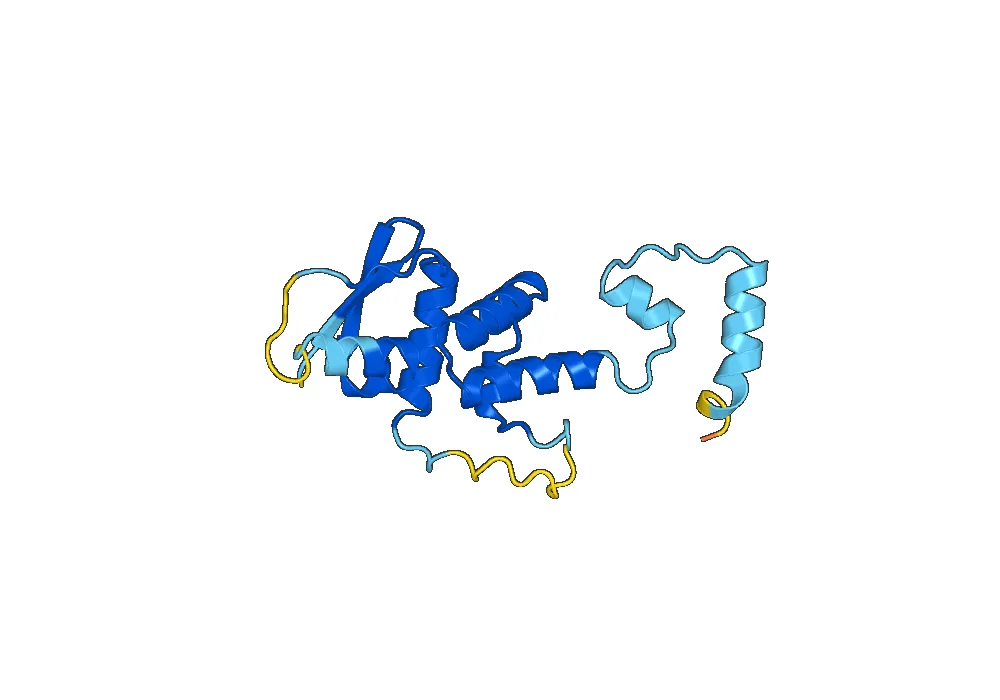
The crystal structure of Recombinant Human SDF2L1 has been solved, revealing a compact globular domain with a central cavity. This cavity is important for the binding and stabilization of misfolded proteins, preventing their aggregation and promoting their correct folding.
Activity of Recombinant Human SDF2L1
Recombinant Human SDF2L1 acts as a chaperone protein in the ER, where it assists in the folding of newly synthesized proteins. It interacts with misfolded or unfolded proteins and helps them to reach their native conformation. This chaperone activity is essential for maintaining cellular homeostasis and preventing the accumulation of misfolded proteins, which can lead to ER stress and cell death.
In addition to its chaperone activity, Recombinant Human SDF2L1 also plays a role in the ER-associated degradation (ERAD) pathway. It binds to misfolded proteins and targets them for degradation by the proteasome, thereby maintaining the quality of the ER protein pool.
Applications of Recombinant Human SDF2L1
Recombinant Human SDF2L1 has several potential applications in the field of biotechnology and medicine.
One of the main applications of Recombinant Human SDF2L1 is in the production of recombinant proteins. As a chaperone protein, it can improve the folding and yield of recombinant proteins expressed in heterologous systems. This is particularly useful for the production of complex and difficult-to-fold proteins, such as antibodies and enzymes.
Recombinant Human SDF2L1 also has potential therapeutic applications. It has been shown to have neuroprotective effects in animal models of neurodegenerative diseases, such as Parkinson’s and Alzheimer’s. This is due to its ability to prevent protein misfolding and aggregation, which are key mechanisms in these diseases.
Furthermore, Recombinant Human SDF2L1 has been found to be upregulated in various types of cancer, including breast, lung, and colon cancer. It has been proposed as a potential biomarker for cancer diagnosis and prognosis, as well as a target for cancer therapy. Its chaperone activity can help in the correct folding of tumor-associated proteins, which may be essential for cancer cell survival and proliferation.
Conclusion
Recombinant Human SDF2L1 is a versatile protein with important roles in protein folding and quality control. Its chaperone activity and involvement in the ERAD pathway make it a valuable tool for the production of recombinant proteins and a potential therapeutic target for neurodegenerative diseases and cancer. Further research on this protein may uncover more applications and potential benefits in the future.

There are no reviews yet.