The Structure of Recombinant Human BASP1 Protein
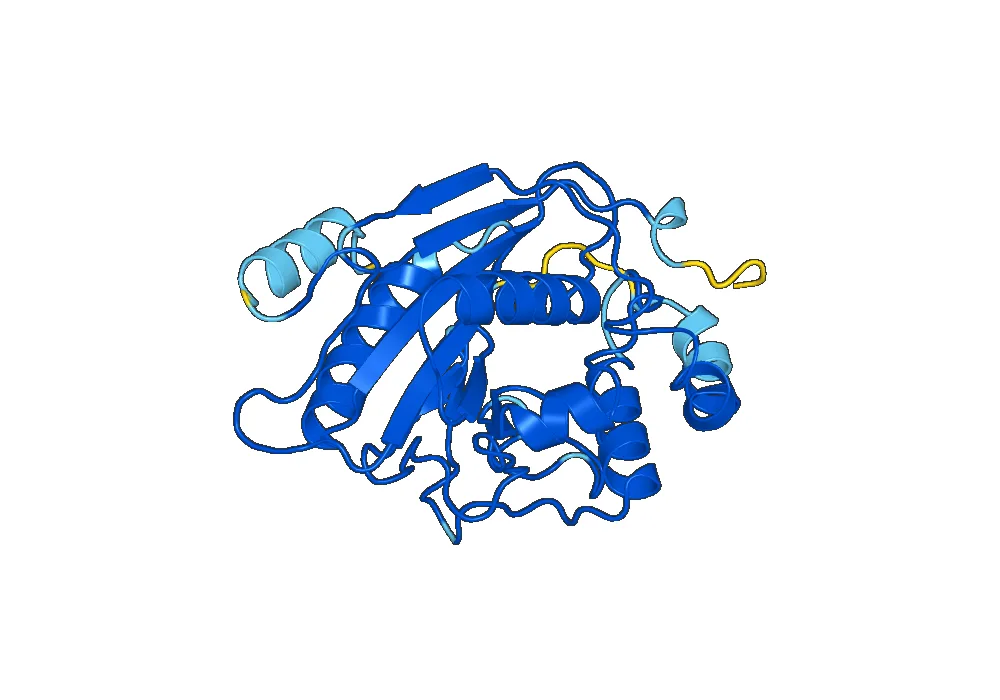
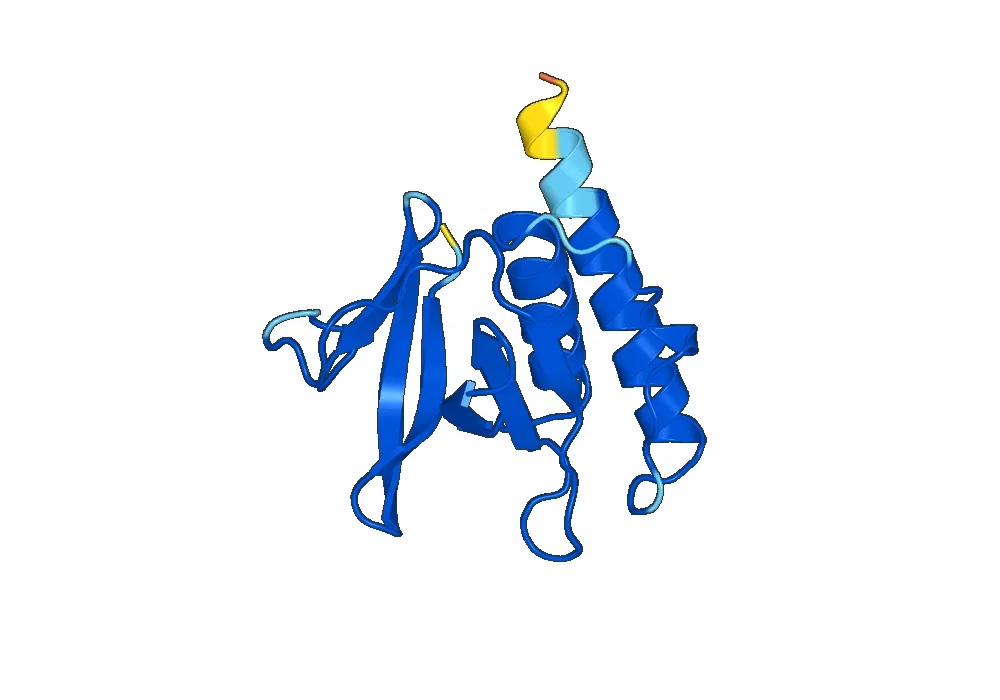
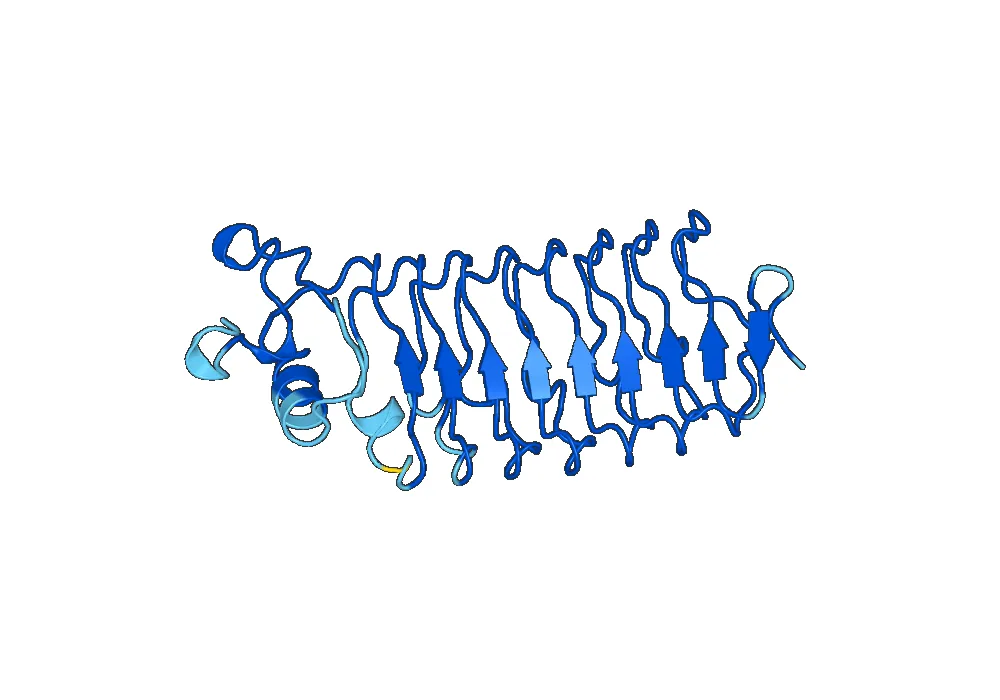
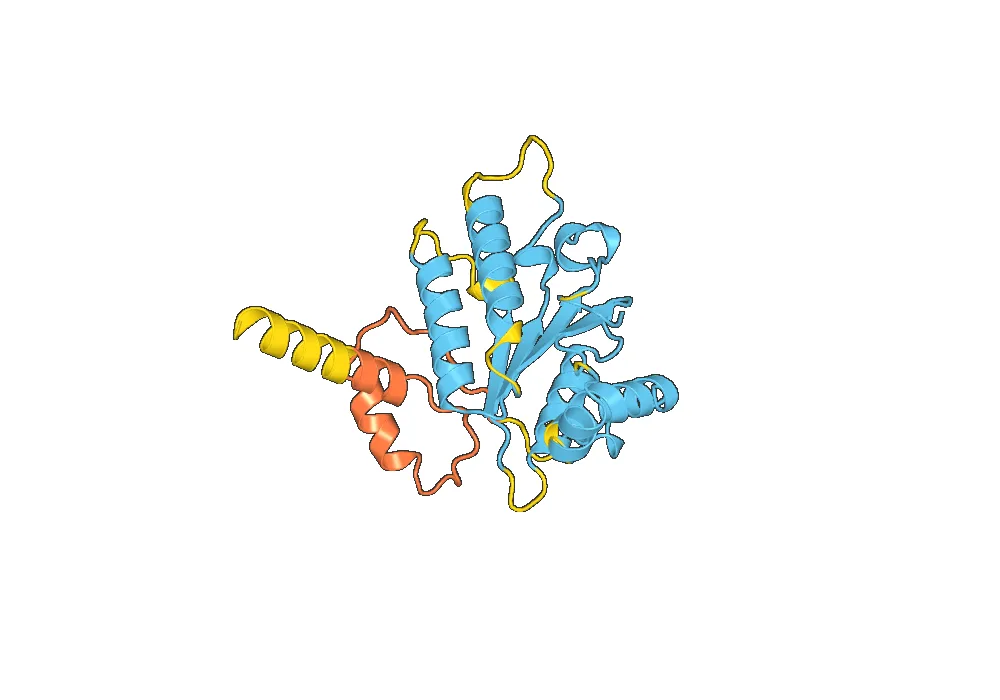
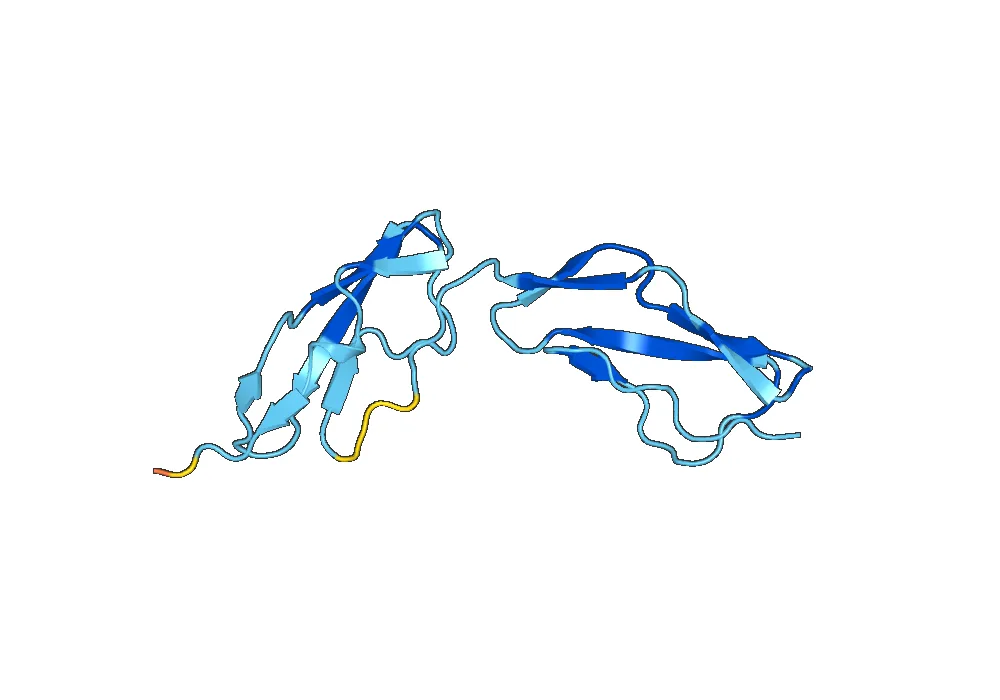
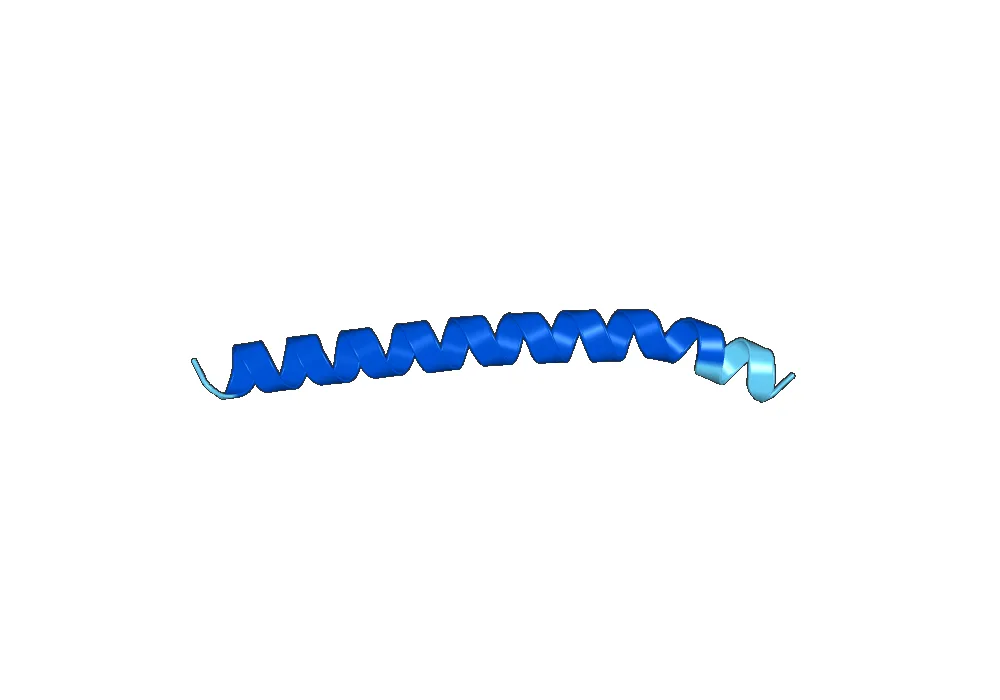
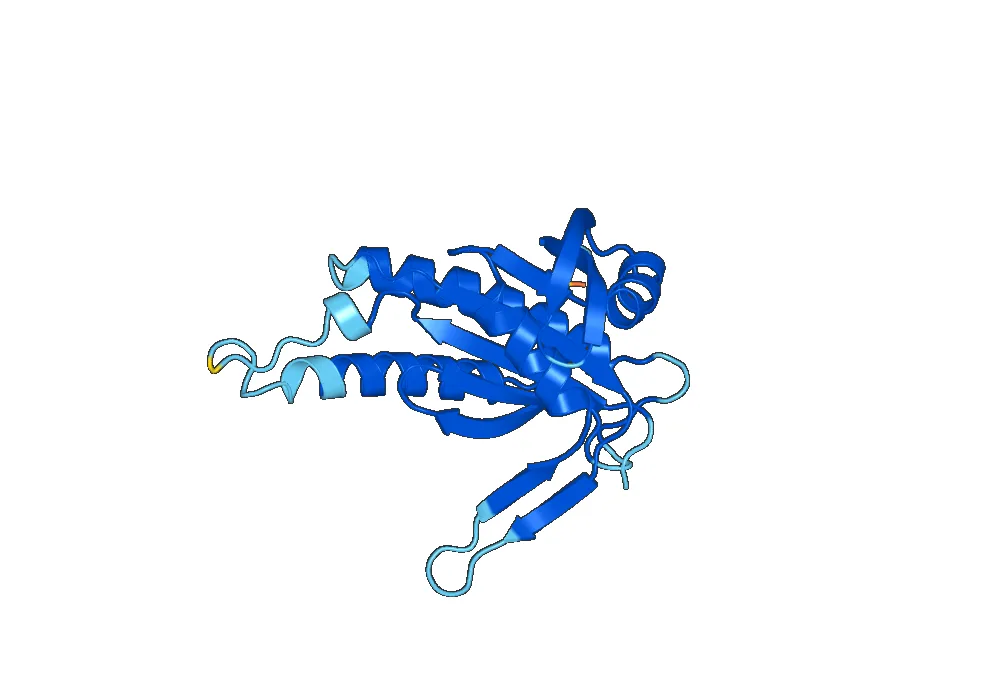
Recombinant Human BASP1 protein, also known as Brain Acid Soluble Protein 1, is a 25 kDa protein that is encoded by the BASP1 gene located on chromosome 5 in humans. The protein is composed of 222 amino acids and contains a highly conserved N-terminal domain, two proline-rich regions, and a C-terminal domain. It also has a predicted molecular weight of 25 kDa and a theoretical pI of 4.6.
The Activity of Recombinant Human BASP1 Protein
The primary function of Recombinant Human BASP1 protein is to regulate cell growth and differentiation in the nervous system. It has been shown to interact with various signaling molecules, including growth factors and G-proteins, to modulate their activity. It also plays a role in the regulation of actin cytoskeleton dynamics, which is essential for cell motility and migration. Additionally, BASP1 has been implicated in the regulation of gene expression and neuronal plasticity, making it a crucial protein in the development and function of the nervous system.
The Application of Recombinant Human BASP1 Protein
Recombinant Human BASP1 protein has a wide range of applications in both research and clinical settings. One of its primary uses is as an antigen for the production of antibodies. Due to its highly conserved structure and expression in various tissues, BASP1 is an ideal target for antibody production. These antibodies can then be used for various techniques such as Western blotting, immunohistochemistry, and immunofluorescence to study the expression and localization of BASP1 in different cell types and tissues.
Furthermore, Recombinant Human BASP1 protein has been used in studies investigating its role in neuronal development and function. Its ability to regulate cell growth and differentiation makes it a potential target for therapeutic interventions in neurological disorders. Studies have shown that BASP1 expression is altered in neurodegenerative diseases such as Alzheimer’s and Parkinson’s, making it a potential biomarker for disease diagnosis and progression. Additionally, BASP1 has been linked to neuroplasticity and has shown promise in promoting nerve regeneration after injury, making it a potential therapeutic target for nerve damage and spinal cord injuries.
BASP1 has also been studied in cancer research, as its expression has been shown to be dysregulated in various types of cancer, including breast, lung, and colon cancer. It has been suggested that BASP1 may play a role in tumor growth and metastasis by regulating cell motility and invasion. Therefore, Recombinant Human BASP1 protein has been used in studies to investigate its potential as a diagnostic and prognostic marker for cancer, as well as a potential target for cancer therapy.
In Conclusion
Recombinant Human BASP1 protein is a crucial protein in the regulation of cell growth and differentiation in the nervous system. Its highly conserved structure and wide range of functions make it a valuable tool in both research and clinical settings. With its potential as a biomarker and therapeutic target in various diseases, BASP1 continues to be an important protein in the field of neuroscience and cancer research.


There are no reviews yet.