Introduction
Recombinant Human ATAD2 Protein, also known as ATPase family AAA domain-containing protein 2, is a novel protein that plays a crucial role in various cellular processes. This protein is encoded by the ATAD2 gene and is highly conserved among different species. Recombinant Human ATAD2 Protein is widely used in scientific research and has shown promising results in various applications.
Structure of Recombinant Human ATAD2 Protein
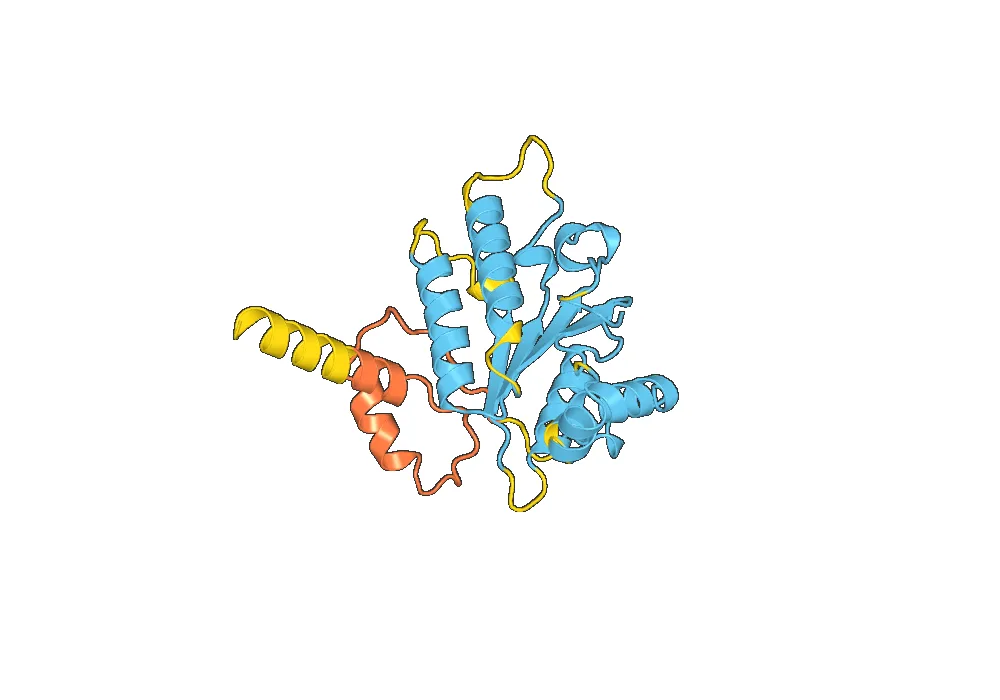
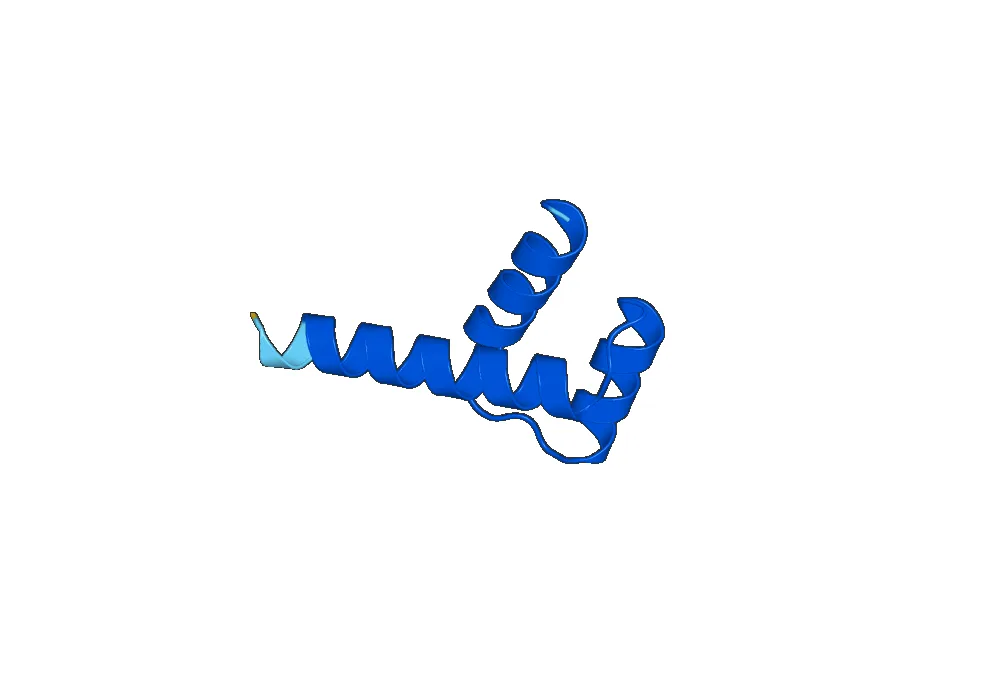
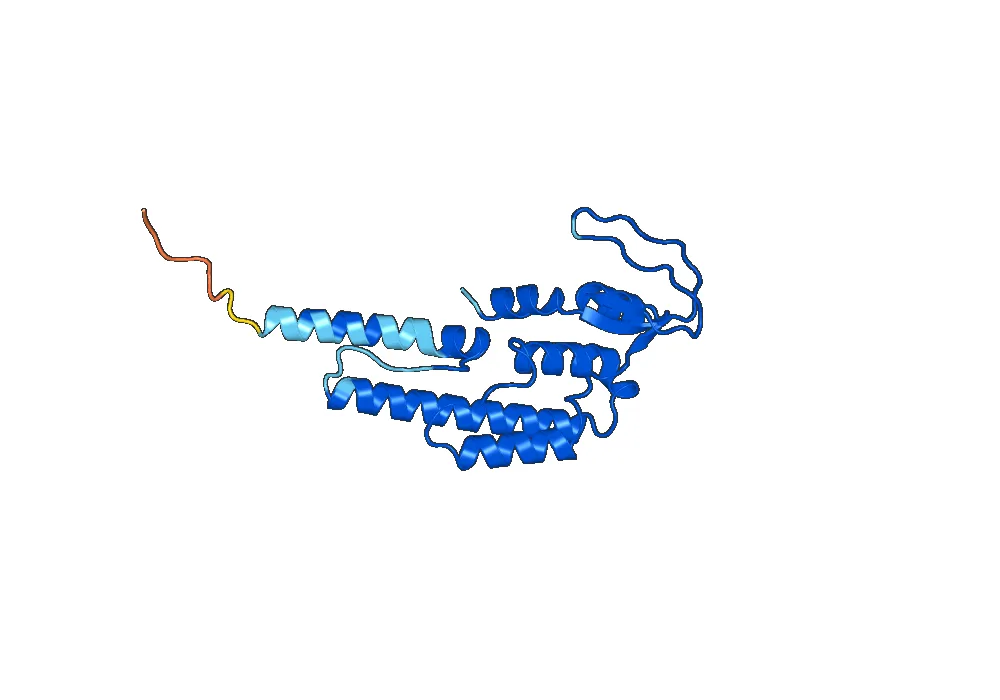
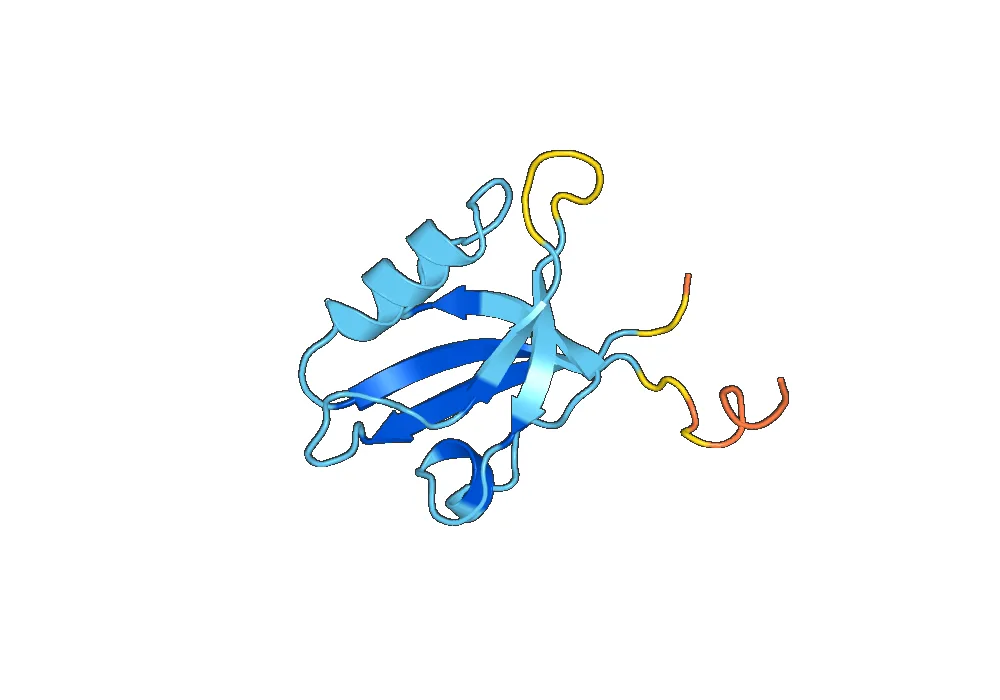
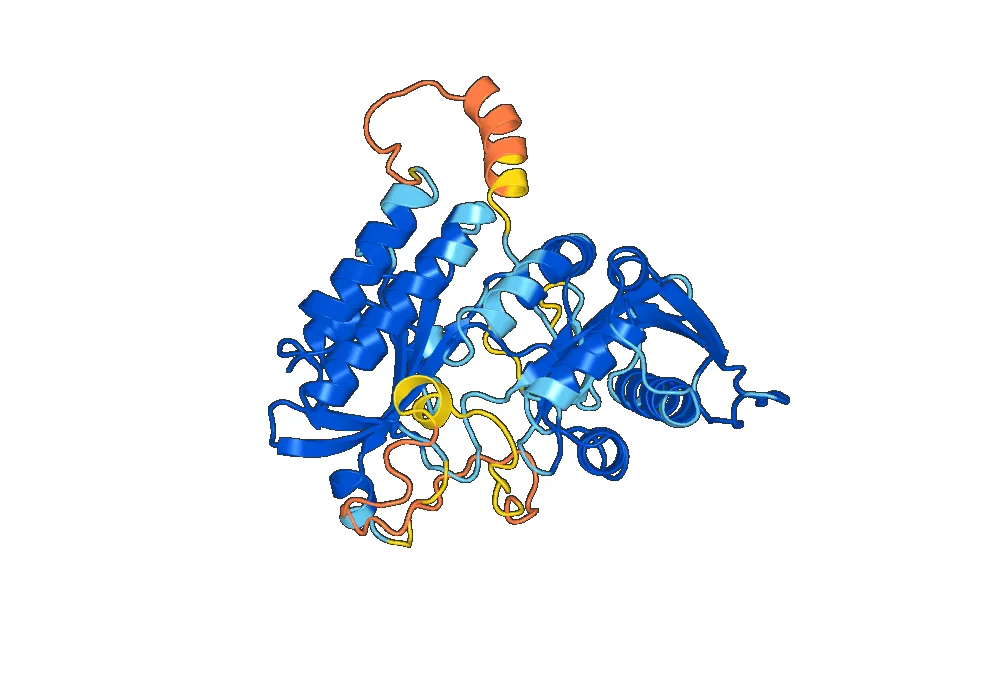
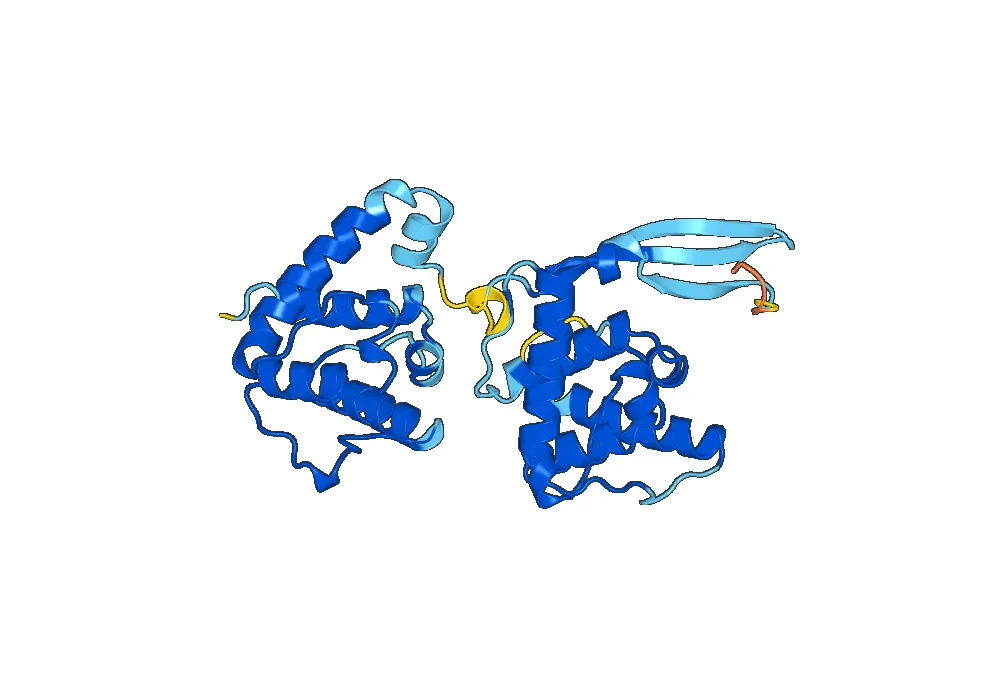
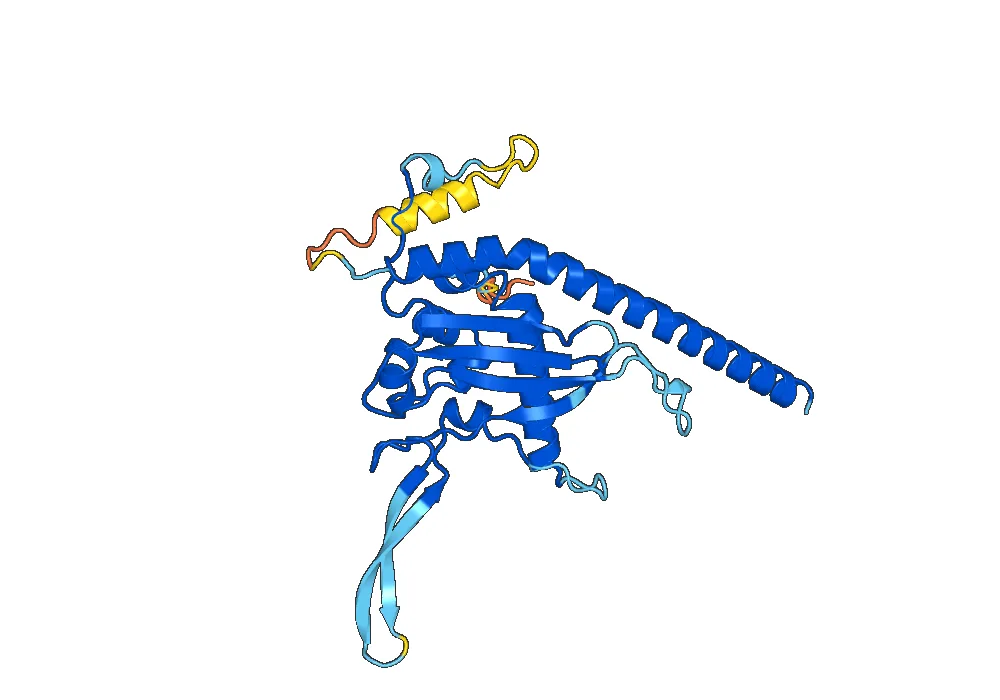
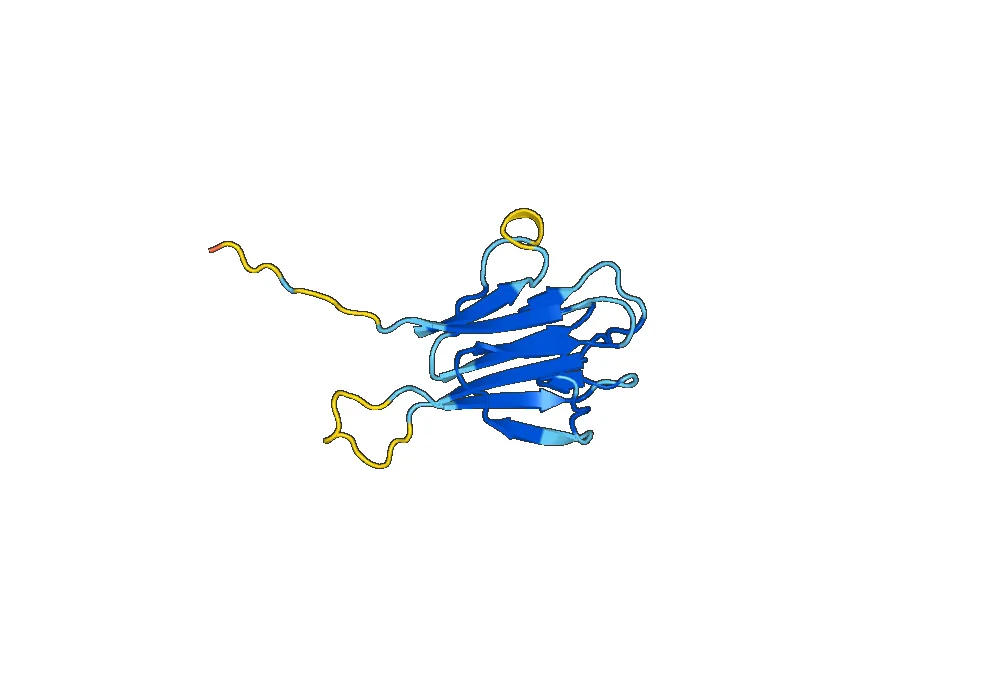
Recombinant Human ATAD2 Protein is a 63 kDa protein with a molecular formula of C4H6N2O3S. It consists of 570 amino acids and contains several functional domains, including the AAA ATPase domain, bromodomain, and a nuclear localization signal. The AAA ATPase domain is responsible for ATP hydrolysis and is essential for the proper functioning of the protein. The bromodomain is involved in protein-protein interactions and plays a crucial role in the recruitment of ATAD2 to chromatin. The nuclear localization signal ensures the proper localization of the protein within the cell.
Activity of Recombinant Human ATAD2 Protein
Recombinant Human ATAD2 Protein is a multifunctional protein that is involved in various cellular processes. It is primarily known for its role in chromatin remodeling and transcriptional regulation. The bromodomain of ATAD2 allows it to bind to acetylated histones, which leads to the recruitment of other chromatin remodeling proteins. This results in the opening of chromatin structure and allows for the activation of gene expression.
In addition to its role in chromatin remodeling, Recombinant Human ATAD2 Protein also plays a crucial role in cell cycle progression. It has been shown to interact with several cell cycle regulators, including p53 and E2F1, and is involved in the regulation of cell proliferation and apoptosis. Moreover, ATAD2 has been implicated in DNA repair mechanisms, making it an essential protein for maintaining genomic stability.
Application of Recombinant Human ATAD2 Protein
Recombinant Human ATAD2 Protein has a wide range of applications in scientific research. Its role in chromatin remodeling and transcriptional regulation makes it a valuable tool for studying gene expression and epigenetic mechanisms. It has been used in studies to understand the role of ATAD2 in cancer development and progression. Overexpression of ATAD2 has been observed in various types of cancer, and targeting this protein has shown promising results in inhibiting tumor growth.
Furthermore, Recombinant Human ATAD2 Protein has been used in drug discovery and development. Its involvement in cell cycle progression and DNA repair makes it a potential target for cancer therapy. Inhibitors of ATAD2 have been developed and have shown promising results in preclinical studies. These inhibitors could potentially be used in combination with other cancer treatments to improve their efficacy.
In addition to its role in cancer, Recombinant Human ATAD2 Protein has also been studied in other diseases, including neurodegenerative disorders and viral infections. Its involvement in various cellular processes makes it a potential target for the treatment of these diseases.
Conclusion
In conclusion, Recombinant Human ATAD2 Protein is a multifunctional protein with a crucial role in chromatin remodeling, cell cycle progression, and DNA repair. Its structure, activity, and applications make it a valuable tool for scientific research and a potential target for the treatment of various diseases. Further studies on this protein are needed to fully understand its functions and potential therapeutic applications.

There are no reviews yet.