Introduction
Recombinant human ADCY5 protein is a highly sought-after protein in the scientific community due to its role in various cellular processes. This protein is encoded by the ADCY5 gene and is a member of the adenylyl cyclase family. It is known to play a crucial role in the production of the second messenger molecule, cyclic adenosine monophosphate (cAMP), which is involved in numerous signaling pathways.
Structure of Recombinant Human ADCY5 Protein
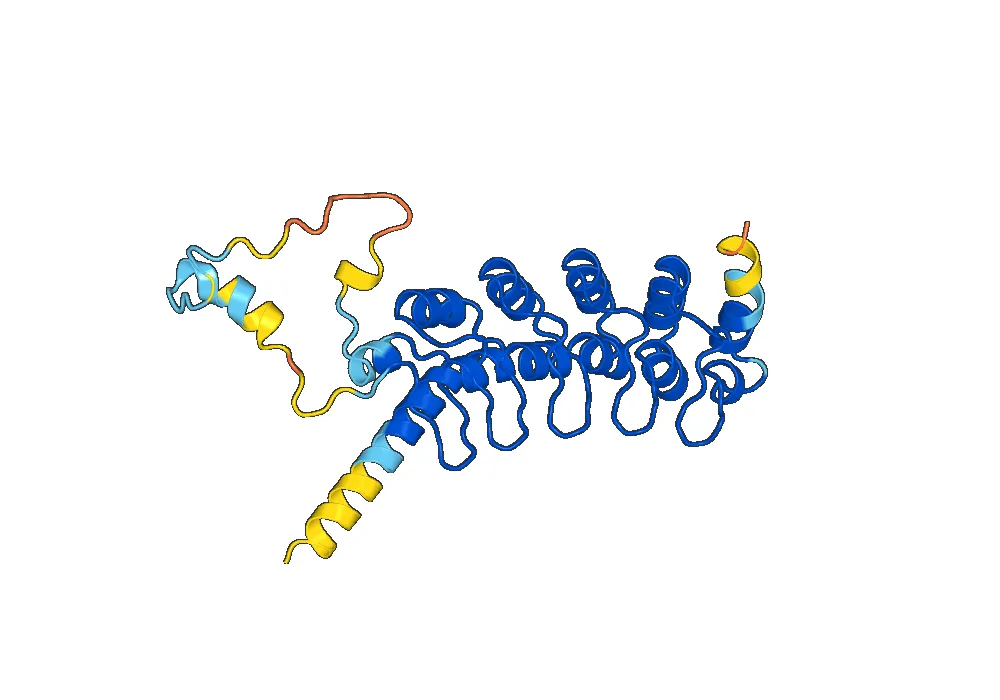
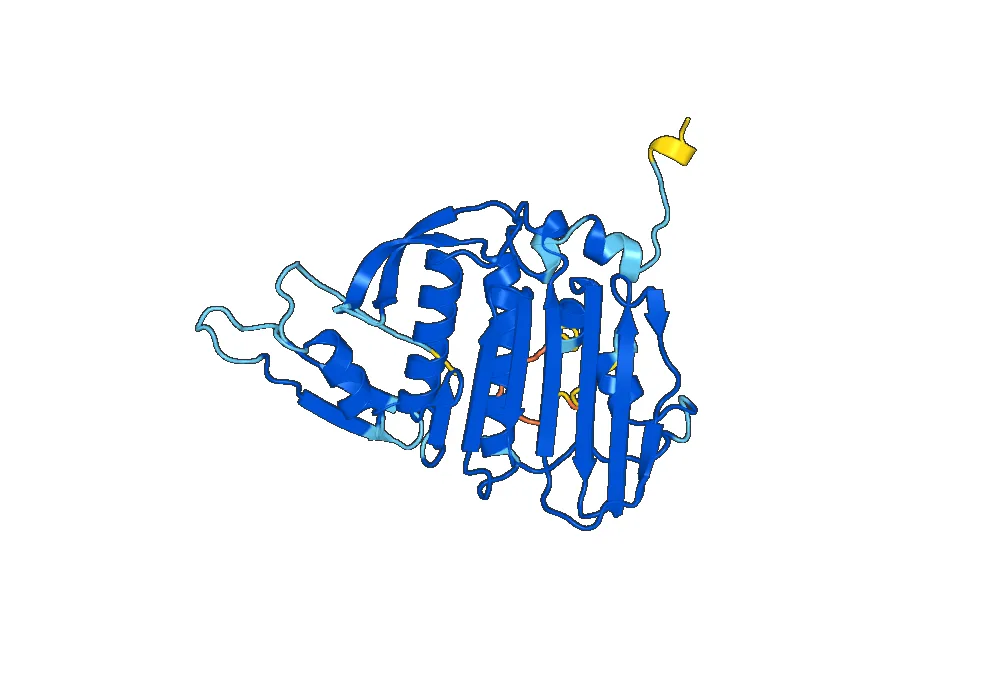
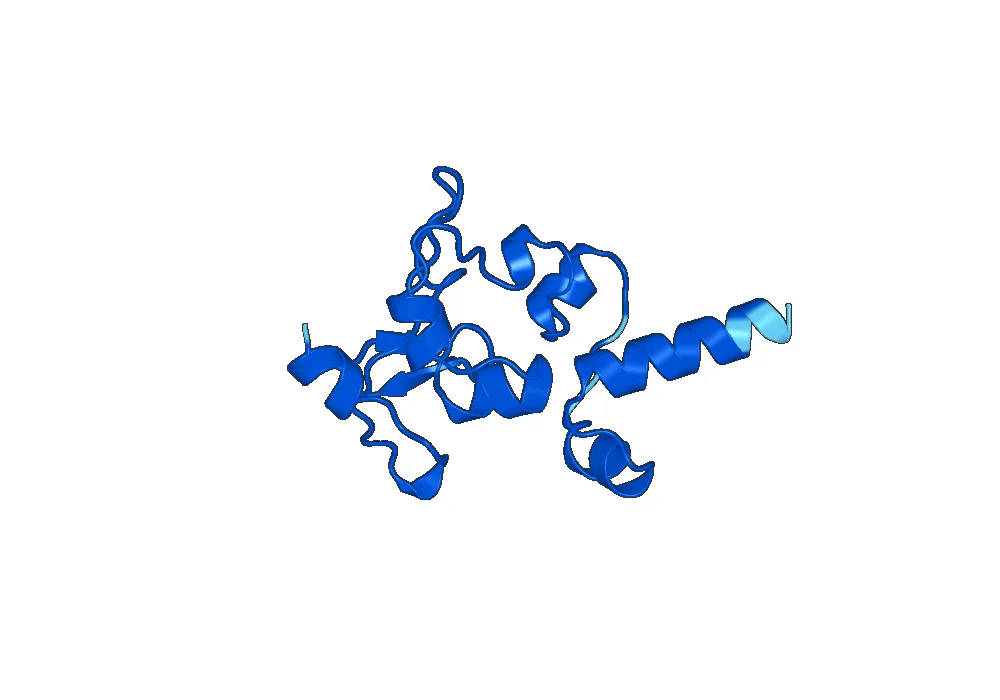
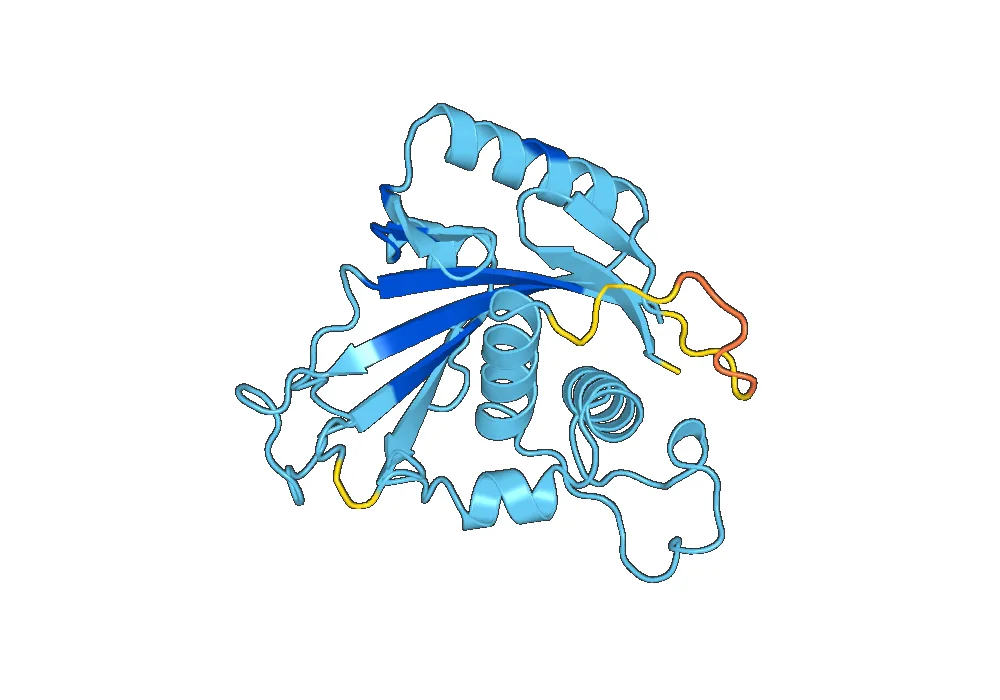
The recombinant human ADCY5 protein is a 137 kDa protein composed of 1152 amino acids. It has a conserved structure, with two transmembrane domains and two cytoplasmic catalytic domains. The N-terminal transmembrane domain is responsible for anchoring the protein to the cell membrane, while the C-terminal catalytic domain contains the active site for cAMP production. The protein also contains several regulatory domains, including a G protein regulatory domain and a calmodulin-binding domain.
Activity of Recombinant Human ADCY5 Protein
The primary function of recombinant human ADCY5 protein is to catalyze the conversion of ATP to cAMP. This activity is regulated by various factors, including G protein-coupled receptors, calcium ions, and hormones. Upon activation, the protein undergoes a conformational change that allows it to bind to ATP and catalyze the production of cAMP. The cAMP produced by ADCY5 then acts as a secondary messenger, activating downstream signaling pathways and regulating various cellular processes, including metabolism, cell growth, and gene expression.
Applications of Recombinant Human ADCY5 Protein
1. Drug Development
Recombinant human ADCY5 protein has been identified as a potential drug target for various diseases, including diabetes, obesity, and cancer. As cAMP is involved in regulating glucose and lipid metabolism, targeting ADCY5 could potentially lead to the development of new treatments for metabolic disorders. Additionally, the protein’s role in cell growth and proliferation makes it a promising target for anti-cancer drugs.
2. Research Tool
The availability of recombinant human ADCY5 protein has greatly facilitated research on cAMP signaling and its role in various cellular processes. Scientists can use this protein to study the regulation of ADCY5 activity and its interaction with other molecules. It can also be used to screen for potential drugs that can modulate ADCY5 activity.
3. Immunogen
Recombinant human ADCY5 protein can be used as an antigen to generate antibodies against the protein. These antibodies can then be used in various applications, such as western blotting, immunohistochemistry, and flow cytometry, to study the expression and localization of ADCY5 in different tissues and cell types.
4. Biomarker
Recent studies have shown that ADCY5 expression levels are altered in various diseases, including type 2 diabetes, Parkinson’s disease, and bipolar disorder. As such, recombinant human ADCY5 protein can potentially serve as a biomarker for these diseases, aiding in their diagnosis and monitoring.
Conclusion
In summary, recombinant human ADCY5 protein is a crucial player in cAMP signaling and has various applications in drug development, research, and diagnostics. Its conserved structure and activity make it an ideal target for studying cellular processes and developing new treatments for diseases. With the continued advancements in recombinant protein technology, we can expect to see further insights into the role of ADCY5 in health and disease.

There are no reviews yet.