Introduction
Recombinant Human PARVB Protein, also known as Prostate and Breast Cancer Overexpressed Protein (PARVB), is a member of the parvin family of actin-binding proteins. It is encoded by the PARVB gene and is expressed in various tissues, including the prostate and breast, as well as in cancer cells. This protein plays a crucial role in cell adhesion, migration, and signaling, making it a promising target for cancer research and drug development.
Structure of Recombinant Human PARVB Protein
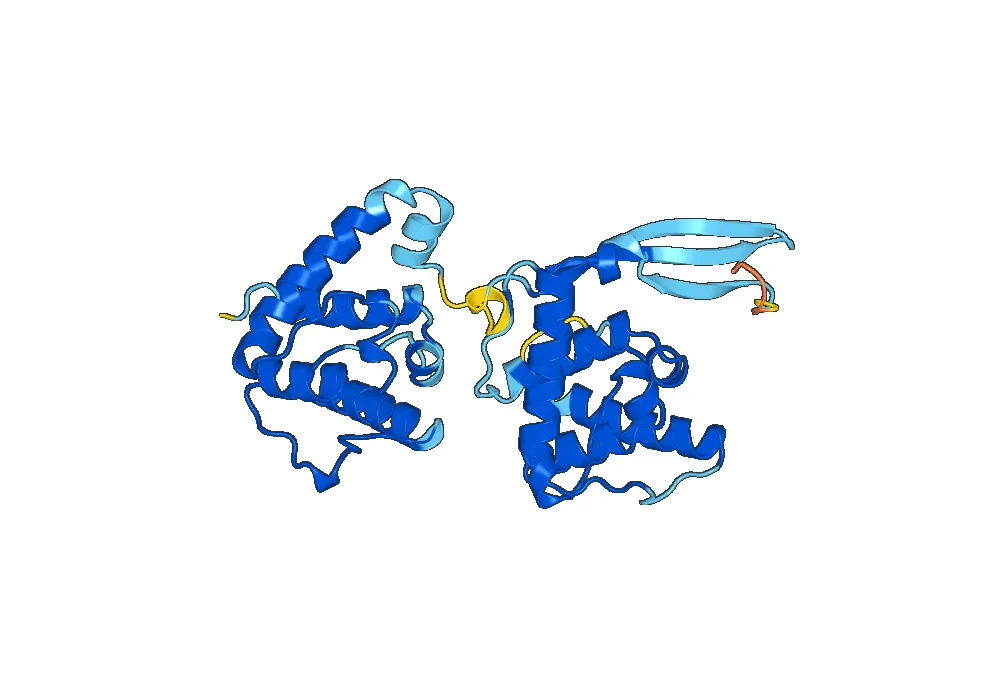
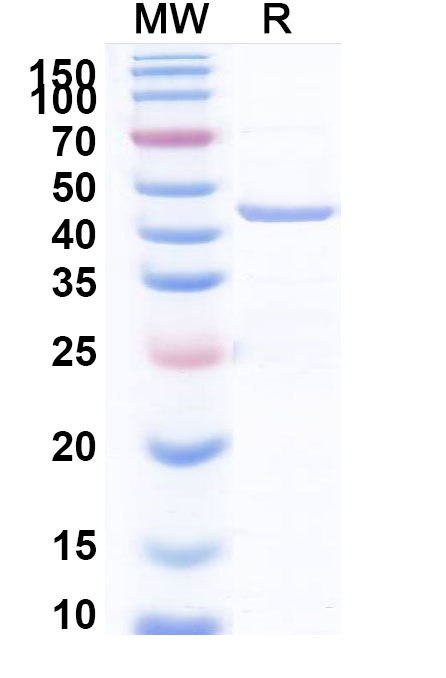
The human PARVB gene is located on chromosome 22 and consists of 10 exons. The full-length protein has a molecular weight of approximately 42 kDa and is composed of 384 amino acids. PARVB contains three structural domains: an N-terminal calponin homology (CH) domain, a central proline-rich region, and a C-terminal EVH1 domain. The CH domain is responsible for binding to actin, while the EVH1 domain interacts with other proteins involved in cell signaling.
Activity of Recombinant Human PARVB Protein
PARVB is involved in a variety of cellular processes, including cell adhesion, migration, and signaling. It interacts with actin filaments to regulate cell shape and motility. PARVB also plays a role in the formation of focal adhesions, which are specialized structures that connect the extracellular matrix to the cytoskeleton. These adhesions are essential for cell movement and communication with the surrounding environment.
In addition, PARVB has been shown to regulate the activity of several signaling pathways, including the Wnt/β-catenin and TGF-β pathways. It can also modulate the activity of transcription factors, such as NF-κB, which play a critical role in cell proliferation and survival. Dysregulation of these pathways has been linked to cancer development and progression, highlighting the importance of PARVB in cancer biology.
Application of Recombinant Human PARVB Protein
Given its role in cell adhesion, migration, and signaling, PARVB has been implicated in various diseases, including cancer. It is overexpressed in several cancer types, including prostate and breast cancer, and has been associated with tumor growth, invasion, and metastasis. As such, PARVB has emerged as a potential therapeutic target for cancer treatment.
Recombinant Human PARVB Protein is widely used in cancer research as a tool to study its function and role in cancer biology. It can be produced in large quantities using recombinant DNA technology, making it readily available for use in experiments. Recombinant PARVB can also be used in drug screening assays to identify compounds that can modulate its activity and potentially inhibit cancer growth.
Furthermore, PARVB has been investigated as a potential biomarker for cancer diagnosis and prognosis. Its overexpression in cancer cells makes it a promising candidate for targeted therapies, as well as a potential biomarker for early detection and monitoring of cancer progression.
In conclusion, Recombinant Human PARVB Protein is a crucial player in cell adhesion, migration, and signaling, with implications in cancer biology. Its structure, activity, and potential applications make it a valuable tool for cancer research and a promising target for cancer therapy. Further studies on PARVB may lead to the development of novel treatments for cancer and other diseases.


There are no reviews yet.