Introduction to Recombinant Human NBN Protein
Recombinant Human NBN Protein, also known as Nibrin, is a protein that plays a crucial role in maintaining the stability of the genome and in the repair of DNA damage. It is encoded by the NBN gene and is essential for proper functioning of the DNA damage response pathway. Recombinant Human NBN Protein is produced through recombinant DNA technology, making it a valuable tool for research and therapeutic applications.
Structure of Recombinant Human NBN Protein
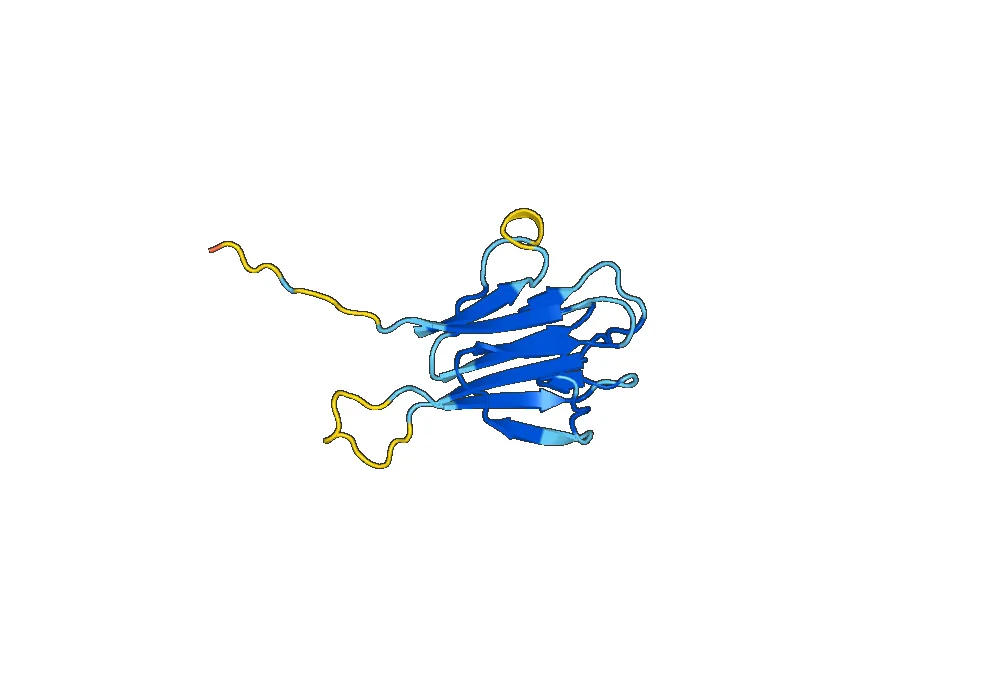
Recombinant Human NBN Protein is a 754 amino acid protein with a molecular weight of approximately 95 kDa. It contains several functional domains, including a forkhead-associated (FHA) domain, a breast cancer C-terminal (BRCT) domain, and a coiled-coil region. These domains are important for the protein’s interactions with other proteins involved in DNA repair and maintenance.
The FHA domain of Recombinant Human NBN Protein is responsible for binding to phosphorylated proteins, while the BRCT domain is involved in protein-protein interactions and DNA binding. The coiled-coil region is essential for the protein’s dimerization, which is necessary for its function in DNA repair.
Activity of Recombinant Human NBN Protein
Recombinant Human NBN Protein is a key player in the DNA damage response pathway. It is involved in the detection and repair of DNA double-strand breaks, which are a common form of DNA damage. Upon detection of DNA damage, Recombinant Human NBN Protein is recruited to the site of damage and initiates the repair process by activating other proteins involved in DNA repair.
Recombinant Human NBN Protein also plays a crucial role in maintaining the stability of the genome. It helps to prevent the accumulation of mutations and chromosomal abnormalities by ensuring the accurate repair of DNA damage. Mutations in the NBN gene can lead to a rare genetic disorder called Nijmegen breakage syndrome, characterized by increased susceptibility to cancer and other health problems.
Applications of Recombinant Human NBN Protein
Recombinant Human NBN Protein has a wide range of applications in both research and therapeutic settings. In research, it is used as a tool to study the DNA damage response pathway and its role in maintaining genome stability. Recombinant Human NBN Protein can also be used to investigate the mechanisms of DNA repair and to identify potential drug targets for cancer therapy.
In therapeutic applications, Recombinant Human NBN Protein has shown promising results in the treatment of cancers with defects in the DNA damage response pathway. It has been shown to sensitize cancer cells to chemotherapy and radiation therapy, making it a potential adjuvant therapy for cancer treatment. Additionally, Recombinant Human NBN Protein has been studied for its potential use in gene therapy to correct genetic disorders such as Nijmegen breakage syndrome.
Conclusion
Recombinant Human NBN Protein is a crucial protein involved in the maintenance of genome stability and repair of DNA damage. Its structure, activity, and applications make it a valuable tool for research and potential therapeutic use in cancer treatment and gene therapy. Further studies on Recombinant Human NBN Protein will continue to enhance our understanding of the DNA damage response pathway and its role in maintaining the integrity of the genome.

There are no reviews yet.