Introduction
Recombinant Human CDCA7 Protein, also known as Cell division cycle-associated protein 7, is a crucial protein involved in cell cycle regulation and chromatin remodeling. This protein is encoded by the CDCA7 gene and is highly conserved across different species, indicating its importance in cellular processes. In this article, we will discuss the structure, activity, and application of Recombinant Human CDCA7 Protein.
Structure of Recombinant Human CDCA7 Protein
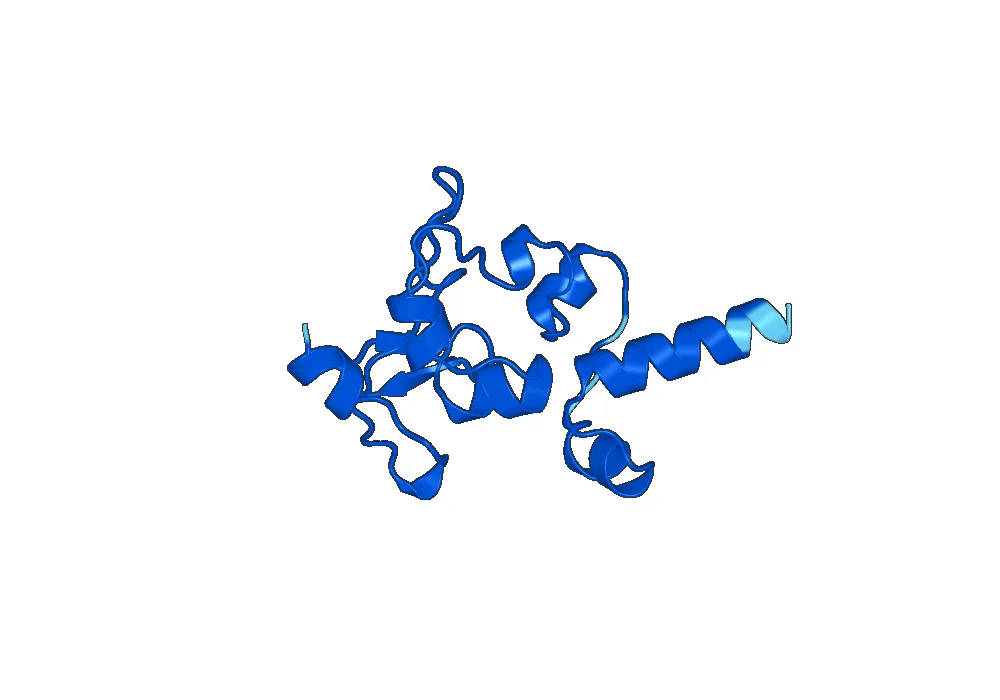
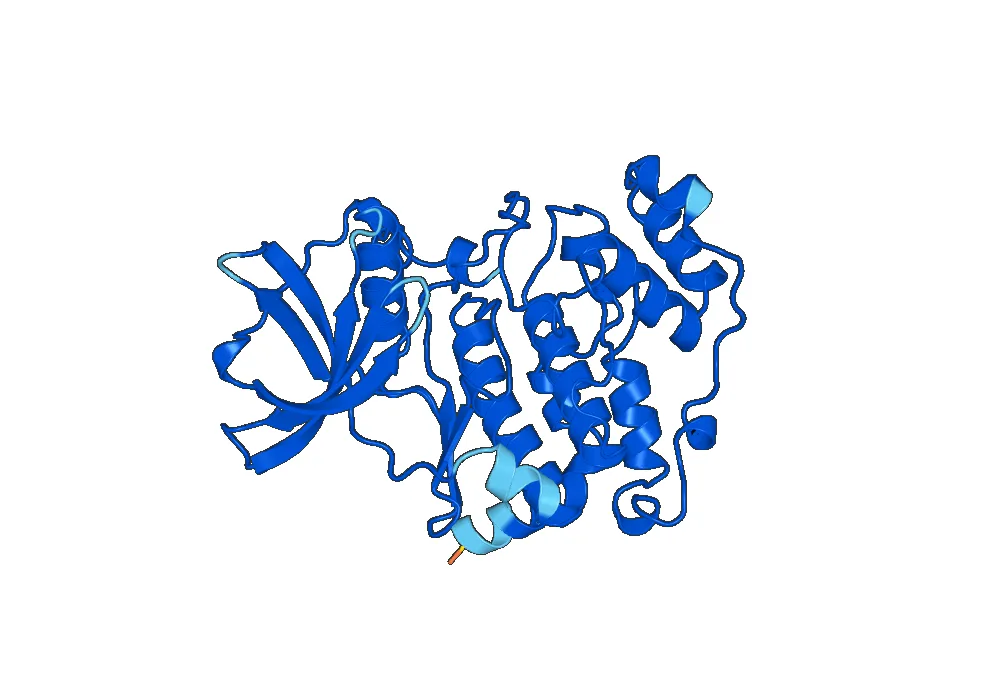
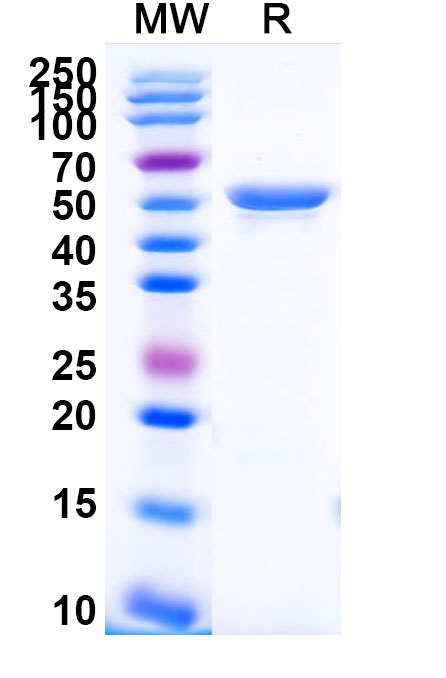
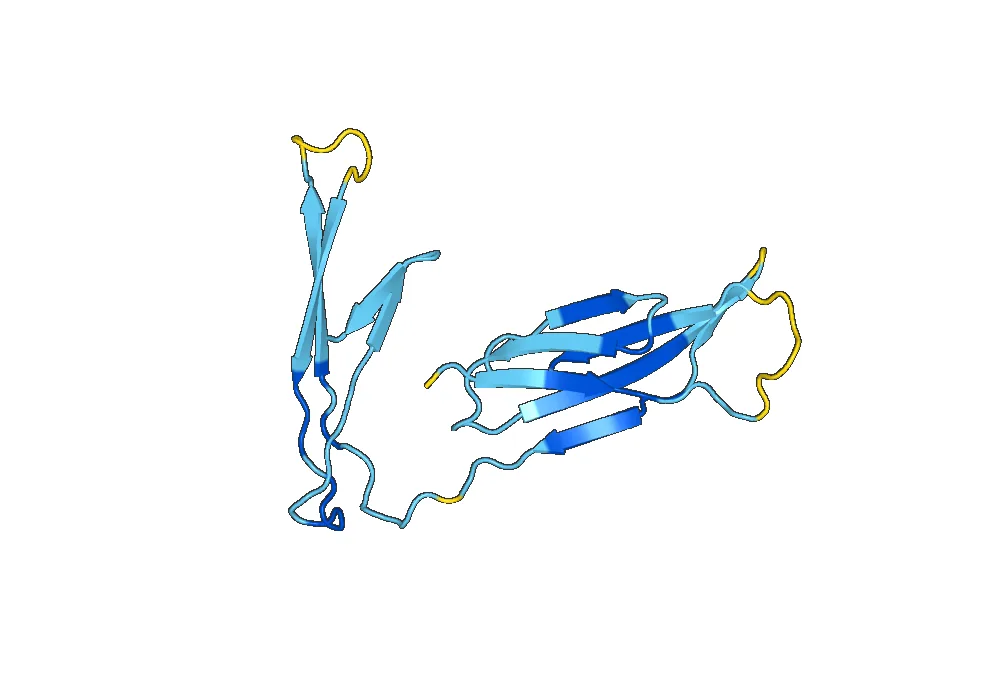
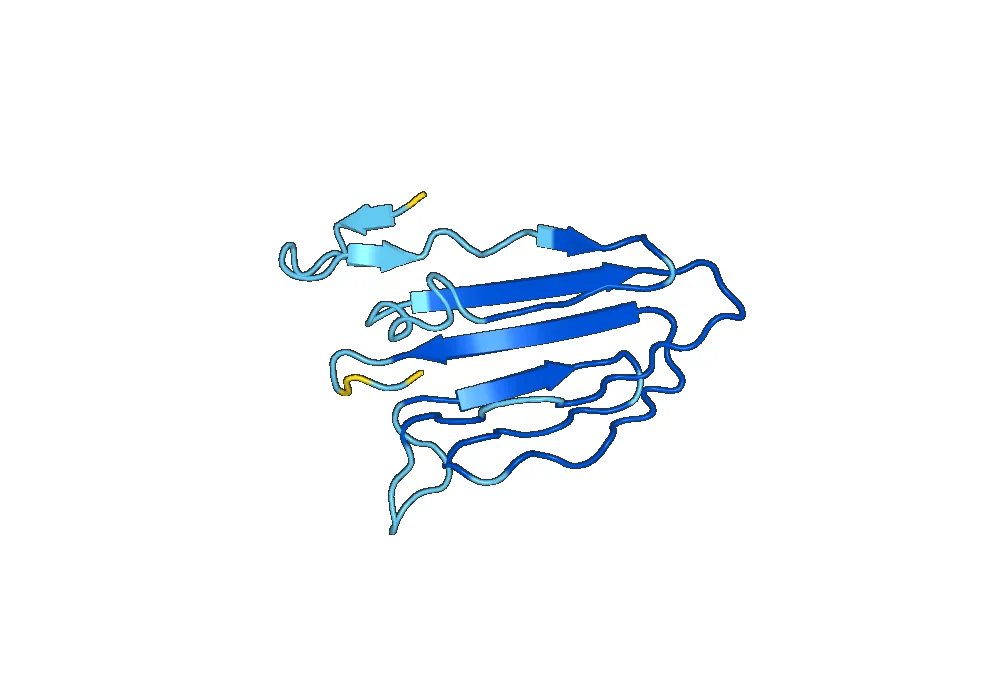
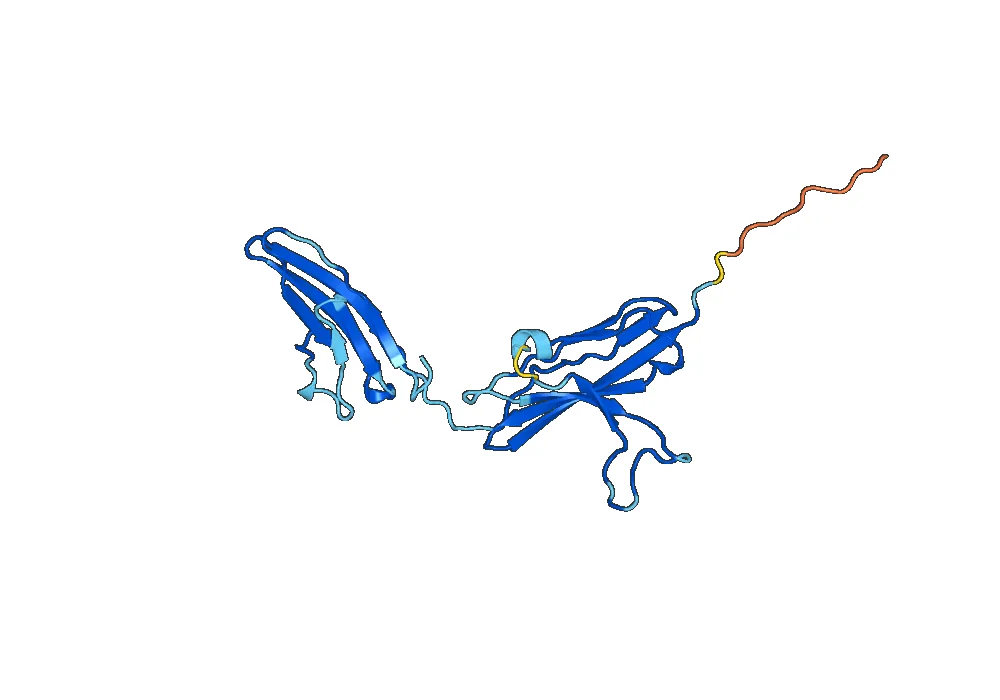
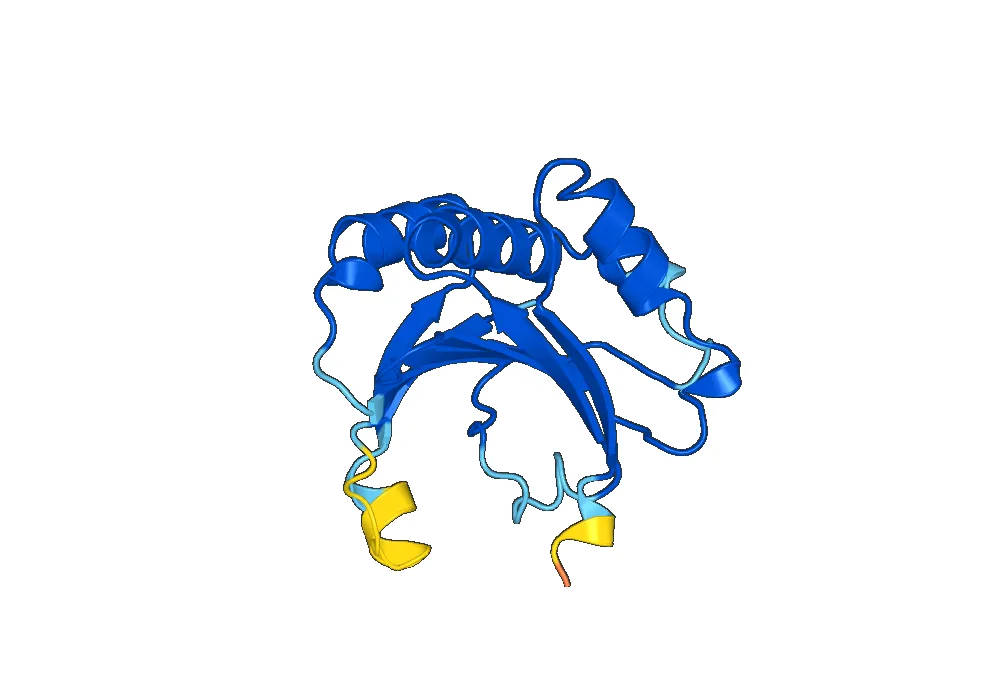
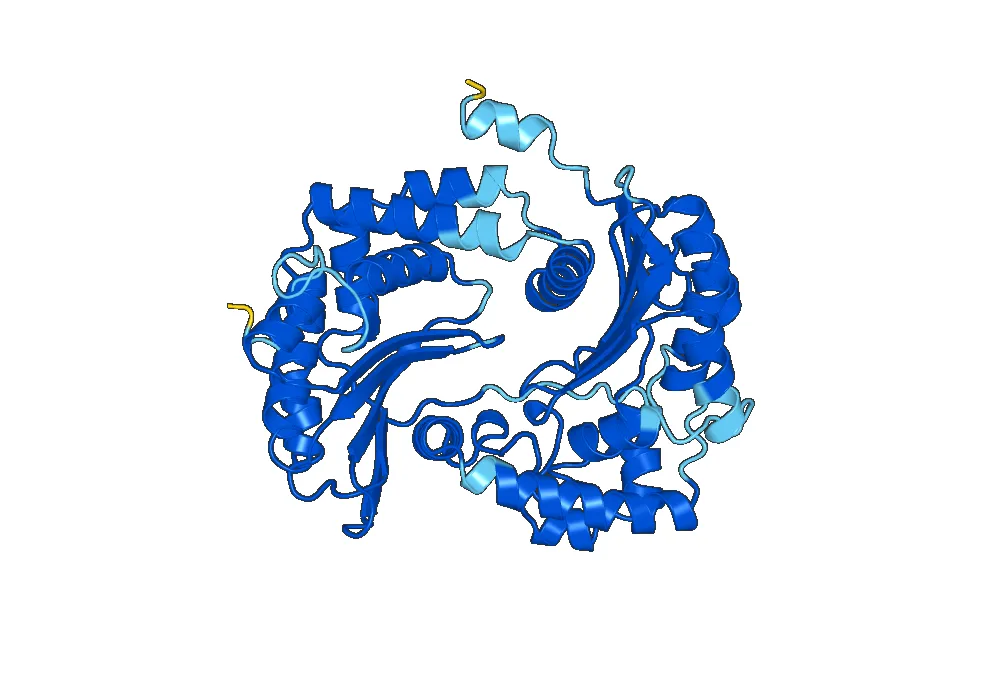
The CDCA7 gene is located on chromosome 2 in humans and consists of 10 exons. The protein is composed of 480 amino acids and has a molecular weight of approximately 55 kDa. It contains a conserved N-terminal domain, a central domain, and a C-terminal domain. The N-terminal domain is responsible for binding to chromatin, while the central domain interacts with other proteins involved in cell cycle regulation. The C-terminal domain contains a nuclear localization signal, which helps in the localization of the protein to the nucleus.
Activity of Recombinant Human CDCA7 Protein
Recombinant Human CDCA7 Protein plays a crucial role in regulating the cell cycle by interacting with various proteins involved in cell division. It is also involved in chromatin remodeling, which is essential for gene expression and DNA repair. This protein has been found to be upregulated during the G1/S phase of the cell cycle, indicating its importance in the transition from G1 to S phase. CDCA7 has also been shown to interact with the retinoblastoma protein (Rb), a tumor suppressor protein, and regulate its activity. Furthermore, studies have shown that CDCA7 is involved in the maintenance of genomic stability and is essential for the proper functioning of DNA replication and repair.
Application of Recombinant Human CDCA7 Protein
Recombinant Human CDCA7 Protein has various applications in both research and clinical settings. One of the main applications of this protein is in the study of cell cycle regulation and chromatin remodeling. It can be used as a tool to understand the mechanisms involved in these processes and their dysregulation in diseases such as cancer. Additionally, CDCA7 has been identified as a potential therapeutic target for cancer treatment, as its overexpression has been observed in various types of cancer.
Furthermore, Recombinant Human CDCA7 Protein has been used in the development of diagnostic tests for cancer. Its overexpression in cancer cells makes it a potential biomarker for early detection and monitoring of cancer progression. CDCA7 has also been shown to be involved in drug resistance in cancer cells, making it a potential target for the development of new cancer therapies.
In addition to its role in cancer, Recombinant Human CDCA7 Protein has also been studied in other diseases such as neurodevelopmental disorders. Studies have shown that mutations in the CDCA7 gene can lead to intellectual disability and developmental delay. Therefore, this protein can be used as a diagnostic tool for these disorders and as a potential target for therapeutic interventions.
Conclusion
In summary, Recombinant Human CDCA7 Protein is a crucial protein involved in cell cycle regulation and chromatin remodeling. Its structure, activity, and applications have been extensively studied, and it has been identified as a potential therapeutic target for cancer and other diseases. Further research on this protein can provide valuable insights into its role in cellular processes and its potential as a diagnostic and therapeutic tool.

There are no reviews yet.