Introduction
Precemtabart Biosimilar – Anti-Meconium antigen 100 mAb is a therapeutic antibody that has been developed as a biosimilar to the original therapeutic antibody, Precemtabart. This biosimilar is designed to specifically target the Meconium antigen 100, which has been identified as a potential therapeutic target for various diseases. In this article, we will discuss the structure, activity, and potential applications of this biosimilar in the field of medicine.
Structure of Precemtabart Biosimilar – Anti-Meconium antigen 100 mAb
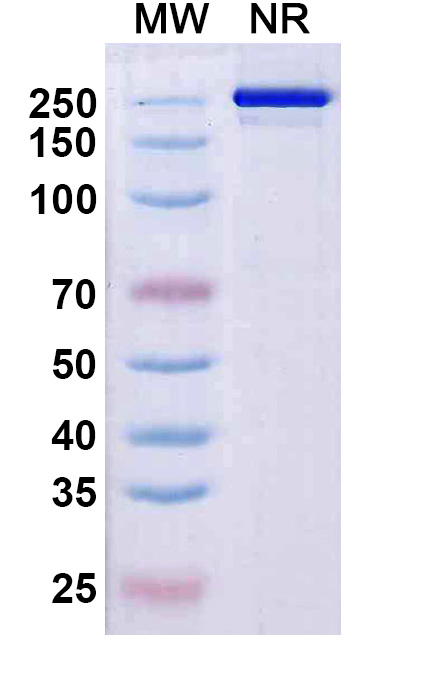
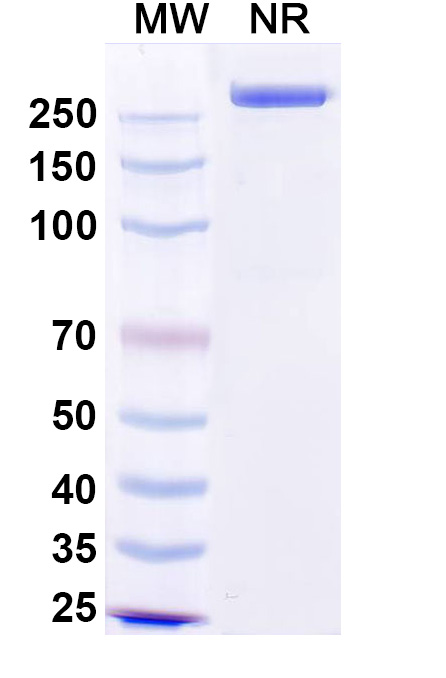
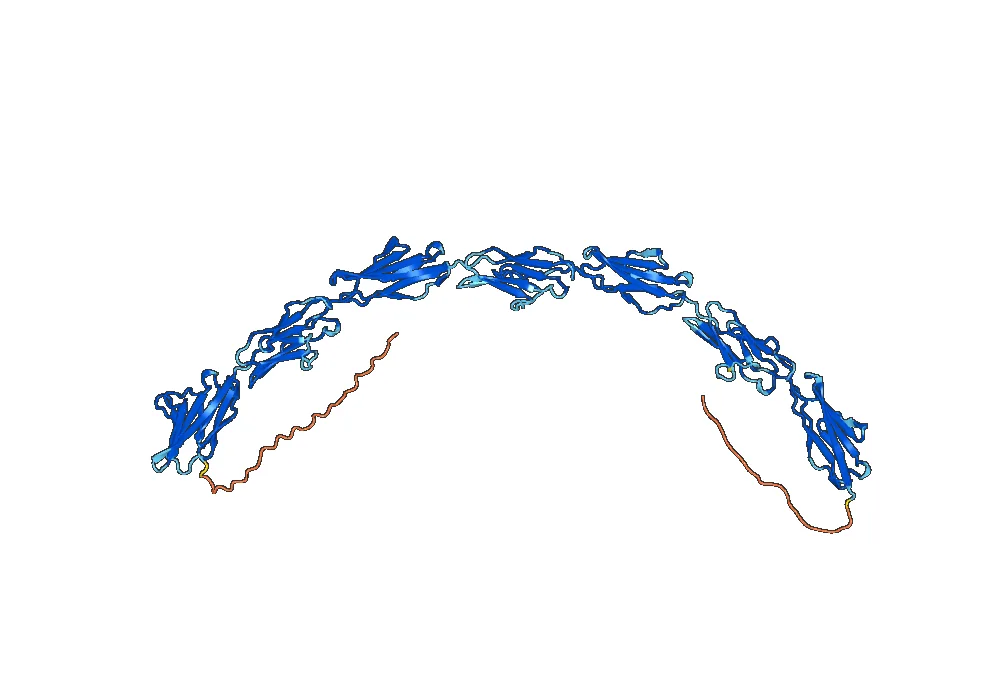
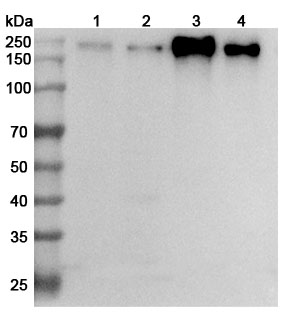
The structure of Precemtabart Biosimilar – Anti-Meconium antigen 100 mAb is similar to that of the original therapeutic antibody, Precemtabart. It is a monoclonal antibody, meaning it is produced from a single type of immune cell. This biosimilar is composed of two heavy chains and two light chains, which are connected by disulfide bonds. The variable regions of the antibody are responsible for binding to the Meconium antigen 100, while the constant regions determine the effector functions of the antibody.
Activity of Precemtabart Biosimilar – Anti-Meconium antigen 100 mAb
The main activity of Precemtabart Biosimilar – Anti-Meconium antigen 100 mAb is its ability to bind to the Meconium antigen 100. This antigen is expressed on the surface of certain cells, and its overexpression has been linked to various diseases, including cancer and autoimmune disorders. By binding to the Meconium antigen 100, this biosimilar can block its activity and potentially inhibit the progression of these diseases.
In addition to its binding activity, Precemtabart Biosimilar – Anti-Meconium antigen 100 mAb also has effector functions that can enhance its therapeutic effects. These include antibody-dependent cellular cytotoxicity (ADCC) and complement-dependent cytotoxicity (CDC). ADCC involves the recruitment of immune cells to target and kill cells expressing the Meconium antigen 100, while CDC involves the activation of the complement system to destroy these cells.
Applications of Precemtabart Biosimilar – Anti-Meconium antigen 100 mAb
The potential applications of Precemtabart Biosimilar – Anti-Meconium antigen 100 mAb are vast, as the Meconium antigen 100 has been implicated in a wide range of diseases. Some of the potential therapeutic areas where this biosimilar could be used include:
Cancer
The Meconium antigen 100 has been found to be overexpressed in various types of cancer, including breast, lung, and colon cancer. By targeting this antigen, Precemtabart Biosimilar – Anti-Meconium antigen 100 mAb could potentially be used as a treatment for these cancers, either alone or in combination with other therapies.
Autoimmune disorders
The Meconium antigen 100 has also been linked to autoimmune disorders, such as rheumatoid arthritis and multiple sclerosis. In these diseases, the overexpression of this antigen leads to abnormal immune responses that attack healthy tissues. By targeting the Meconium antigen 100, Precemtabart Biosimilar – Anti-Meconium antigen 100 mAb could potentially modulate these immune responses and provide relief for patients with these conditions.
Inflammatory diseases
Inflammation is a common feature of many diseases, and the Meconium antigen 100 has been shown to play a role in promoting inflammation. By blocking this antigen, Precemtabart Biosimilar – Anti-Meconium antigen 100 mAb could potentially reduce inflammation and alleviate symptoms in diseases such as asthma and inflammatory bowel disease.
Infectious diseases
The Meconium antigen 100 has also been identified as a potential therapeutic target in infectious diseases, such as HIV and malaria. By targeting this antigen, Precemtabart Biosimilar – Anti-Meconium antigen 100 mAb could potentially inhibit the entry

There are no reviews yet.