Introduction
Negalstobart Biosimilar – Anti-FDC mAb – Research Grade is a monoclonal antibody that specifically targets follicular dendritic cells (FDCs). FDCs are a type of immune cell found in the lymphoid tissues, such as lymph nodes and spleen, and are involved in the production of antibodies. This biosimilar antibody is designed to mimic the activity of the original Negalstobart antibody, providing researchers with a reliable and cost-effective tool for studying FDCs and their role in the immune system.
Structure of Negalstobart Biosimilar – Anti-FDC mAb
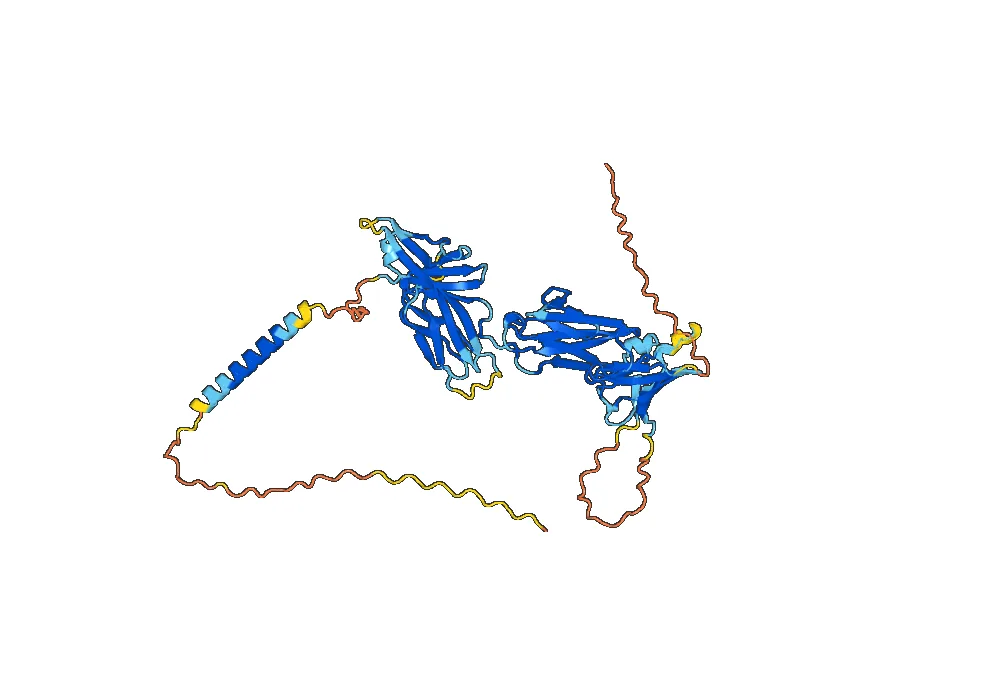
Negalstobart Biosimilar – Anti-FDC mAb is a recombinant monoclonal antibody that is produced in a laboratory using genetic engineering techniques. It is designed to have the same structure as the original Negalstobart antibody, which is a humanized IgG1 antibody. This means that it has a similar structure to the antibodies naturally produced by the human immune system, making it less likely to cause an immune response when used in research.
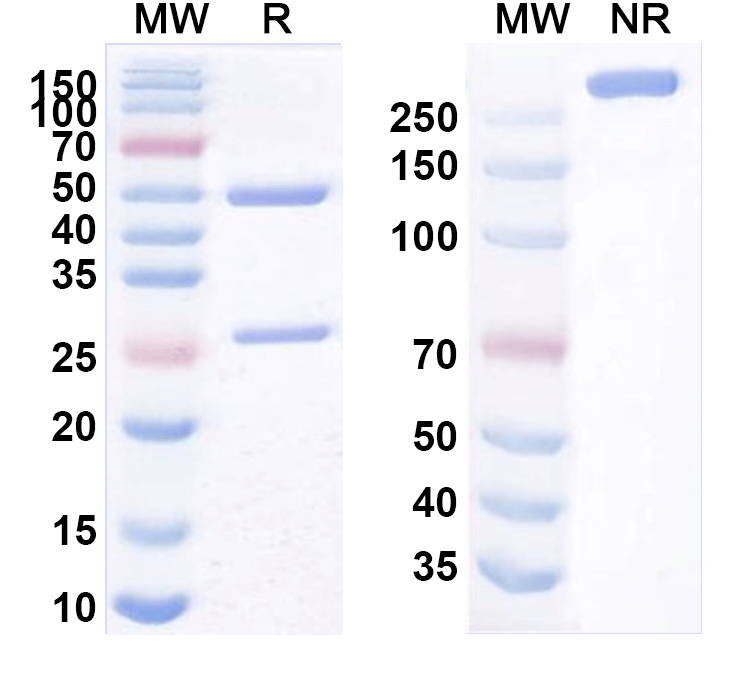
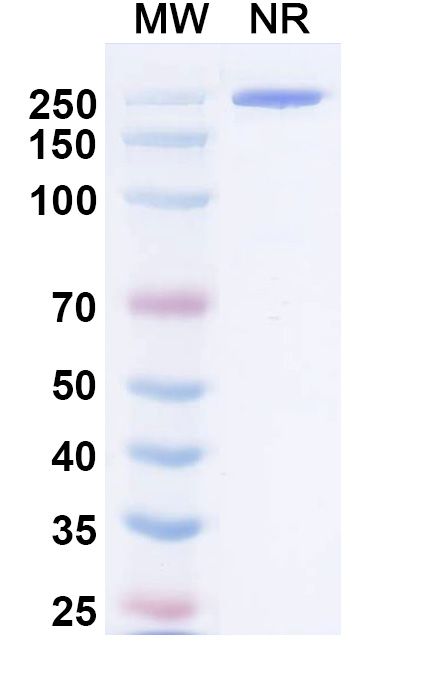
The antibody is composed of two heavy chains and two light chains, connected by disulfide bonds. The heavy chains contain a constant region and a variable region, while the light chains only have a variable region. The variable regions are responsible for binding to the specific target, in this case, FDCs.
Activity of Negalstobart Biosimilar – Anti-FDC mAb
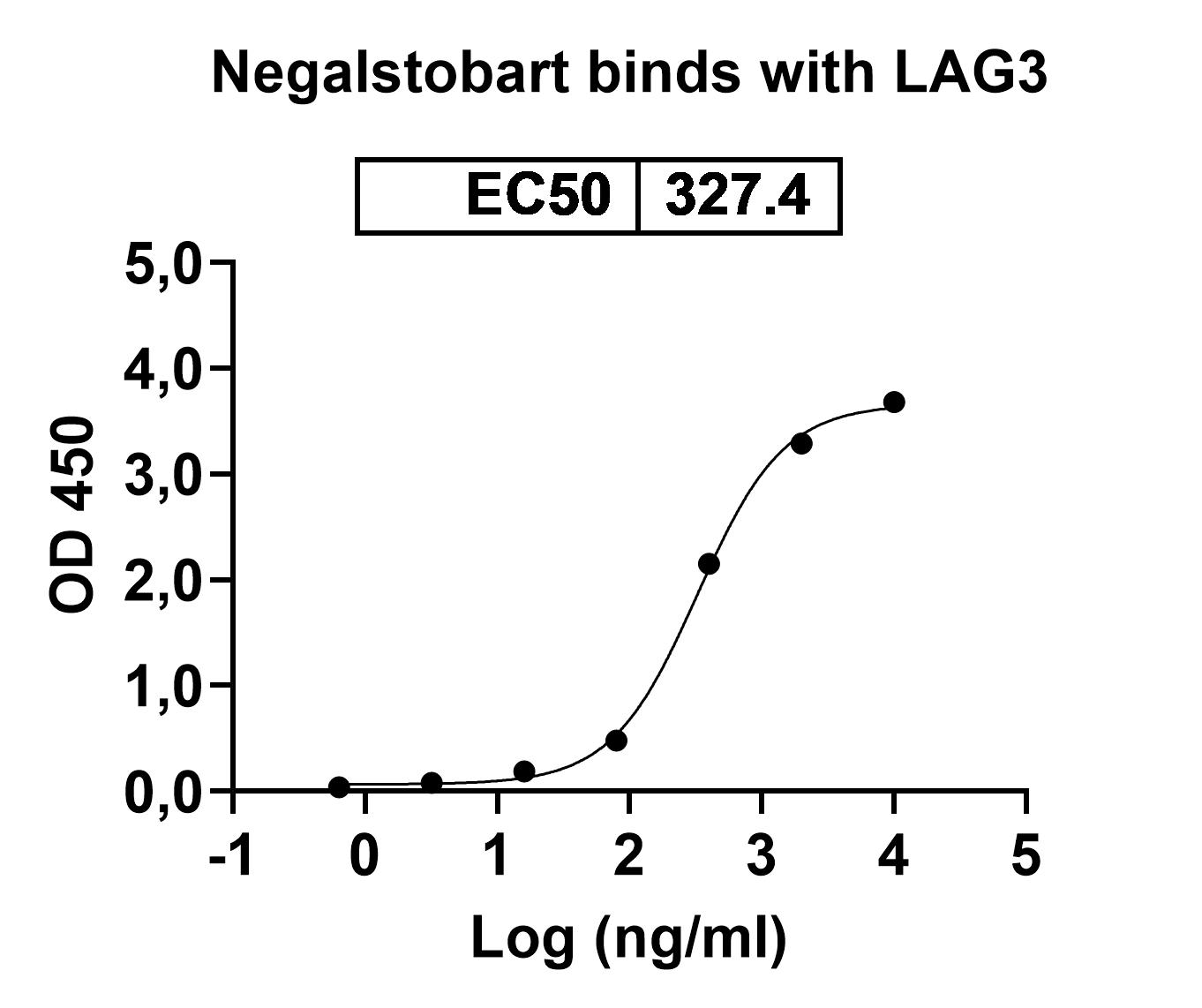
The primary activity of Negalstobart Biosimilar – Anti-FDC mAb is to bind to FDCs with high specificity and affinity. This means that it can recognize and attach to FDCs with a high degree of accuracy and strength. This binding activity can be used in research to detect and isolate FDCs from other types of cells in a sample.
In addition to binding to FDCs, this biosimilar antibody can also activate other components of the immune system, such as complement proteins and immune cells. This can lead to the destruction of FDCs and the clearance of immune complexes, which are important processes in maintaining a healthy immune system.
Application of Negalstobart Biosimilar – Anti-FDC mAb
Negalstobart Biosimilar – Anti-FDC mAb has a wide range of applications in both basic and clinical research. Some of the specific applications include:
- Studying the role of FDCs in the immune response: By binding to and activating FDCs, this antibody can be used to investigate the function of these cells in the immune system. This can help researchers better understand the mechanisms of immune responses and develop new treatments for immune-related diseases.
- Isolating FDCs for further analysis: The high specificity and affinity of this antibody make it an ideal tool for isolating FDCs from other cell types. This can be useful for studying the characteristics and behavior of FDCs in isolation.
- Diagnosing immune disorders: FDCs play a critical role in the development of certain immune disorders, such as autoimmune diseases and allergies. By targeting FDCs, this biosimilar antibody can be used as a diagnostic tool to detect and monitor these conditions.
- Therapeutic potential: The ability of Negalstobart Biosimilar – Anti-FDC mAb to activate the immune system can also be harnessed for therapeutic purposes. It has the potential to be used in the treatment of immune-related disorders, either alone or in combination with other therapies.
Conclusion
Negalstobart Biosimilar – Anti-FDC mAb – Research Grade is a valuable tool for studying FDCs and their role in the immune system. Its specific structure and activity make it a reliable and versatile antibody for a variety of research applications. With its potential for both basic and clinical research, this
There are no reviews yet.