Introduction
Pradusinstobart Biosimilar, also known as Anti-PD1 mAb, is a novel monoclonal antibody (mAb) that has shown promising results in the field of cancer immunotherapy. This biosimilar is a highly specific and potent therapeutic agent that targets the PD1 protein, a key player in immune regulation. In this article, we will delve into the structure, activity, and applications of Pradusinstobart Biosimilar in detail.
Structure of Pradusinstobart Biosimilar
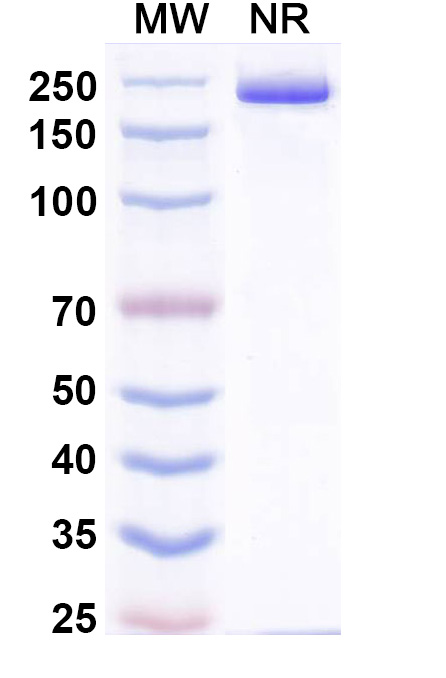
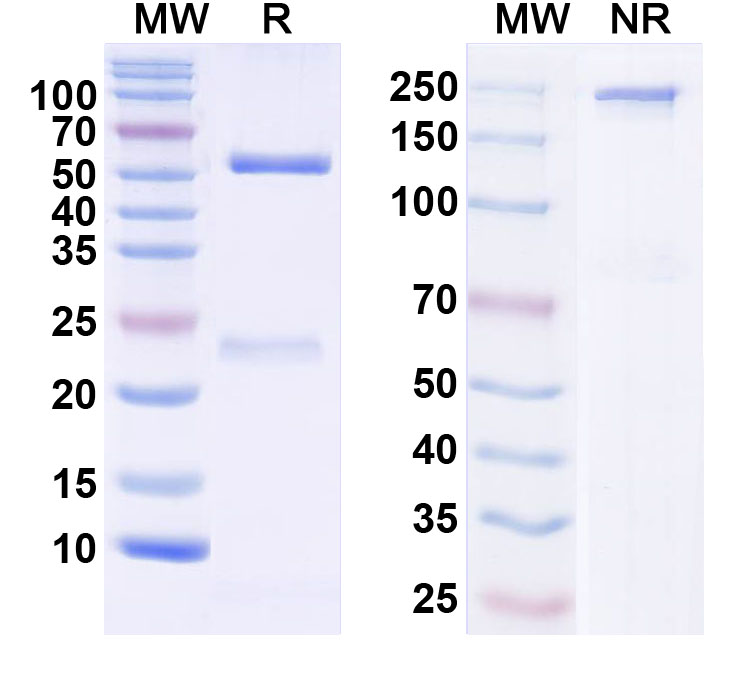
Pradusinstobart Biosimilar is a fully humanized IgG4 monoclonal antibody, meaning it is derived from human cells and has a four-chain structure. The heavy and light chains of the antibody are linked by disulfide bonds and form a Y-shaped structure. The variable regions of the antibody are responsible for binding to the PD1 protein, while the constant regions provide stability and effector functions.
Activity of Pradusinstobart Biosimilar
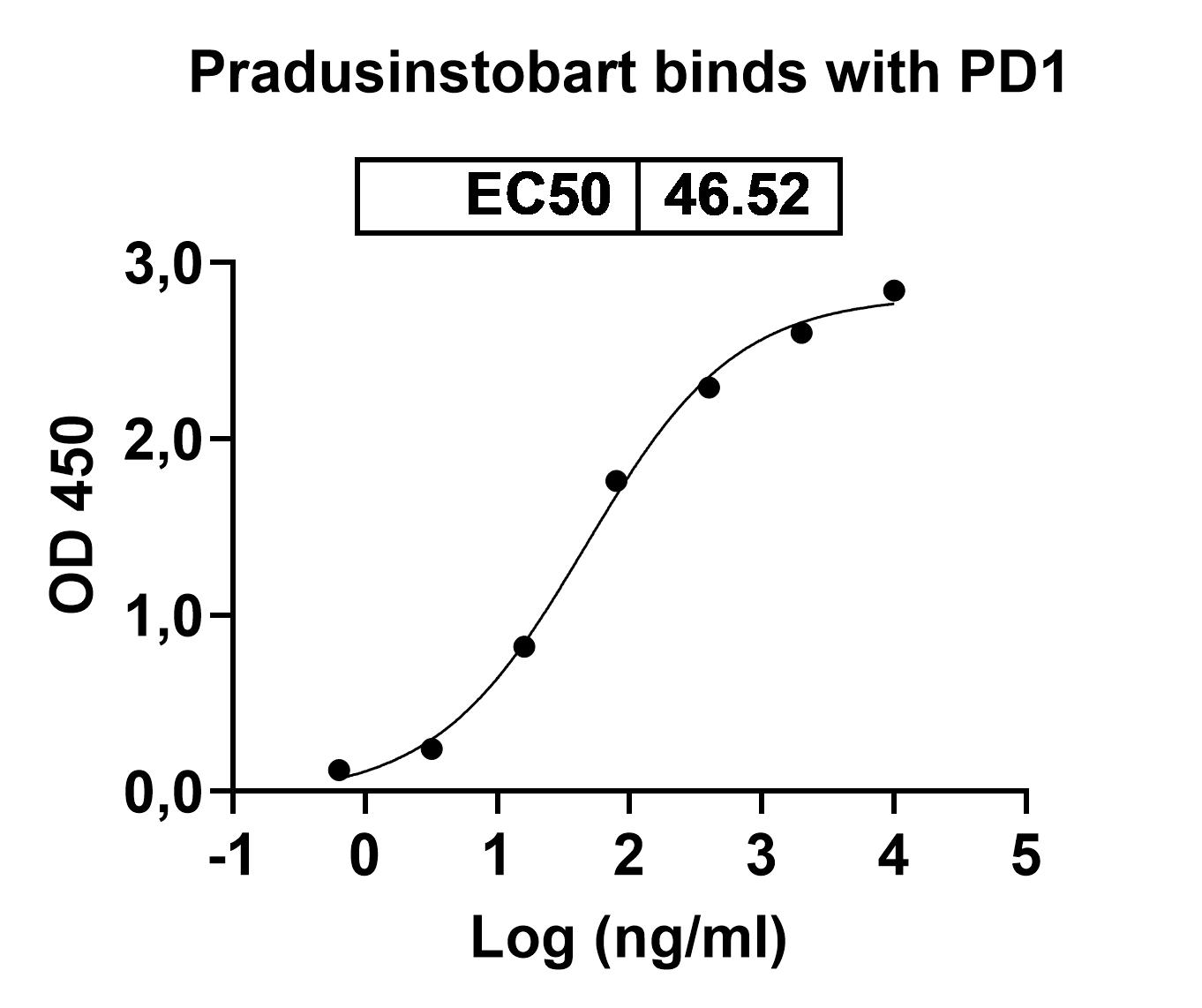
Pradusinstobart Biosimilar exerts its therapeutic effect by binding to the PD1 protein, which is expressed on the surface of T cells. PD1 is a negative regulator of T cell activation and plays a crucial role in maintaining immune tolerance. However, in cancer, the PD1 pathway is exploited by tumor cells to evade immune surveillance. By binding to PD1, Pradusinstobart Biosimilar blocks its interaction with its ligands, PD-L1 and PD-L2, and restores the activity of T cells. This leads to enhanced immune response against cancer cells and ultimately results in tumor regression.
Applications of Pradusinstobart Biosimilar
Pradusinstobart Biosimilar has shown promising results in the treatment of various types of cancer, including melanoma, non-small cell lung cancer, and renal cell carcinoma. It is usually administered as a single agent or in combination with other cancer therapies, such as chemotherapy or other immunotherapies. The biosimilar has also shown potential in the treatment of other diseases, such as autoimmune disorders and infectious diseases, where the PD1 pathway is dysregulated.
Anti-Tumor Activity
The primary application of Pradusinstobart Biosimilar is in cancer immunotherapy. Clinical trials have demonstrated its efficacy in improving overall survival and progression-free survival in patients with advanced melanoma and non-small cell lung cancer. It has also shown promising results in patients with renal cell carcinoma and other solid tumors.
Combination Therapy Pradusinstobart Biosimilar has been studied in combination with other
cancer therapies, such as chemotherapy and other immunotherapies, to enhance its anti-tumor activity. Studies have shown that combination therapy with Pradusinstobart Biosimilar and other immunotherapies, such as anti-CTLA4 antibodies, can lead to a synergistic effect and improved outcomes in patients with advanced melanoma.
Autoimmune Disorders
The PD1 pathway is also involved in the development of autoimmune disorders, where it plays a role in maintaining self-tolerance. Pradusinstobart Biosimilar has shown potential in the treatment of autoimmune diseases, such as rheumatoid arthritis and multiple sclerosis, by blocking the PD1 pathway and reducing autoimmunity.
Infectious Diseases
Pradusinstobart Biosimilar has also been studied in the treatment of infectious diseases, such as HIV and hepatitis B, where the PD1 pathway is involved in immune exhaustion and viral persistence. By targeting PD1, the biosimilar can potentially enhance the immune response against these viruses and aid in their clearance.
Conclusion
In conclusion, Pradusinstobart Biosimilar is a highly specific and potent therapeutic agent that targets the PD1 protein and has shown promising results in cancer immunotherapy. Its unique structure and mechanism of action make it a


There are no reviews yet.