The Structure and Function of Polatuzumab ELISA Kit: An Essential Tool for Antibody Research
Introduction
Polatuzumab is a monoclonal antibody that has gained significant attention in recent years due to its potential as a therapeutic target for various diseases, including cancer. To better understand the role of this antibody and its potential applications, the development of a Polatuzumab ELISA Kit has been crucial. This kit allows for the accurate and efficient detection of Polatuzumab in various samples, providing valuable insights into its structure, activity, and potential therapeutic applications.
Structure of Polatuzumab
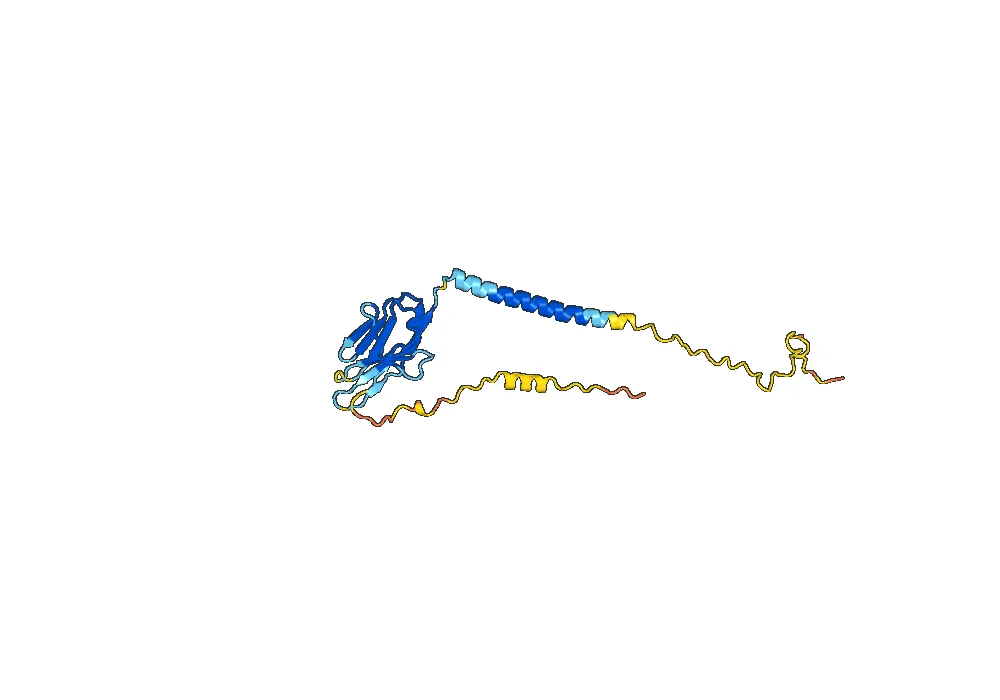
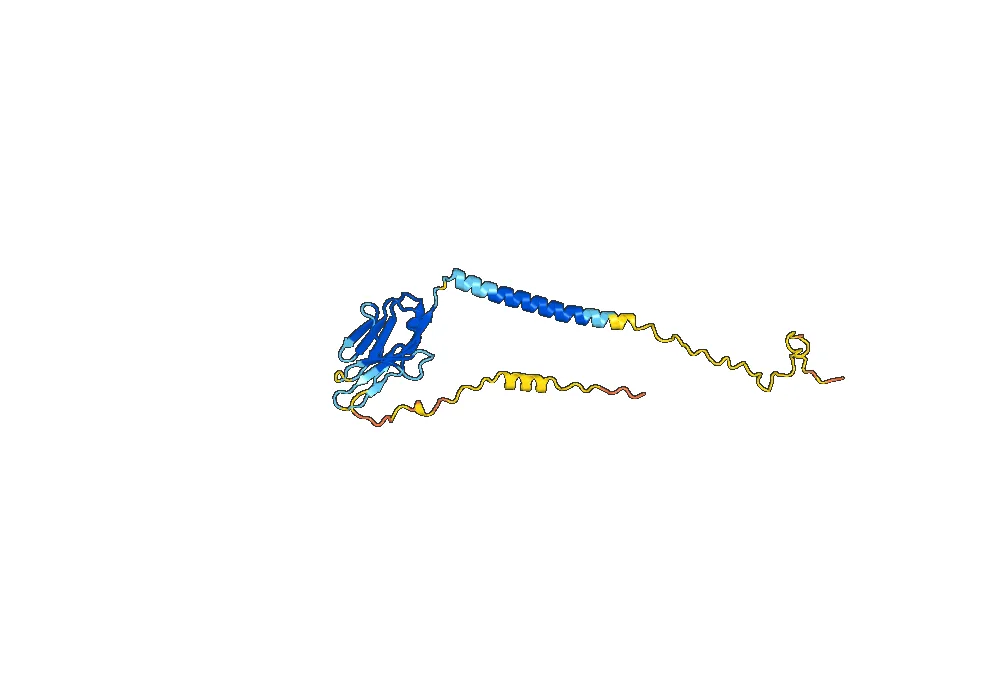
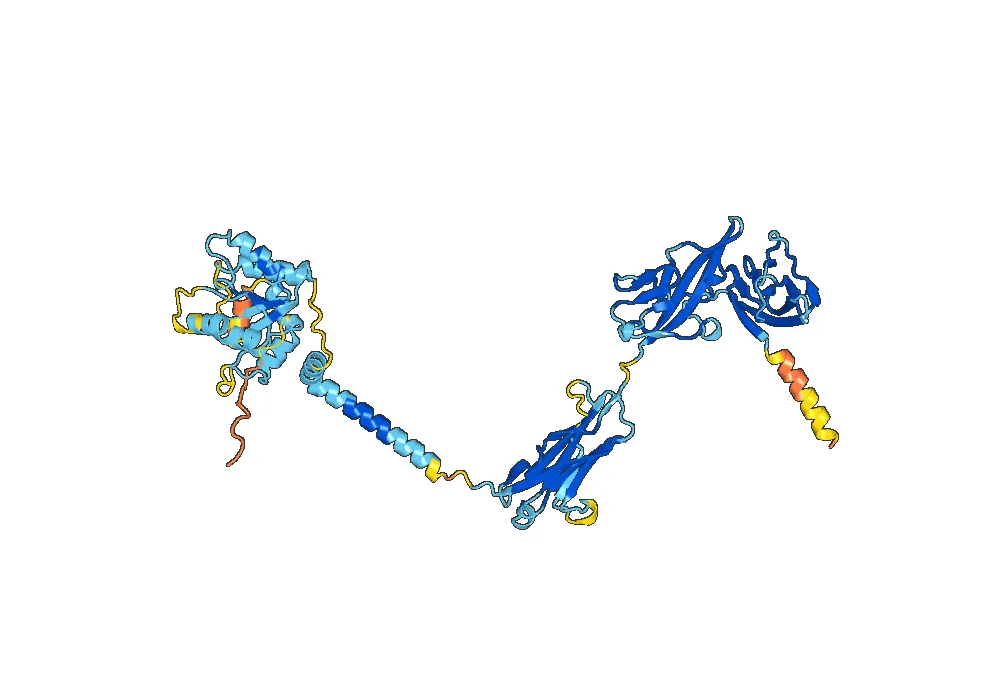
Polatuzumab is a humanized monoclonal antibody that targets CD79b, a protein that is highly expressed in B-cell malignancies. The antibody is composed of two heavy chains and two light chains, each with a unique amino acid sequence. The heavy chains contain a constant region and a variable region, while the light chains only have a variable region. These regions are responsible for the specificity of Polatuzumab and its ability to bind to CD79b.
The structure of Polatuzumab is also crucial for its function. The antibody has a Y-shaped structure, with the two heavy chains forming the arms and the two light chains forming the base. This structure allows Polatuzumab to bind to CD79b with high affinity and specificity, making it an effective therapeutic target.
Activity of Polatuzumab
The primary activity of Polatuzumab is its ability to bind to CD79b, a protein that is overexpressed in B-cell malignancies. By binding to CD79b, Polatuzumab can inhibit the growth and survival of cancer cells, making it a promising therapeutic agent for diseases such as non-Hodgkin lymphoma and chronic lymphocytic leukemia.
In addition to its direct binding activity, Polatuzumab also has the ability to induce antibody-dependent cellular cytotoxicity (ADCC) and complement-dependent cytotoxicity (CDC). These mechanisms involve the activation of immune cells, such as natural killer cells and macrophages, to target and destroy cancer cells that have been bound by Polatuzumab. This dual mechanism of action makes Polatuzumab a potent and effective therapeutic agent.
Application of Polatuzumab ELISA Kit
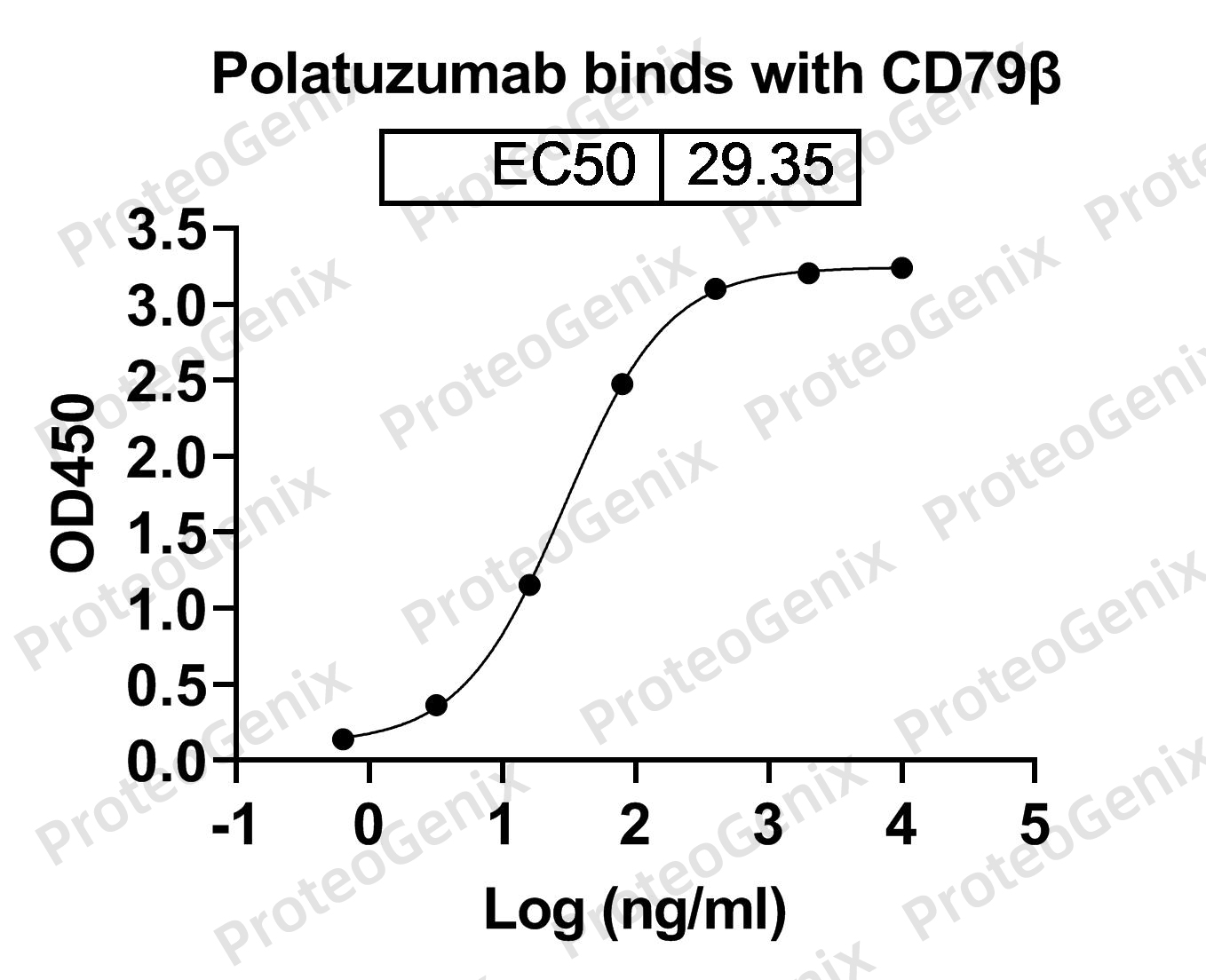
The development of a Polatuzumab ELISA Kit has been crucial for the research and development of this antibody. This kit allows for the accurate and efficient detection of Polatuzumab in various samples, including serum, plasma, and cell lysates. It provides researchers with valuable insights into the pharmacokinetics and pharmacodynamics of Polatuzumab, as well as its potential as a therapeutic agent.
The Polatuzumab ELISA Kit has also been used in clinical trials to monitor the levels of Polatuzumab in patients receiving treatment. This allows for the optimization of dosing and the evaluation of the efficacy of the antibody in different patient populations. Furthermore, the kit has been used in preclinical studies to assess the biodistribution and tissue penetration of Polatuzumab, providing valuable information for the development of new treatment strategies.
Conclusion
The development of a Polatuzumab ELISA Kit has been a significant advancement in the field of antibody research. It has allowed for a better understanding of the structure and function of Polatuzumab, as well as its potential as a therapeutic target. With its high specificity and dual mechanism of action, Polatuzumab shows great promise as a treatment for various diseases, and the Polatuzumab ELISA Kit will continue to play a crucial role in its development and application.


There are no reviews yet.