Introduction
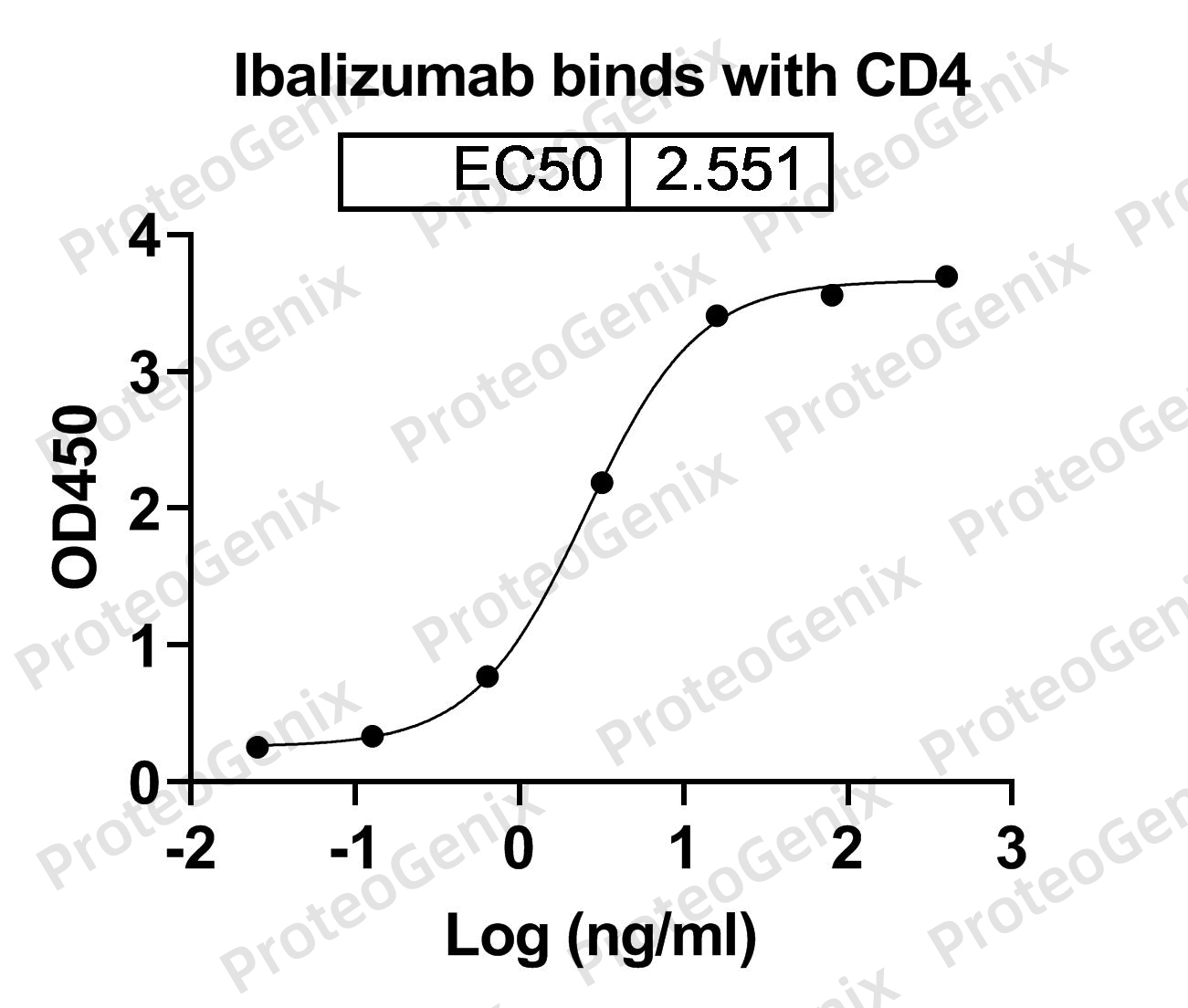
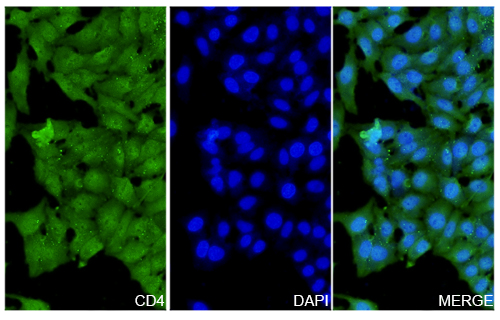
Ibalizumab Biosimilar, also known as Anti-CD4 D3 domain mAb, is a monoclonal antibody that targets the CD4 receptor on immune cells. This biosimilar is currently being developed as a potential therapeutic option for various diseases, particularly HIV/AIDS. In this article, we will explore the structure, activity, and potential applications of Ibalizumab Biosimilar in the field of medicine.
Structure of Ibalizumab Biosimilar
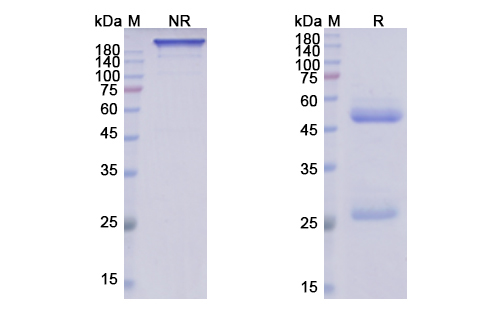
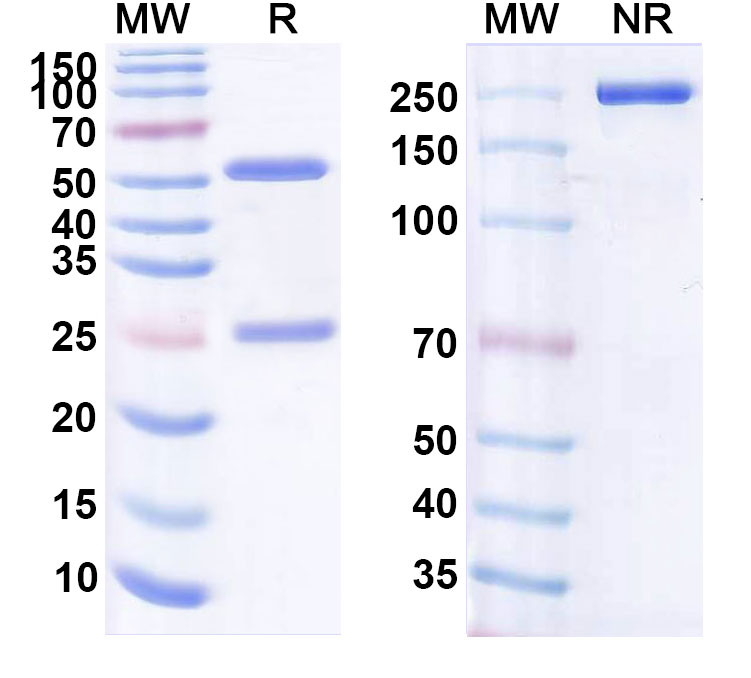
Ibalizumab Biosimilar is a recombinant humanized IgG4 monoclonal antibody. It is composed of two heavy chains and two light chains, each containing a variable region and a constant region. The variable region of Ibalizumab Biosimilar is responsible for binding to the CD4 receptor, while the constant region determines the antibody’s effector functions.
Activity of Ibalizumab Biosimilar
The primary function of Ibalizumab Biosimilar is to inhibit the interaction between the CD4 receptor and the HIV envelope protein, gp120. This interaction is essential for HIV to enter and infect immune cells. By blocking this interaction, Ibalizumab Biosimilar prevents HIV from replicating and spreading, thereby reducing the viral load in the body.
Additionally, Ibalizumab Biosimilar has been shown to have a unique mechanism of action compared to other anti-HIV drugs. It binds to a different site on the CD4 receptor, known as the D3 domain, which is not targeted by other HIV therapies. This makes Ibalizumab Biosimilar a potential option for patients who have developed resistance to other anti-HIV drugs.
Applications of Ibalizumab Biosimilar
Ibalizumab Biosimilar is currently being studied as a potential treatment for HIV/AIDS. It has shown promising results in clinical trials, with some patients achieving undetectable viral loads after treatment with Ibalizumab Biosimilar. This makes it a potential option for patients who have failed to respond to other anti-HIV therapies.
Apart from HIV, Ibalizumab Biosimilar has also shown potential in the treatment of other diseases. It has been studied in animal models for its potential use in autoimmune diseases, such as rheumatoid arthritis and multiple sclerosis. Additionally, Ibalizumab Biosimilar has also been investigated for its potential to prevent organ rejection in transplant patients.
Research Grade Ibalizumab Biosimilar
Ibalizumab Biosimilar is currently in the research grade stage, which means it is being studied and evaluated for its safety and efficacy in treating diseases. This is a crucial step in the development of any new drug, as it helps to determine the appropriate dosage, potential side effects, and overall effectiveness of the medication.
Conclusion
In conclusion, Ibalizumab Biosimilar is a promising monoclonal antibody that targets the CD4 receptor and has shown potential in the treatment of HIV/AIDS and other diseases. Its unique mechanism of action and potential for use in patients who have developed resistance to other drugs make it a valuable addition to the current arsenal of anti-HIV therapies. As research on Ibalizumab Biosimilar continues, it may prove to be a valuable therapeutic option for various diseases, providing hope for patients and healthcare providers alike.

There are no reviews yet.