Iratumumab Biosimilar – Anti-TNFRSF8, CD30 mAb – Research Grade: A Potent Antibody Targeting CD30 for Therapeutic Applications
Introduction
Iratumumab Biosimilar – Anti-TNFRSF8, CD30 mAb – Research Grade is a promising monoclonal antibody (mAb) that specifically targets CD30, a member of the tumor necrosis factor receptor (TNFR) superfamily. This biosimilar is a highly effective and safe therapeutic option for treating CD30-positive malignancies, such as Hodgkin’s lymphoma and anaplastic large cell lymphoma. In this article, we will delve into the structure, activity, and potential applications of Iratumumab Biosimilar, highlighting its potential as a valuable tool in the fight against cancer.
Structure of Iratumumab Biosimilar
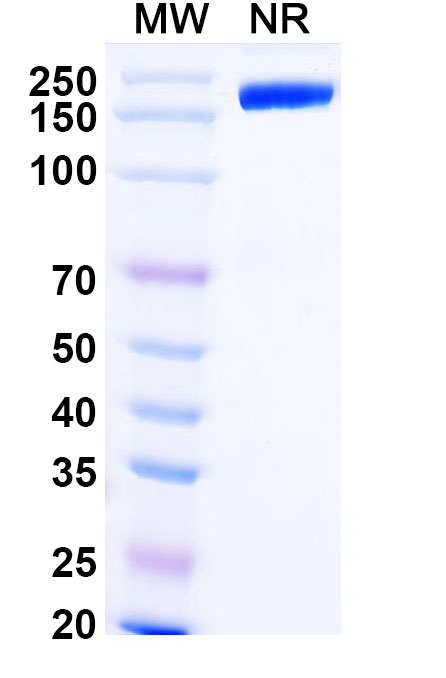
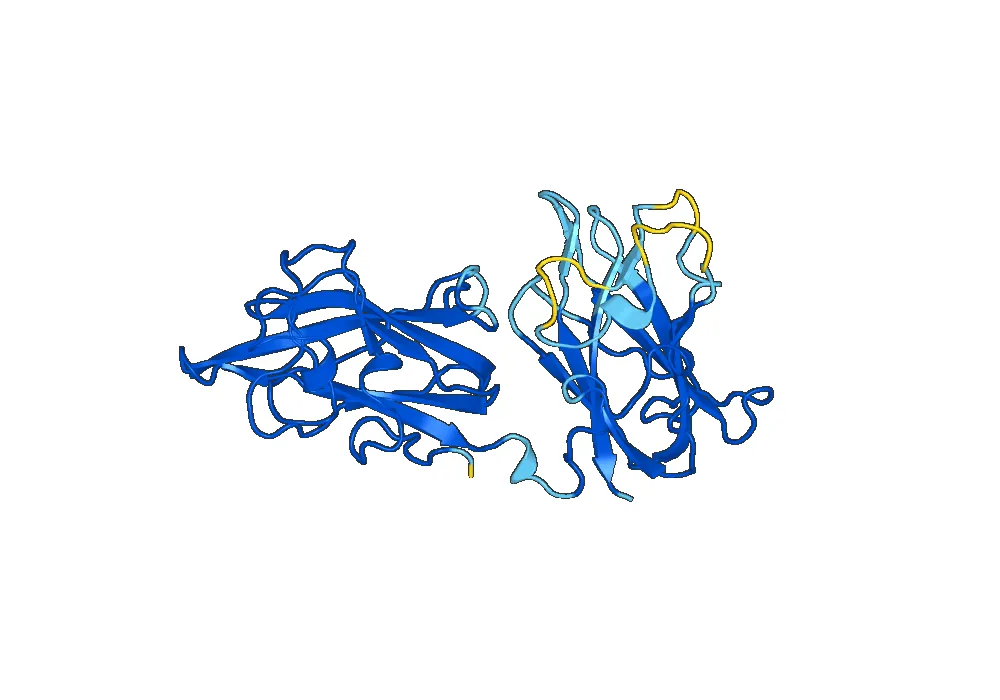
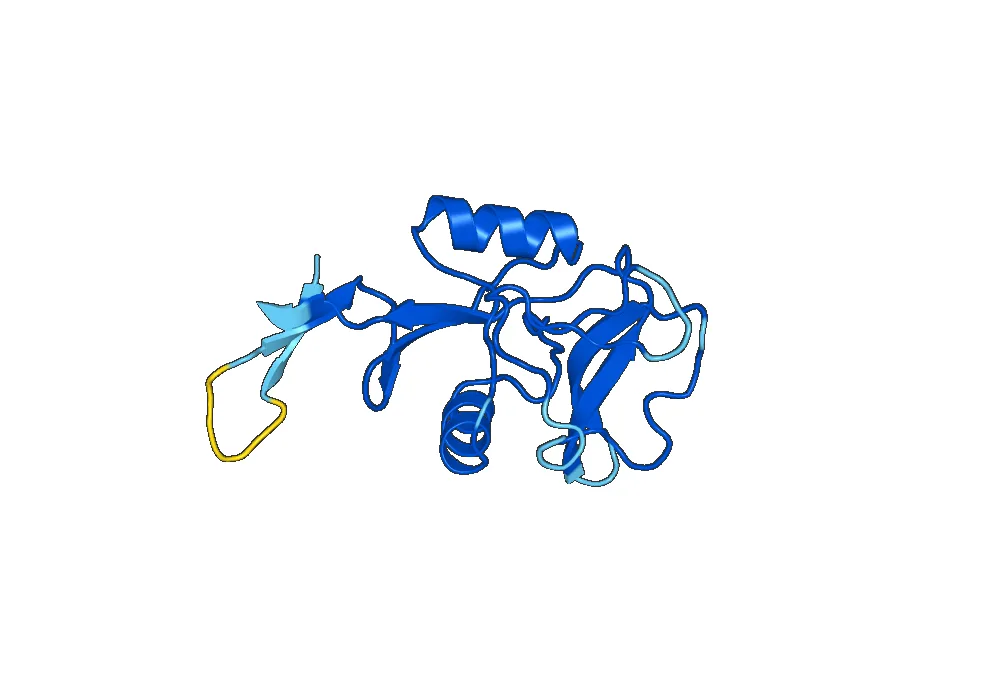
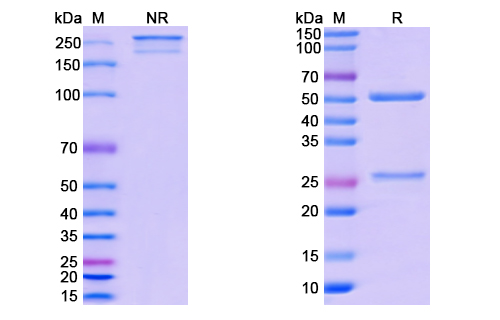
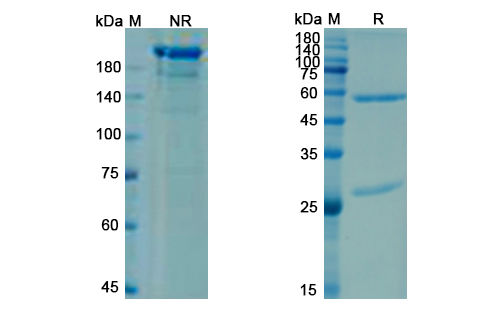
Iratumumab Biosimilar is a recombinant, chimeric IgG1 mAb composed of human and murine antibody sequences. It consists of two heavy chains and two light chains, each containing a variable and constant region. The variable region is responsible for binding to CD30, while the constant region determines the antibody’s effector functions. The mAb has a molecular weight of approximately 150 kDa and a half-life of 21 days, making it suitable for therapeutic use.
Activity of Iratumumab Biosimilar
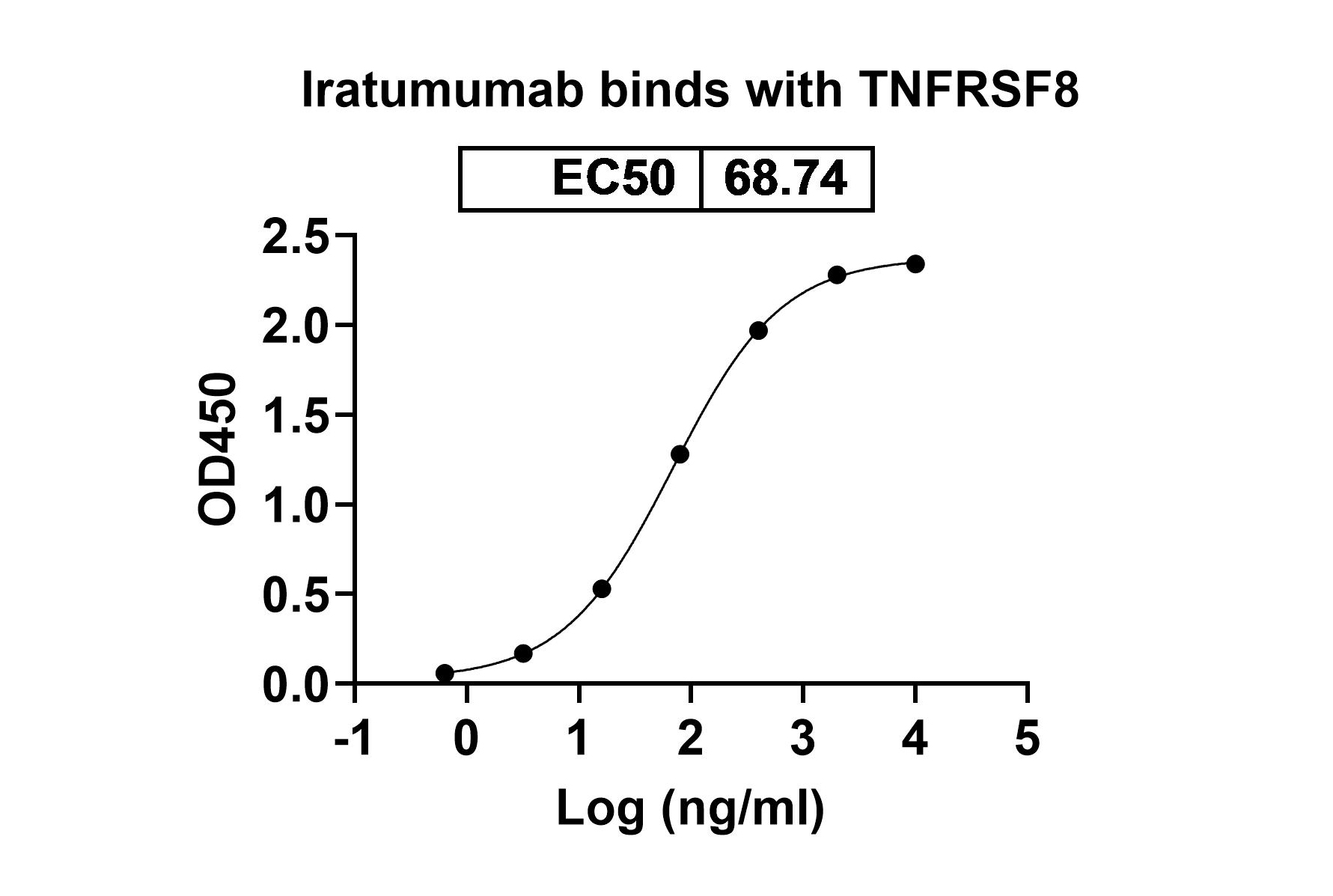
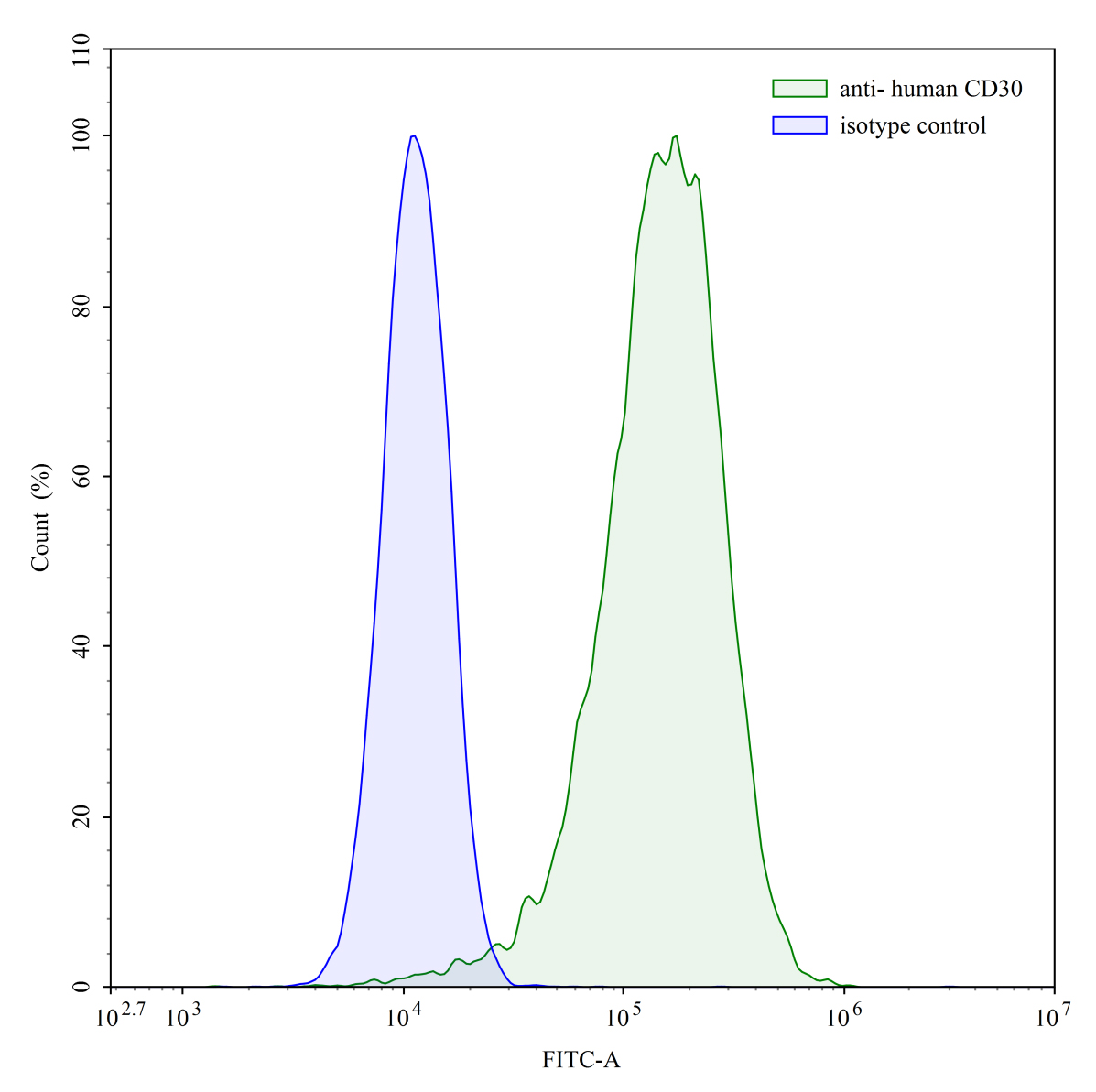
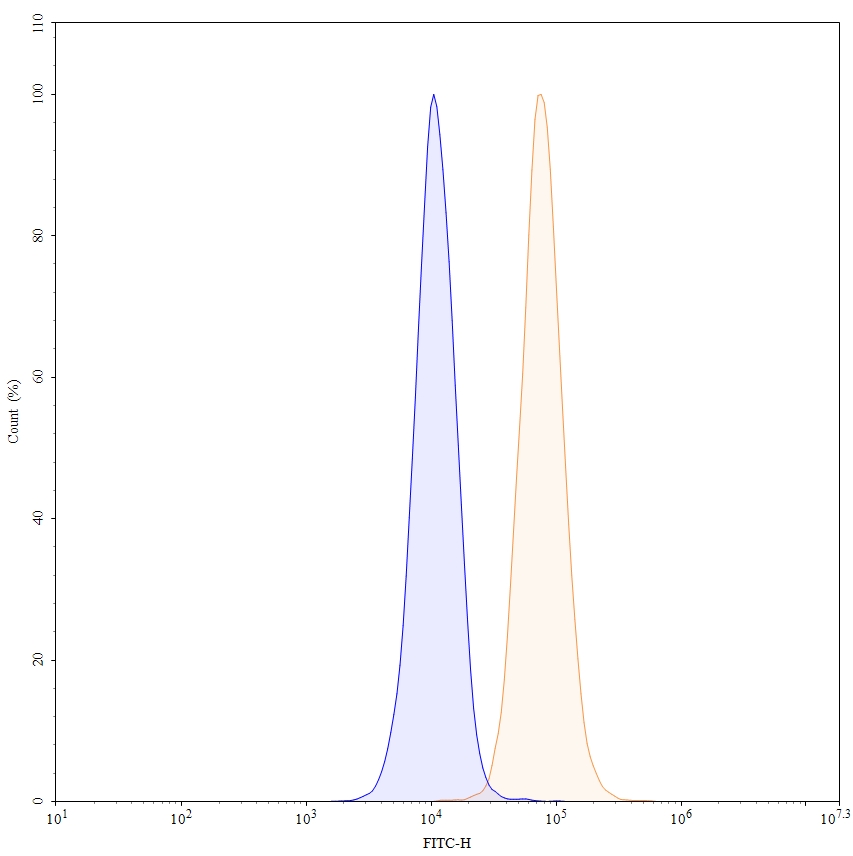
CD30 is a cell surface protein that is highly expressed on the surface of malignant cells in various lymphomas and leukemias. It is also present on activated T and B cells, making it an attractive target for cancer therapy. Iratumumab Biosimilar specifically binds to CD30, leading to its internalization and subsequent cell death through various mechanisms, including antibody-dependent cellular cytotoxicity (ADCC) and complement-dependent cytotoxicity (CDC). This targeted approach minimizes off-target effects and enhances the overall efficacy of the treatment.
Potential Applications of Iratumumab Biosimilar
Hodgkin’s lymphoma and anaplastic large cell lymphoma (ALCL) are two types of malignancies that highly express CD30. These diseases are associated with poor prognosis and limited treatment options, making Iratumumab Biosimilar a much-needed therapeutic option. Clinical trials have shown promising results, with a high response rate and manageable side effects in patients with relapsed or refractory CD30-positive lymphomas. Furthermore, the biosimilar has also shown potential in combination with other chemotherapeutic agents, further improving treatment outcomes.
In addition to its potential in lymphomas, Iratumumab Biosimilar has also shown promise in the treatment of other CD30-positive malignancies, such as cutaneous T-cell lymphoma and primary mediastinal B-cell lymphoma. The mAb has also been investigated for its potential in the prevention of relapse in patients undergoing stem cell transplantation for Hodgkin’s lymphoma. These studies have demonstrated the potential of Iratumumab Biosimilar as a versatile therapeutic agent in various CD30-positive cancers.
Conclusion
Iratumumab Biosimilar – Anti-TNFRSF8, CD30 mAb – Research Grade is a highly effective and safe therapeutic option for treating CD30-positive malignancies. Its specific binding to CD30 and subsequent cell death make it a potent tool in the fight against cancer. With its promising results in clinical trials and potential applications in various CD30-positive cancers, this biosimilar has the potential to improve treatment outcomes and enhance the quality of life for patients. Further research and development in this field will undoubtedly uncover more potential applications for Iratumumab Biosimilar, making it an invaluable asset in the field of cancer therapy.
There are no reviews yet.