Introduction
Roconkibart Biosimilar is a research grade anti-CTLA-8 monoclonal antibody (mAb) that has shown promising results in pre-clinical studies as a potential therapeutic agent. In this article, we will discuss the structure, activity, and potential applications of this novel antibody.
Structure of Roconkibart Biosimilar
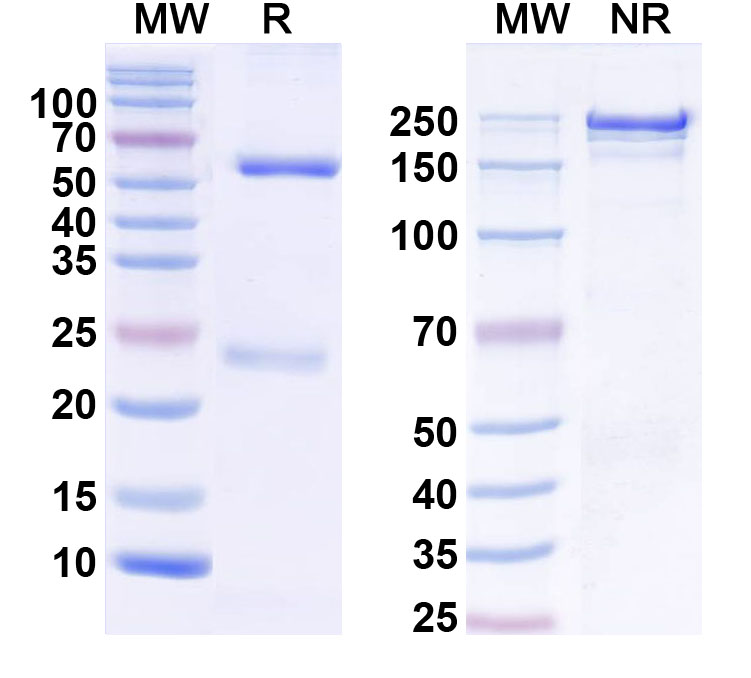
Roconkibart Biosimilar is a recombinant, humanized IgG1 monoclonal antibody that specifically targets the CTLA-8 protein. The antibody is composed of two heavy chains and two light chains, each containing a variable region and a constant region. The variable regions are responsible for binding to the target protein, while the constant regions determine the antibody’s effector functions.
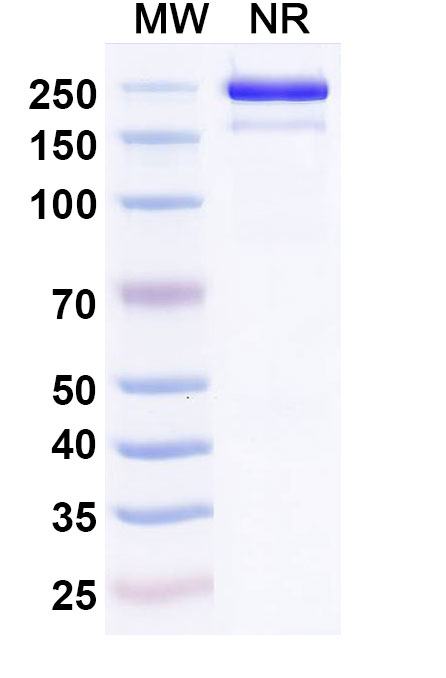
The antibody has a molecular weight of approximately 150 kDa and a half-life of 21 days. It is stable at room temperature and can be stored for long periods without losing its activity.
Activity of Roconkibart Biosimilar
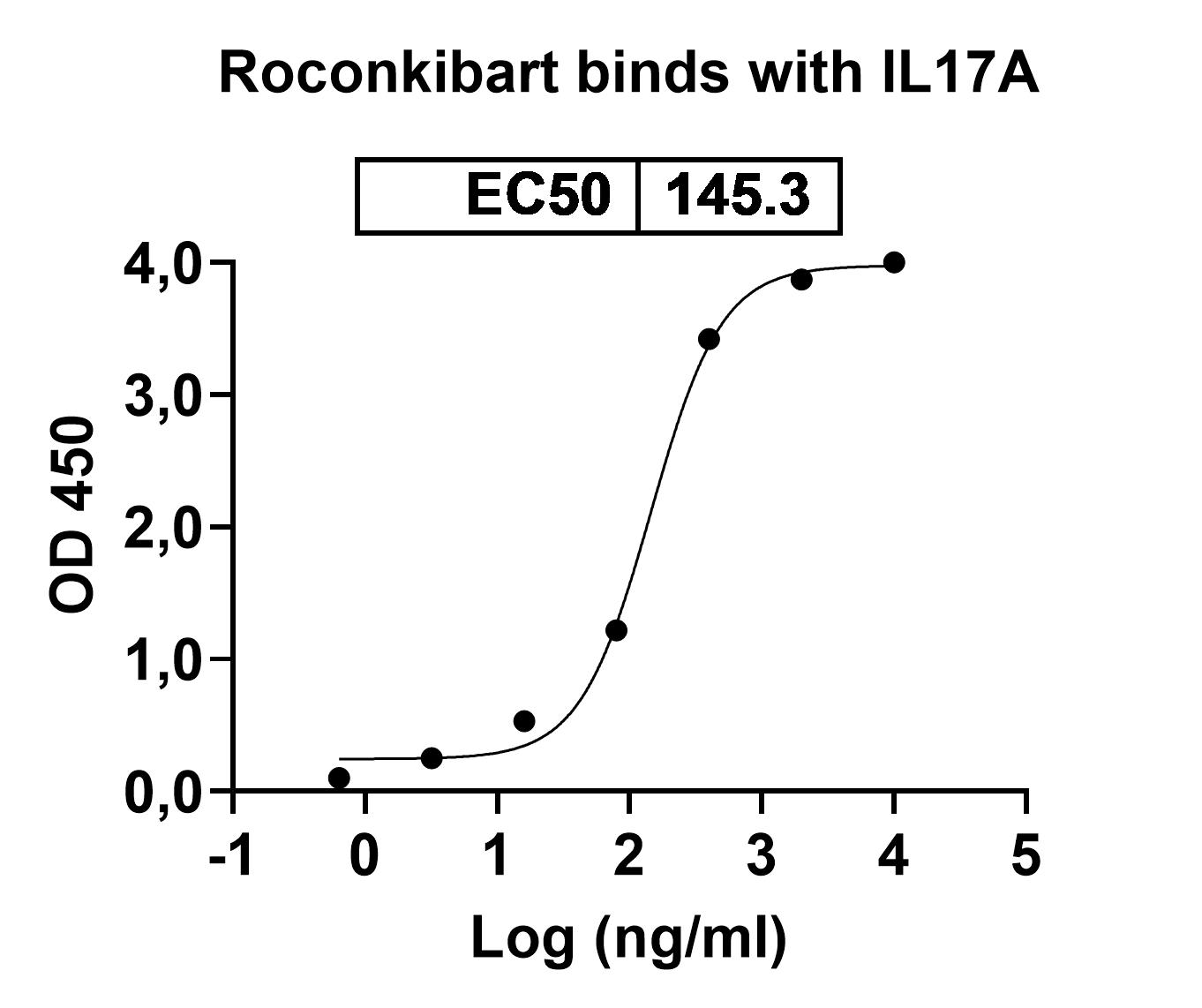
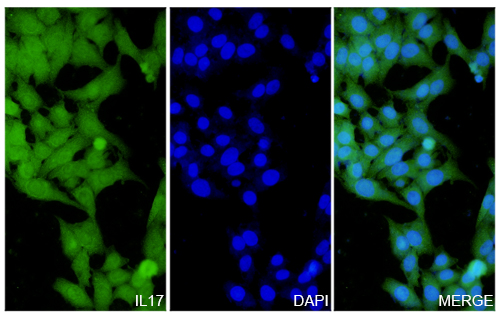
Roconkibart Biosimilar binds to CTLA-8 with high affinity and specificity, inhibiting its activity. CTLA-8 is a protein found on the surface of T cells and plays a crucial role in regulating the immune response. By binding to CTLA-8, Roconkibart Biosimilar prevents its interaction with its receptor, CD28, leading to the suppression of T cell activation.
This mechanism of action makes Roconkibart Biosimilar a potential immunosuppressive agent, which can be beneficial in various autoimmune diseases and transplant rejection. Additionally, by inhibiting CTLA-8, the antibody may also enhance anti-tumor immune responses, making it a promising candidate for cancer immunotherapy.
Applications of Roconkibart Biosimilar
Roconkibart Biosimilar is currently being evaluated in pre-clinical studies for its potential therapeutic applications. Some of the diseases that may benefit from this antibody include:
Autoimmune diseases Autoimmune diseases are characterized by an overactive immune response against the body’s own tissues. By inhibiting CTLA-8, Roconkibart Biosimilar can potentially suppress this response and provide relief to patients suffering from diseases like rheumatoid arthritis, multiple sclerosis, and lupus.
Transplant rejection
Organ transplantation is a life-saving procedure, but it comes with the risk of rejection by the recipient’s immune system. Roconkibart Biosimilar may be used in combination with other immunosuppressive drugs to prevent transplant rejection and improve the success rate of these procedures.
Cancer immunotherapy
The ability of Roconkibart Biosimilar to enhance anti-tumor immune responses makes it a promising candidate for cancer immunotherapy. By inhibiting CTLA-8, the antibody can potentially activate T cells and improve their ability to recognize and destroy cancer cells.
Inflammatory diseases
Inflammatory diseases, such as psoriasis and Crohn’s disease, are characterized by chronic inflammation in various tissues. Roconkibart Biosimilar may be used to suppress the immune response and reduce inflammation in these diseases, providing relief to patients.
Conclusion
In summary, Roconkibart Biosimilar is a research grade anti-CTLA-8 monoclonal antibody with a specific structure and mechanism of action. Its potential applications in various diseases make it a promising candidate for further research and development. With ongoing pre-clinical studies, we hope to see this novel antibody being used as a therapeutic agent in the near future.
There are no reviews yet.