Introduction:
Verekitug Biosimilar – Anti-Cytokine receptor-like 2 mAb – Research Grade is a novel therapeutic antibody that has been developed for the treatment of various inflammatory and autoimmune diseases. This biosimilar antibody is a potent inhibitor of cytokine receptor-like 2 (CRL2) and has shown promising results in preclinical studies. In this article, we will discuss the structure, activity, and potential applications of this antibody in detail.
Structure of Verekitug Biosimilar:
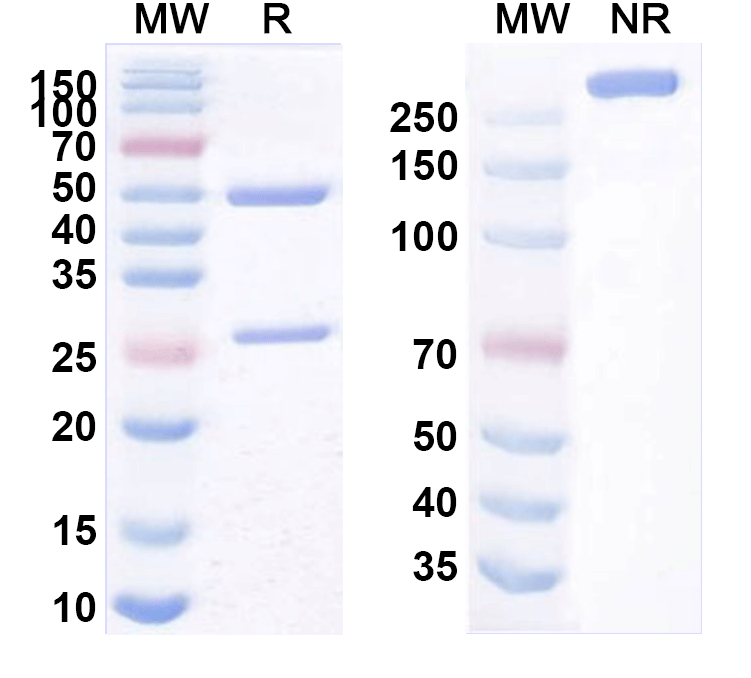
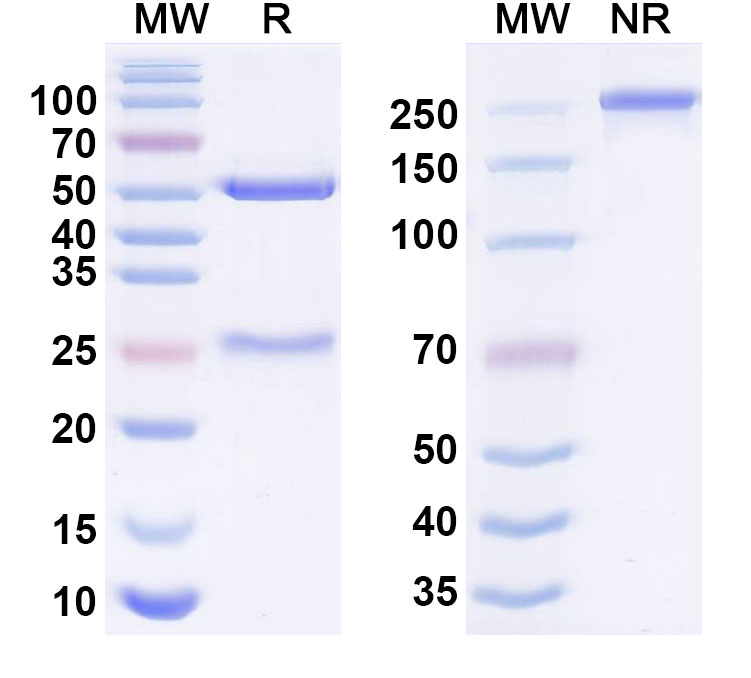
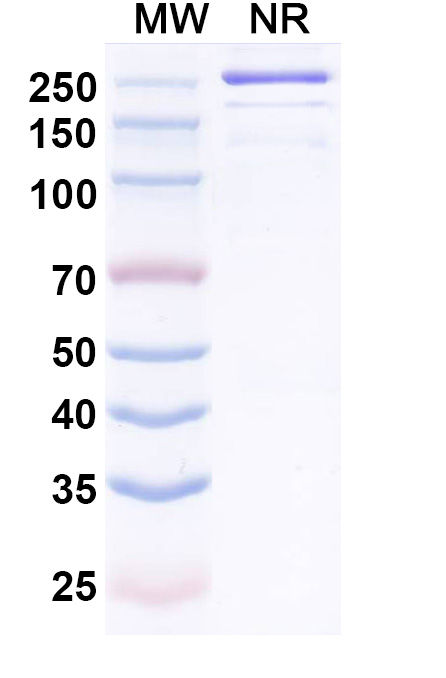
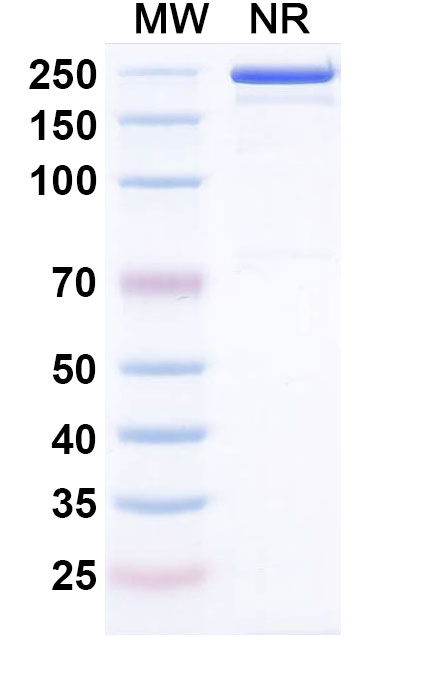
Verekitug Biosimilar is a monoclonal antibody (mAb) that is produced by recombinant DNA technology. It is a fully humanized antibody, meaning that it is derived from human cells and has a structure similar to natural human antibodies. The antibody consists of two heavy chains and two light chains, linked together by disulfide bonds. The heavy chains are composed of constant and variable regions, while the light chains contain only variable regions. The variable regions of the antibody are responsible for binding to the target molecule, CRL2.
Activity of Verekitug Biosimilar:
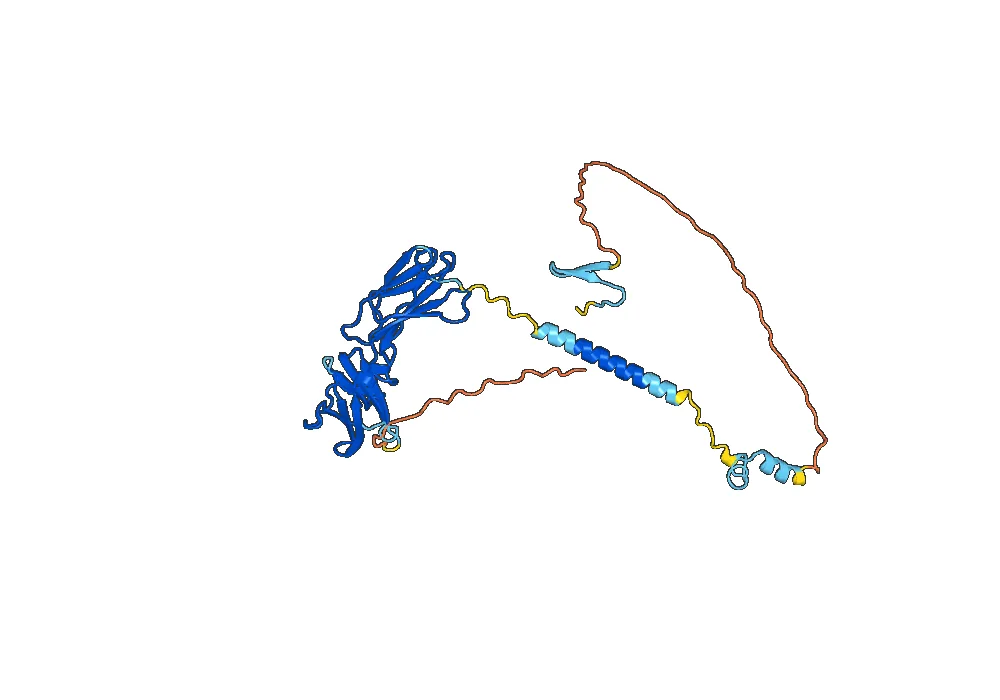
Cytokine receptor-like 2 (CRL2) is a transmembrane protein that is expressed on the surface of various immune cells. It plays a crucial role in the regulation of inflammatory responses and has been implicated in the pathogenesis of several autoimmune diseases. Verekitug Biosimilar specifically targets and binds to CRL2, inhibiting its activity and preventing the downstream signaling pathways involved in inflammation. This leads to a reduction in the production of pro-inflammatory cytokines, such as interleukin-6 (IL-6) and tumor necrosis factor-alpha (TNF-α), thereby suppressing the inflammatory response.
Potential Applications of Verekitug Biosimilar:
Verekitug Biosimilar has shown promising results in preclinical studies for the treatment of various inflammatory and autoimmune diseases, including rheumatoid arthritis, psoriasis, and inflammatory bowel disease. In a mouse model of rheumatoid arthritis, treatment with this antibody significantly reduced joint inflammation and bone destruction. Similarly, in a mouse model of psoriasis, Verekitug Biosimilar inhibited the production of pro-inflammatory cytokines and improved the skin lesions. These results suggest that this antibody has the potential to be an effective treatment for these diseases.
Furthermore, CRL2 has been found to be overexpressed in certain types of cancer, such as breast cancer and melanoma. It has been shown to promote tumor growth and metastasis by inducing angiogenesis and suppressing anti-tumor immune responses. Therefore, Verekitug Biosimilar may also have potential applications in the treatment of cancer. In fact, a phase I clinical trial is currently underway to evaluate the safety and efficacy of this antibody in patients with advanced solid tumors.
Conclusion:
In summary, Verekitug Biosimilar – Anti-Cytokine receptor-like 2 mAb – Research Grade is a novel therapeutic antibody that specifically targets CRL2 and inhibits its activity. It has shown promising results in preclinical studies for the treatment of various inflammatory and autoimmune diseases, as well as potential applications in cancer treatment. With ongoing clinical trials, this biosimilar antibody has the potential to become a valuable addition to the arsenal of treatments for these diseases.

There are no reviews yet.