Naptumomab Estafenatox Biosimilar: A Promising Antibody for Targeting TPBG Introduction
Naptumomab Estafenatox Biosimilar, also known as Anti-TPBG mAb, is a monoclonal antibody (mAb) that has shown great potential in targeting TPBG (trophoblast glycoprotein) for therapeutic purposes. This biosimilar is a research grade version of the original drug, which has been approved for clinical use in certain countries. In this article, we will explore the structure, activity, and potential applications of Naptumomab Estafenatox Biosimilar in more detail.
Structure of Naptumomab Estafenatox Biosimilar
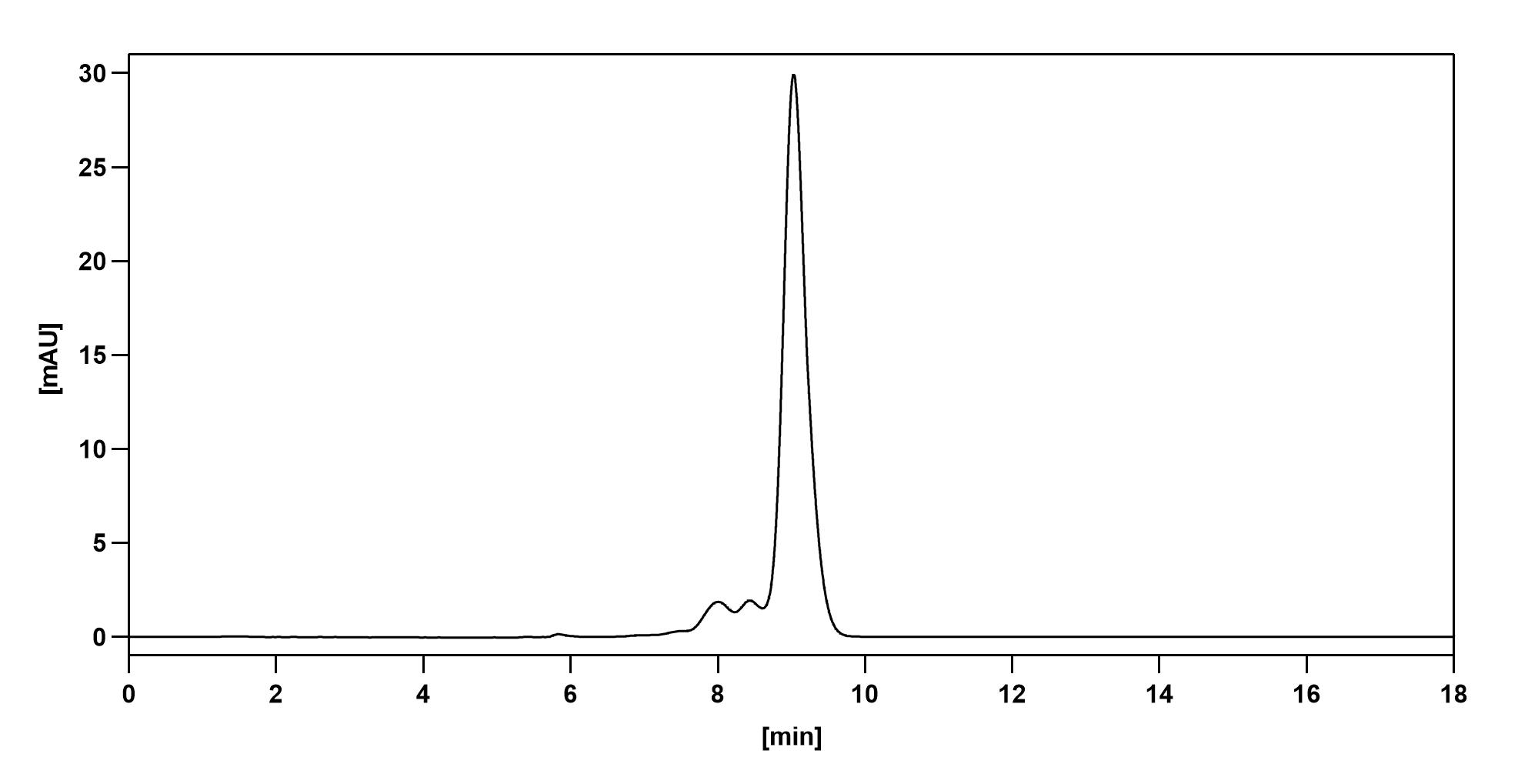
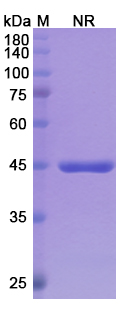
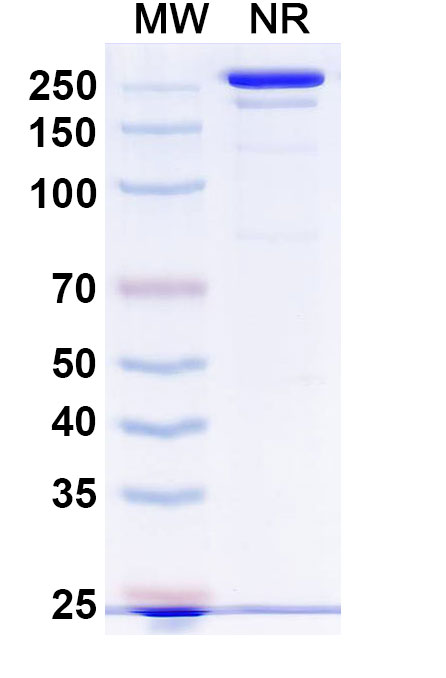
Naptumomab Estafenatox Biosimilar is a recombinant humanized IgG1 mAb, meaning it is made from human and non-human components. It is produced through genetic engineering techniques, where the gene for the antibody is inserted into a host cell, such as Chinese hamster ovary (CHO) cells, to produce large quantities of the antibody. The resulting mAb has a molecular weight of approximately 150 kDa and consists of two heavy chains and two light chains, connected by disulfide bonds.
Activity of Naptumomab Estafenatox Biosimilar
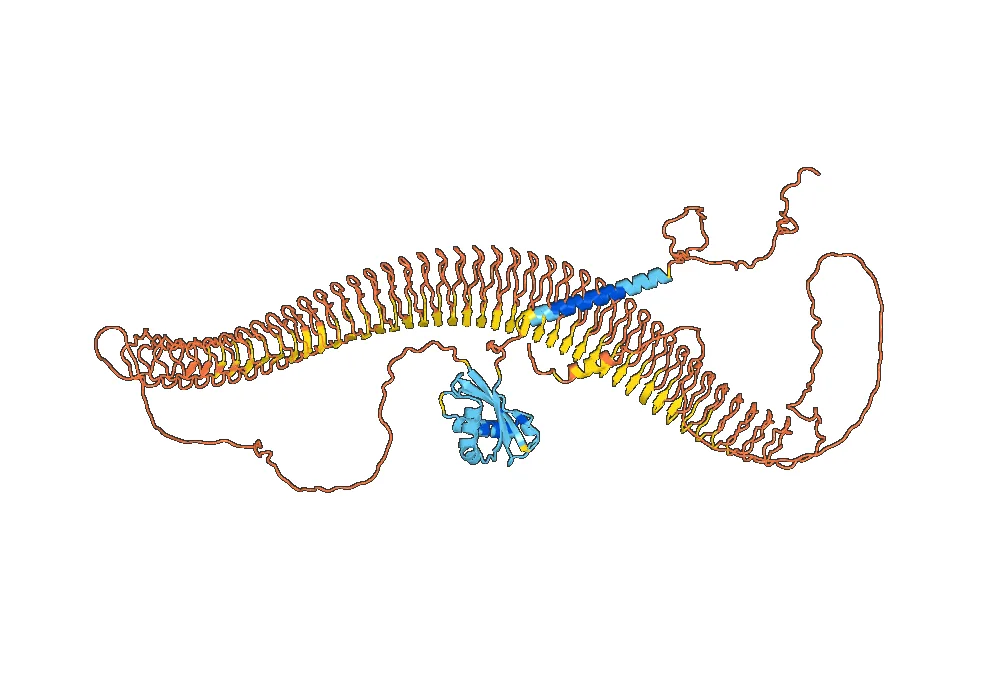
The main target of Naptumomab Estafenatox Biosimilar is TPBG, a glycoprotein that is overexpressed in various types of cancer, including breast, lung, and ovarian cancer. TPBG plays a role in promoting tumor growth and metastasis, making it a promising therapeutic target. Naptumomab Estafenatox Biosimilar binds to TPBG with high specificity and affinity, inhibiting its function and leading to tumor cell death.
In addition to its direct anti-tumor activity, Naptumomab Estafenatox Biosimilar also has the ability to activate the immune system. It binds to Fc gamma receptors on immune cells, such as natural killer (NK) cells and macrophages, triggering an immune response against TPBG-expressing tumor cells. This mechanism, known as antibody-dependent cell-mediated cytotoxicity (ADCC), enhances the effectiveness of the antibody in killing cancer cells.
Potential Applications
Naptumomab Estafenatox Biosimilar has shown promising results in preclinical studies and is currently being evaluated in clinical trials for the treatment of various types of cancer. Its potential applications include:
1. Targeted therapy for TPBG-expressing tumors As mentioned earlier, Naptumomab Estafenatox Biosimilar specifically targets TPBG, making it a potential therapy for cancers that overexpress this protein. It has shown efficacy in inhibiting tumor growth and inducing tumor cell death in preclinical studies, and is currently being evaluated in clinical trials for breast, lung, and ovarian cancer.
2. Combination therapy with other anti- cancer drugs Naptumomab Estafenatox Biosimilar has also been studied in combination with other anti- cancer drugs, such as chemotherapy and targeted therapy. These studies have shown that the antibody can enhance the effectiveness of these drugs, potentially leading to better treatment outcomes.
3. Immunotherapy for TPBG-negative tumors Although Naptumomab Estafenatox Biosimilar specifically targets TPBG, it has also shown some activity against TPBG-negative tumors. This is due to its ability to activate the immune system through ADCC. Therefore, it may have potential as an immunotherapy for a wider range of cancers.
4. Diagnostic tool for TPBG expression In addition to its therapeutic potential, Naptumomab Estafenatox Biosimilar can also be used as a diagnostic tool for TPBG expression. It can be labeled with a radioactive or fluorescent dye and used in imaging techniques, such as positron emission tomography (PET) or fluorescence microscopy, to detect TPBG-express

There are no reviews yet.