Introduction
Nacolomab Biosimilar, also known as Anti-MUC1 sialylated CA242 mAb, is a research grade antibody that has shown promising results in the treatment of various cancers. This article will provide a detailed scientific description of the structure, activity, and potential applications of Nacolomab Biosimilar.
Structure
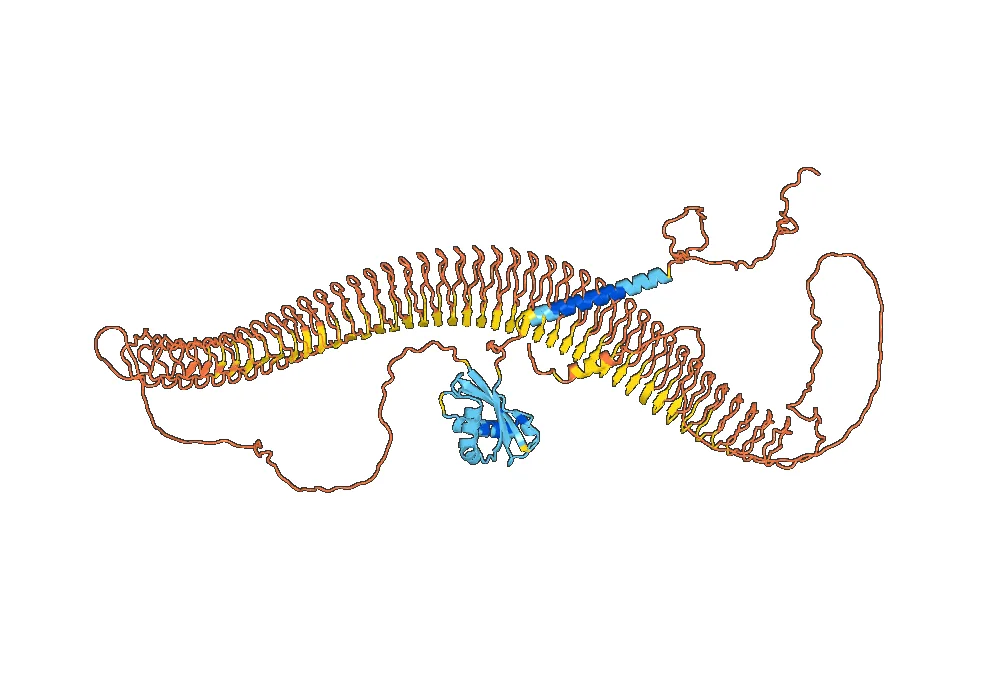
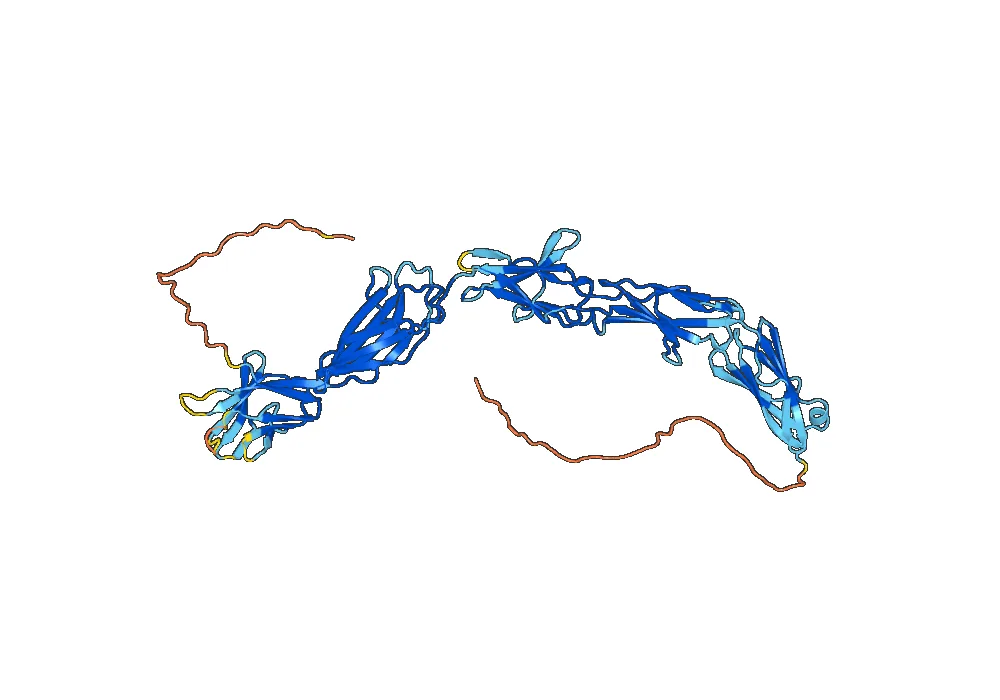
Nacolomab Biosimilar is a monoclonal antibody (mAb) that specifically targets the MUC1 protein. It is a recombinant humanized IgG1 antibody, meaning it is produced by genetically engineering human genes into a non-human host, resulting in a molecule that closely resembles a human antibody. The antibody has a molecular weight of approximately 150 kDa and is composed of two heavy chains and two light chains. The heavy chains contain a constant region and a variable region, while the light chains contain only a variable region. The variable regions of the antibody are responsible for binding to the MUC1 protein.
Activity
The main activity of Nacolomab Biosimilar is its ability to bind to the MUC1 protein. MUC1 is a transmembrane glycoprotein that is overexpressed in many types of cancer, making it an attractive therapeutic target. The binding of Nacolomab Biosimilar to MUC1 inhibits the growth and survival of cancer cells, making it a potential treatment for various types of cancer.
In addition to its direct anti-
cancer activity, Nacolomab Biosimilar also has immunomodulatory effects. It can activate immune cells, such as natural killer cells and macrophages, to attack cancer cells. This makes it a promising candidate for combination therapy with other cancer treatments, such as chemotherapy or immunotherapy.
Applications
Nacolomab Biosimilar has shown potential in the treatment of different types of cancer, including breast, lung, and pancreatic cancer. In preclinical studies, it has been shown to inhibit tumor growth and metastasis, as well as sensitize cancer cells to chemotherapy. It has also been found to be effective in preventing tumor recurrence in animal models.
In addition to its potential as a therapeutic agent, Nacolomab Biosimilar also has applications in cancer research. Its ability to specifically target MUC1 makes it a valuable tool for studying the role of this protein in cancer development and progression. It can also be used in diagnostic tests to detect the presence of MUC1 in cancer cells.
Conclusion
Nacolomab Biosimilar, also known as Anti-MUC1 sialylated CA242 mAb, is a research grade antibody with promising potential in the treatment of various types of cancer. Its specific binding to the MUC1 protein and its immunomodulatory effects make it a promising candidate for both monotherapy and combination therapy. In addition, its applications in cancer research and diagnostics make it a valuable tool for further understanding and treating cancer. Further studies and clinical trials are needed to fully explore the potential of Nacolomab Biosimilar as a therapeutic agent for cancer.

There are no reviews yet.