Introduction
Tadocizumab Biosimilar, also known as Anti-ITGA2B_ITGB3 mAb, is a monoclonal antibody (mAb) that targets the integrin α2β3, a key receptor involved in platelet aggregation and clot formation. This biosimilar is a research grade antibody that has shown promising potential in the treatment of various diseases.
Structure of Tadocizumab Biosimilar
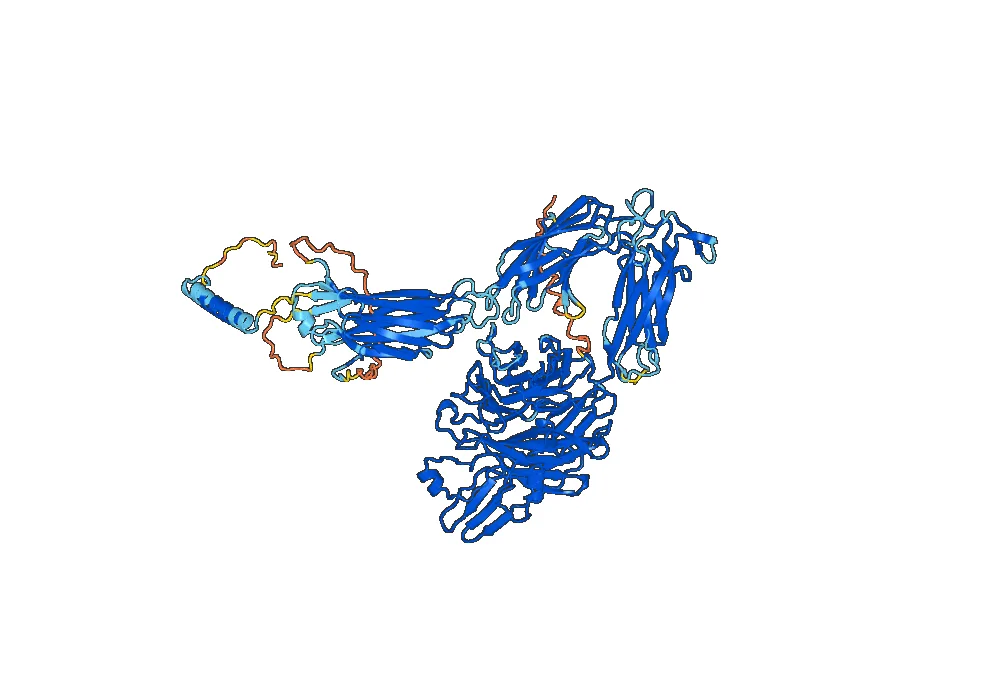
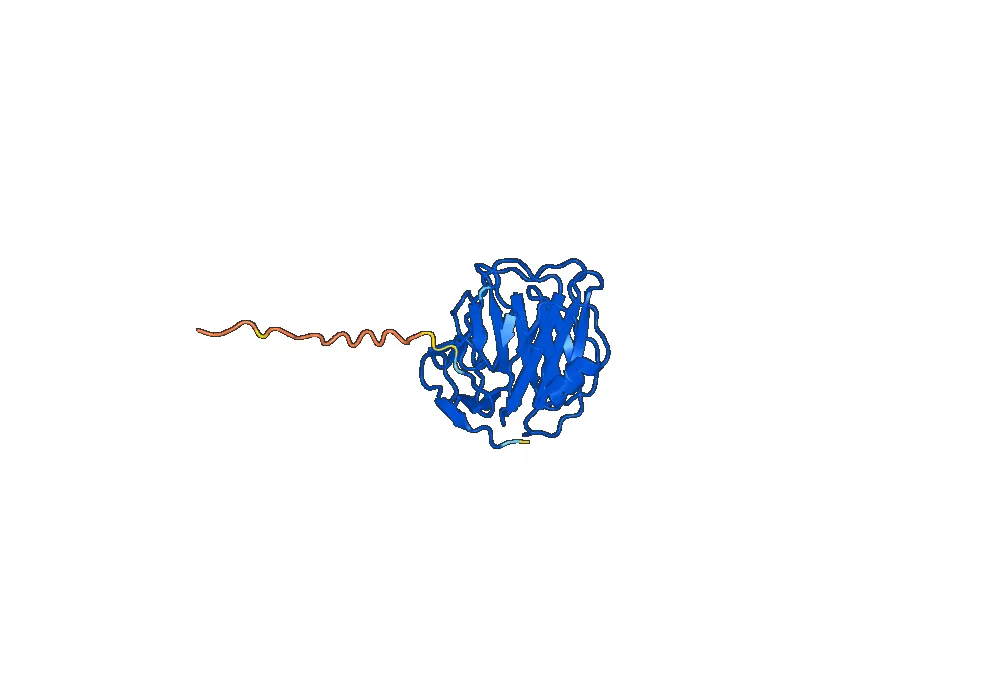
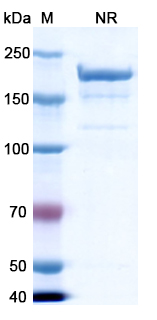
Tadocizumab Biosimilar is a recombinant humanized IgG1 monoclonal antibody, with a molecular weight of approximately 150 kDa. It is composed of two heavy chains and two light chains, each containing variable and constant regions. The variable regions of the antibody are responsible for binding to the target integrin, while the constant regions determine the effector functions of the antibody.
Mechanism of Action
Tadocizumab Biosimilar binds to the α2β3 integrin on the surface of platelets, preventing its interaction with fibrinogen and other ligands. This blocks the formation of platelet aggregates and inhibits the activation of platelets, ultimately leading to a reduction in blood clot formation. Additionally, the antibody may also induce apoptosis in activated platelets, further reducing their pro-thrombotic effects.
Therapeutic Applications
Tadocizumab Biosimilar has been studied for its potential use in various diseases where platelet aggregation and clot formation play a critical role. These include:
- Thrombotic disorders: Tadocizumab Biosimilar has shown promising results in the treatment of thrombotic disorders such as acute coronary syndrome, stroke, and deep vein thrombosis. By inhibiting platelet aggregation, the antibody can prevent the formation of blood clots and reduce the risk of thrombosis.
- Autoimmune diseases: The α2β3 integrin has been implicated in the pathogenesis of autoimmune diseases such as rheumatoid arthritis and multiple sclerosis. Tadocizumab Biosimilar has shown potential in preclinical studies as a therapeutic agent for these conditions by targeting the integrin and reducing inflammation.
- Cancer: Integrins play a crucial role in tumor growth, invasion, and metastasis. Tadocizumab Biosimilar has been investigated as a potential treatment for various cancers, including breast, lung, and colon cancer. By blocking the α2β3 integrin, the antibody may inhibit tumor growth and metastasis.
Research Grade Antibody
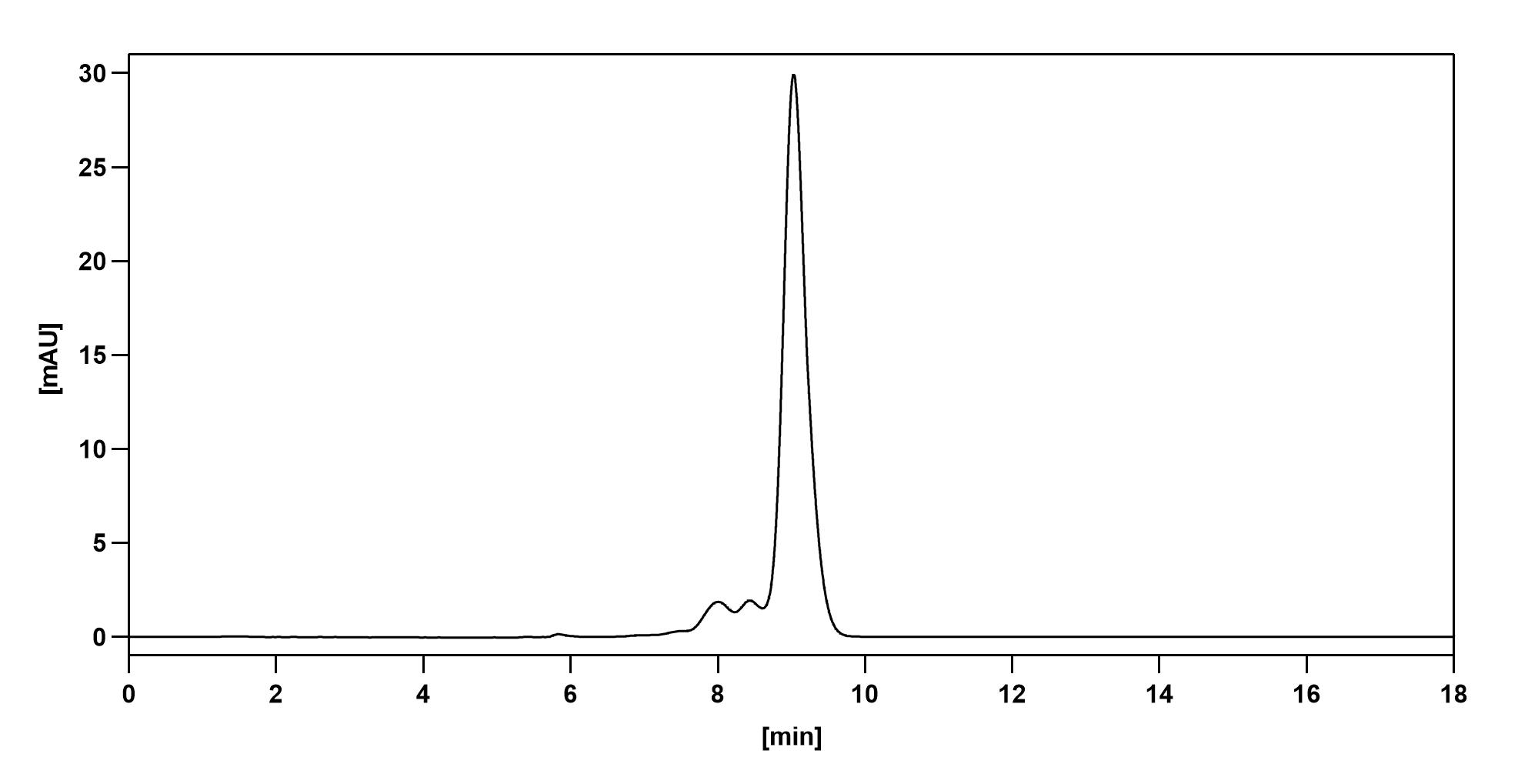
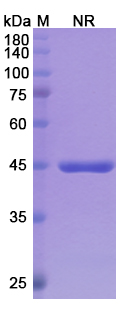
Tadocizumab Biosimilar is currently available as a research grade antibody, meaning it is intended for use in laboratory research and not for clinical use. It is produced using recombinant DNA technology and undergoes rigorous quality control measures to ensure its purity and potency.
Conclusion
Tadocizumab Biosimilar, also known as Anti-ITGA2B_ITGB3 mAb, is a promising monoclonal antibody targeting the α2β3 integrin. Its mechanism of action involves blocking platelet aggregation and reducing blood clot formation, making it a potential treatment for various diseases such as thrombotic disorders, autoimmune diseases, and cancer. As a research grade antibody, it has shown potential in preclinical studies and may pave the way for future clinical applications.

There are no reviews yet.