Introduction
Abrezekimab Biosimilar, also known as Anti-IL13 monoclonal antibody (mAb), is a research-grade therapeutic antibody that targets the cytokine interleukin-13 (IL-13). IL-13 has been implicated in various inflammatory and autoimmune diseases, making it a promising therapeutic target. Abrezekimab Biosimilar is a biosimilar version of an existing anti-IL13 mAb, with similar structure and activity, but at a lower cost. In this article, we will discuss the structure, activity, and potential applications of Abrezekimab Biosimilar.
Structure of Abrezekimab Biosimilar
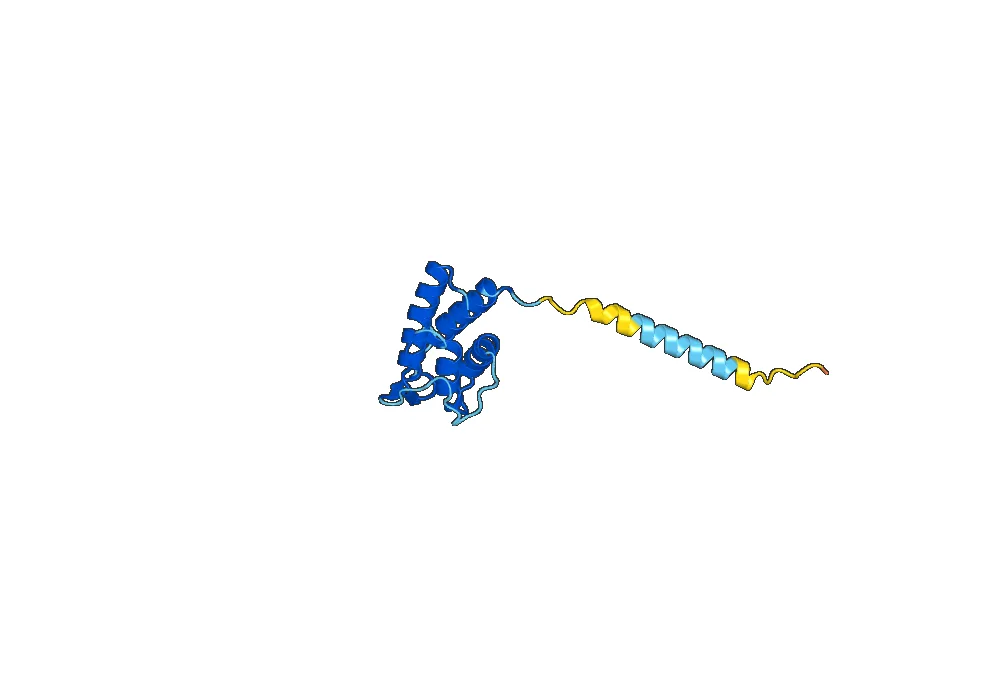
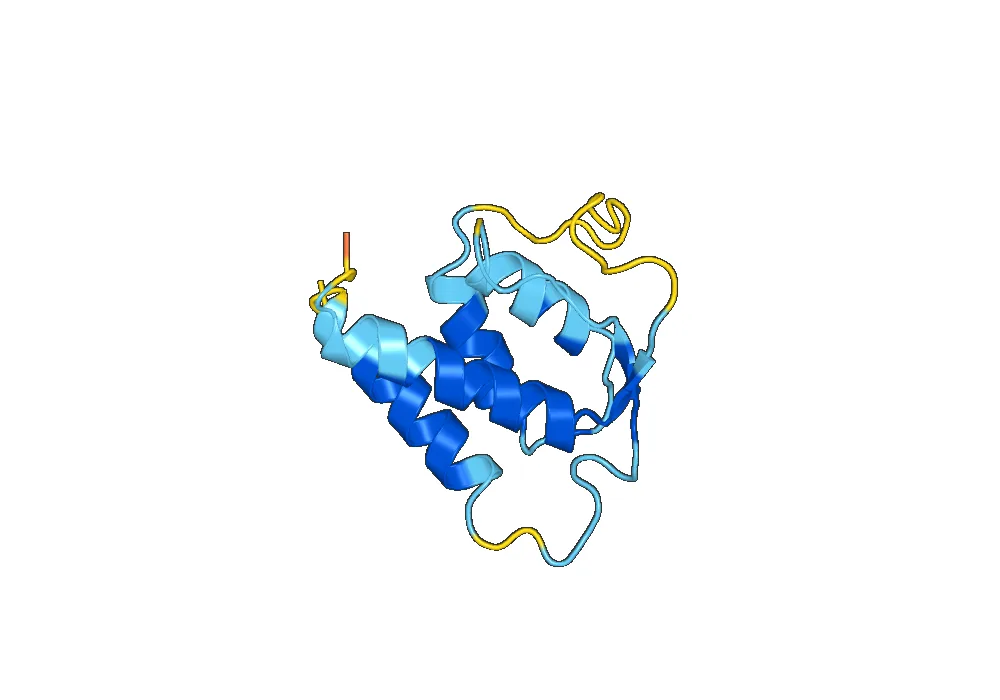
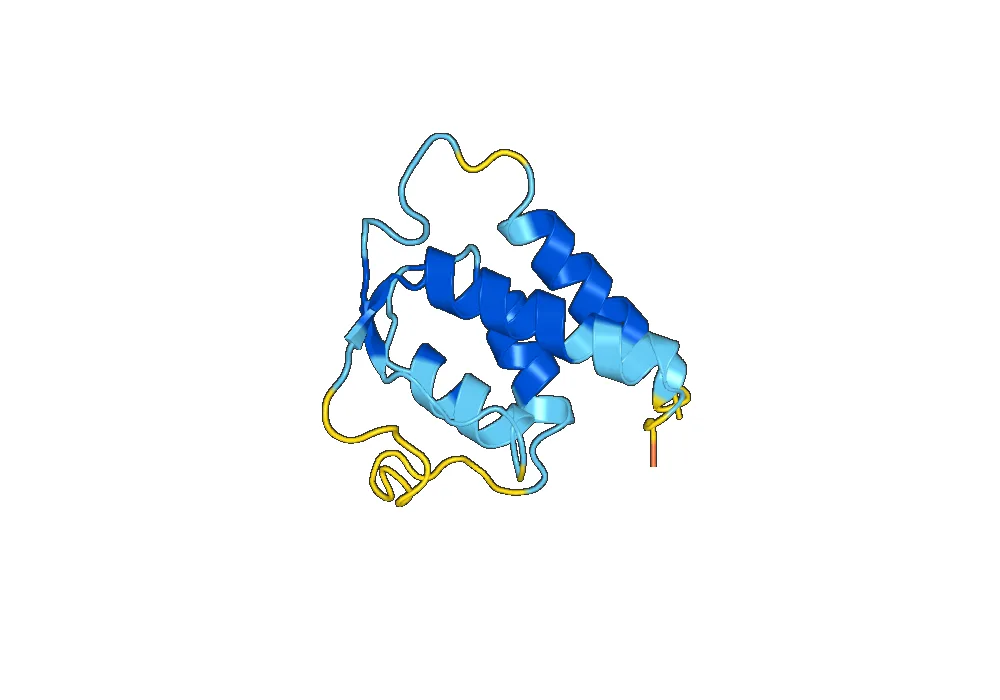
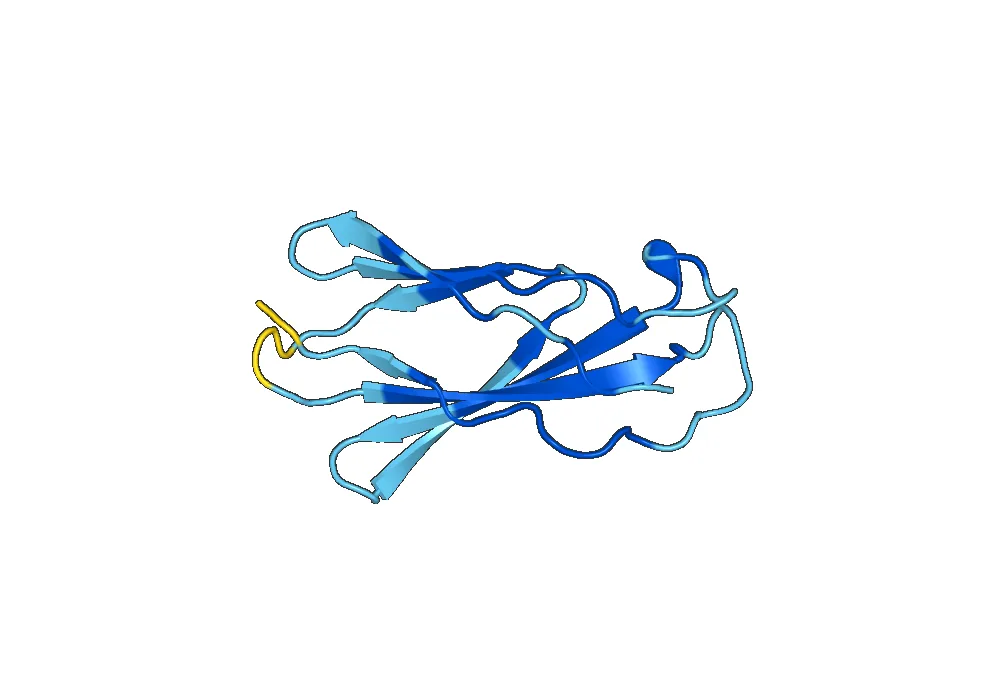
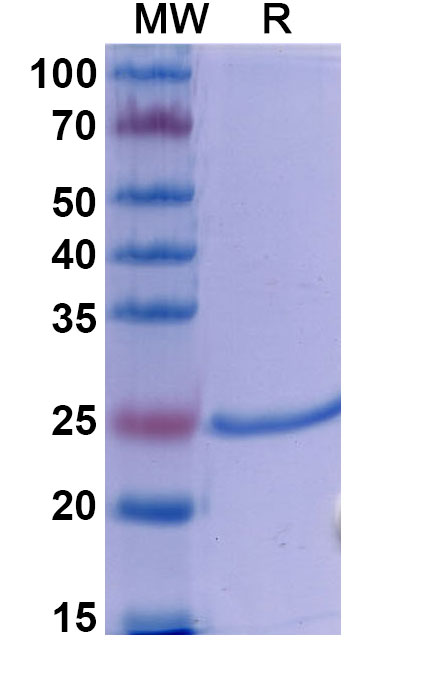
Abrezekimab Biosimilar is a monoclonal antibody, meaning it is a type of protein that is produced by cloning a single type of immune cell. It is composed of two identical heavy chains and two identical light chains, each with a molecular weight of approximately 150 kDa. The antibody has a Y-shaped structure, with two variable regions at the tips of the arms that bind to IL-13 and a constant region that mediates effector functions.
Activity of Abrezekimab Biosimilar
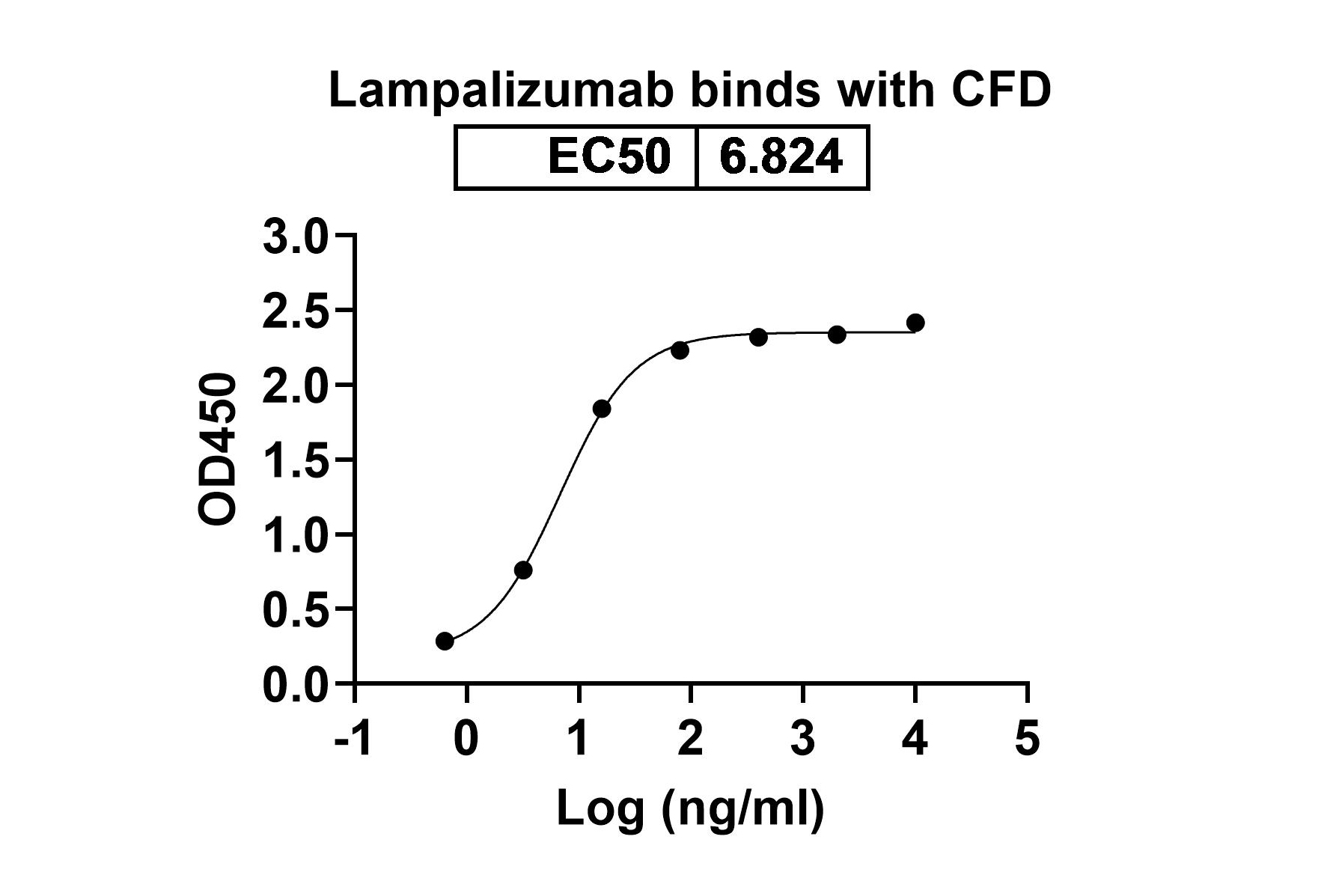
Abrezekimab Biosimilar specifically targets IL-13, a cytokine that plays a key role in inflammation and immune responses. IL-13 is produced by various immune cells, and its overproduction has been linked to several inflammatory and autoimmune diseases, including asthma, atopic dermatitis, and inflammatory bowel disease. Abrezekimab Biosimilar binds to IL-13 with high affinity, preventing it from binding to its receptors on target cells and thus blocking its activity. This leads to a reduction in inflammation and symptoms associated with IL-13-mediated diseases.
Applications of Abrezekimab Biosimilar
Abrezekimab Biosimilar has potential applications in the treatment of various inflammatory and autoimmune diseases. It has been studied in preclinical and clinical trials for its efficacy and safety in conditions such as asthma, atopic dermatitis, and Crohn’s disease. In a phase 2 clinical trial for asthma, Abrezekimab Biosimilar showed promising results in reducing asthma exacerbations and improving lung function. Similarly, in a phase 2 trial for atopic dermatitis, it demonstrated significant improvements in disease severity and symptoms. These results suggest that Abrezekimab Biosimilar may be a promising treatment option for IL-13-mediated diseases.
Conclusion
In summary, Abrezekimab Biosimilar is a research-grade therapeutic antibody that targets the cytokine IL-13. Its structure, activity, and potential applications make it a promising candidate for the treatment of various inflammatory and autoimmune diseases. As a biosimilar version of an existing anti-IL13 mAb, it offers a more cost-effective option for patients and healthcare providers. Further research and clinical trials are needed to fully understand the efficacy and safety of Abrezekimab Biosimilar, but it holds great potential for improving the lives of patients with IL-13-mediated diseases.

There are no reviews yet.