Introduction:
Tumor necrosis factor ligand superfamily member 15 (TNFSF15), also known as TNF ligand-related molecule 1 (TL1), is a cytokine that plays a crucial role in regulating immune responses and inflammation. It is a member of the TNF superfamily and is expressed on the surface of activated immune cells. In recent years, TNFSF15/TL1A has gained attention as a potential drug target for cancer treatment due to its ability to inhibit tumor growth and angiogenesis. In this article, we will delve into the structure, activity, and potential applications of TNFSF15/TL1A in both its membrane and secreted forms.
Structure of TNFSF15/TL1A:
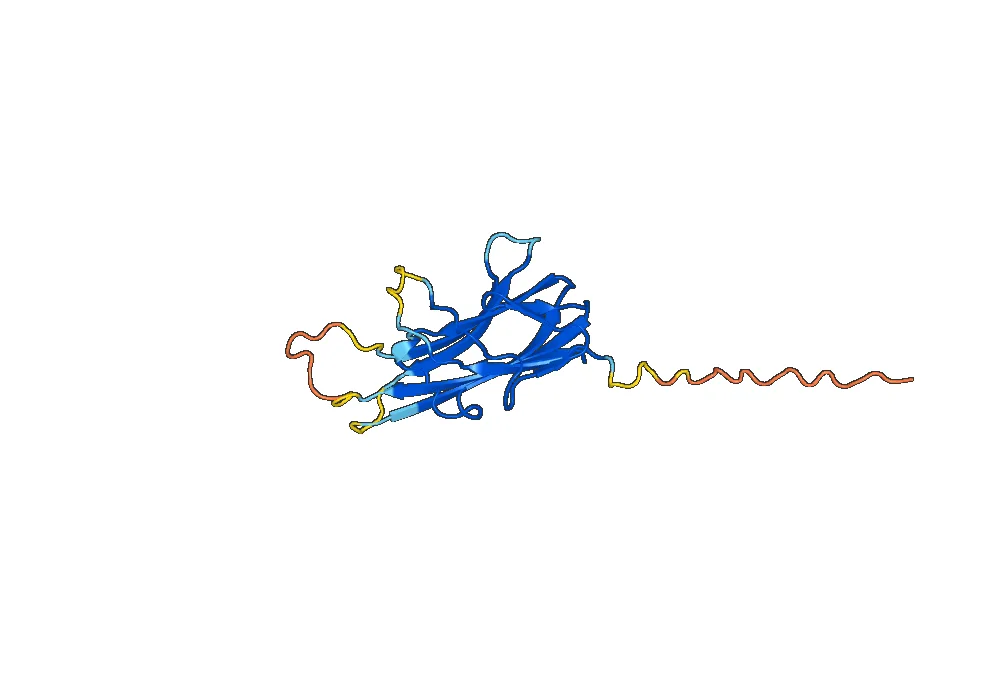
TNFSF15/TL1A is a type II transmembrane protein, meaning it has an extracellular domain, a transmembrane domain, and an intracellular domain. The extracellular domain of TNFSF15/TL1A is responsible for binding to its receptor, death receptor 3 (DR3), which is expressed on the surface of various immune cells. The intracellular domain of TNFSF15/TL1A contains a death domain, which is important for initiating cell death signaling pathways.
Activity of TNFSF15/TL1A:
The main function of TNFSF15/TL1A is to regulate immune responses by promoting the proliferation and survival of T cells and natural killer (NK) cells. It also plays a role in promoting inflammation and angiogenesis. In addition, TNFSF15/TL1A has been found to have anti-tumor activity by inducing cell death in cancer cells and inhibiting tumor growth. This activity is mediated through its interaction with DR3, which leads to the activation of cell death pathways.
Potential Applications of TNFSF15/TL1A:
Given its role in regulating immune responses and inhibiting tumor growth, TNFSF15/TL1A has potential applications in cancer treatment. It has been shown to have anti-tumor activity in various types of cancer, including colorectal, breast, and lung cancer. Research has also shown that TNFSF15/TL1A can sensitize cancer cells to chemotherapy and radiation therapy, making it a potential adjuvant therapy for these treatments.
Membrane Form vs. Secreted Form:
TNFSF15/TL1A is expressed in both a membrane-bound form and a secreted form. The membrane-bound form is expressed on the surface of activated immune cells and is involved in cell-to-cell interactions. The secreted form, on the other hand, is released into the extracellular space and can act as a soluble cytokine. Both forms have been found to have anti-tumor activity, but the secreted form has been shown to be more potent in inducing cell death in cancer cells.
Human TNFSF15/TL1A Recombinant Protein:
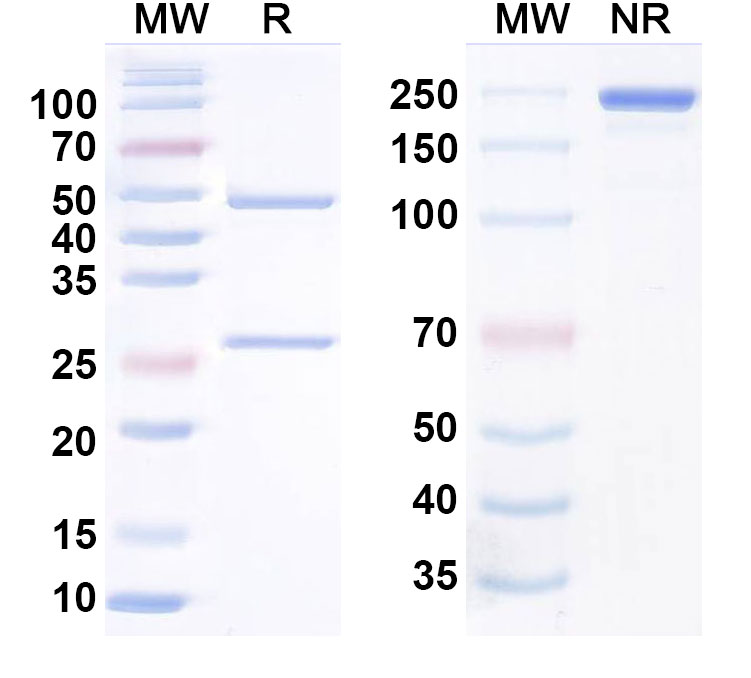
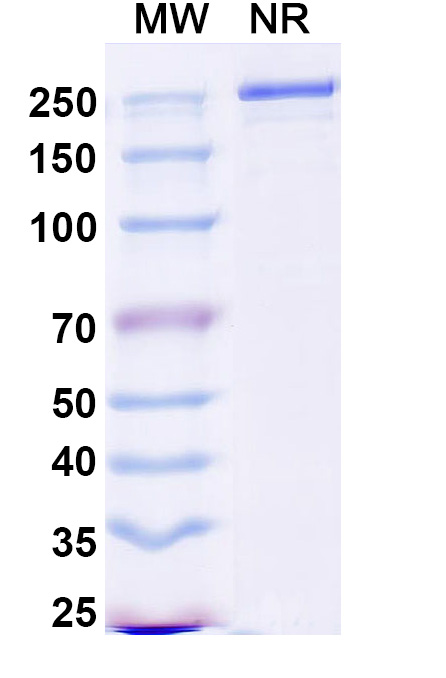
In order to utilize the potential of TNFSF15/TL1A as a drug target, researchers have developed a human TNFSF15/TL1A recombinant protein. This protein is produced in a laboratory setting and can be used in experiments to study the effects of TNFSF15/TL1A on immune cells and cancer cells. It can also be used in the development of potential therapeutic agents that target TNFSF15/TL1A.
Conclusion:
In summary, TNFSF15/TL1A is a cytokine that plays a crucial role in regulating immune responses and inflammation. Its ability to inhibit tumor growth and angiogenesis has made it a potential drug target for cancer treatment. The structure and activity of TNFSF15/TL1A, both in its membrane and secreted forms, make it a promising candidate for the development of novel cancer therapies. Further research and clinical trials are needed to fully understand the potential of TNFSF15/TL1A and its recombinant protein in the treatment of cancer.




There are no reviews yet.