Fanastomig Biosimilar: A Novel Anti-FDC, CD279 mAb for Research Introduction
Fanastomig Biosimilar, also known as Anti-FDC, CD279 mAb, is a novel monoclonal antibody (mAb) that has been developed as a potential therapeutic agent for various diseases. This biosimilar is a highly specific and potent antibody that targets the follicular dendritic cells (FDCs) and CD279, also known as programmed cell death protein 1 (PD-1). In this article, we will discuss the structure, activity, and potential applications of Fanastomig Biosimilar as a research-grade antibody.
Structure of Fanastomig Biosimilar
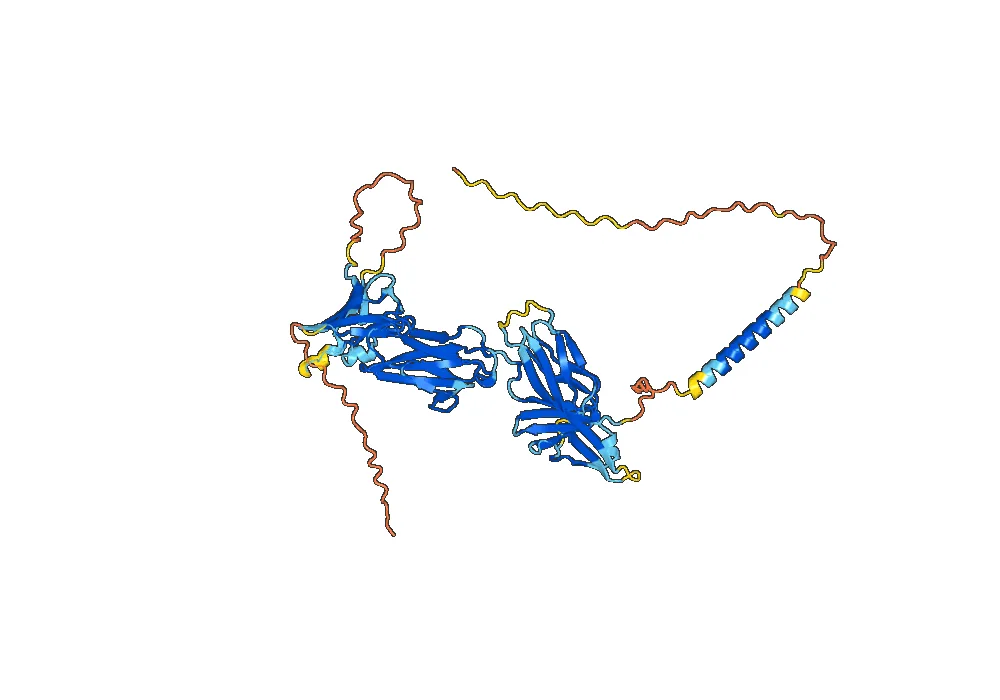
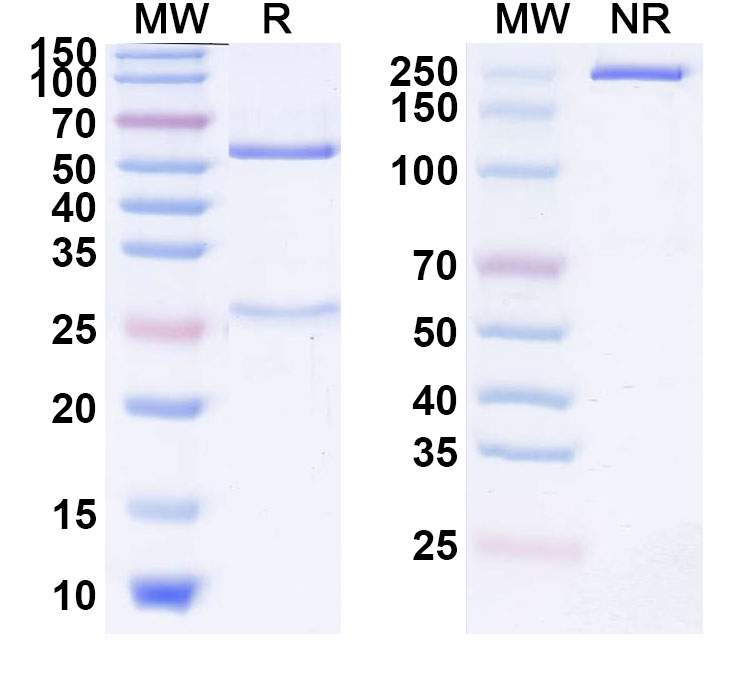
Fanastomig Biosimilar is a recombinant humanized IgG1 monoclonal antibody that has been developed using advanced genetic engineering techniques. It is composed of two heavy chains and two light chains, each containing a variable region and a constant region. The variable region of Fanastomig Biosimilar is specifically designed to bind to FDCs and CD279, while the constant region is responsible for effector functions such as complement activation and antibody-dependent cell-mediated cytotoxicity (ADCC).
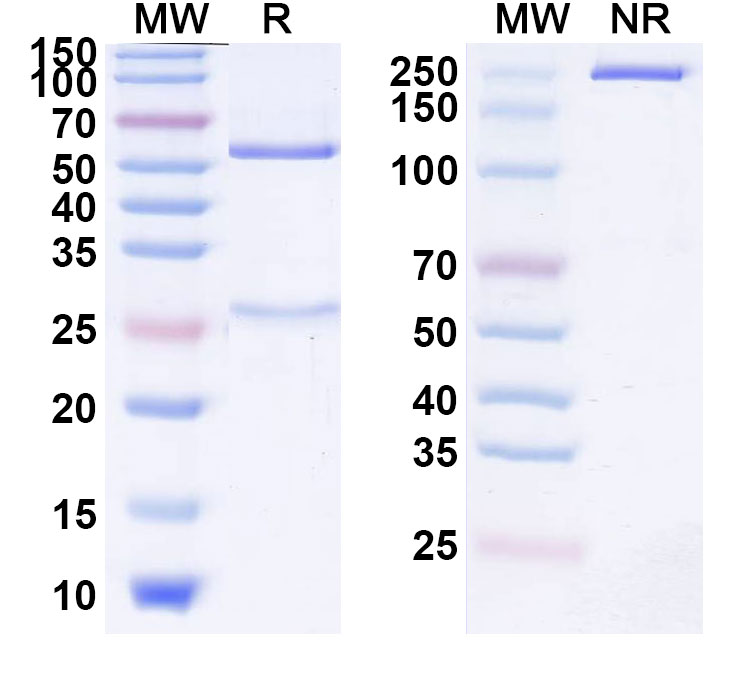
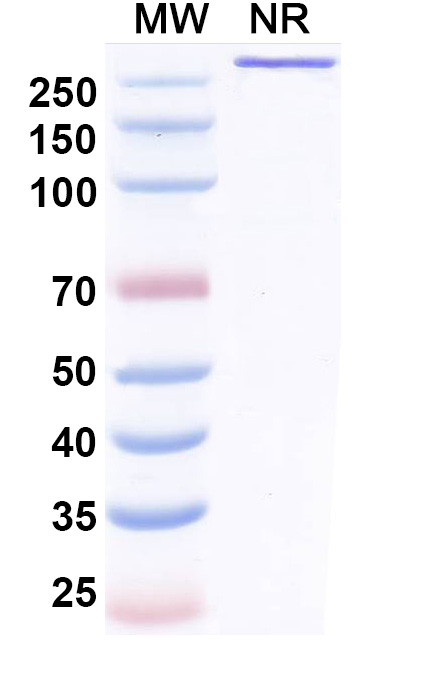
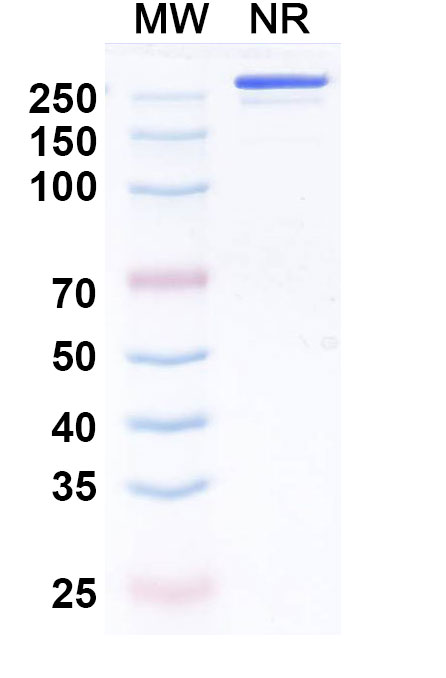
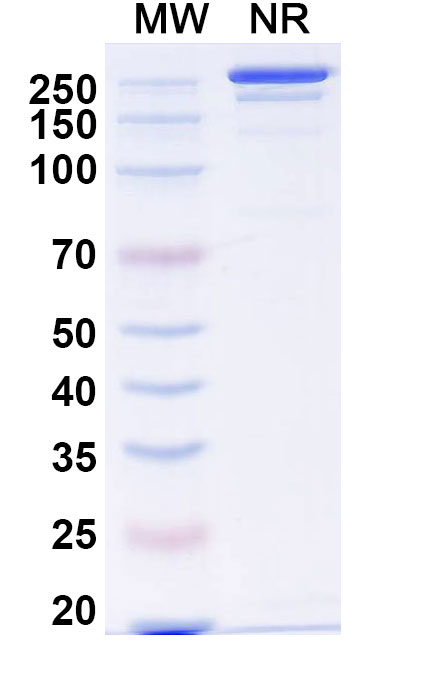
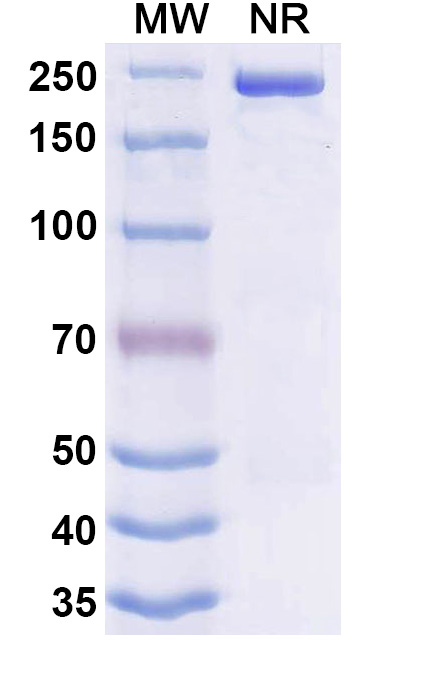
The amino acid sequence of Fanastomig Biosimilar has been carefully engineered to ensure high specificity and minimal immunogenicity. It has a molecular weight of approximately 150 kDa and a half-life of around 21 days, making it a stable and long-lasting antibody.
Mechanism of Action
Fanastomig Biosimilar exerts its therapeutic effects by binding to FDCs and CD279 on the surface of immune cells. FDCs are specialized cells found in lymphoid tissues that play a critical role in the activation and regulation of the immune response. CD279, on the other hand, is a co-inhibitory receptor that is expressed on activated T cells and plays a key role in immune tolerance.
By targeting FDCs, Fanastomig Biosimilar can disrupt the formation of germinal centers, which are essential for the development of B cell-mediated immune responses. This can be beneficial in diseases where abnormal B cell activation and proliferation contribute to disease progression, such as autoimmune disorders and certain types of cancer.
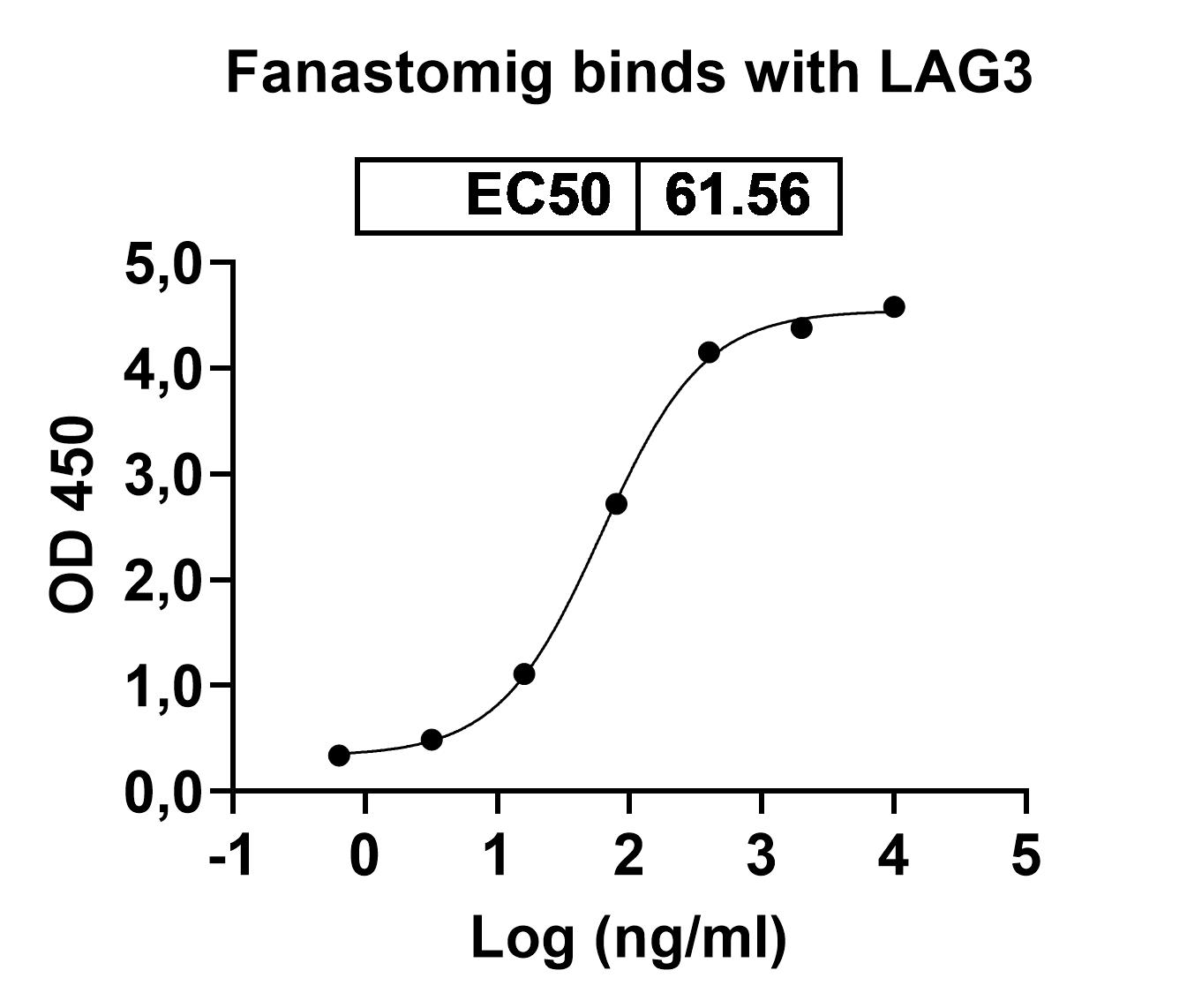
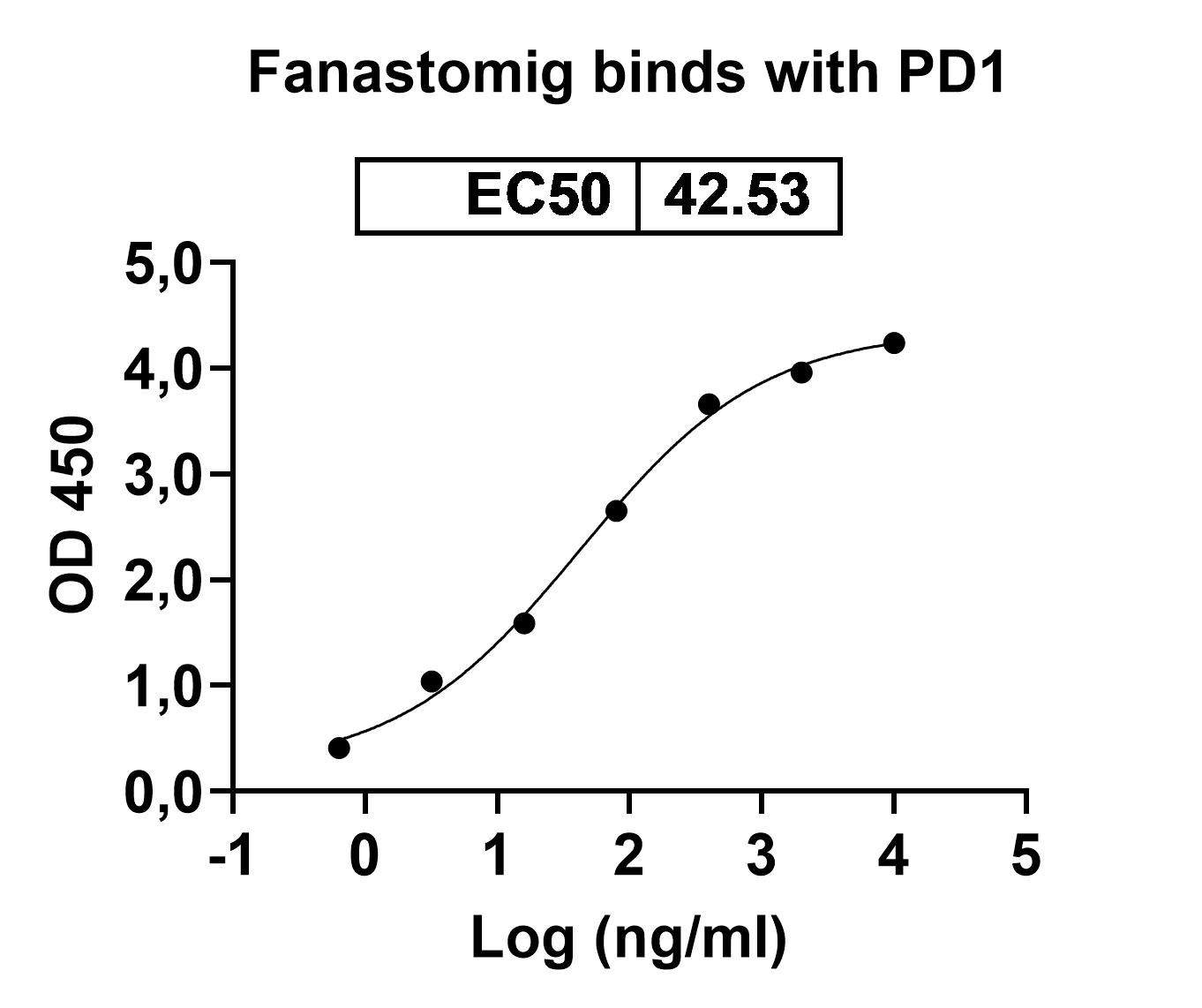
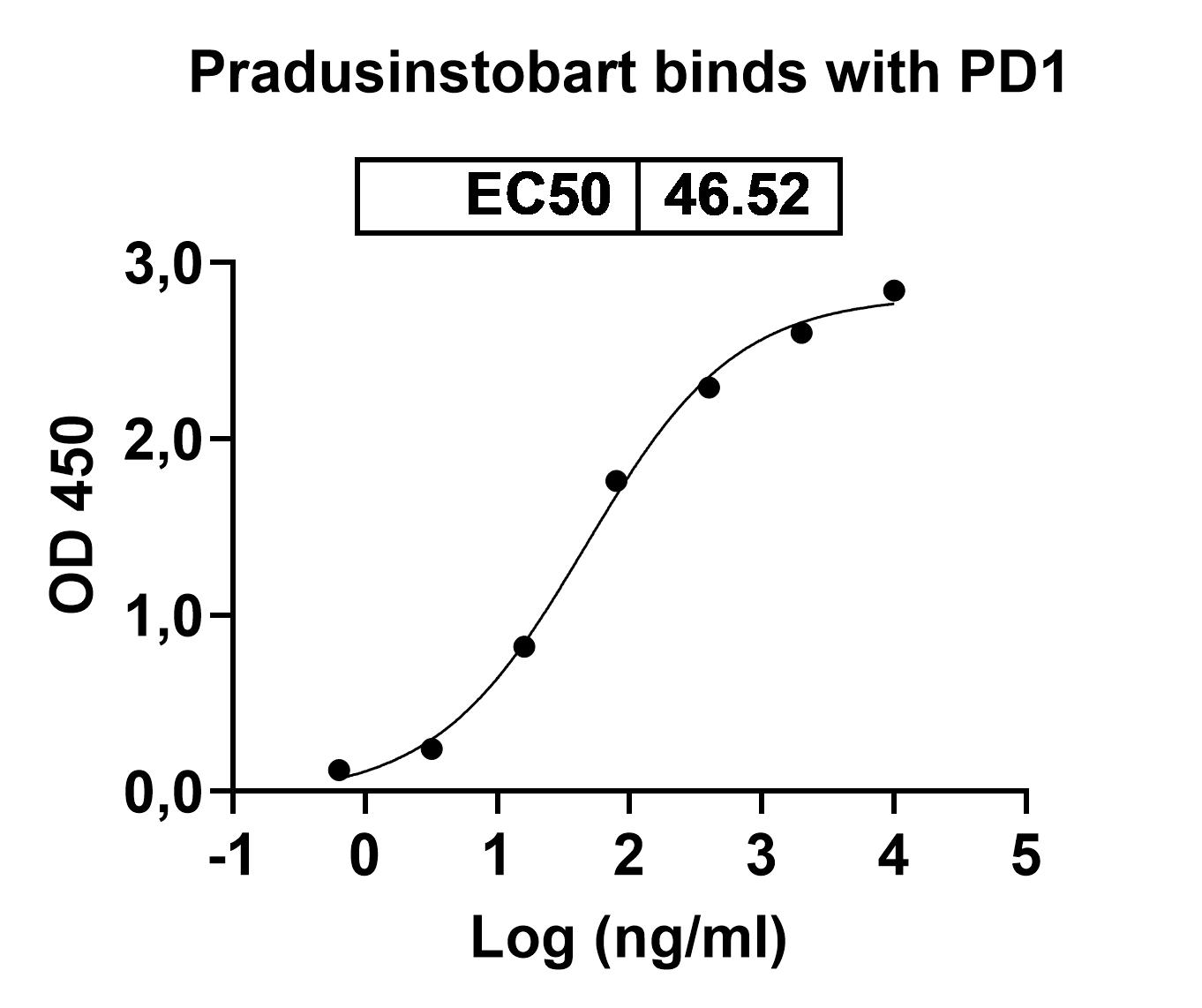
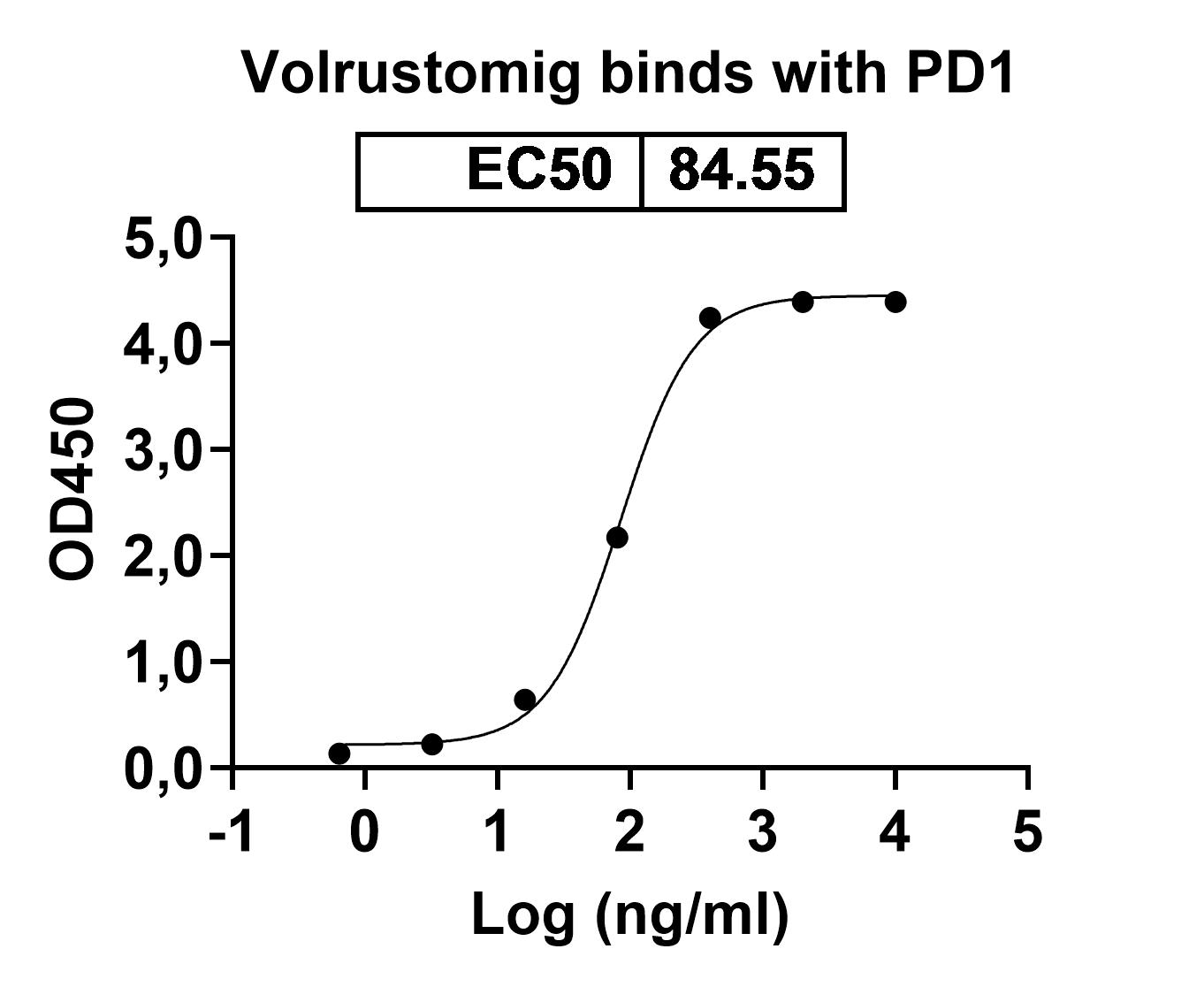
Furthermore, by binding to CD279, Fanastomig Biosimilar can block the inhibitory signal that is normally transmitted to T cells, thereby enhancing their activity and promoting an anti-tumor immune response. This mechanism of action makes Fanastomig Biosimilar a promising therapeutic agent for cancer immunotherapy.
Potential Applications of Fanastomig Biosimilar
Fanastomig Biosimilar has shown promising results in preclinical studies and is currently being evaluated in clinical trials for various diseases. Some potential applications of this biosimilar include:
- Autoimmune disorders: Fanastomig Biosimilar has the potential to treat autoimmune diseases such as rheumatoid arthritis, lupus, and multiple sclerosis by targeting FDCs and disrupting the formation of germinal centers.
- Cancer immunotherapy: By targeting CD279, Fanastomig Biosimilar can enhance the activity of T cells and promote an anti-tumor immune response. This makes it a promising candidate for cancer immunotherapy.
- Infectious diseases: FDCs play a crucial role in the immune response against viral infections. By targeting FDCs, Fanastomig Biosimilar has the potential to modulate the immune response and improve outcomes in viral infections.
Conclusion
Fanastomig Biosimilar is a novel monoclonal antibody that targets FDCs and CD279, making it a promising therapeutic agent for various diseases. Its unique mechanism
There are no reviews yet.