Erfonrilimab Biosimilar: A Promising Antibody for Targeting CD274 and CTLA4
Erfonrilimab Biosimilar, also known as Anti-CD274,CTLA4 mAb, is a novel antibody currently in development for its potential therapeutic applications. This biosimilar antibody is designed to target two important immune checkpoint molecules, CD274 (also known as PD-L1) and CTLA4, which play a crucial role in regulating the immune response. In this article, we will provide a detailed scientific description of the structure, activity, and potential applications of Erfonrilimab Biosimilar.
Structure of Erfonrilimab Biosimilar
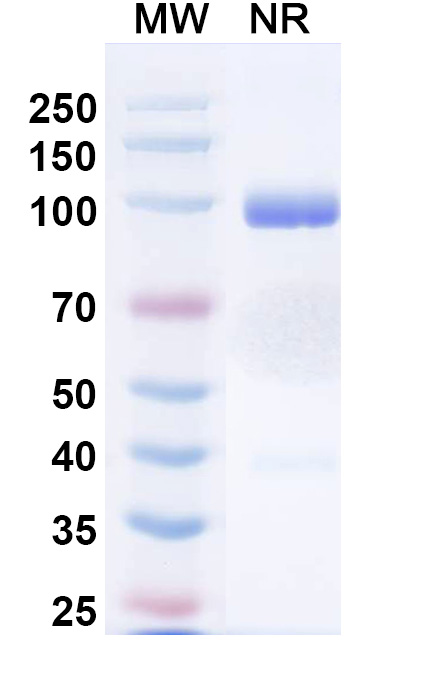
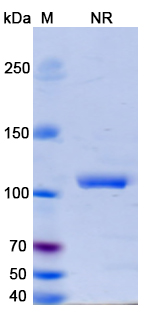
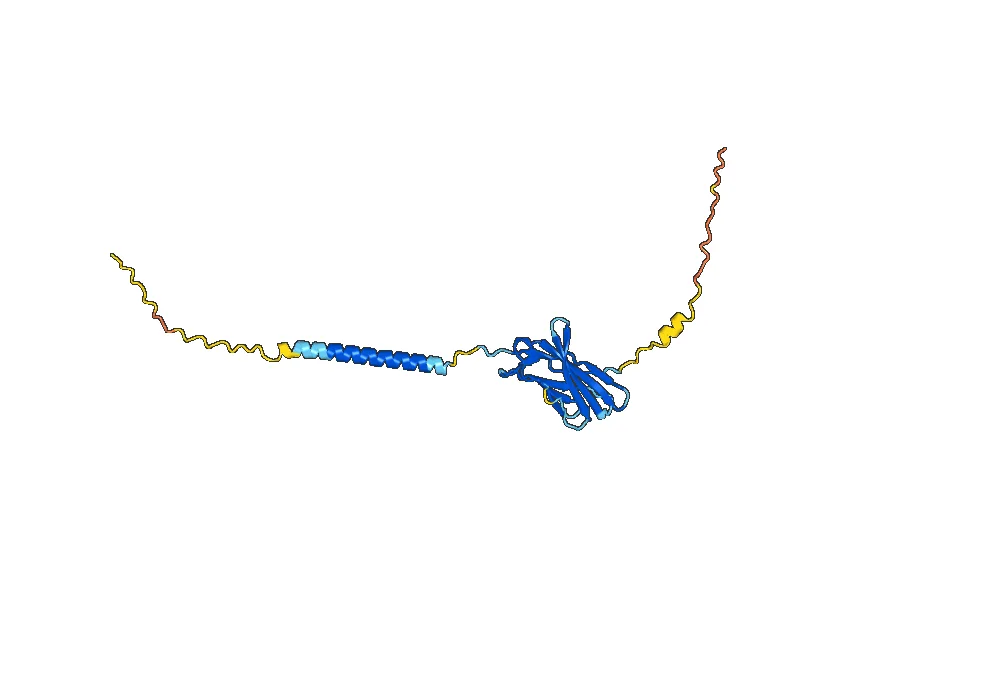
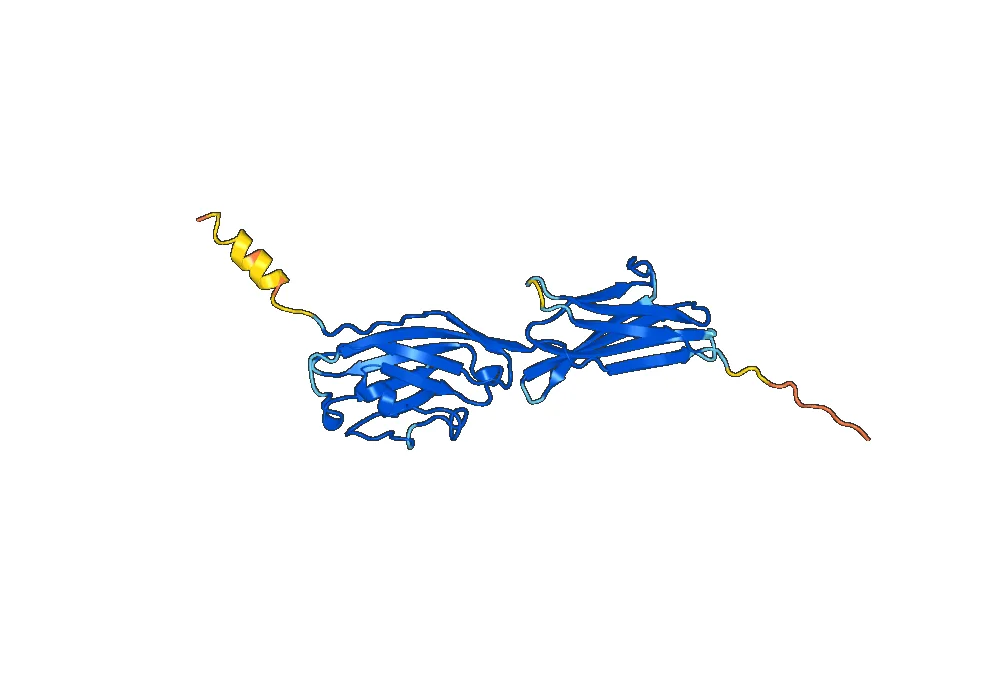
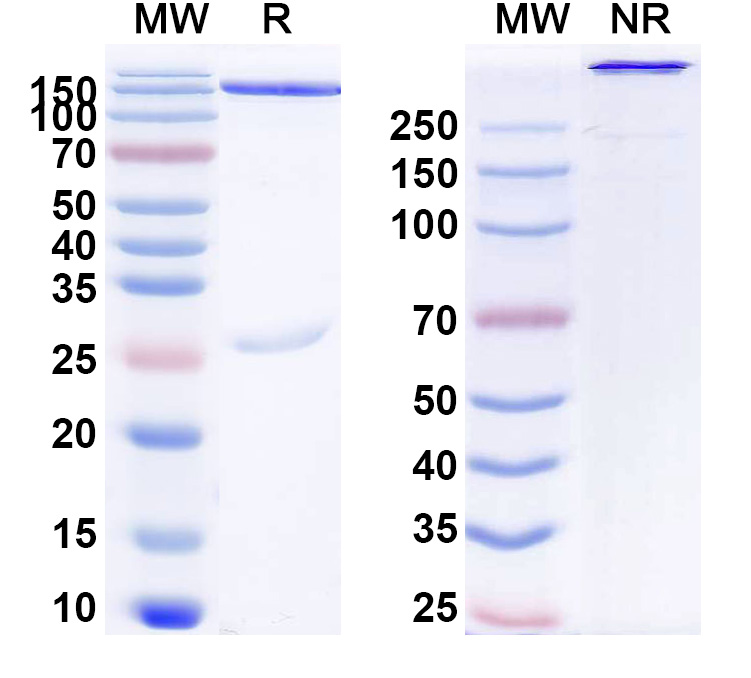
Erfonrilimab Biosimilar is a monoclonal antibody (mAb) that is produced through recombinant DNA technology. It is a biosimilar version of the original antibody, which means it has a highly similar structure and function to the reference product. The antibody has a molecular weight of approximately 150 kDa and is composed of two heavy chains and two light chains. The heavy chains are made up of constant and variable regions, while the light chains only have variable regions.
The variable regions of the antibody are responsible for recognizing and binding to its target molecules, CD274 and CTLA4. These regions are highly specific and have a unique three-dimensional structure that allows them to bind to their targets with high affinity. The constant regions, on the other hand, are responsible for the effector functions of the antibody, such as activating the immune response and triggering cell death in target cells.
Activity of Erfonrilimab Biosimilar
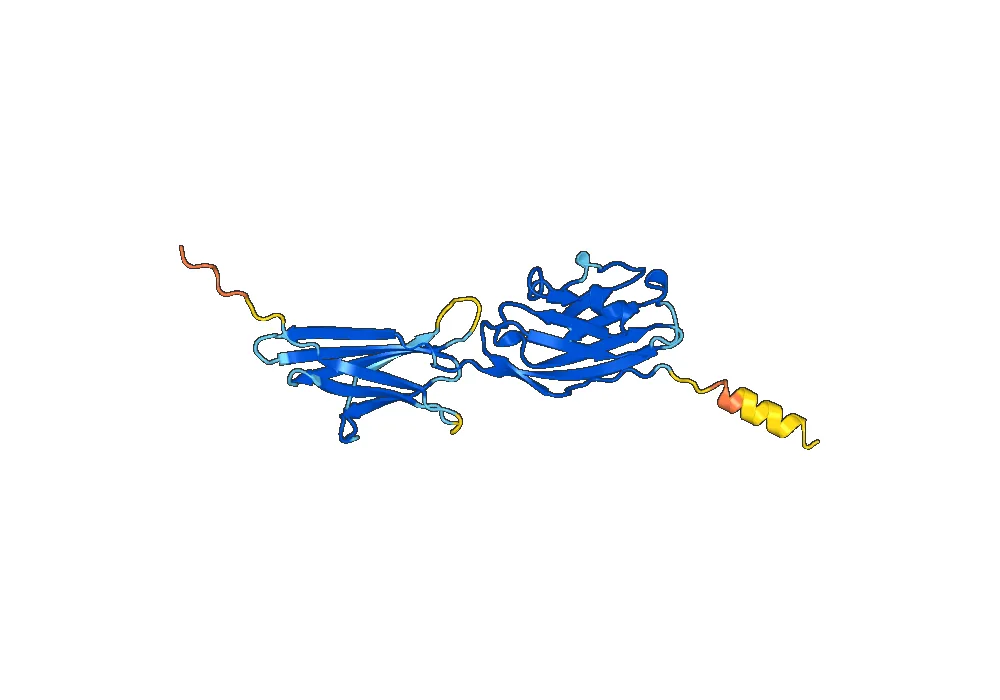
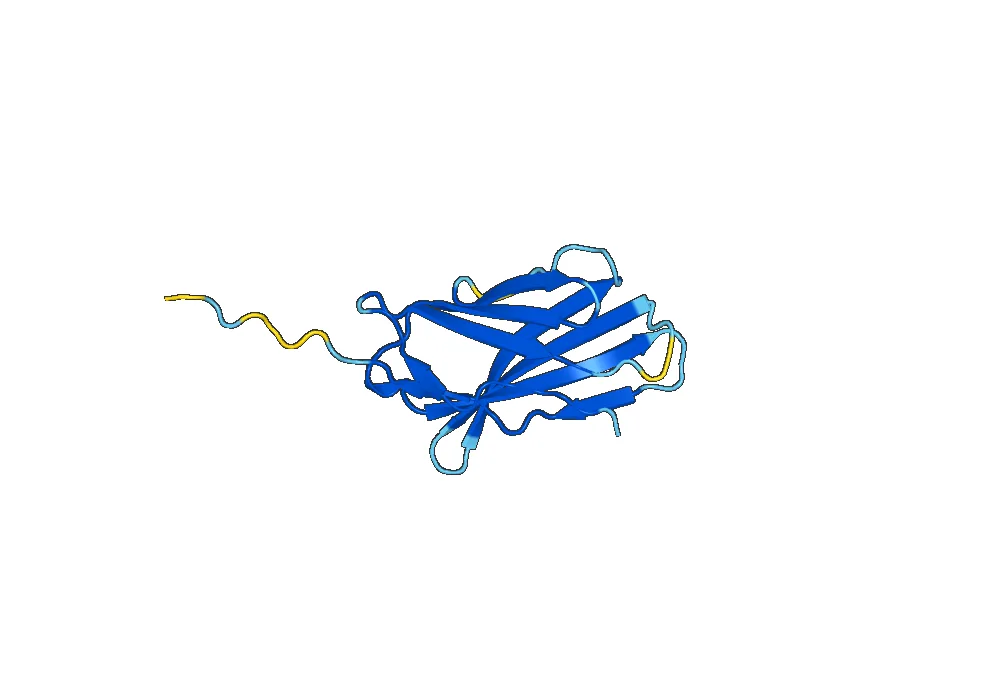
Erfonrilimab Biosimilar is a dual-targeting antibody that binds to both CD274 and CTLA4. CD274 is a protein that is expressed on the surface of various cells, including cancer cells, and plays a key role in suppressing the immune response. By binding to CD274, Erfonrilimab Biosimilar blocks its interaction with its receptor, PD-1, on T cells, thereby preventing the suppression of the immune response. This results in the activation of T cells and the enhancement of their anti-tumor activity.
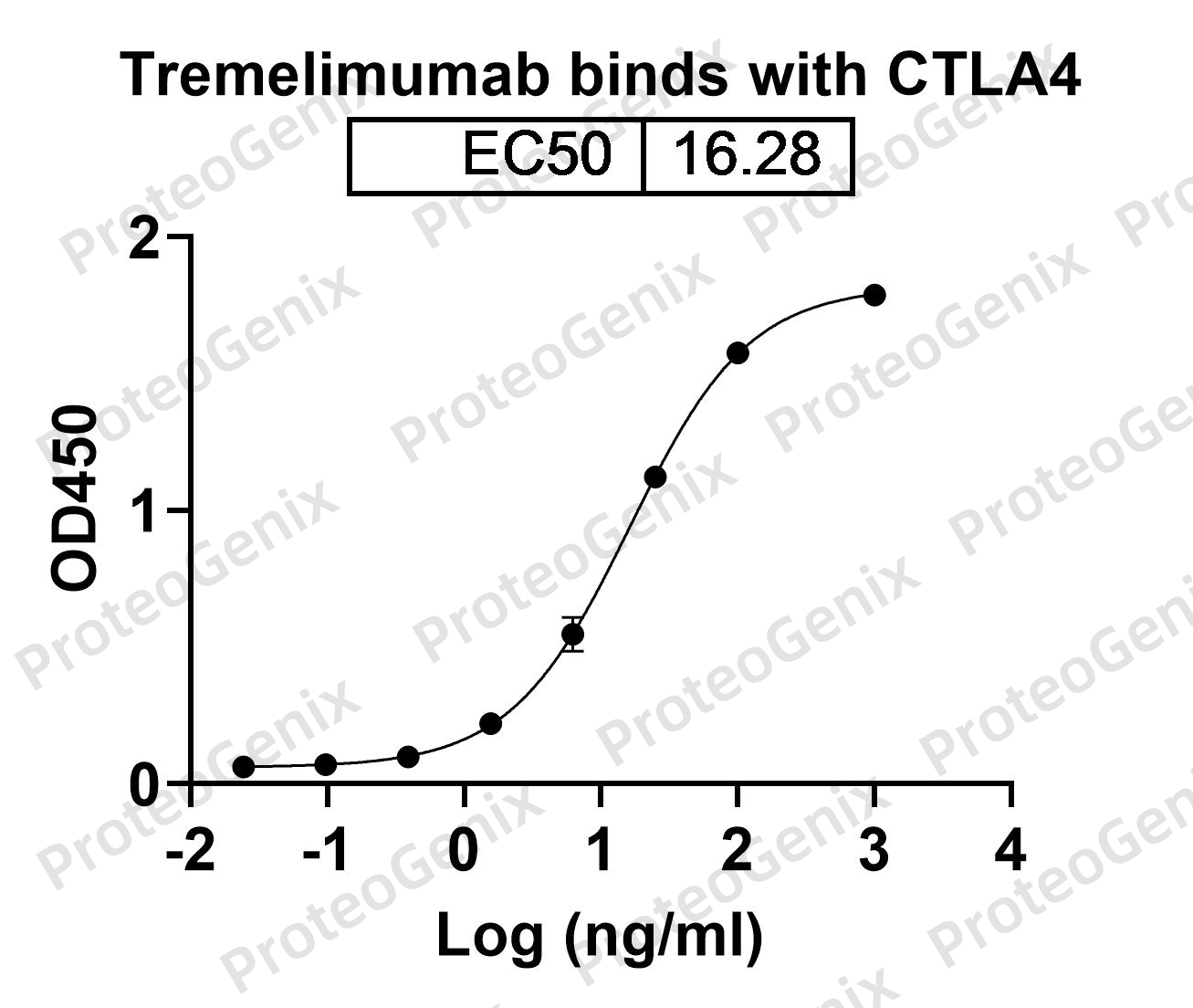
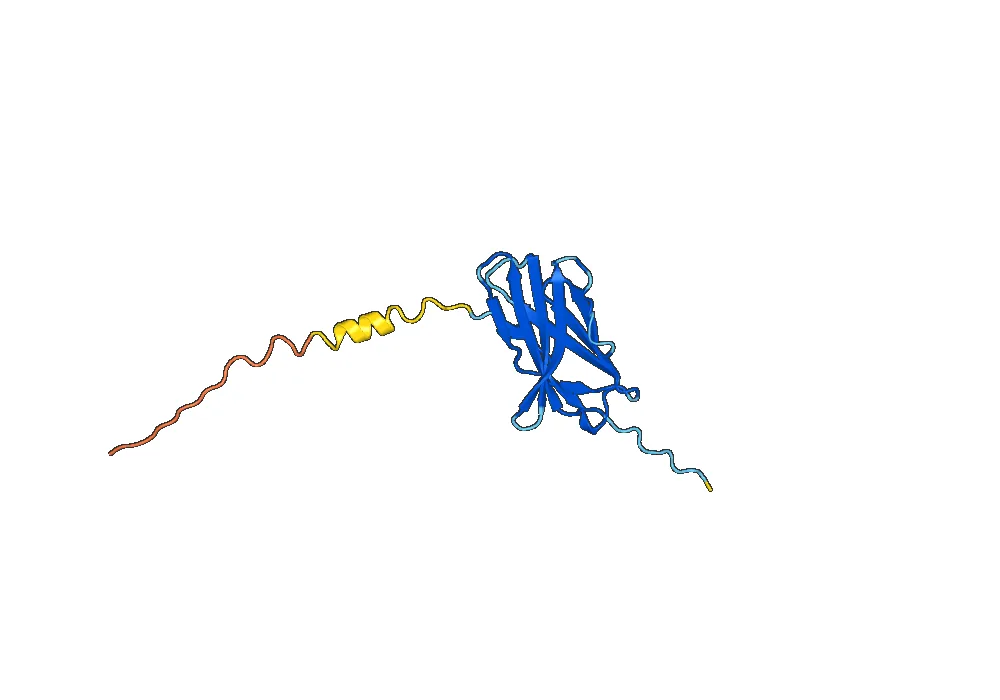
Similarly, CTLA4 is another immune checkpoint molecule that is expressed on the surface of T cells. It plays a critical role in regulating the immune response by inhibiting the activation of T cells. By binding to CTLA4, Erfonrilimab Biosimilar blocks its inhibitory activity, leading to the activation of T cells and the enhancement of their anti-tumor activity. Moreover, the binding of Erfonrilimab Biosimilar to CTLA4 also promotes the activation of other immune cells, such as natural killer cells and macrophages, which further contribute to the anti-tumor response.
Potential Applications of Erfonrilimab Biosimilar
Erfonrilimab Biosimilar has shown promising results in preclinical studies and is currently being evaluated in clinical trials for its potential therapeutic applications. The primary indication for this biosimilar antibody is in the treatment of various types of cancer, including melanoma, non-small cell lung cancer, and bladder cancer. By targeting CD274 and CTLA4, Erfonrilimab Biosimilar has the potential to enhance the anti-tumor immune response and improve the outcomes of cancer treatment.
In addition to cancer, Erfonrilimab Biosimilar may also have potential applications in other diseases where immune dysregulation plays a role. This includes autoimmune diseases, such as rheumatoid arthritis and multiple sclerosis, as well as infectious diseases, such as HIV and hepatitis B. By modulating the immune response, Erfonrilimab Biosimilar has the potential to improve the outcomes of these diseases and provide a new treatment option for patients.
Conclusion
In summary, Erfonrilimab Biosimilar is a promising antibody that targets two important immune checkpoint molecules, CD274 and CTLA4. Its unique structure and activity make

There are no reviews yet.