Introduction
Porustobart Biosimilar – Anti-CD152 mAb – Research Grade is a novel biosimilar antibody that targets the protein CD152. This antibody has been extensively studied for its structure, activity, and potential applications in the field of therapeutics. In this article, we will explore the various aspects of this biosimilar antibody in detail.
Structure of Anti-CD152 mAb
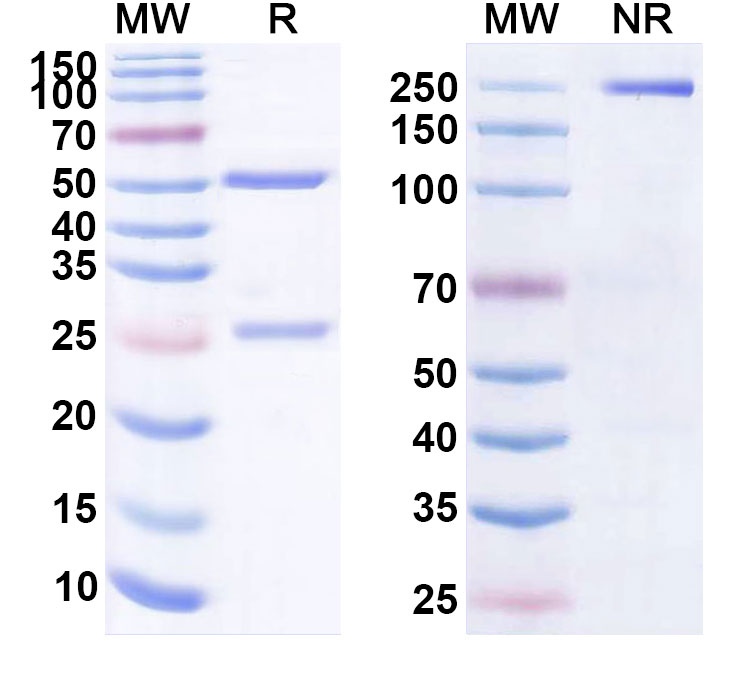
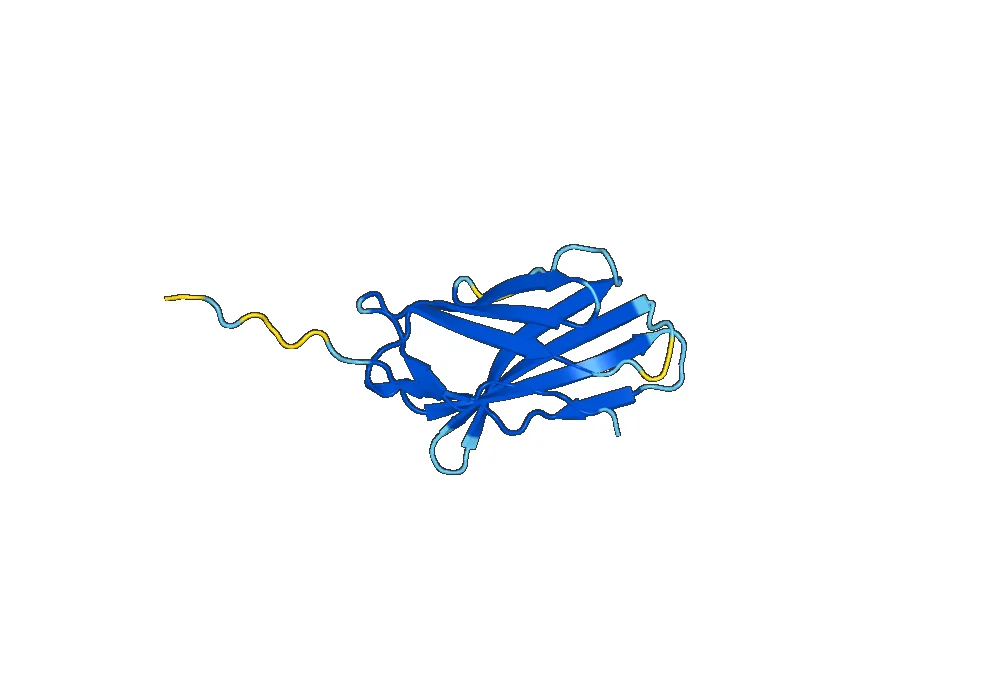
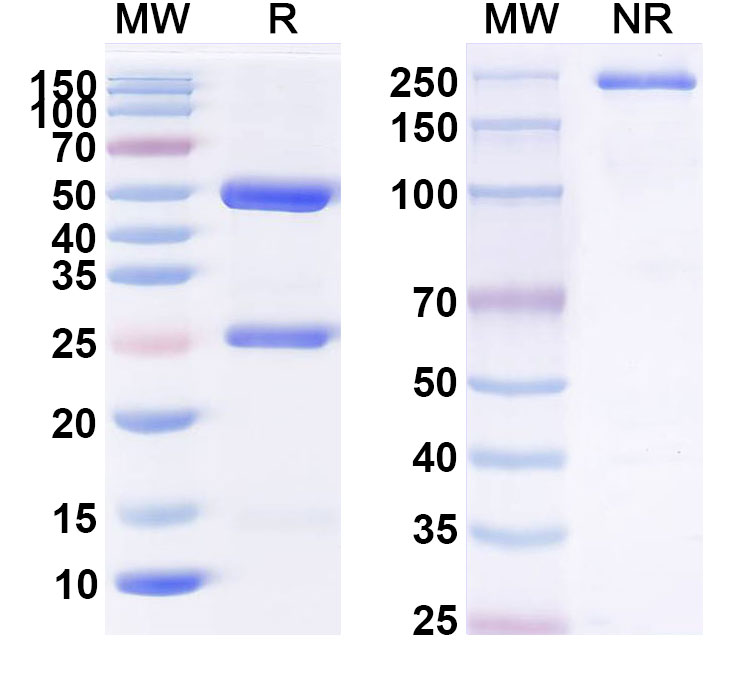
The Anti-CD152 mAb is a monoclonal antibody that specifically binds to the CD152 protein. It is a humanized antibody, which means that it is derived from human antibodies and has been modified to reduce the risk of immune reactions. The antibody has a molecular weight of approximately 150 kDa and is composed of two heavy chains and two light chains. The heavy chains consist of four constant domains (CH1, CH2, CH3, and CH4) and one variable domain (VH), while the light chains consist of two constant domains (CL) and one variable domain (VL).
The variable domains of both the heavy and light chains are responsible for binding to the CD152 protein. These domains contain a specific amino acid sequence that allows the antibody to recognize and bind to the target protein with high affinity. The constant domains, on the other hand, provide stability and effector functions to the antibody.
Activity of Anti-CD152 mAb
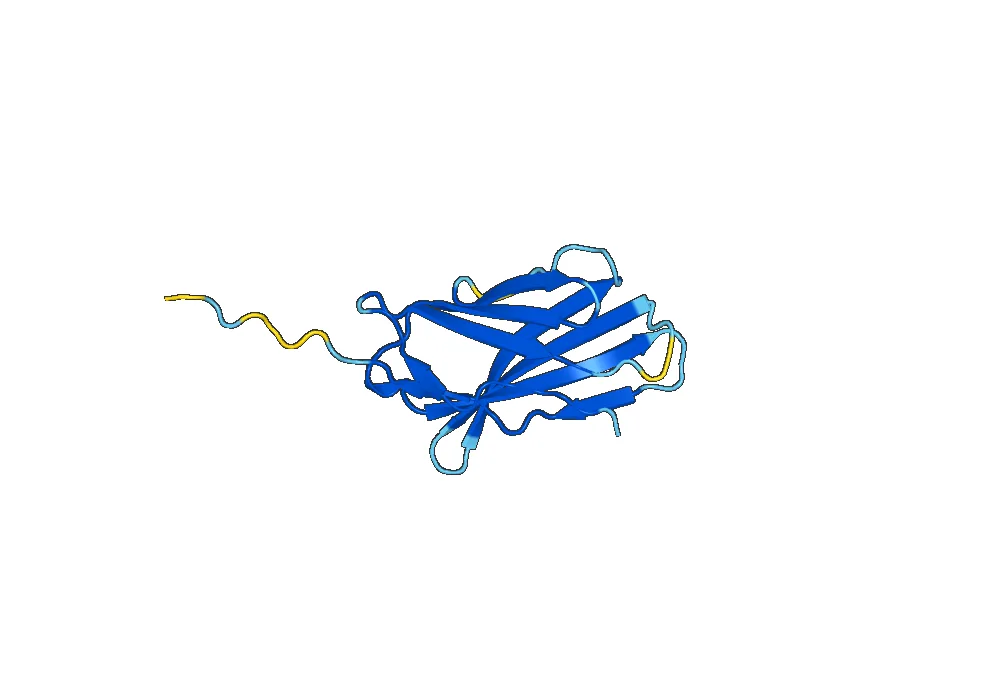
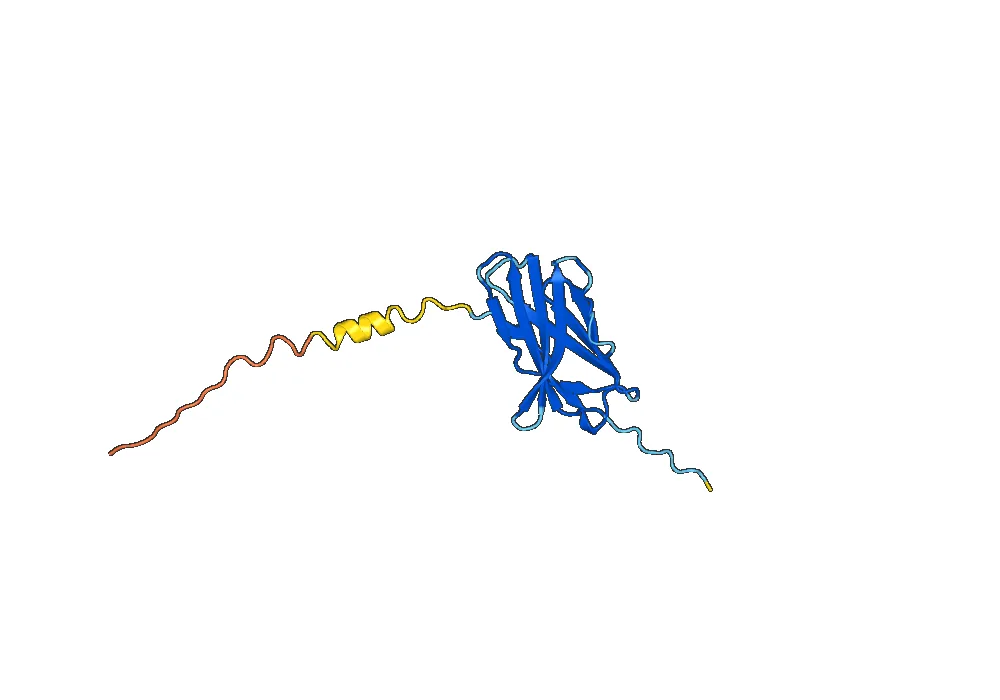
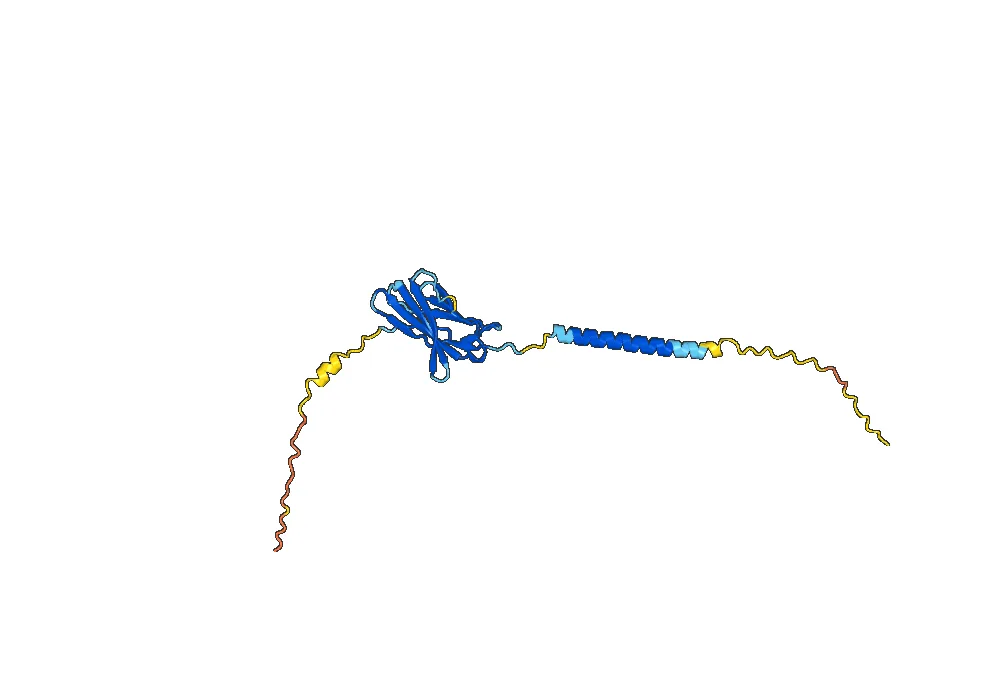
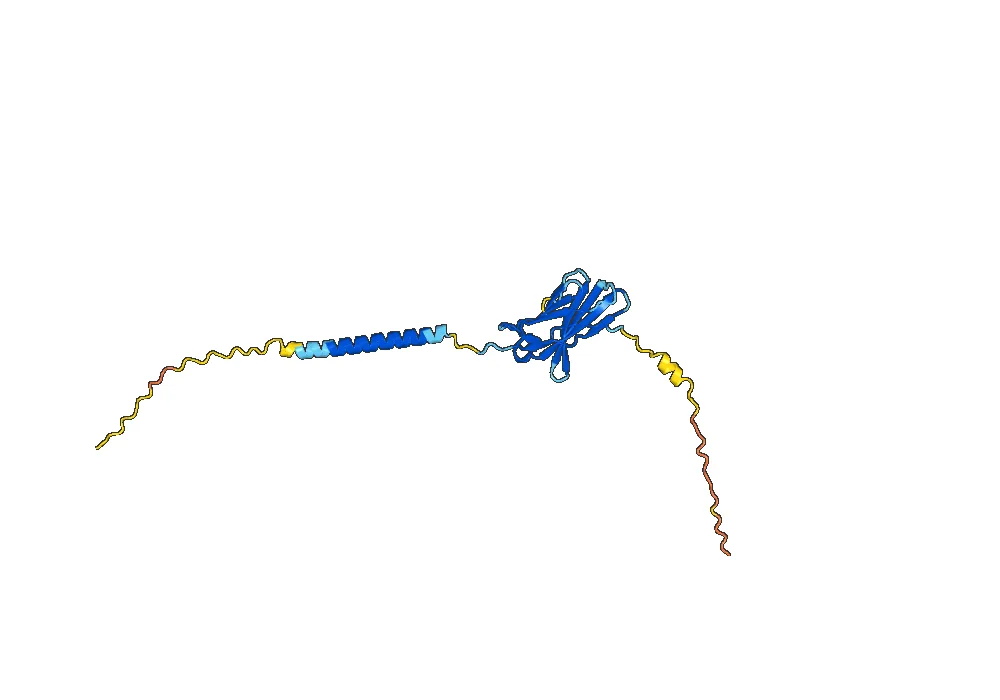
The primary activity of Anti-CD152 mAb is its ability to bind to the CD152 protein. CD152, also known as cytotoxic T-lymphocyte-associated protein 4 (CTLA-4), is a cell surface receptor that plays a critical role in regulating the immune response. It is primarily expressed on the surface of T cells and acts as a negative regulator of T cell activation. By binding to CD152, Anti-CD152 mAb inhibits its function, leading to increased T cell activation and proliferation.
In addition to its primary activity, Anti-CD152 mAb also has other effector functions, such as antibody-dependent cellular cytotoxicity (ADCC) and complement-dependent cytotoxicity (CDC). These functions allow the antibody to induce cell death in CD152-expressing cells, providing a potential mechanism for the treatment of certain diseases.
Applications of Anti-CD152 mAb
The unique structure and activity of Anti-CD152 mAb make it a promising therapeutic agent for various diseases. The primary application of this biosimilar antibody is in the treatment of autoimmune diseases. By inhibiting CD152, the antibody can modulate the immune response and reduce the symptoms of autoimmune diseases such as rheumatoid arthritis, multiple sclerosis, and lupus.
Anti-CD152 mAb also has potential applications in cancer therapy. CD152 is known to be upregulated in certain types of cancer, and its inhibition can enhance the anti-tumor immune response. This makes Anti-CD152 mAb a potential candidate for combination therapy with other cancer treatments.
Moreover, Anti-CD152 mAb is also being studied for its role in organ transplantation. By inhibiting CD152, the antibody can prevent the rejection of transplanted organs, making it a potential immunosuppressive agent.
Conclusion
In summary, Porustobart Biosimilar – Anti-CD152 mAb – Research Grade is a novel biosimilar antibody with a unique structure and activity. Its ability to bind to CD152 and modulate the immune response makes it a promising therapeutic agent for various diseases. With ongoing research and clinical trials, this biosimilar antibody has the potential to revolutionize the treatment of autoimmune diseases, cancer, and organ transplantation.

There are no reviews yet.