Introduction
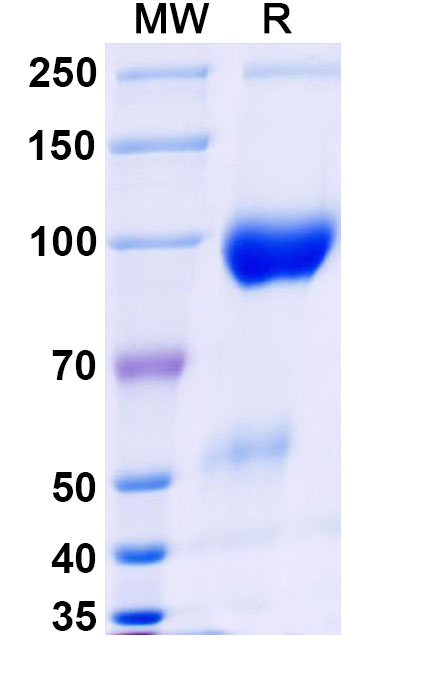
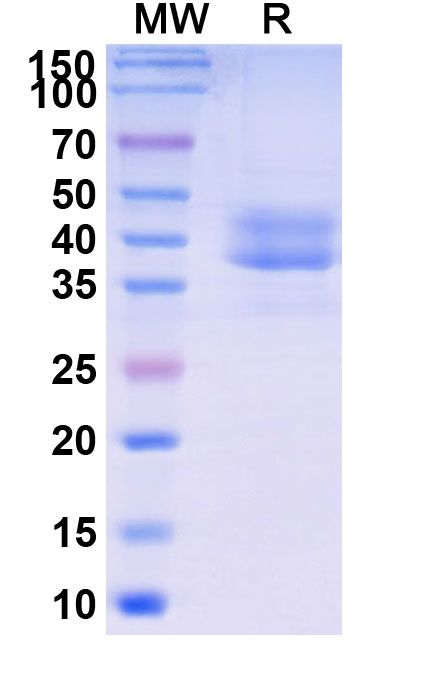
Efaprinermin Alfa Biosimilar, also known as Anti-TNFRSF18 fusion protein, is a novel therapeutic agent that has shown promising results in the treatment of various diseases. This fusion protein is a biosimilar of Efaproxiral, a drug that has been used for the treatment of cancer. In this article, we will discuss the structure, activity and application of Efaprinermin Alfa Biosimilar in detail.
Structure of Efaprinermin Alfa Biosimilar
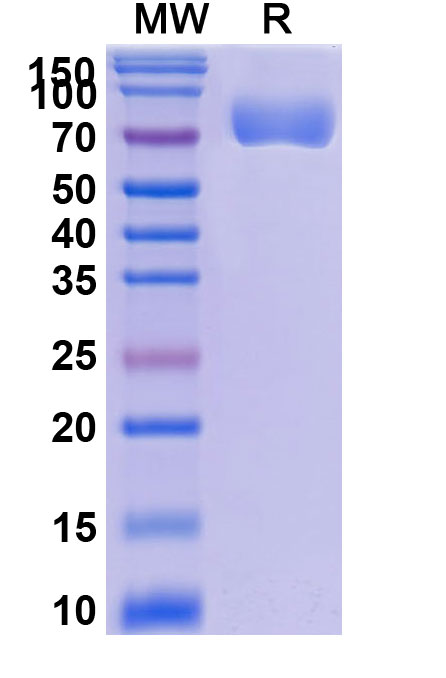
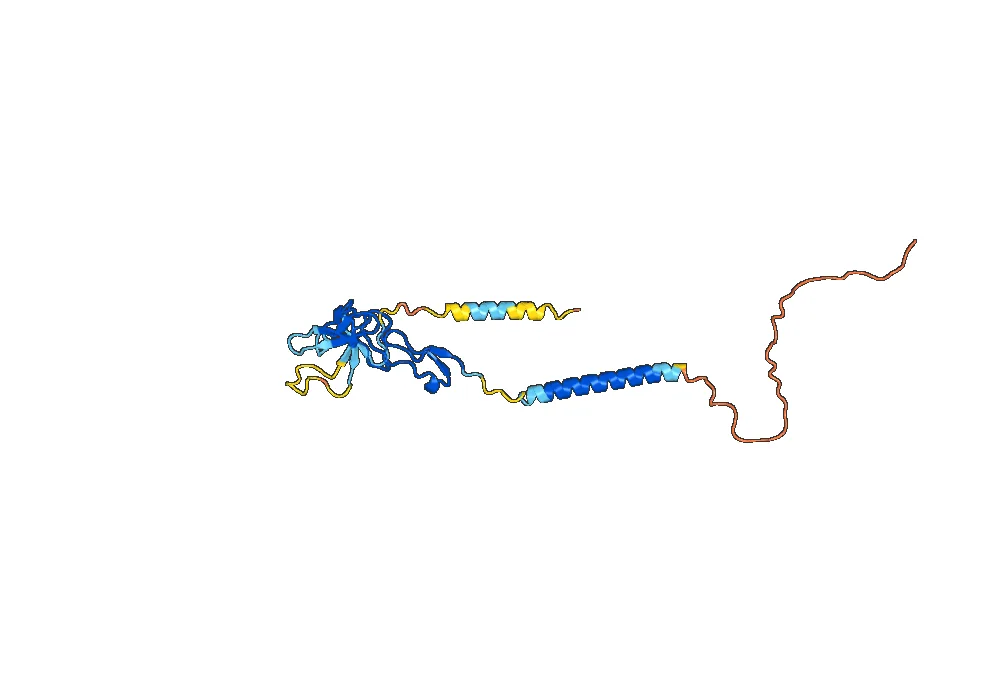
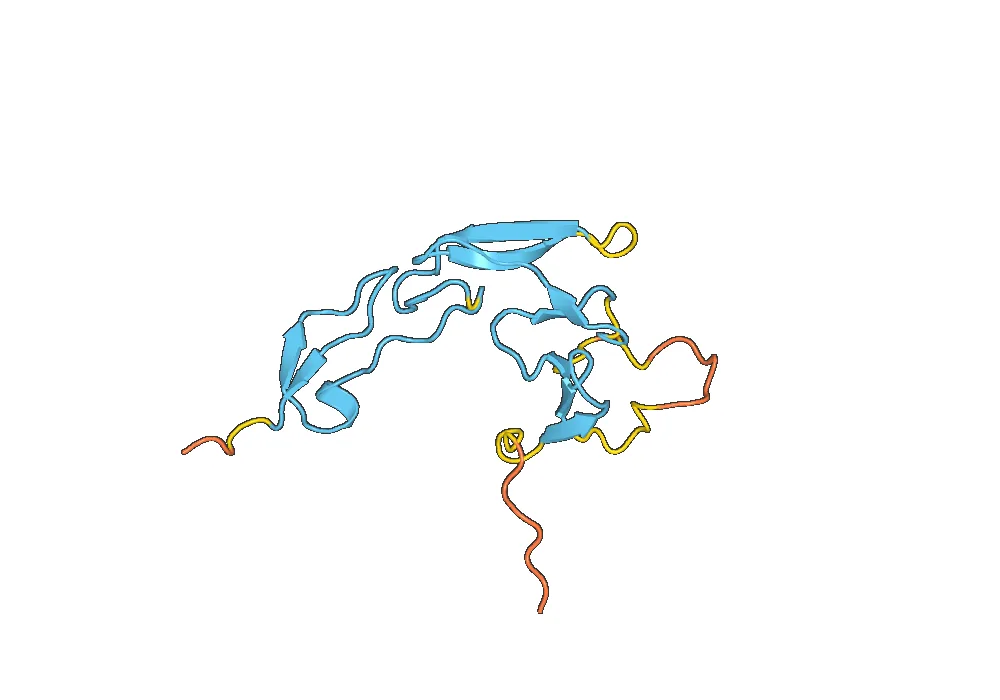
Efaprinermin Alfa Biosimilar is a fusion protein that consists of two components – a humanized anti-TNFRSF18 antibody and a human IgG1 Fc domain. The anti-TNFRSF18 antibody is designed to specifically bind to the TNFRSF18 receptor, which is a member of the tumor necrosis factor receptor superfamily. The Fc domain of the protein is responsible for its effector functions, such as antibody-dependent cellular cytotoxicity (ADCC) and complement-dependent cytotoxicity (CDC).
Activity of Efaprinermin Alfa Biosimilar
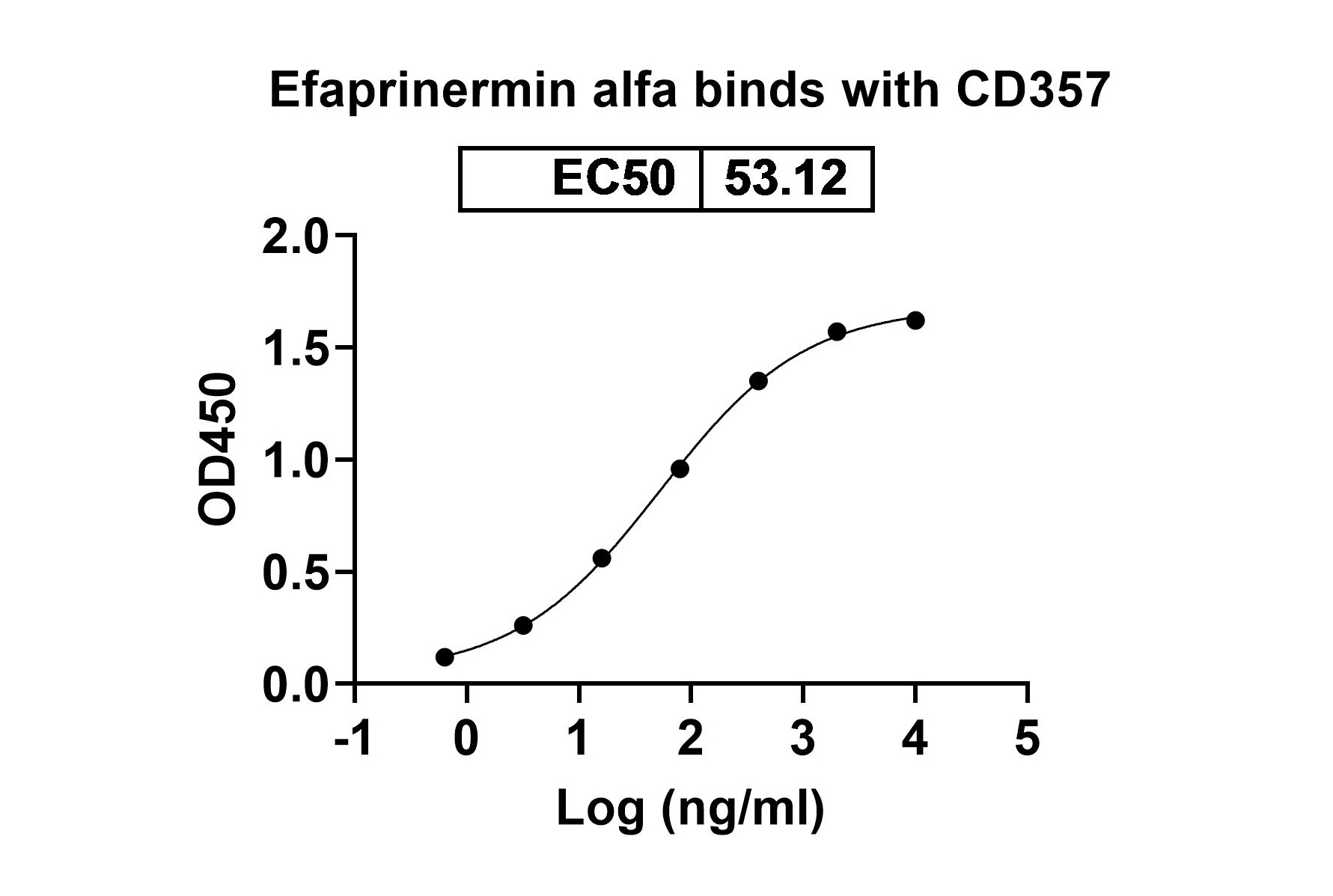
The main activity of Efaprinermin Alfa Biosimilar is its ability to bind to the TNFRSF18 receptor. This receptor is expressed on the surface of various immune cells, including T cells, B cells, and natural killer cells. Upon binding, the fusion protein activates the receptor, leading to downstream signaling pathways that regulate immune responses. This activity of Efaprinermin Alfa Biosimilar makes it a potential therapeutic agent for the treatment of various immune-related diseases.
Application of Efaprinermin Alfa Biosimilar
Efaprinermin Alfa Biosimilar has shown promising results in preclinical studies for the treatment of various diseases, including cancer, autoimmune disorders, and inflammatory diseases. Its ability to activate the TNFRSF18 receptor makes it a potential immunomodulator that can regulate immune responses in these diseases. Here are some specific applications of Efaprinermin Alfa Biosimilar:
1.
Cancer treatment: The TNFRSF18 receptor is highly expressed on the surface of cancer cells. By targeting this receptor, Efaprinermin Alfa Biosimilar can induce cell death in cancer cells, making it a potential anti- cancer agent. Clinical trials have shown promising results in the treatment of solid tumors, such as breast cancer and lung cancer.
2.
Autoimmune disorders: In autoimmune disorders, the immune system mistakenly attacks healthy cells and tissues. By activating the TNFRSF18 receptor, Efaprinermin Alfa Biosimilar can regulate the immune response and reduce inflammation. This makes it a potential treatment for diseases such as rheumatoid arthritis, multiple sclerosis, and lupus.
3. Inflammatory diseases: Inflammation is a key component of many diseases, including asthma, inflammatory bowel disease, and psoriasis. Efaprinermin Alfa Biosimilar has shown to reduce inflammation by targeting the TNFRSF18 receptor, making it a potential treatment for these diseases.
Conclusion
In conclusion, Efaprinermin Alfa Biosimilar is a novel fusion protein that has shown promising results in the treatment of various diseases. Its structure, consisting of an anti-TNFRSF18 antibody and a human IgG1 Fc domain, allows it to specifically target the TNFRSF18 receptor and regulate immune responses. With its potential applications in cancer, autoimmune disorders, and inflammatory diseases, Efaprinermin Alfa Biosimilar holds great promise as a therapeutic agent for the future.

There are no reviews yet.