Asunercept Biosimilar – Anti-CD95L fusion protein – Research Grade Introduction
Asunercept Biosimilar is a novel anti-CD95L fusion protein that has been developed as a potential therapeutic agent for various diseases. This research grade product is a biosimilar version of the original Asunercept, which has shown promising results in pre-clinical and clinical studies. In this article, we will provide a scientific description of the structure, activity, and potential applications of Asunercept Biosimilar.
Structure of Asunercept Biosimilar
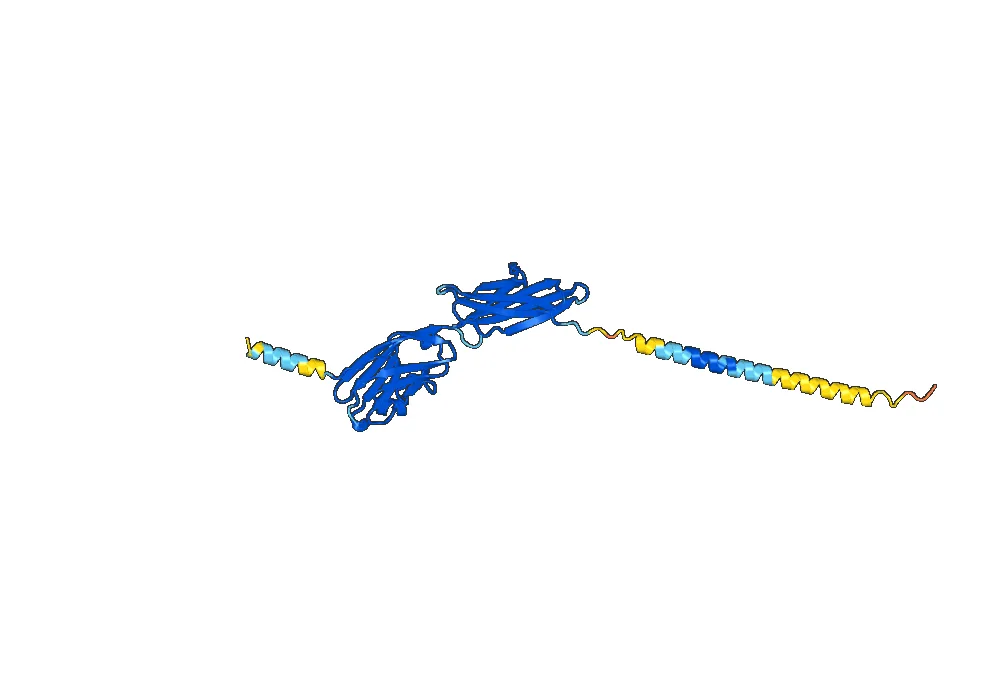
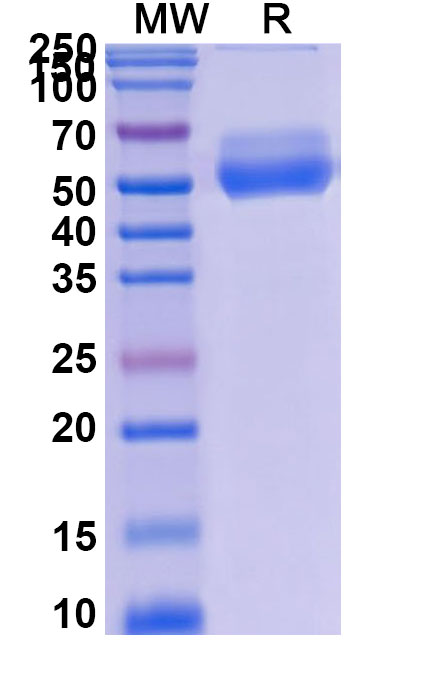
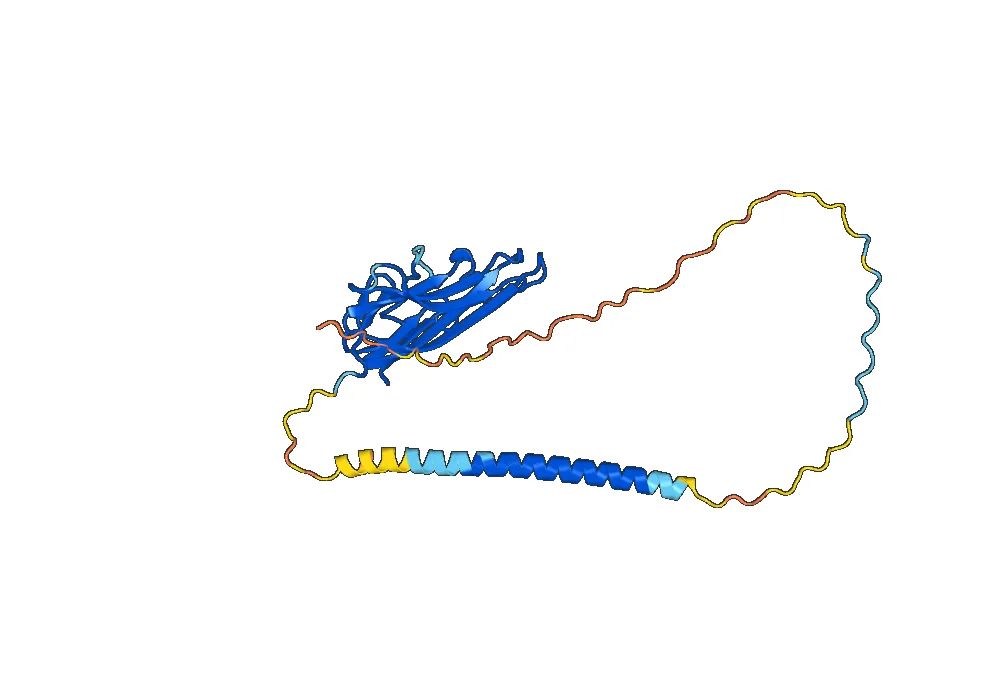
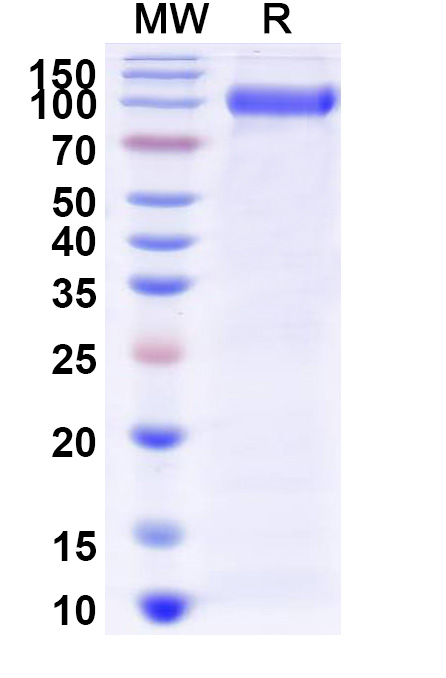
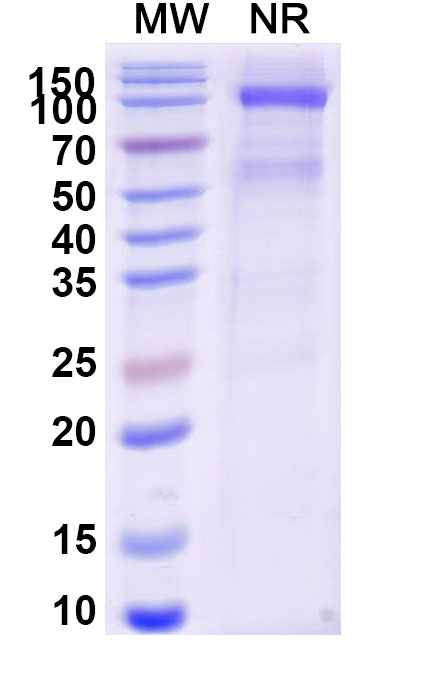
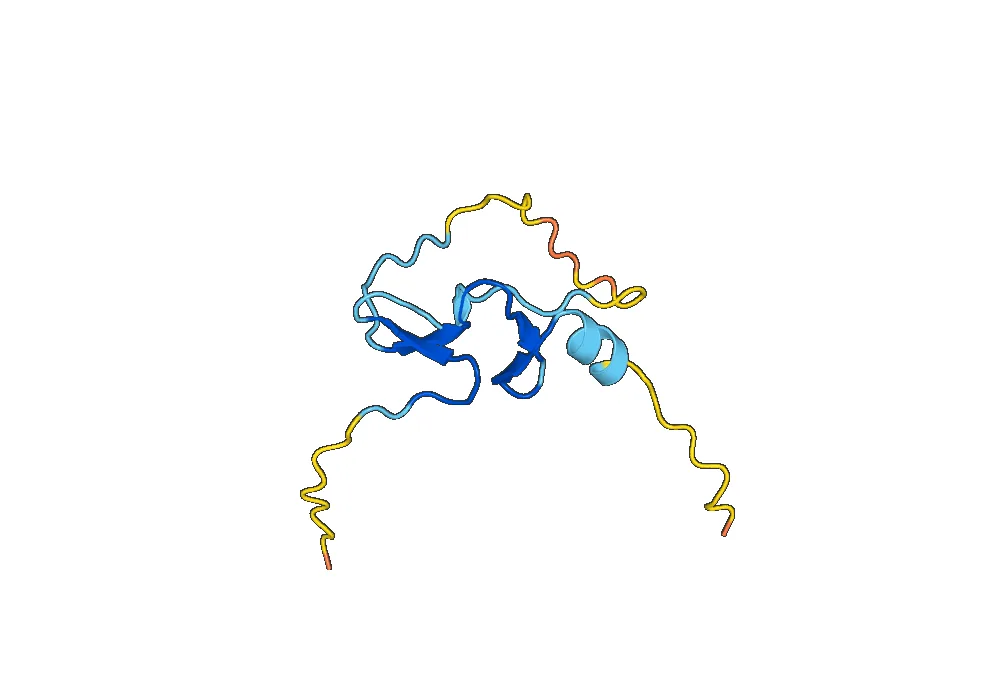
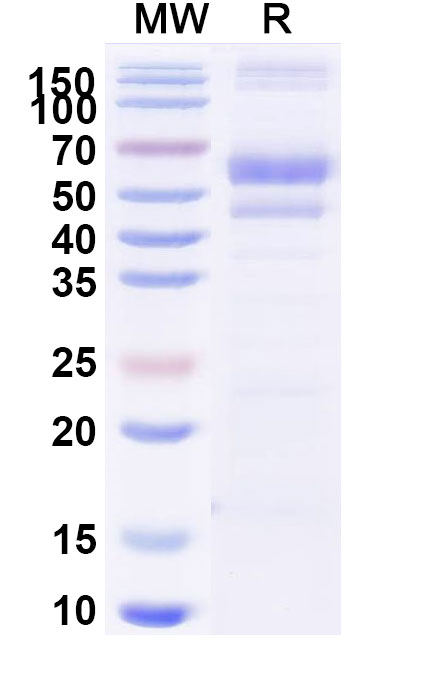
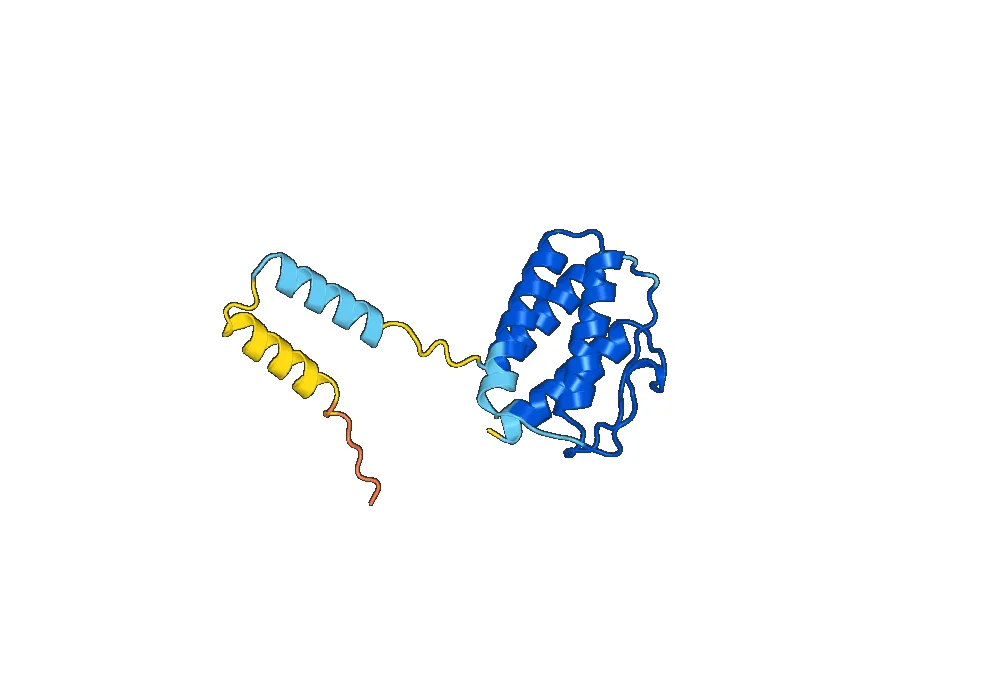
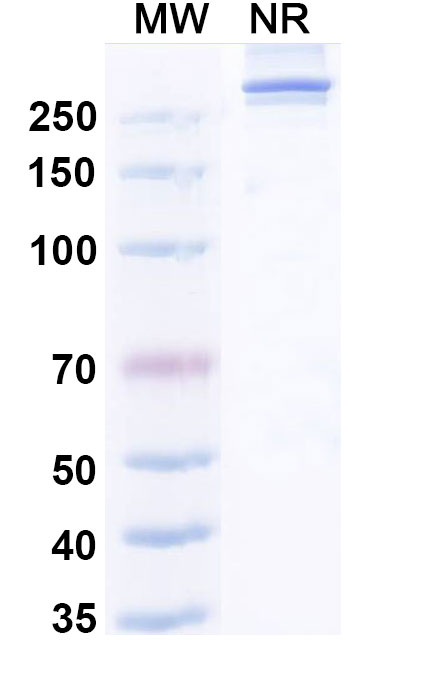
Asunercept Biosimilar is a fusion protein composed of two components: the extracellular domain of human CD95 (Fas/APO-1) receptor and the Fc region of human IgG1 antibody. The CD95 domain is responsible for binding to CD95L, while the Fc region provides stability and enhances the half-life of the protein in the body. This fusion protein has a molecular weight of approximately 80 kDa and is produced using recombinant DNA technology.
Mechanism of Action
Asunercept Biosimilar works by inhibiting the activity of CD95L, a protein that is involved in cell death and inflammation. CD95L, also known as Fas ligand or Apo-1 ligand, is a member of the tumor necrosis factor (TNF) family and is expressed on the surface of various cells, including immune cells and cancer cells. When CD95L binds to its receptor, CD95, it triggers a signaling pathway that leads to cell death. By blocking this interaction, Asunercept Biosimilar can prevent excessive cell death and inflammation, which are implicated in many diseases.
Applications of Asunercept Biosimilar
Asunercept Biosimilar has shown potential as a therapeutic agent for various diseases, including autoimmune disorders, cancer, and infectious diseases. Here are some of the specific applications where Asunercept Biosimilar may be beneficial:
1.
Autoimmune Disorders
Autoimmune disorders, such as rheumatoid arthritis, multiple sclerosis, and psoriasis, are characterized by an overactive immune response. Asunercept Biosimilar can modulate the immune response by inhibiting CD95L, which is involved in the activation and death of immune cells. This could potentially reduce the symptoms and progression of autoimmune diseases.
2.
Cancer
CD95L is overexpressed in many types of cancer, and its interaction with CD95 can promote tumor growth and metastasis. Asunercept Biosimilar can block this interaction and inhibit the growth and survival of cancer cells. It may also enhance the effectiveness of other cancer treatments, such as chemotherapy and immunotherapy.
3.
Infectious Diseases
Infectious diseases, such as viral infections and sepsis, can lead to excessive cell death and inflammation. Asunercept Biosimilar can prevent this by inhibiting CD95L, which is upregulated in response to infection. It may also enhance the immune response against pathogens by modulating the activity of immune cells.
Research Grade
Asunercept Biosimilar is currently available as a research grade product, which means it is intended for use in laboratory research and not for human or animal use. It is produced under strict quality control standards to ensure purity, potency, and consistency. Researchers can use this product to study the mechanism of action, efficacy, and safety of Asunercept Biosimilar in various disease models.
Conclusion
Asunercept Biosimilar is a promising therapeutic agent that targets CD95L, a protein involved in cell death and inflammation. Its unique structure and mechanism of action make it a potential treatment option for various diseases, including autoimmune disorders, cancer, and infectious diseases. As a research grade product, it offers a valuable tool

There are no reviews yet.