Introduction
Atacicept Biosimilar is a novel fusion protein that has recently gained attention in the field of biotechnology. This protein is a biosimilar of Atacicept, an anti-BAFF (B-cell activating factor) and APRIL (a proliferation-inducing ligand) monoclonal antibody. Atacicept Biosimilar is a research grade protein that has shown promising results in pre-clinical studies and is currently being evaluated for its therapeutic potential in various diseases. In this article, we will discuss the structure, activity, and potential applications of Atacicept Biosimilar.
Structure of Atacicept Biosimilar
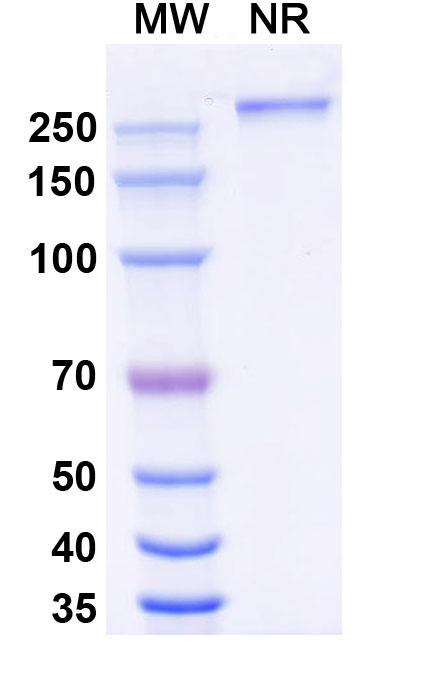
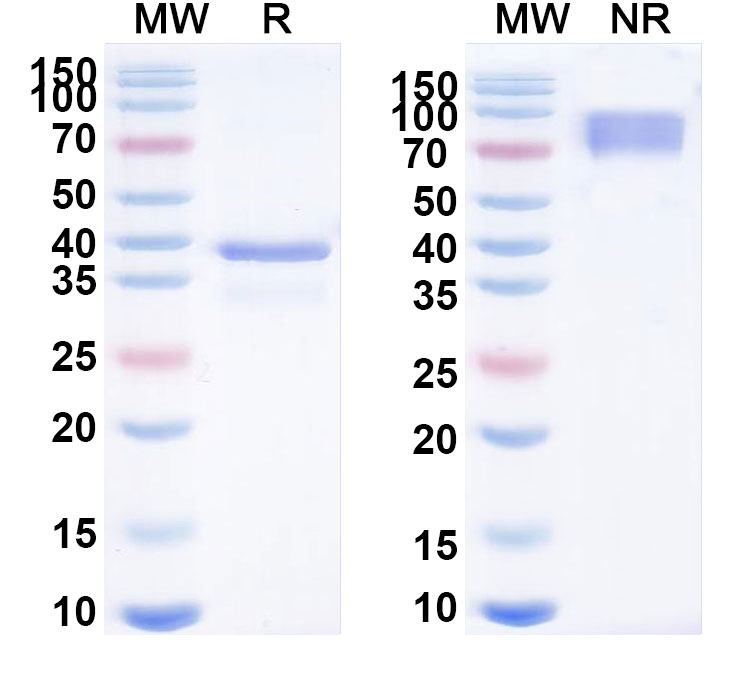
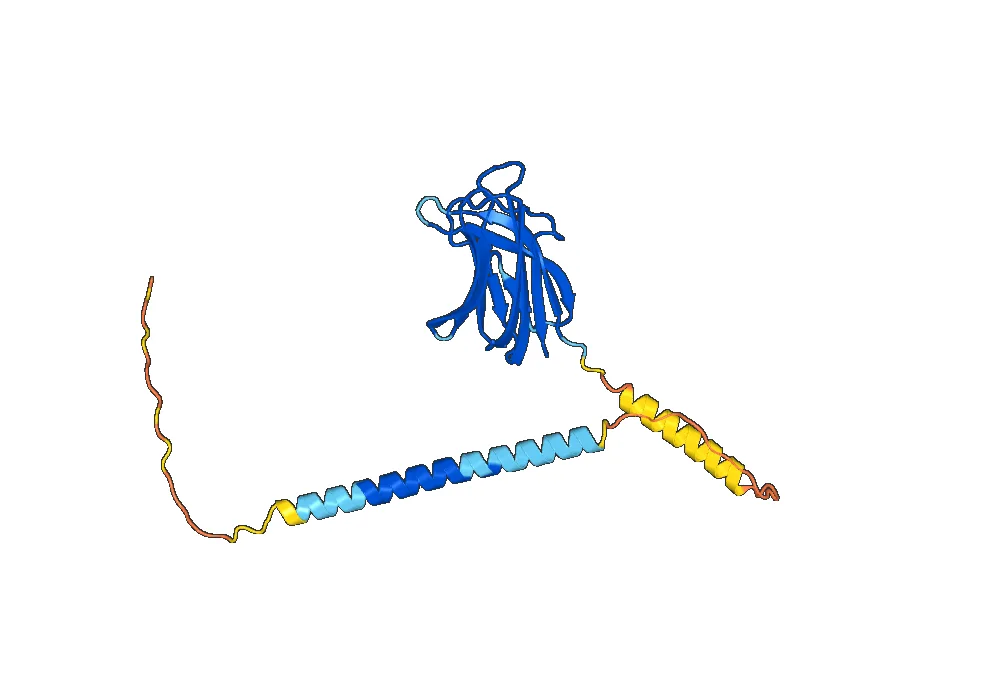
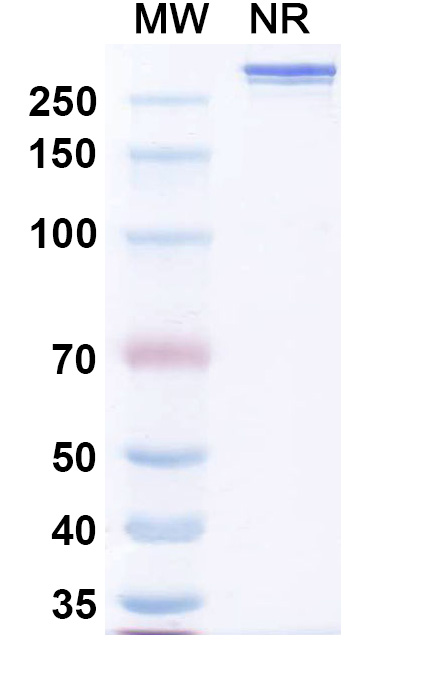
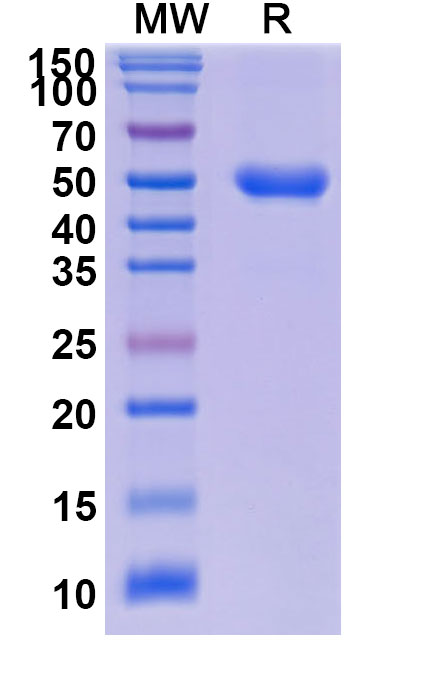
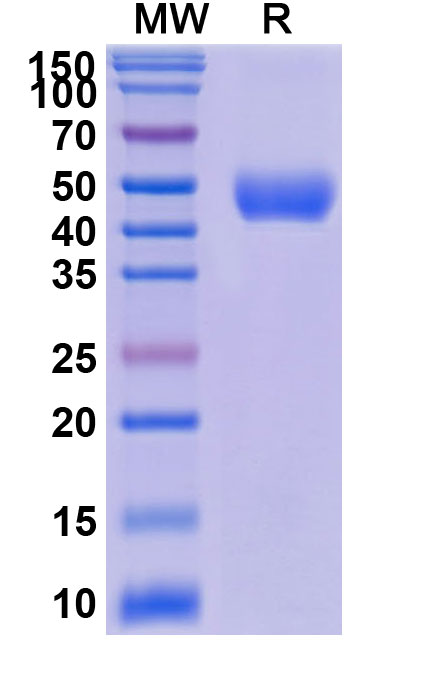
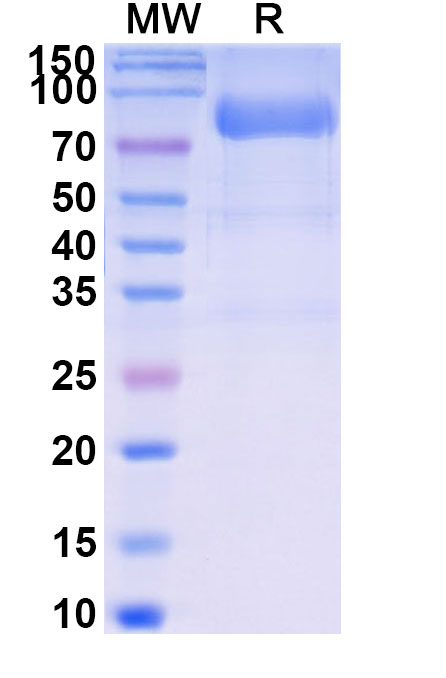
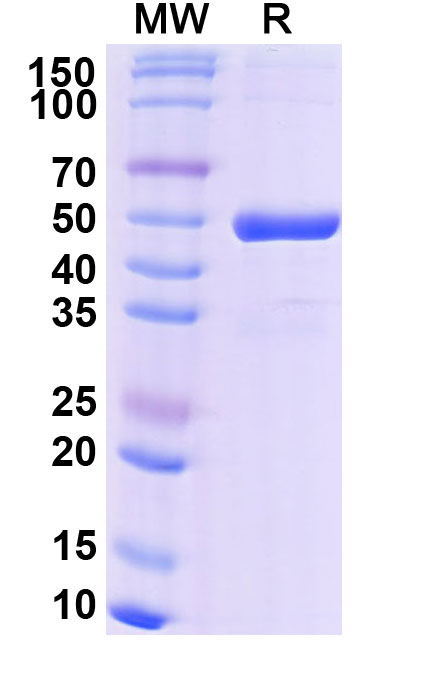
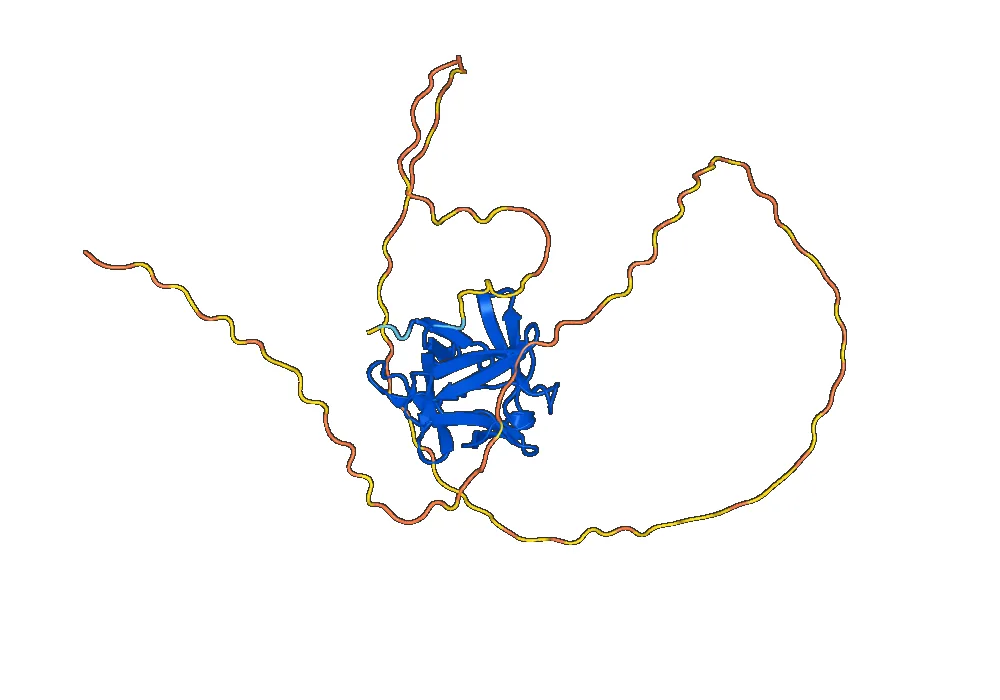
Atacicept Biosimilar is a fusion protein composed of the extracellular domain of human TACI (transmembrane activator and calcium-modulating cyclophilin ligand interactor) and the Fc region of human IgG1. The TACI domain is responsible for binding to BAFF and APRIL, while the Fc region is responsible for effector functions such as antibody-dependent cellular cytotoxicity (ADCC) and complement-dependent cytotoxicity (CDC). The fusion of these two domains results in a protein with a molecular weight of approximately 90 kDa.
Activity of Atacicept Biosimilar
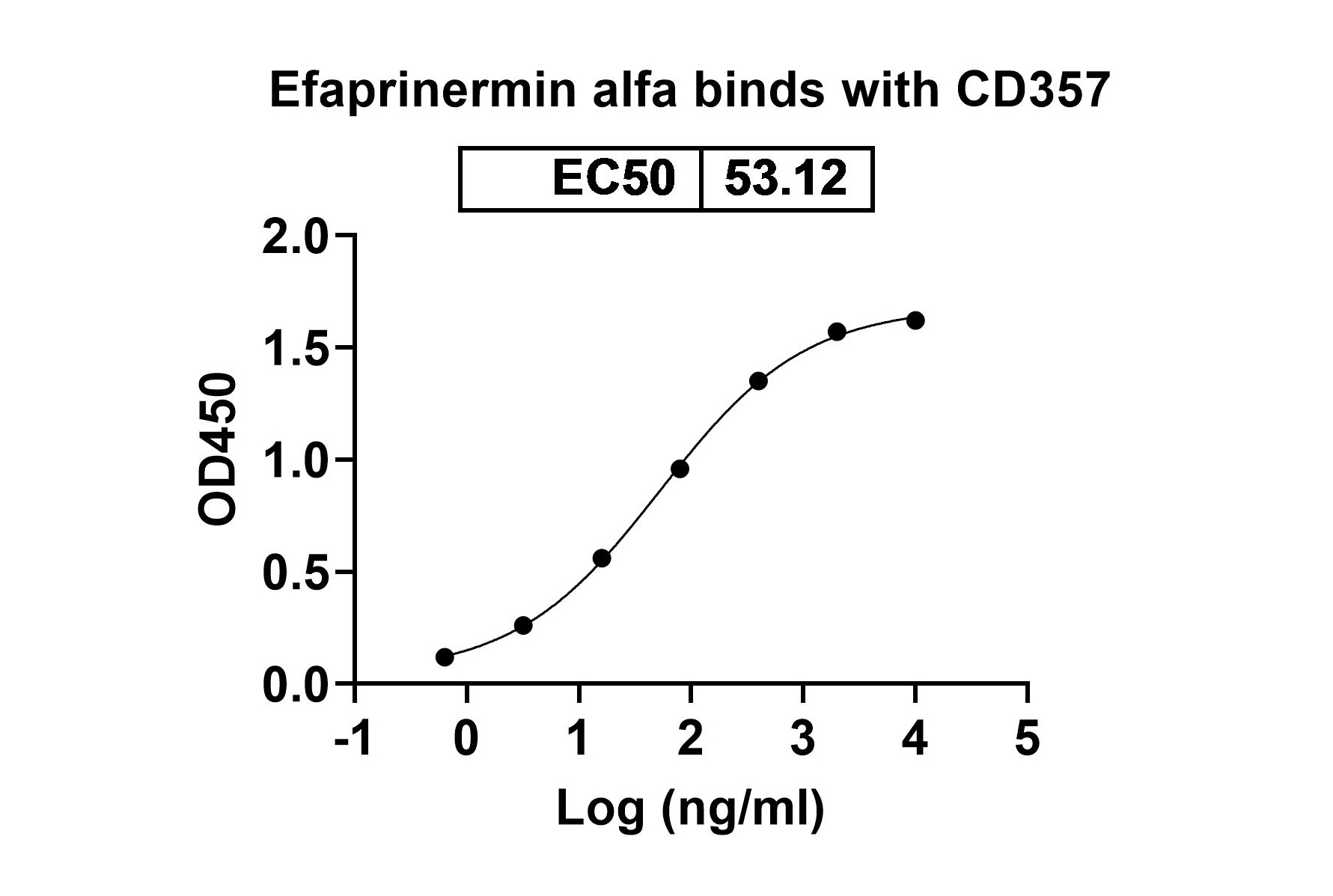
Atacicept Biosimilar acts as a potent inhibitor of both BAFF and APRIL, which are key regulators of B-cell survival and differentiation. BAFF and APRIL are members of the tumor necrosis factor (TNF) superfamily and play a critical role in the development and maintenance of B-cells. Overexpression of BAFF and APRIL has been linked to various autoimmune diseases, including systemic lupus erythematosus, rheumatoid arthritis, and multiple sclerosis. Atacicept Biosimilar binds to both BAFF and APRIL with high affinity, thereby blocking their interaction with their receptors on B-cells and preventing their survival and differentiation.
In addition to its inhibitory activity on BAFF and APRIL, Atacicept Biosimilar also has effector functions through its Fc region. This allows the protein to induce ADCC and CDC, leading to the elimination of BAFF- and APRIL-expressing cells by immune cells. This dual mechanism of action makes Atacicept Biosimilar a promising therapeutic candidate for diseases associated with BAFF and APRIL dysregulation.
Potential Applications of Atacicept Biosimilar
Atacicept Biosimilar has shown potential in various pre-clinical studies and is currently being evaluated for its therapeutic potential in several diseases. Some of the potential applications of Atacicept Biosimilar include:
- Autoimmune diseases: As mentioned earlier, overexpression of BAFF and APRIL has been linked to various autoimmune diseases. Atacicept Biosimilar has shown promising results in pre-clinical studies for the treatment of diseases such as systemic lupus erythematosus, rheumatoid arthritis, and multiple sclerosis.
- B-cell malignancies: BAFF and APRIL have also been implicated in the development and progression of B-cell malignancies, such as B-cell lymphomas and leukemias. Atacicept Biosimilar has shown potential in pre-clinical studies for the treatment of these malignancies.
- Transplant rejection: BAFF and APRIL have been shown to play a role in the rejection of transplanted organs. Atacicept Biosimilar may have a potential role in preventing transplant rejection by inhibiting BAFF- and APRIL-mediated immune responses.
- Chronic inflammatory diseases: Atacicept Biosimilar has also been studied for its potential in chronic inflammatory diseases, such as psoriasis and inflammatory bowel disease.
Conclusion
In conclusion, Atacicept Biosimilar is a novel fusion protein with a unique mechanism of action. Its ability to inhibit both BA
There are no reviews yet.