Introduction
Derlotuximab Biosimilar is a monoclonal antibody (mAb) that targets DNA-H1 complex, a key component of the immune system. This biosimilar is being developed as a potential therapeutic option for various diseases, including autoimmune disorders and cancer. In this article, we will discuss the structure, activity, and potential applications of Derlotuximab Biosimilar.
Structure of Derlotuximab Biosimilar
Derlotuximab Biosimilar is a recombinant humanized mAb, which means it is produced in a laboratory using genetic engineering techniques. It is a biosimilar of the anti-DNA, H1 complex mAb, which is a naturally occurring antibody in the body. The biosimilar has a similar structure to the original antibody, with some minor differences in the amino acid sequence.
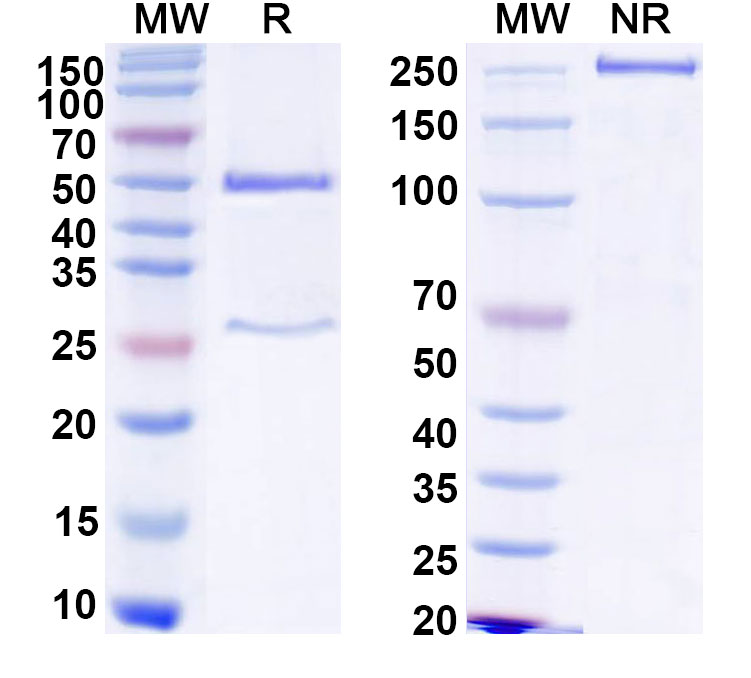
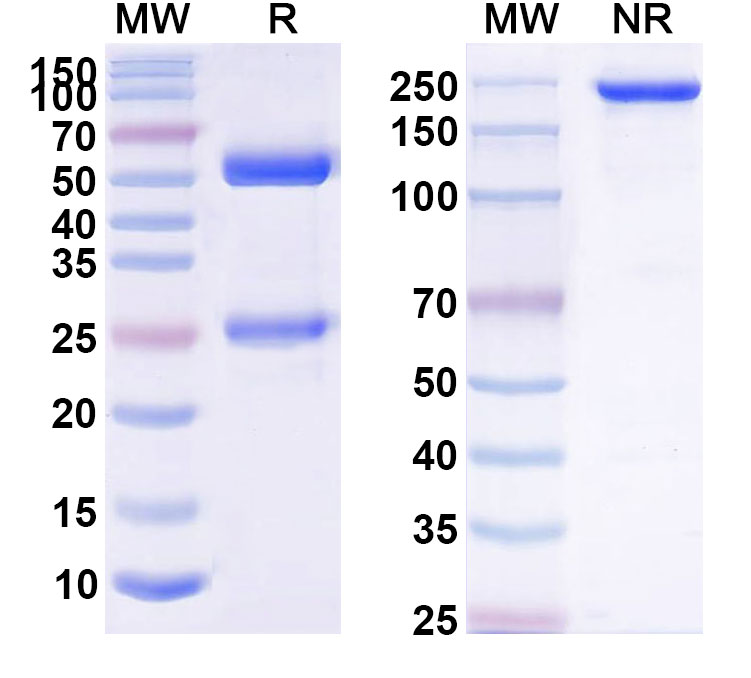
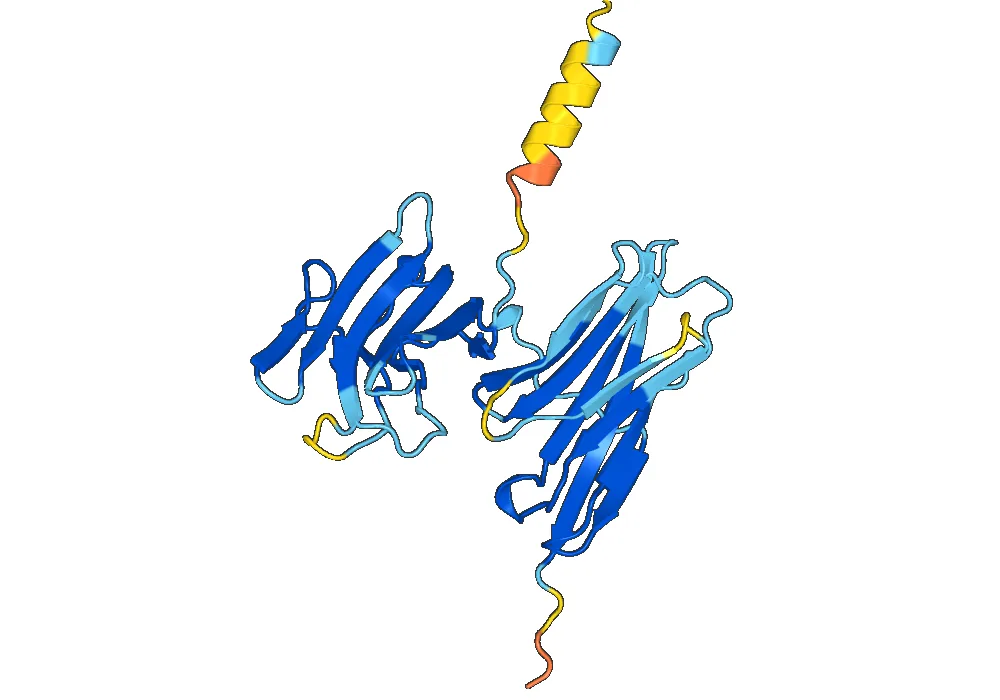
The mAb is composed of two identical heavy chains and two identical light chains, which are connected by disulfide bonds. The heavy chains contain a constant region and a variable region, while the light chains only have a variable region. The variable regions of the heavy and light chains are responsible for binding to the DNA-H1 complex.
Activity of Derlotuximab Biosimilar
Derlotuximab Biosimilar specifically targets the DNA-H1 complex, which is a complex of DNA and histone proteins. This complex is found in the nuclei of cells and plays a crucial role in regulating gene expression. However, in certain diseases, the DNA-H1 complex can become overactive, leading to abnormal immune responses and disease progression.
By binding to the DNA-H1 complex, Derlotuximab Biosimilar can inhibit its activity, thereby reducing the abnormal immune response and potentially treating the underlying disease. This activity is similar to that of the original anti-DNA, H1 complex mAb, making Derlotuximab Biosimilar a promising therapeutic option.
Applications of Derlotuximab Biosimilar
Derlotuximab Biosimilar has potential applications in the treatment of various diseases, including autoimmune disorders and cancer. In autoimmune disorders, the abnormal immune response can be caused by an overactive DNA-H1 complex. By targeting this complex, Derlotuximab Biosimilar can potentially reduce the symptoms and progression of the disease.
In cancer, the DNA-H1 complex has been found to play a role in tumor growth and metastasis. By inhibiting its activity, Derlotuximab Biosimilar may be able to slow down or even stop the growth of cancer cells. It can also potentially enhance the effectiveness of other cancer treatments, such as chemotherapy and radiation therapy.
Conclusion
In conclusion, Derlotuximab Biosimilar is a promising therapeutic option for various diseases, thanks to its specific targeting of the DNA-H1 complex. Its similar structure and activity to the original anti-DNA, H1 complex mAb make it a reliable and effective treatment option. Further research and clinical trials are needed to fully understand the potential of Derlotuximab Biosimilar and its role in treating autoimmune disorders and cancer.

There are no reviews yet.