Introduction to Delpacibart Biosimilar – Anti-Transferrin Receptor Protein 1 mAb
Delpacibart Biosimilar is a novel therapeutic antibody that targets the transferrin receptor protein 1 (TfR1). This biosimilar is a research grade version of the original Delpacibart antibody, which has shown promising results in pre-clinical studies. In this article, we will explore the structure, activity, and potential applications of Delpacibart Biosimilar in the field of antibody-based therapeutics.
Structure of Delpacibart Biosimilar
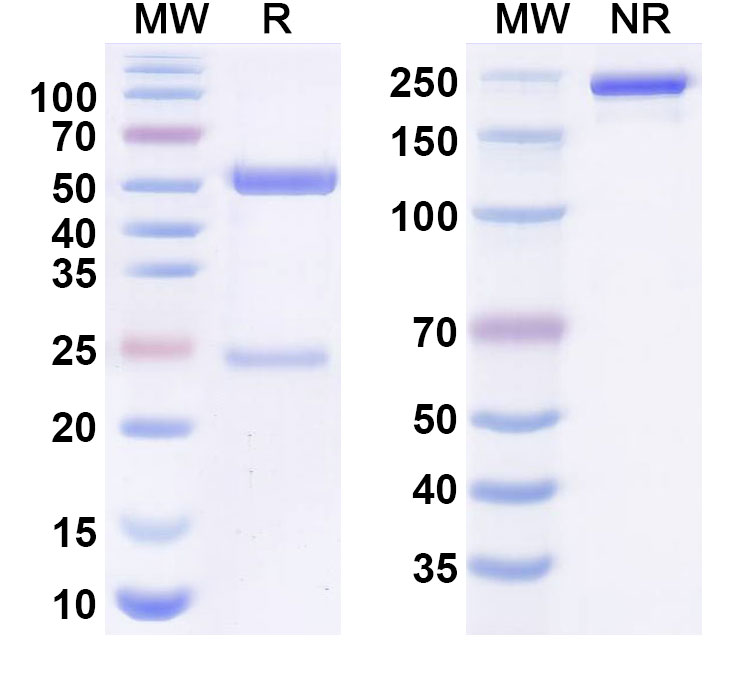
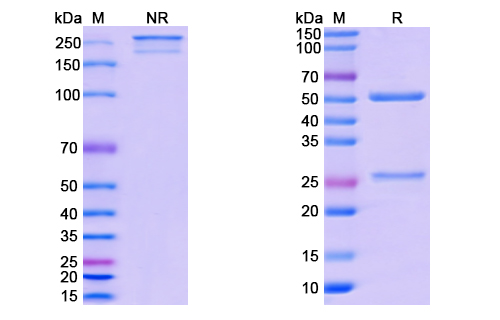
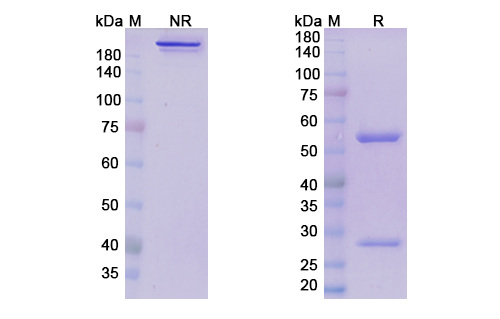
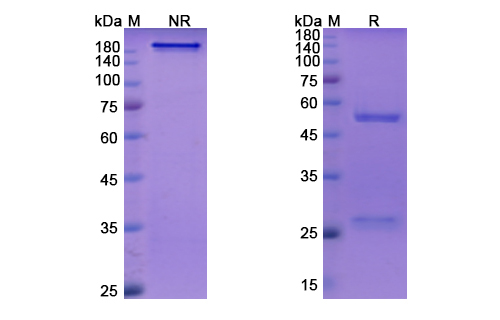
Delpacibart Biosimilar is a monoclonal antibody (mAb) that specifically binds to TfR1, a transmembrane protein expressed on the surface of cells. The antibody is composed of two heavy chains and two light chains, linked together by disulfide bonds. The variable regions of the heavy and light chains determine the specificity of Delpacibart Biosimilar for TfR1.
Mechanism of Action
Once bound to TfR1, Delpacibart Biosimilar inhibits the uptake of transferrin, a protein that transports iron into cells. This leads to a decrease in intracellular iron levels, which is essential for the growth and proliferation of cancer cells. Additionally, TfR1 is overexpressed in many types of cancer cells, making it an attractive therapeutic target for antibody-based treatments.
Title: Potential Applications of Delpacibart Biosimilar
Delpacibart Biosimilar has the potential to be used in the treatment of various types of cancer, including breast cancer, lung cancer, and leukemia. By targeting TfR1, the antibody can inhibit the growth and proliferation of cancer cells, making it a promising therapy for these diseases.
Advantages of Delpacibart Biosimilar
Compared to traditional small molecule inhibitors, Delpacibart Biosimilar offers several advantages. As a monoclonal antibody, it has a high specificity for its target, minimizing off-target effects. It also has a longer half-life in the body, allowing for less frequent dosing. Additionally, Delpacibart Biosimilar can be easily modified to enhance its therapeutic properties, such as increasing its binding affinity or conjugating it with toxins for targeted delivery.
Title: Pre-Clinical Studies
In pre-clinical studies, Delpacibart Biosimilar has shown promising results in inhibiting the growth of cancer cells in vitro and in vivo. In a study on breast cancer cells, the antibody was able to significantly reduce cell proliferation and induce cell death. In a mouse model of lung cancer, Delpacibart Biosimilar was shown to inhibit tumor growth and improve survival rates.
Future Directions
Based on the positive results from pre-clinical studies, Delpacibart Biosimilar is currently being evaluated in clinical trials for the treatment of various types of cancer. These trials will assess the safety and efficacy of the antibody in human patients, with the goal of obtaining regulatory approval for its use in the clinic.
Conclusion
In summary, Delpacibart Biosimilar is a promising therapeutic antibody that targets TfR1, a protein overexpressed in many types of cancer cells. Its unique structure and mechanism of action make it a potential treatment option for various types of cancer. With ongoing clinical trials, Delpacibart Biosimilar has the potential to become a valuable addition to the arsenal of antibody-based therapeutics for cancer treatment.

There are no reviews yet.