Introduction
Coramitug Biosimilar is a novel therapeutic antibody that targets transthyretin, a protein involved in various diseases such as amyloidosis and familial amyloid polyneuropathy. This biosimilar is a research grade version of the original antibody, with similar structure and activity but produced at a lower cost, making it more accessible for research purposes.
Structure of Coramitug Biosimilar
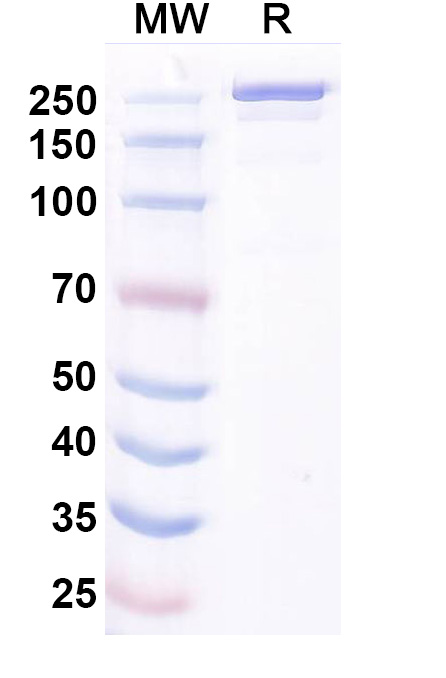
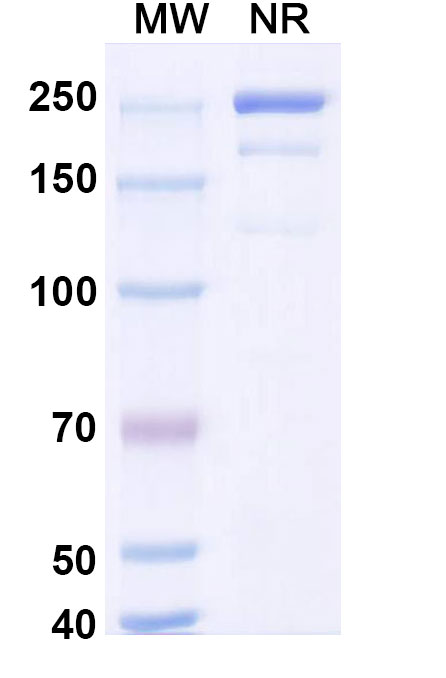
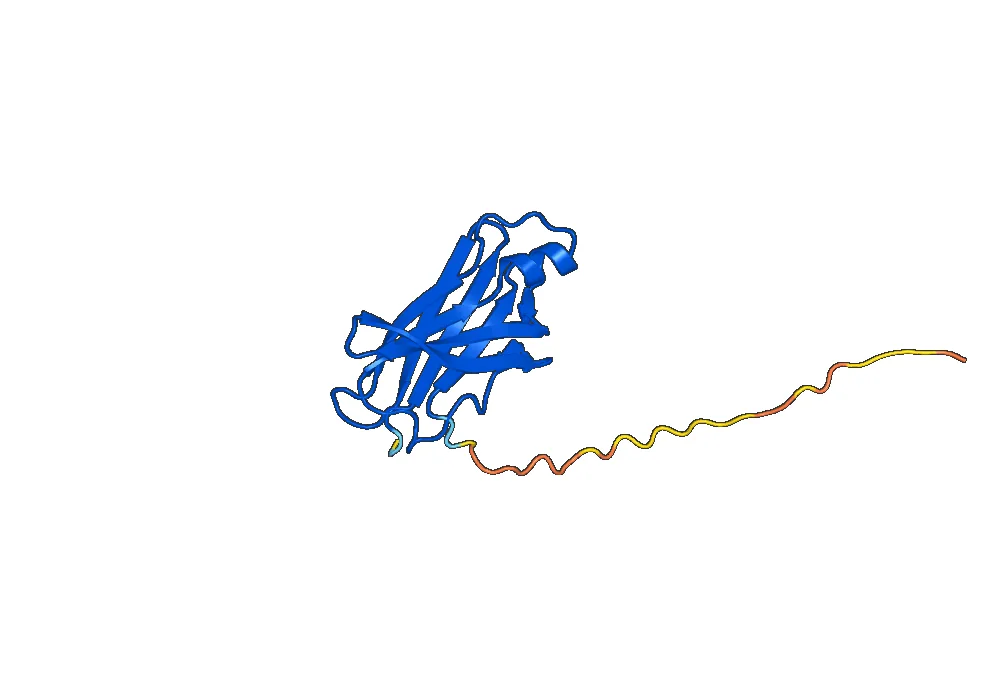
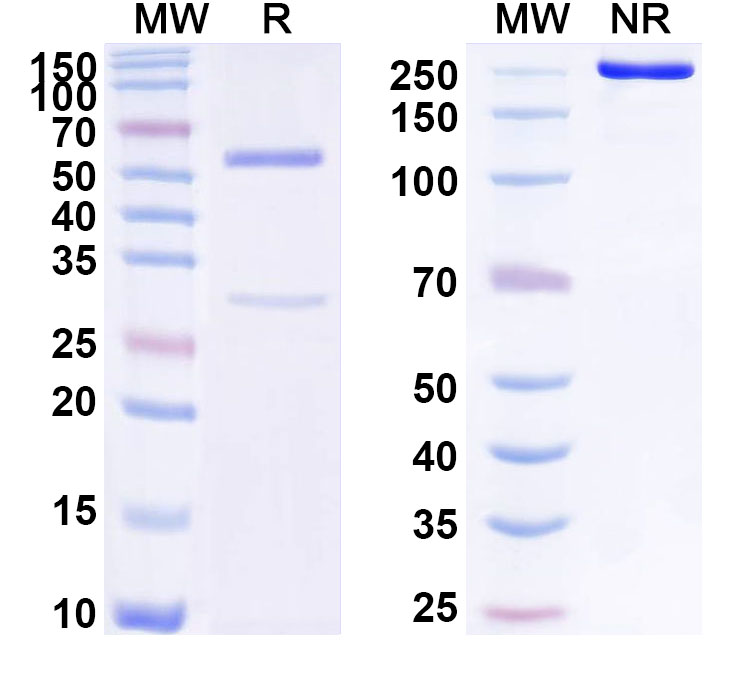
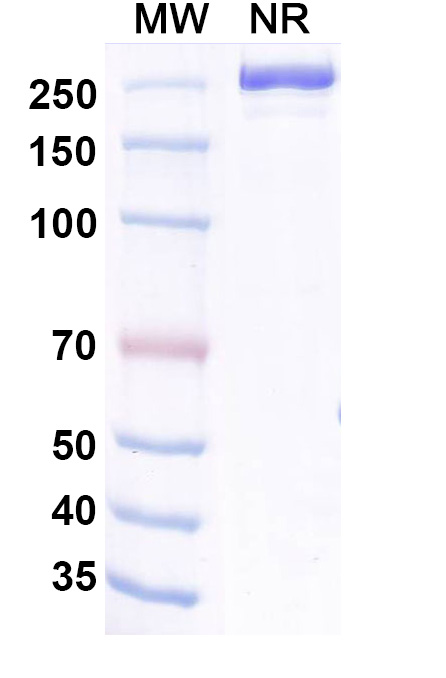
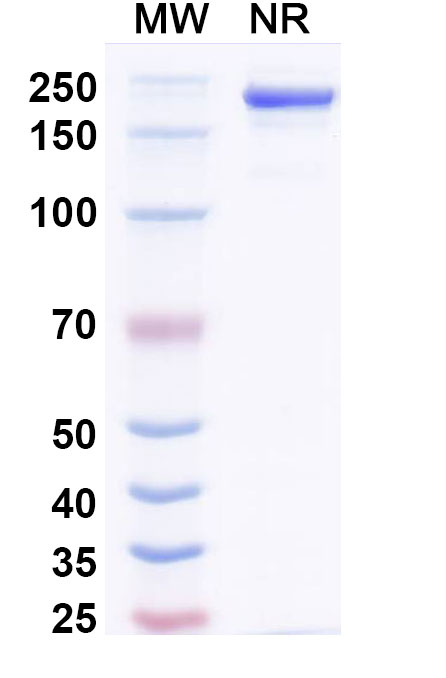
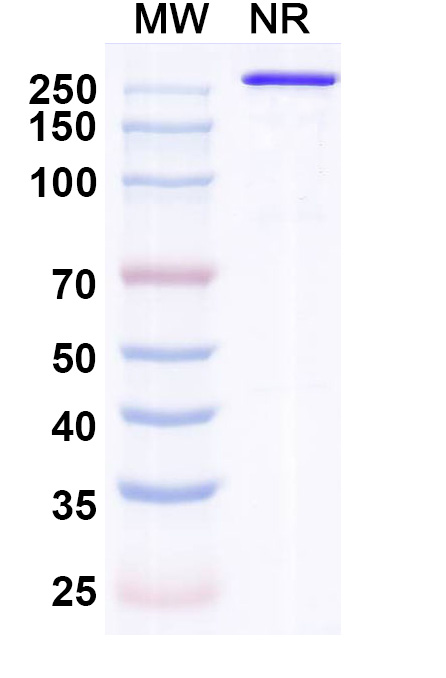
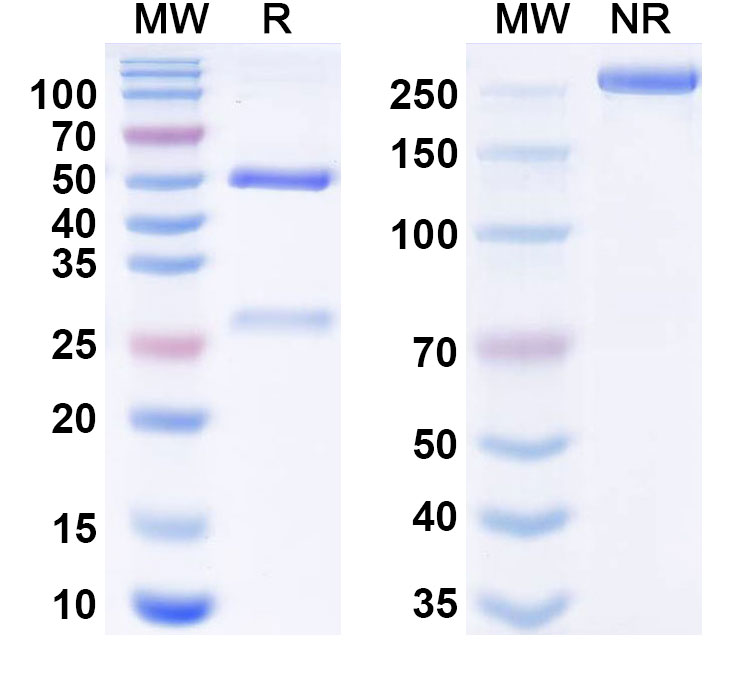
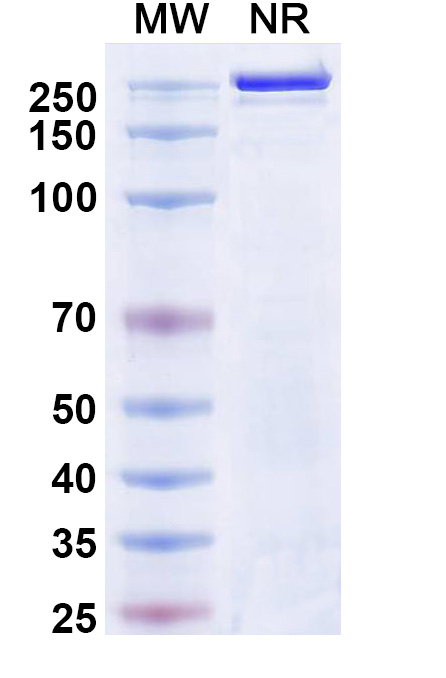
Coramitug Biosimilar is a monoclonal antibody (mAb) with a molecular weight of approximately 150 kDa. It is composed of two heavy chains and two light chains, connected by disulfide bonds. The heavy chains consist of constant and variable regions, while the light chains only have variable regions. The variable regions of the antibody are responsible for binding to the target protein, transthyretin.
Activity of Coramitug Biosimilar
The main function of Coramitug Biosimilar is to bind to transthyretin and inhibit its activity. Transthyretin is a protein found in the blood and cerebrospinal fluid, and it plays a role in transporting thyroid hormone and retinol. However, in certain diseases, such as amyloidosis, transthyretin can form abnormal deposits in tissues, leading to organ damage. By binding to transthyretin, Coramitug Biosimilar prevents it from forming these deposits and reduces the associated damage.
Application of Coramitug Biosimilar
Coramitug Biosimilar has potential applications in both research and clinical settings. In research, it can be used to study the role of transthyretin in various diseases, as well as to develop new therapies targeting this protein. In clinical settings, it can be used as a treatment for diseases caused by abnormal transthyretin, such as amyloidosis and familial amyloid polyneuropathy.
Research Applications
- Investigating the role of transthyretin: Coramitug Biosimilar can be used in laboratory experiments to study the function of transthyretin in different diseases. By inhibiting its activity, researchers can observe the effects on cellular processes and potentially identify new therapeutic targets.
- Developing new therapies: The ability of Coramitug Biosimilar to bind to transthyretin can also be utilized in the development of new therapies. By understanding the binding mechanism, researchers can design more effective drugs to target this protein in diseases where it is involved.
Clinical Applications
- Treatment of amyloidosis: Amyloidosis is a rare disease characterized by the buildup of abnormal proteins in tissues and organs. Coramitug Biosimilar can be used as a treatment to prevent the formation of these deposits and slow down the progression of the disease.
- Treatment of familial amyloid polyneuropathy: Familial amyloid polyneuropathy is a genetic disorder that affects the nervous system. Coramitug Biosimilar can be used to reduce the accumulation of transthyretin in the nerves, potentially slowing down or preventing nerve damage.
Conclusion
In summary, Coramitug Biosimilar is a research grade monoclonal antibody that targets transthyretin. Its structure and activity are similar to the original antibody, but it is produced at a lower cost, making it more accessible for research purposes. This biosimilar has potential applications in both research and clinical settings, making it a valuable tool in the study and treatment of diseases involving transthyretin.

There are no reviews yet.