Introduction:
Belrestotug Biosimilar – Anti-VSTM3 mAb is a research grade monoclonal antibody (mAb) that has been developed as a potential therapeutic agent for the treatment of various diseases. This antibody specifically targets VSTM3, a protein that has been implicated in several pathological conditions. In this article, we will discuss the structure, activity, and potential applications of Belrestotug Biosimilar – Anti-VSTM3 mAb.
Structure of Belrestotug Biosimilar – Anti-VSTM3 mAb:
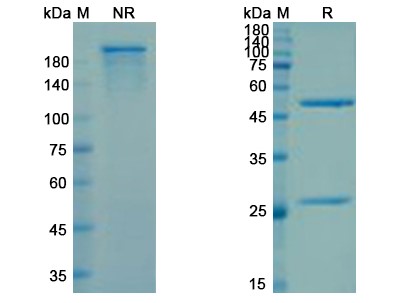
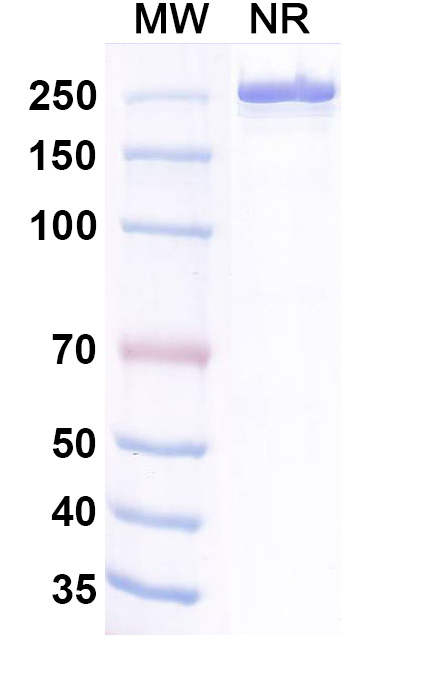
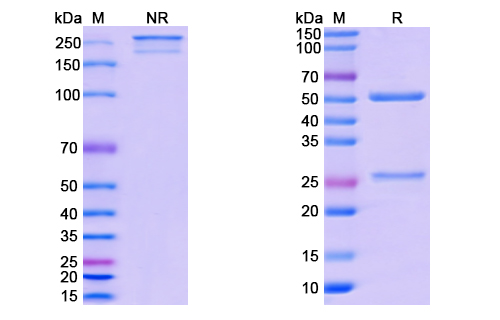
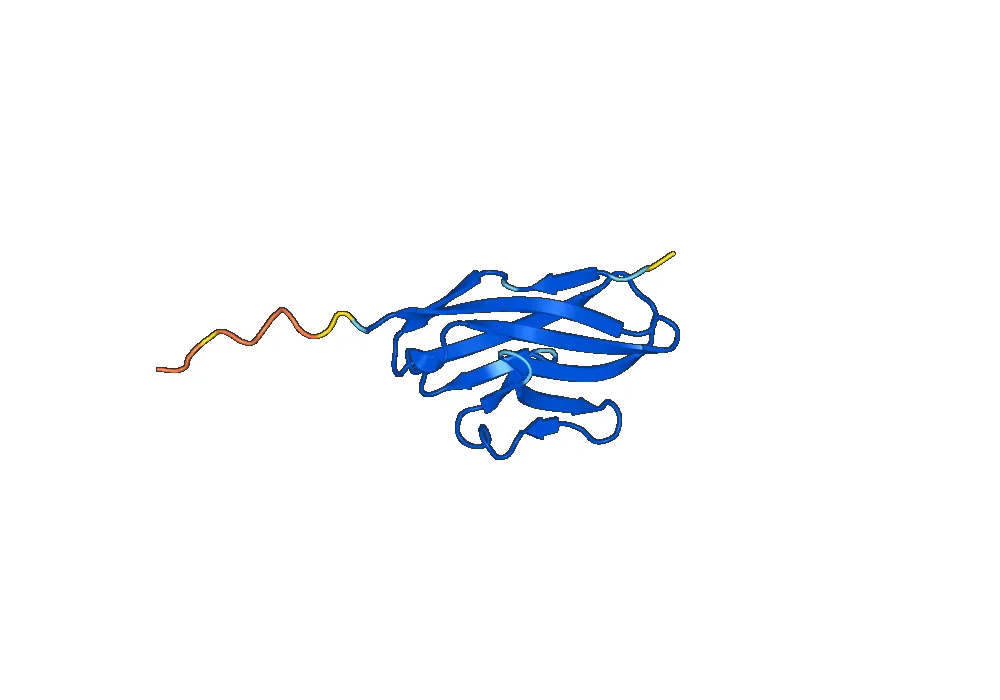
Belrestotug Biosimilar – Anti-VSTM3 mAb is a recombinant humanized monoclonal antibody that has been produced using advanced genetic engineering techniques. It is composed of two heavy chains and two light chains, which are connected by disulfide bonds. The variable regions of the antibody are responsible for binding to the target protein, VSTM3. The constant regions of the antibody determine its effector functions, such as complement activation and antibody-dependent cellular cytotoxicity.
Activity of Belrestotug Biosimilar – Anti-VSTM3 mAb:
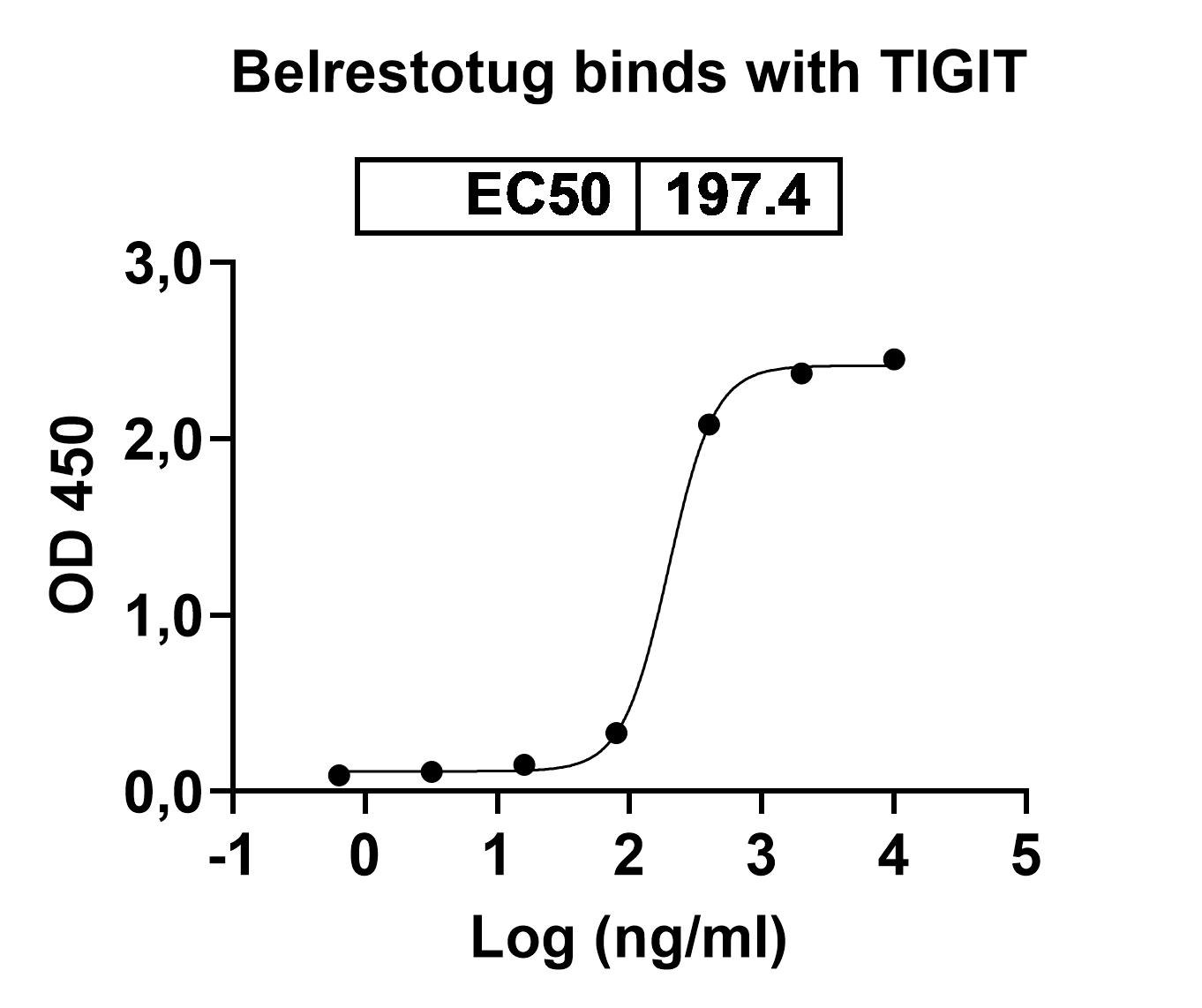
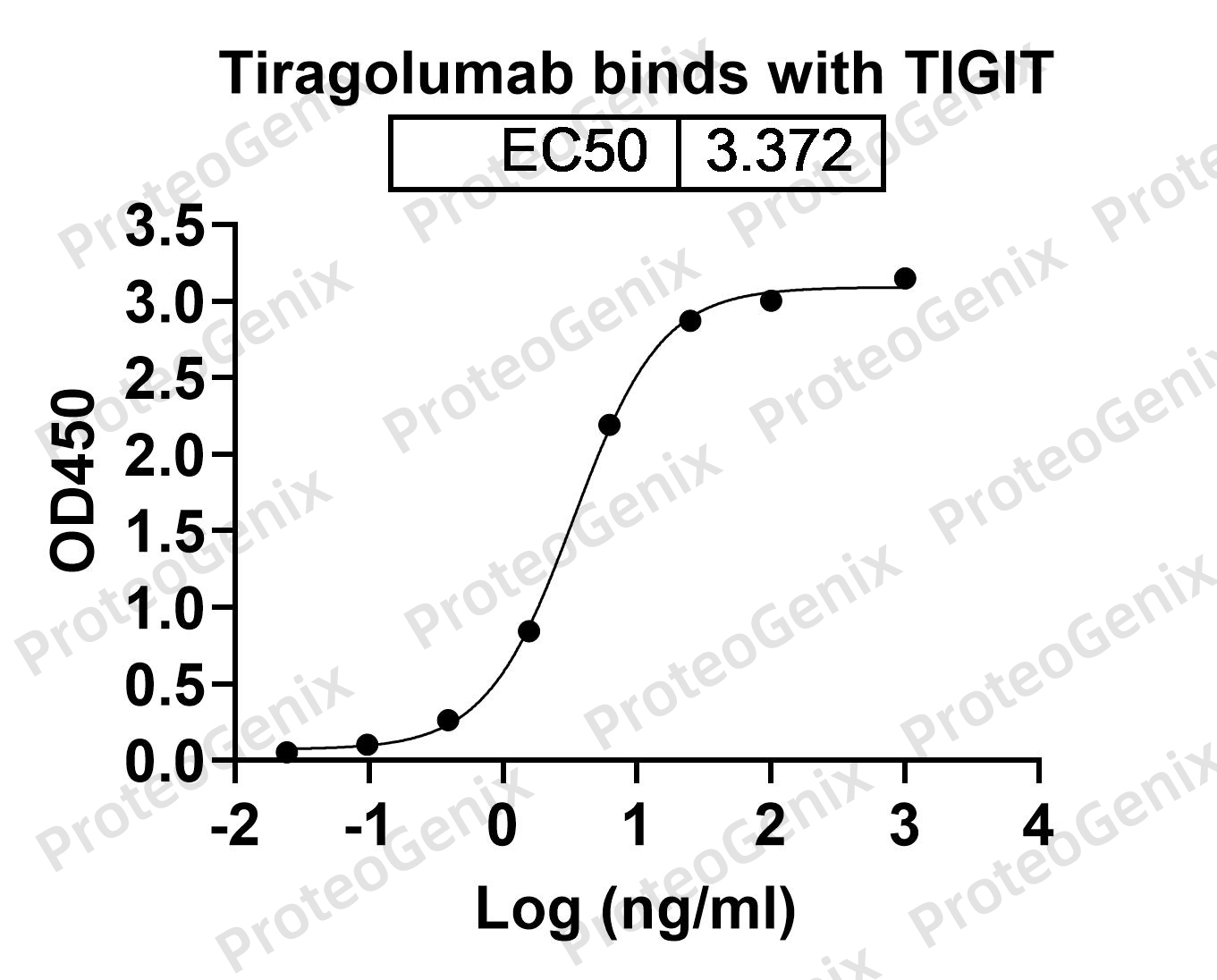
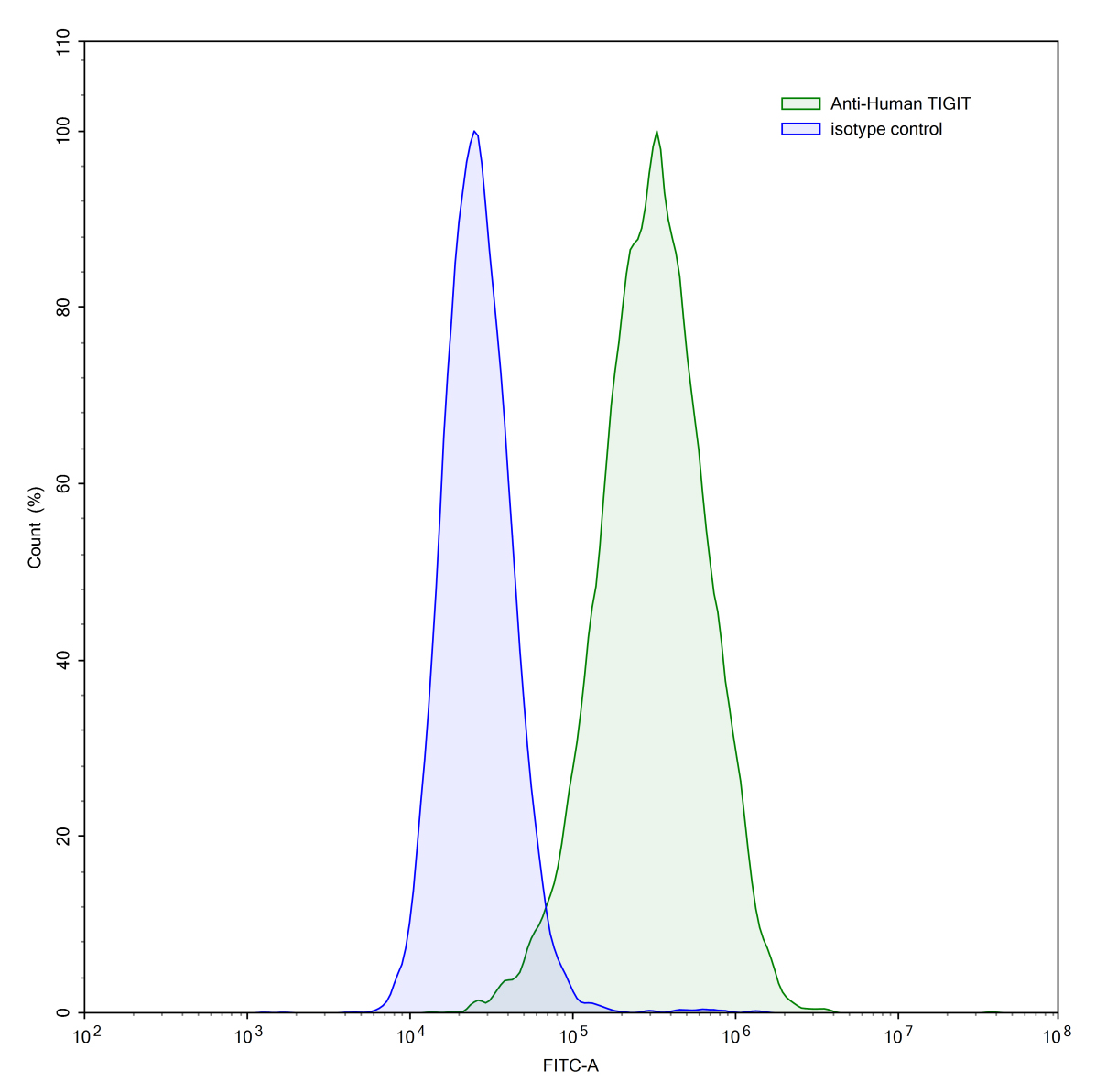
Belrestotug Biosimilar – Anti-VSTM3 mAb has been designed to specifically target VSTM3, a protein that is overexpressed in various diseases, including cancer and autoimmune disorders. The binding of this antibody to VSTM3 blocks its activity, leading to the suppression of disease-related processes. In addition, Belrestotug Biosimilar – Anti-VSTM3 mAb also has effector functions that can help in the elimination of disease-causing cells. This antibody can activate the complement system, which can lead to the destruction of targeted cells. It can also bind to immune cells, such as natural killer cells and macrophages, and facilitate their killing of VSTM3-expressing cells.
Applications of Belrestotug Biosimilar – Anti-VSTM3 mAb:
Belrestotug Biosimilar – Anti-VSTM3 mAb has shown promising results in preclinical studies and has the potential to be used as a therapeutic agent for various diseases. Some of the potential applications of this antibody are:
1.
Cancer therapy:
VSTM3 has been found to be overexpressed in several types of cancer, including breast, lung, and colon cancer. Belrestotug Biosimilar – Anti-VSTM3 mAb can target and inhibit the activity of VSTM3, which can lead to the suppression of cancer cell growth and survival. In addition, the effector functions of this antibody can help in the elimination of cancer cells, making it a potential candidate for cancer therapy.
2.
Autoimmune disorders:
VSTM3 has been implicated in the development of autoimmune disorders, such as rheumatoid arthritis and multiple sclerosis. Belrestotug Biosimilar – Anti-VSTM3 mAb can block the activity of VSTM3 and prevent the activation of immune cells that contribute to the pathogenesis of these diseases. This antibody can also promote the clearance of autoantibodies, which can help in reducing the severity of autoimmune disorders.
3. Inflammatory diseases:
Inflammation is a key feature of many diseases, and VSTM3 has been found to play a role in the regulation of inflammatory processes. Belrestotug Biosimilar – Anti-VSTM3 mAb can inhibit the activity of VSTM3 and reduce inflammation, making it a potential treatment for inflammatory diseases, such as psoriasis and Crohn’s disease.
4. Other potential applications:
Apart from the above-mentioned diseases, Belrestotug Biosimilar – Anti-VSTM3 mAb has also shown potential in the treatment of other conditions, such as sepsis and transplant rejection. Further research is needed to explore its efficacy in these areas.
Conclusion:
Belrestotug Biosimilar – Anti-VSTM3 mAb is a research grade monoclonal antibody that specifically targets VSTM3 and has the potential to be used as a therapeutic agent for various diseases. Its unique structure and activity make it a promising candidate for cancer therapy, autoimmune disorders, and inflammatory diseases. Further studies are needed to evaluate its safety and efficacy in clinical trials, and if successful, it could potentially provide a new treatment option for patients with these diseases
There are no reviews yet.