Introduction
Bapotulimab Biosimilar, also known as Anti-ILDR2 mAb, is a monoclonal antibody that has been developed as a biosimilar to the original drug, Bapotulimab. This biosimilar is designed to target the ILDR2 protein, which is a therapeutic target for various diseases. In this article, we will discuss the structure, activity, and potential applications of Bapotulimab Biosimilar, highlighting its potential as a research-grade antibody.
Structure of Bapotulimab Biosimilar
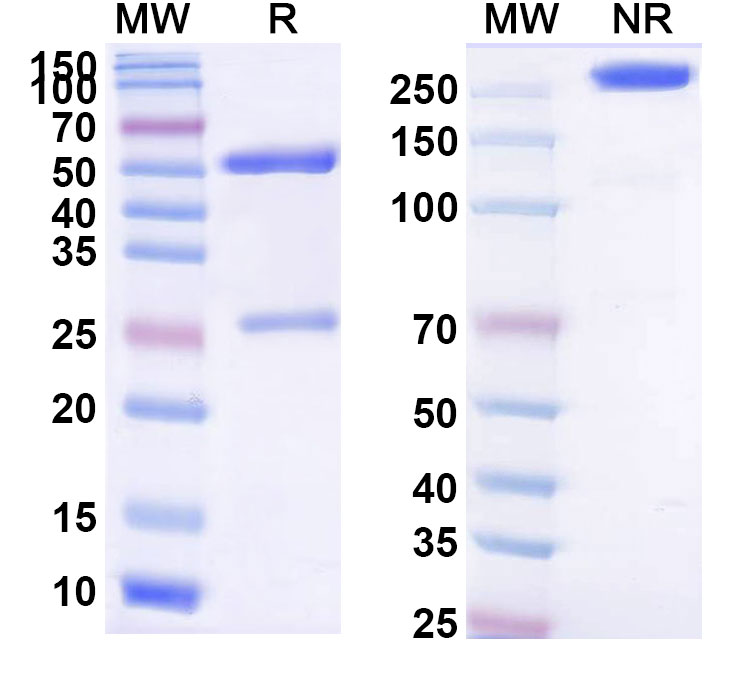
Bapotulimab Biosimilar is a monoclonal antibody, which means it is made up of identical immune cells that are clones of a single parent cell. This type of antibody is designed to specifically bind to a particular target, in this case, the ILDR2 protein. The structure of Bapotulimab Biosimilar is similar to the original drug, Bapotulimab, as it is a biosimilar. It consists of two heavy chains and two light chains, which are linked together by disulfide bonds. The heavy chains are made up of four constant regions and one variable region, while the light chains have two constant regions and one variable region. The variable regions are responsible for binding to the target, while the constant regions provide stability and effector functions.
Activity of Bapotulimab Biosimilar
Bapotulimab Biosimilar is a potent inhibitor of the ILDR2 protein. ILDR2 is a transmembrane protein that is expressed in various tissues, including the brain, heart, and liver. It is involved in cell adhesion and plays a crucial role in maintaining the integrity of tissues. However, overexpression of ILDR2 has been linked to various diseases, including cancer and autoimmune disorders. Bapotulimab Biosimilar works by binding to ILDR2 and blocking its activity, thereby inhibiting disease progression. This antibody has shown promising results in preclinical studies, demonstrating its potential as a therapeutic agent.
Application of Bapotulimab Biosimilar
Bapotulimab Biosimilar has the potential to be used in various applications, particularly in the field of research. As a biosimilar, it can serve as a more cost-effective alternative to the original drug, Bapotulimab, for researchers studying the ILDR2 protein. This antibody can be used in in vitro and in vivo studies to further understand the role of ILDR2 in disease and to develop potential treatments. Furthermore, Bapotulimab Biosimilar can also be used as a diagnostic tool to detect the expression of ILDR2 in tissues, providing valuable information for disease diagnosis and prognosis.
Future Directions
Bapotulimab Biosimilar is currently in the preclinical stage of development, with promising results from in vitro and in vivo studies. However, further research is needed to fully understand its potential as a therapeutic agent. Clinical trials will be necessary to evaluate the safety and efficacy of this biosimilar in humans. If successful, Bapotulimab Biosimilar has the potential to become a valuable treatment option for diseases associated with ILDR2 overexpression.
Conclusion
In summary, Bapotulimab Biosimilar is a monoclonal antibody that targets the ILDR2 protein, which is involved in various diseases. Its structure is similar to the original drug, Bapotulimab, and it works by inhibiting the activity of ILDR2. This biosimilar has the potential to be used in research as a cost-effective alternative to the original drug. Further studies are needed to fully understand its potential as a therapeutic agent. Bapotulimab Biosimilar holds promise as a research-grade antibody and may have future applications in disease diagnosis and treatment.

There are no reviews yet.