Introduction
Clervonafusp Biosimilar is a novel therapeutic antibody that targets the SLC29A2 protein. This protein is involved in the transport of nucleosides and nucleoside analogs across the cell membrane, and its dysregulation has been linked to various diseases, making it a promising therapeutic target. In this article, we will discuss the structure, activity, and potential applications of Clervonafusp Biosimilar as a research-grade antibody.
Structure of Clervonafusp Biosimilar
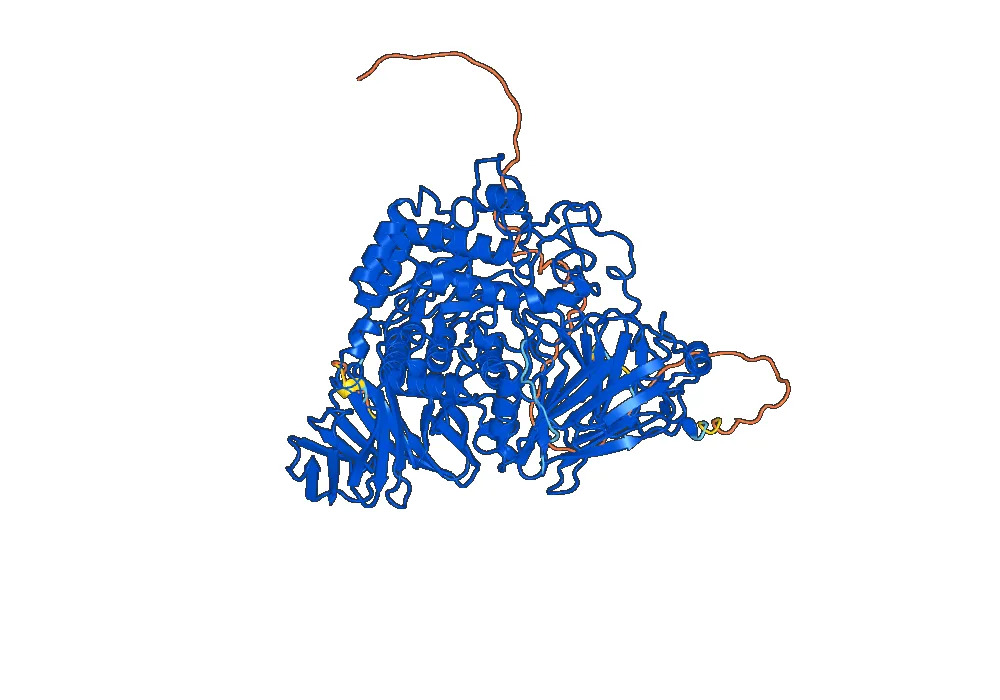
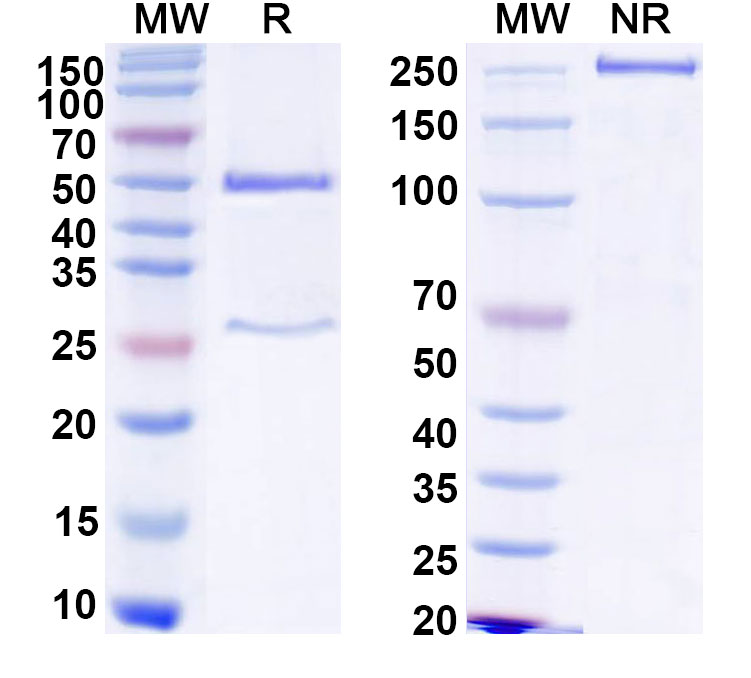
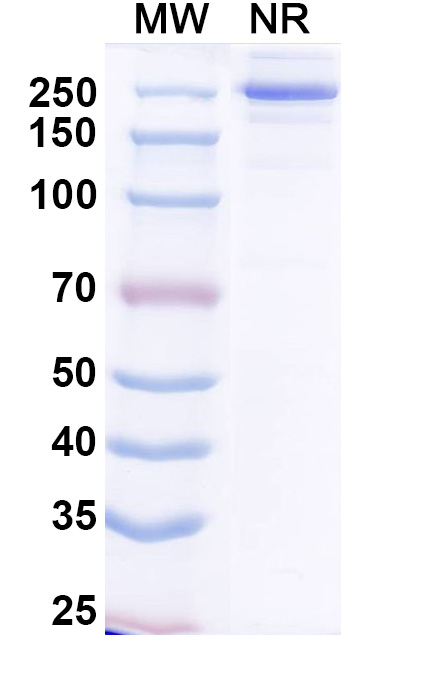
Clervonafusp Biosimilar is a monoclonal antibody (mAb) that is produced using recombinant DNA technology. It is a biosimilar of the original Clervonafusp, which is a fully humanized mAb. The structure of Clervonafusp Biosimilar is similar to that of the original antibody, with a heavy chain and a light chain joined by disulfide bonds. The heavy chain consists of a variable region, which binds to the target protein, and a constant region, which determines the antibody’s effector functions. The light chain also has a variable and a constant region, but its main function is to stabilize the antibody’s structure.
Activity of Clervonafusp Biosimilar
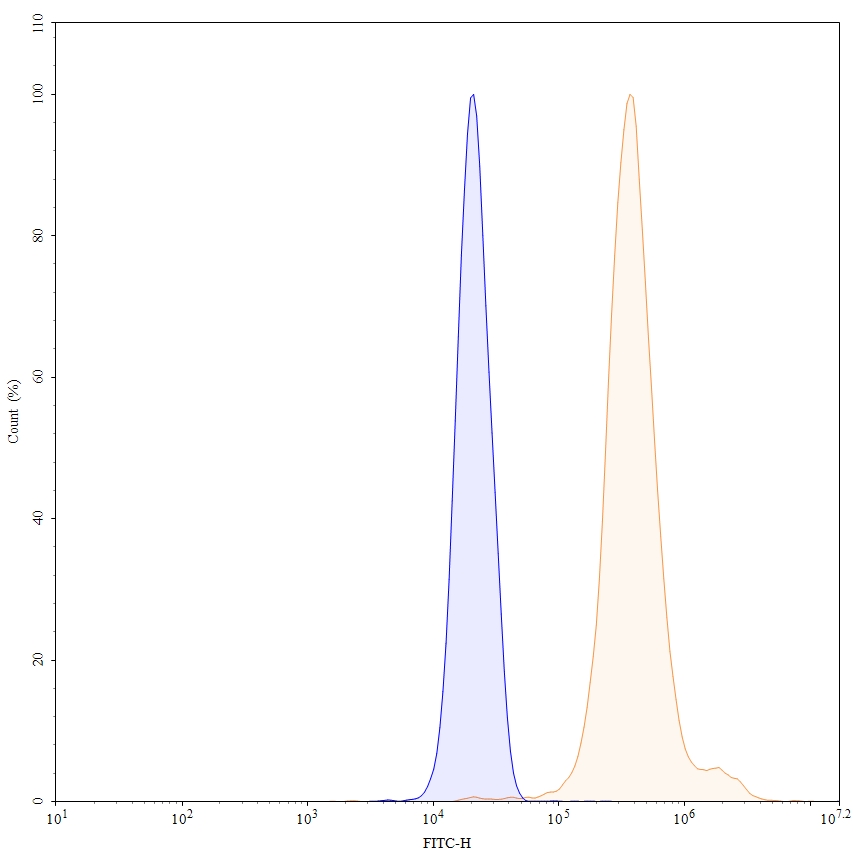
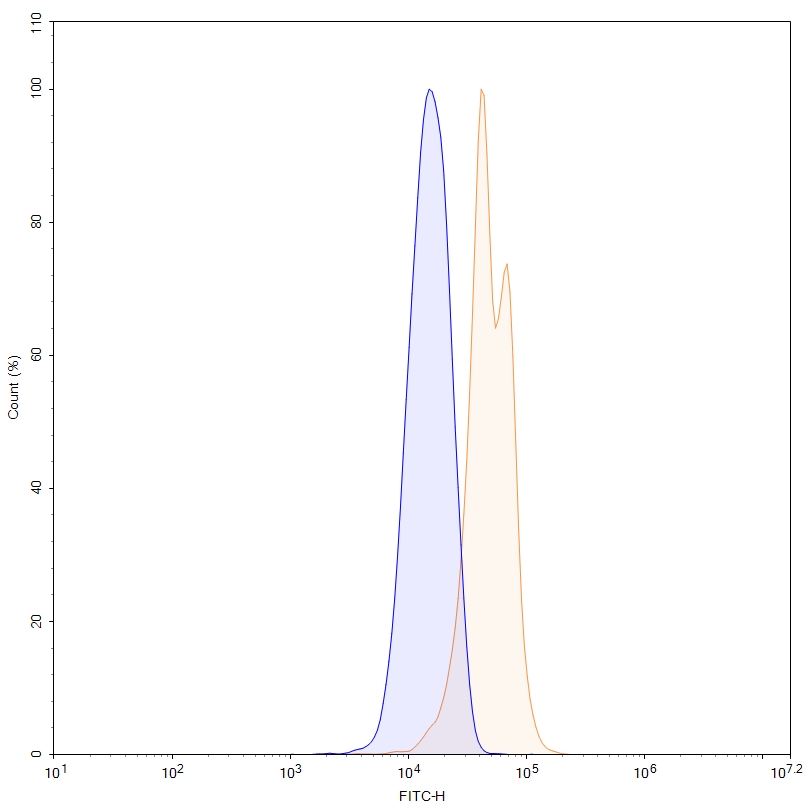
Clervonafusp Biosimilar specifically targets the SLC29A2 protein, also known as equilibrative nucleoside transporter 2 (ENT2). This protein is expressed on the surface of various cells, including immune cells, and is responsible for the transport of nucleosides and nucleoside analogs into the cells. Nucleoside analogs are synthetic compounds that mimic natural nucleosides and are used as antiviral and anticancer drugs. By targeting SLC29A2, Clervonafusp Biosimilar can block the transport of nucleoside analogs, thereby reducing their efficacy in cancer and viral infections.
In addition to its direct effect on SLC29A2, Clervonafusp Biosimilar also has an immunomodulatory activity. It can bind to immune cells, such as T cells and natural killer cells, and activate them to fight against cancer cells. This dual mechanism of action makes Clervonafusp Biosimilar a promising therapeutic agent for various diseases.
Applications of Clervonafusp Biosimilar
As a research-grade antibody, Clervonafusp Biosimilar has potential applications in both basic and clinical research. It can be used to study the role of SLC29A2 in different diseases, such as cancer, viral infections, and autoimmune disorders. By blocking the function of SLC29A2, researchers can better understand its contribution to these diseases and identify potential therapeutic targets.
In addition, Clervonafusp Biosimilar can also be used to develop diagnostic assays for SLC29A2-related diseases. By detecting the presence and activity of this protein, clinicians can diagnose and monitor the progression of diseases, such as leukemia and lymphoma, which are known to overexpress SLC29A2.
Furthermore, Clervonafusp Biosimilar has the potential to be developed as a therapeutic agent for cancer and viral infections. Preclinical studies have shown promising results, and clinical trials are currently underway to evaluate its safety and efficacy in patients. If successful, Clervonafusp Biosimilar could provide a more targeted and effective treatment option for these diseases.
Conclusion
In summary, Clervonafusp Biosimilar is a research-grade antibody that specifically targets the SLC29A2 protein. Its structure, activity, and potential applications make it a valuable tool for studying this protein and developing new diagnostic and therapeutic strategies for SLC29A2-related diseases. With ongoing research and clinical trials, Clervonafusp Biosimilar has the potential to make a significant impact in the field of cancer and viral infection treatment.

There are no reviews yet.