Introduction to Cudarolimab Biosimilar
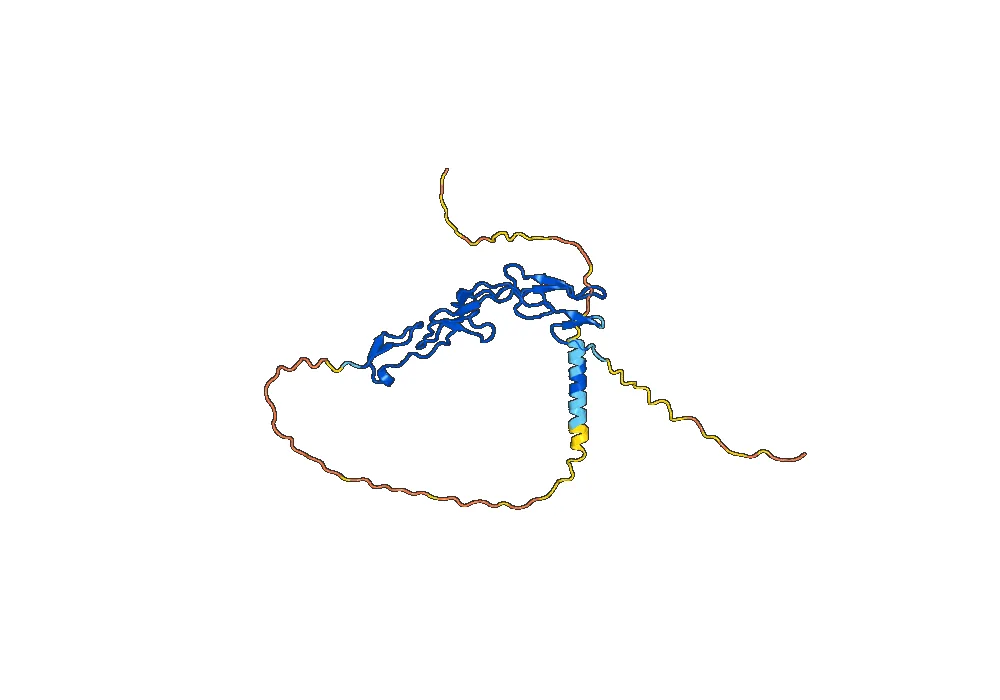
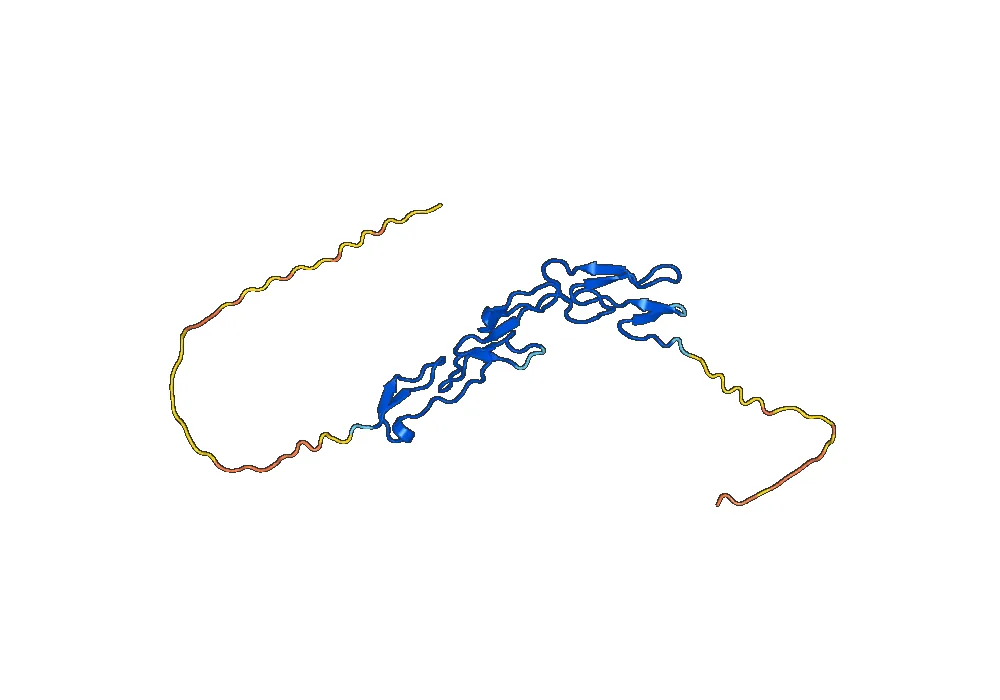
Cudarolimab Biosimilar is a monoclonal antibody (mAb) that targets and inhibits the activity of tumor necrosis factor receptor superfamily member 4 (TNFRSF4), also known as OX40. It is a biosimilar version of Cudarolimab, a therapeutic antibody currently in clinical development for the treatment of various cancers.
Structure of Cudarolimab Biosimilar
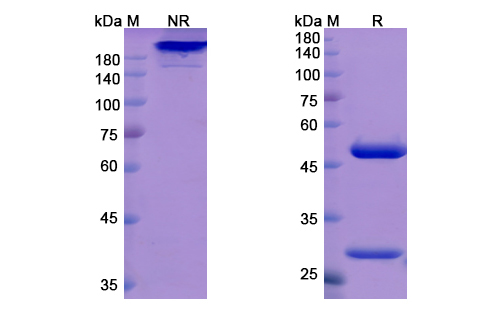
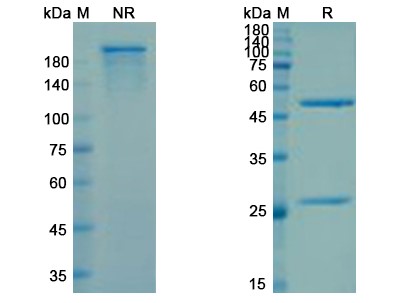
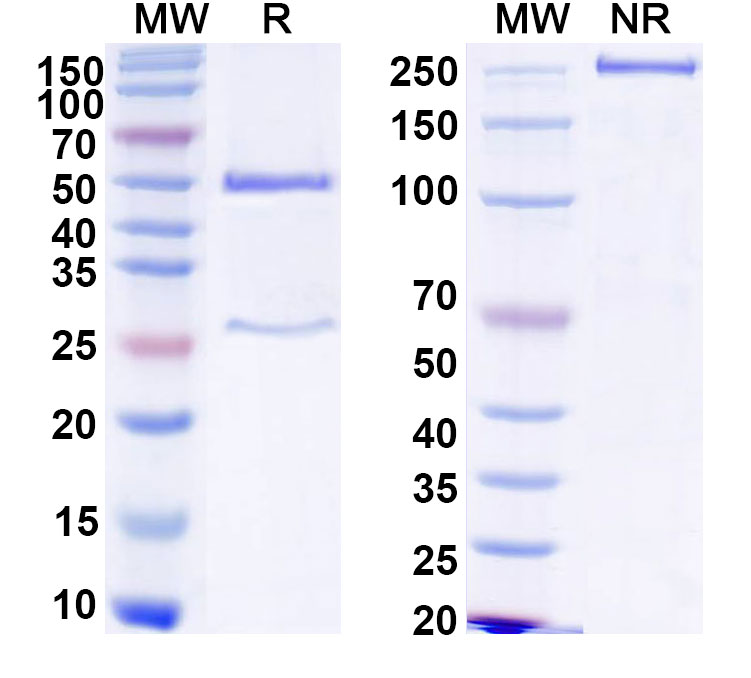
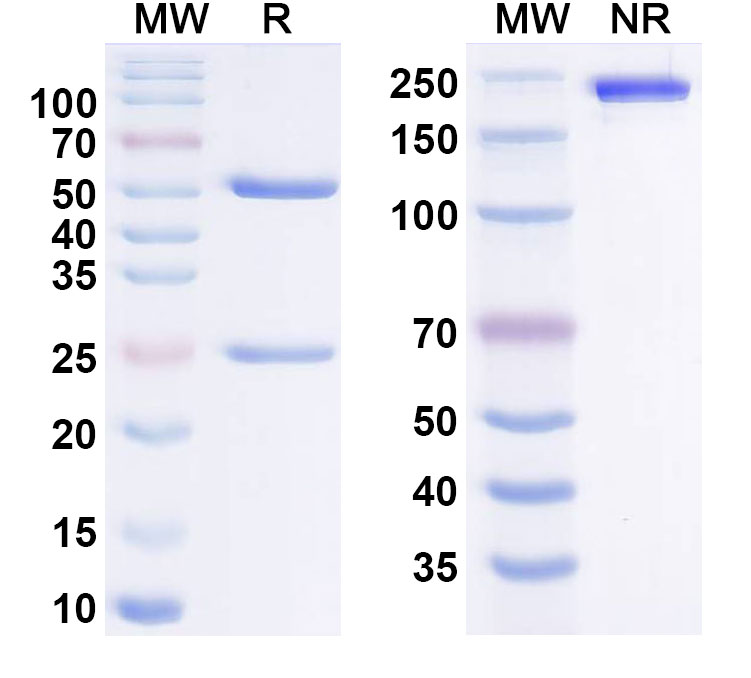
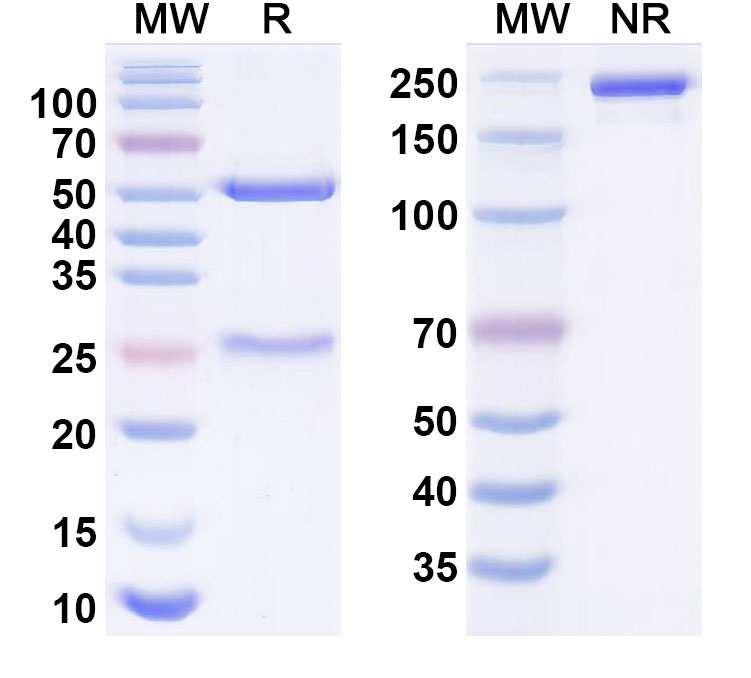
Cudarolimab Biosimilar is a recombinant humanized IgG1 mAb, with a molecular weight of approximately 148 kDa. It is composed of two heavy chains and two light chains, each containing a variable region and a constant region. The variable region of the antibody is responsible for binding to TNFRSF4, while the constant region plays a role in immune effector functions.
Activity of Cudarolimab Biosimilar
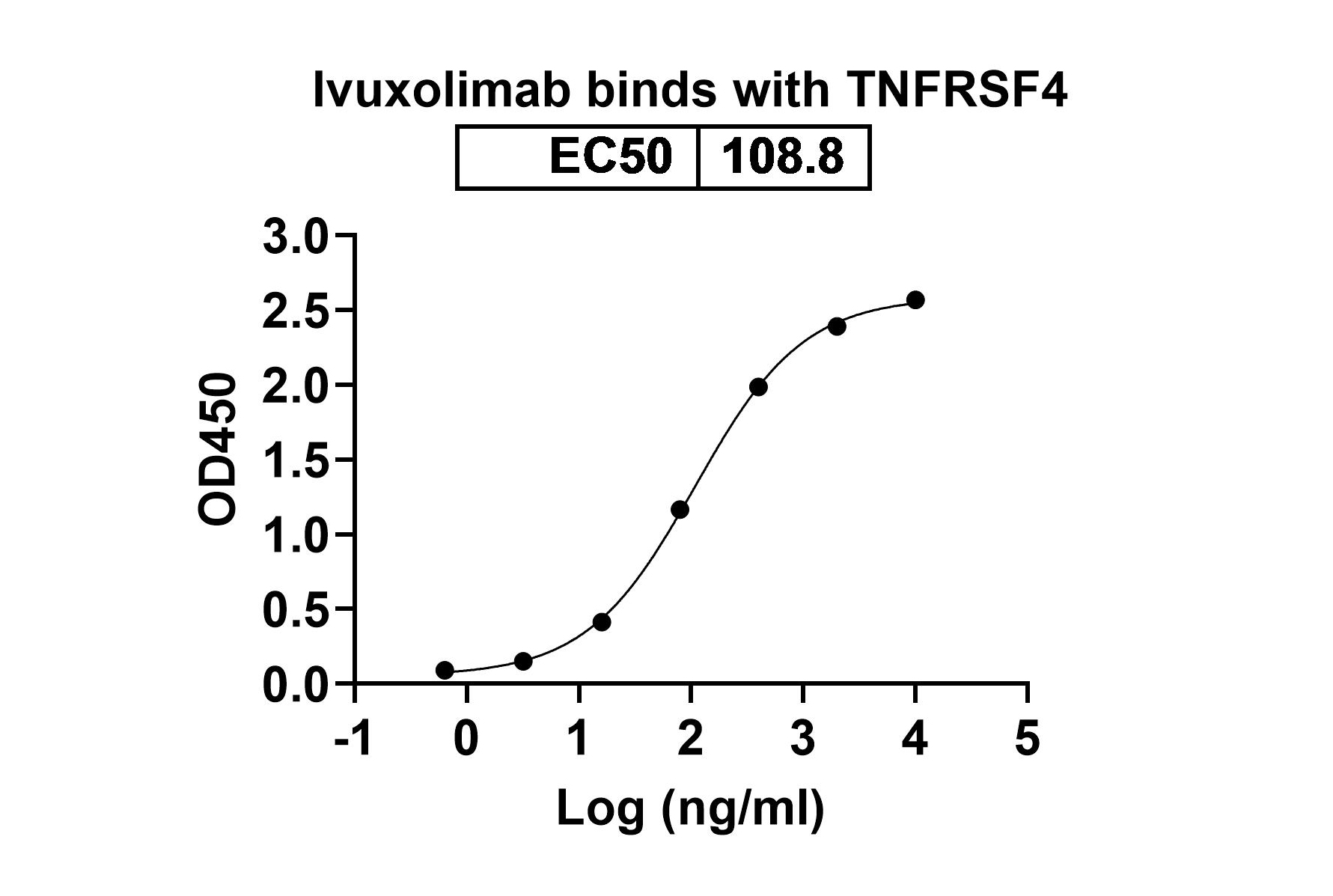
TNFRSF4 is a co-stimulatory molecule that is expressed on the surface of activated T cells. It plays a critical role in regulating T cell activation and survival, and its dysregulation has been implicated in the development and progression of various cancers. Cudarolimab Biosimilar binds to TNFRSF4 and blocks its interaction with its ligand, OX40L, thereby inhibiting downstream signaling pathways that promote T cell proliferation and survival.
In addition to its direct effect on T cells, Cudarolimab Biosimilar also has an indirect anti-tumor activity through its ability to modulate the tumor microenvironment. By blocking TNFRSF4 signaling, the antibody can inhibit the recruitment and activation of immunosuppressive cells, such as regulatory T cells and myeloid-derived suppressor cells, and promote the infiltration of effector T cells into the tumor.
Application of Cudarolimab Biosimilar
Cudarolimab Biosimilar is being developed as a potential treatment option for various types of cancer, including solid tumors and hematological malignancies. It is currently in preclinical development, with plans for clinical trials in the near future.
As a biosimilar, Cudarolimab Biosimilar offers a more affordable and accessible alternative to the originator antibody, Cudarolimab. This can potentially increase patient access to this targeted therapy and improve treatment outcomes.
In addition, the unique mechanism of action of Cudarolimab Biosimilar, targeting the TNFRSF4 pathway, may offer a novel approach for the treatment of cancers that are resistant to current therapies. It also has the potential to be used in combination with other cancer treatments, such as chemotherapy and immune checkpoint inhibitors, to enhance their efficacy.
Conclusion
In summary, Cudarolimab Biosimilar is a promising therapeutic antibody that targets TNFRSF4, a key co-stimulatory molecule involved in T cell activation and survival. Its unique mechanism of action and potential for use in combination with other cancer treatments make it a promising candidate for the treatment of various cancers. With ongoing preclinical development and plans for clinical trials, Cudarolimab Biosimilar has the potential to make a significant impact in the field of cancer therapy.
There are no reviews yet.