Introduction to Acimtamig Biosimilar – Anti-CD30L receptor mAb
Acimtamig Biosimilar is a research grade monoclonal antibody (mAb) that specifically targets the CD30L receptor. This biosimilar is designed to mimic the structure and function of the original anti-CD30L receptor mAb, with the goal of providing a more cost-effective and accessible option for researchers studying this therapeutic target. In this article, we will explore the structure, activity, and potential applications of Acimtamig Biosimilar in the field of antibody research.
Structure of Acimtamig Biosimilar
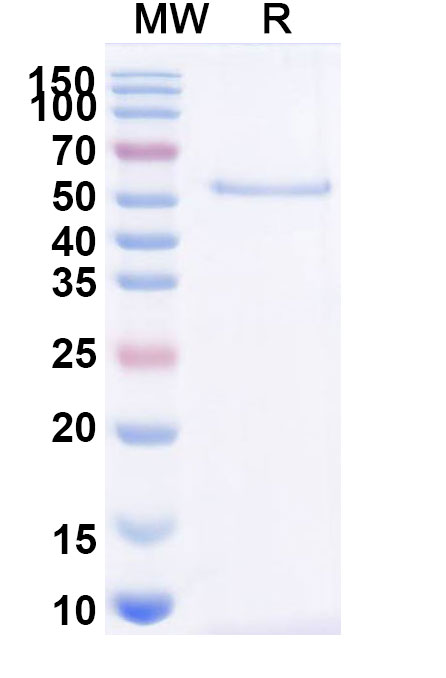
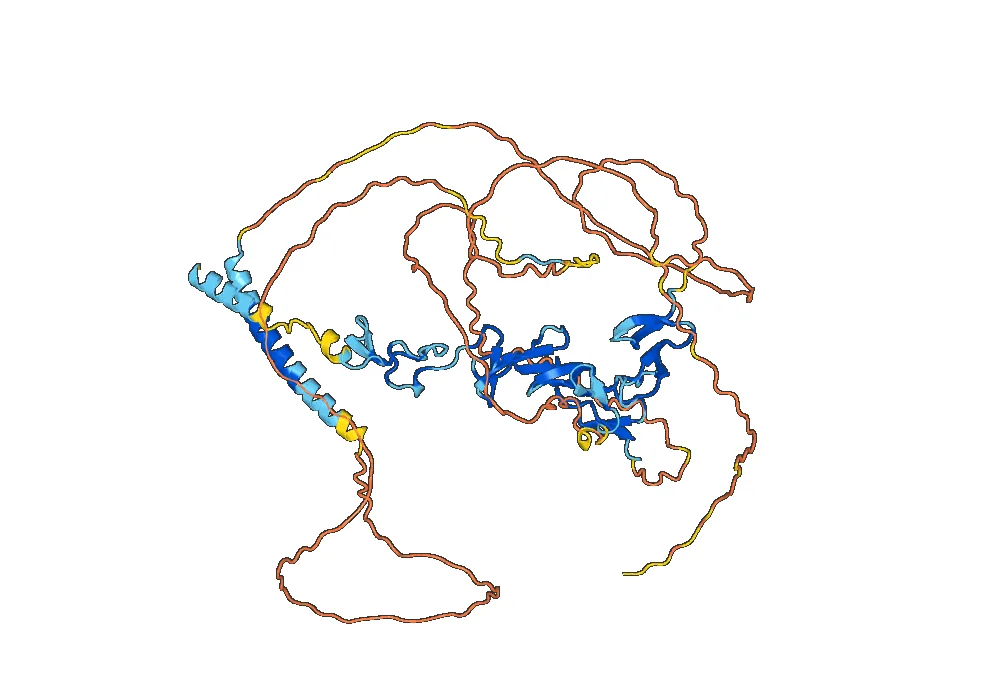
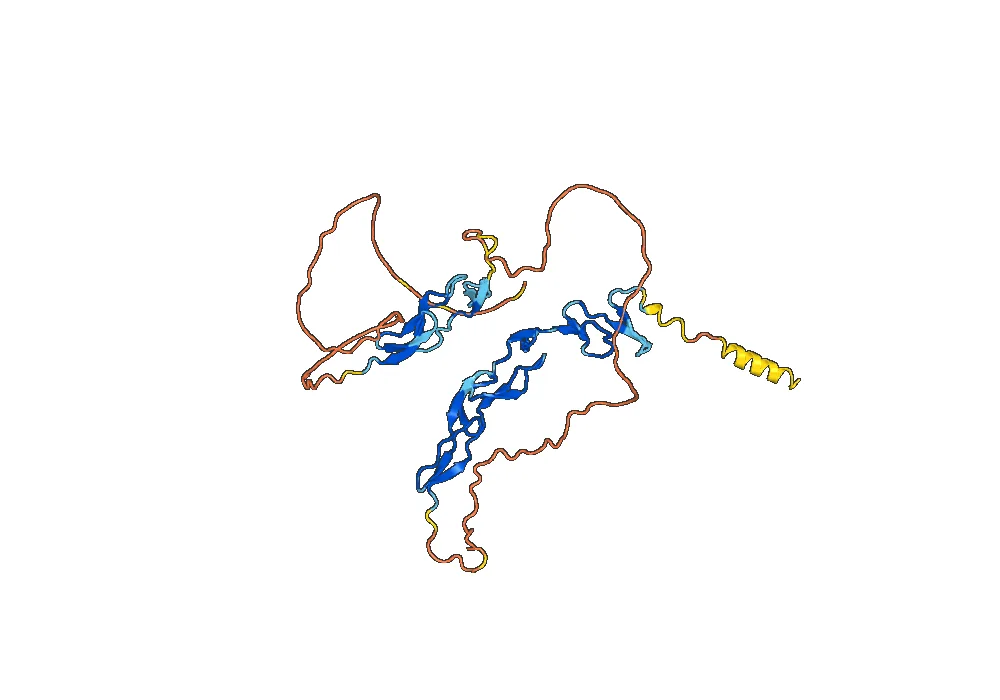
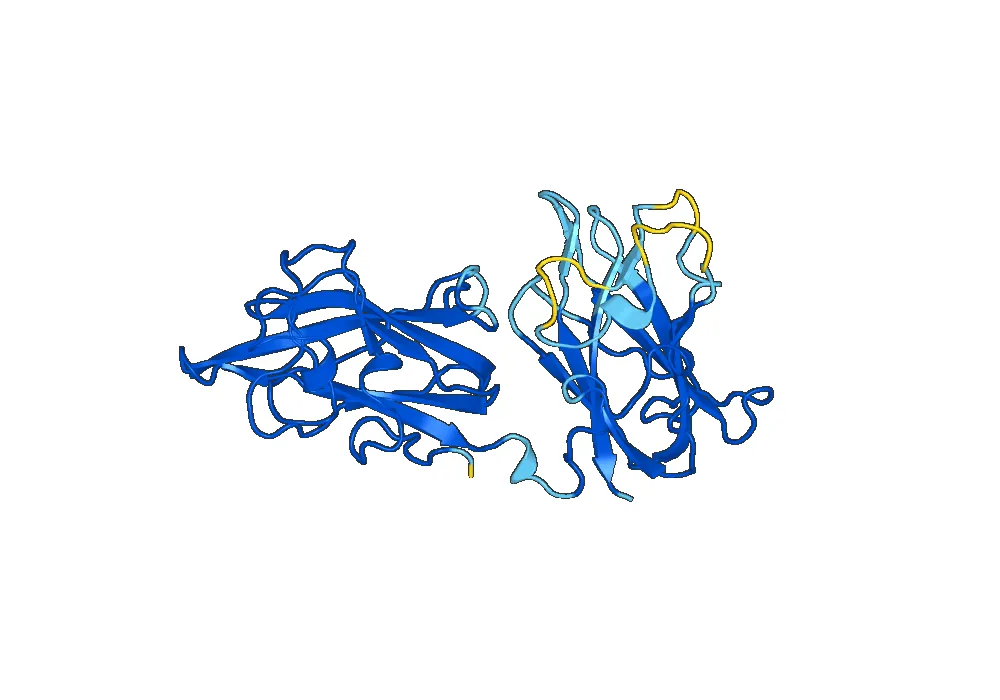
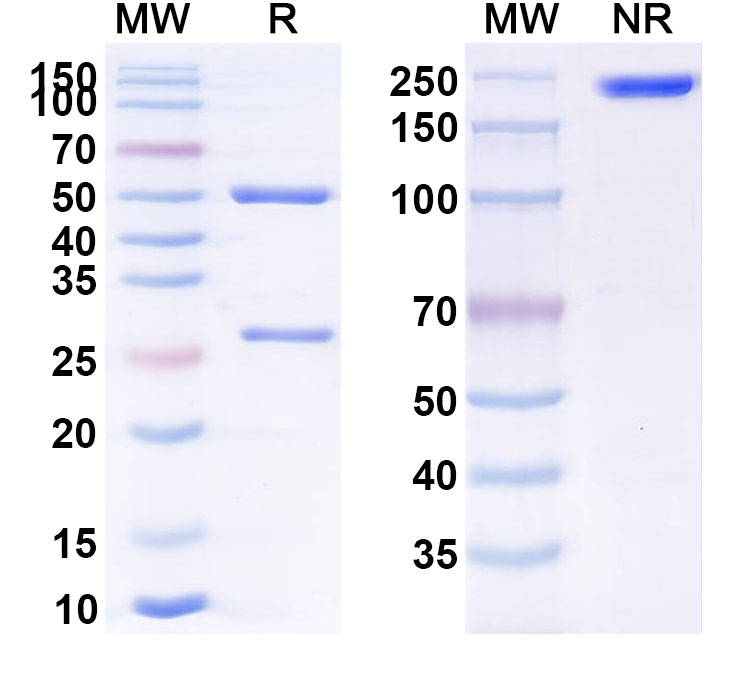
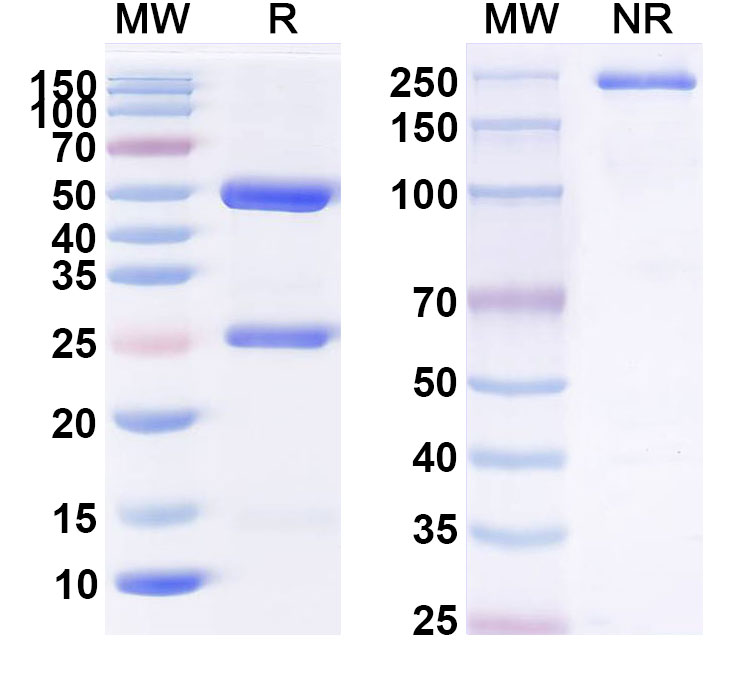
Acimtamig Biosimilar is a recombinant, humanized monoclonal antibody that is produced using advanced biotechnology techniques. It is composed of two identical heavy chains and two identical light chains, each with a molecular weight of approximately 150 kDa. The heavy chains consist of four constant domains (CH1, CH2, CH3, and CH4) and one variable domain (VH), while the light chains consist of two constant domains (CL and CL’) and one variable domain (VL). The variable domains of both the heavy and light chains are responsible for binding to the CD30L receptor.
Activity of Acimtamig Biosimilar
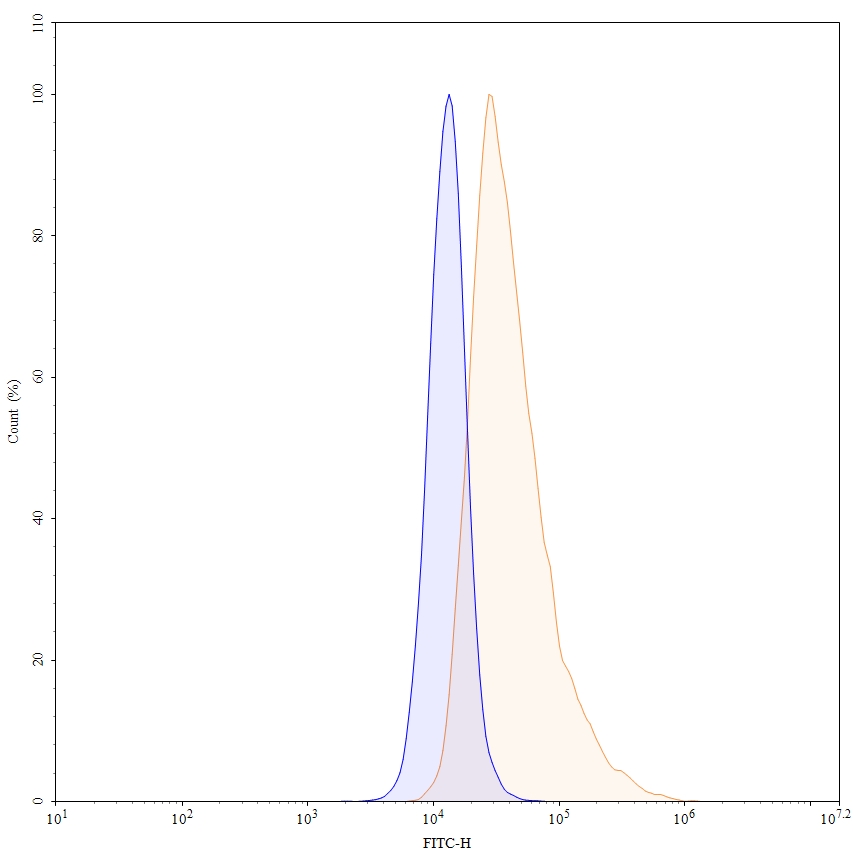
The primary function of Acimtamig Biosimilar is to block the interaction between the CD30L receptor and its ligand, CD30. This interaction is known to play a crucial role in the development and progression of various diseases, including cancer and autoimmune disorders. By binding to the CD30L receptor, Acimtamig Biosimilar prevents the activation of downstream signaling pathways, thereby inhibiting the growth and survival of diseased cells.
In addition to its therapeutic activity, Acimtamig Biosimilar also exhibits effector functions, such as antibody-dependent cellular cytotoxicity (ADCC) and complement-dependent cytotoxicity (CDC). These effector functions allow the antibody to recruit and activate immune cells, such as natural killer cells and macrophages, to directly attack and eliminate targeted cells.
Title: Applications of Acimtamig Biosimilar
Acimtamig Biosimilar has potential applications in a wide range of research areas, including oncology, immunology, and drug development. In oncology, it can be used to study the role of the CD30L receptor in the development and progression of various cancers, such as Hodgkin’s lymphoma and anaplastic large cell lymphoma. It can also be used to evaluate the efficacy of Acimtamig Biosimilar as a potential therapeutic agent for these cancers.
In immunology, Acimtamig Biosimilar can be used to investigate the role of the CD30L receptor in autoimmune diseases, such as rheumatoid arthritis and multiple sclerosis. It can also be used to study the mechanism of action of other CD30L receptor-targeting therapies and to develop new treatment strategies.
Furthermore, Acimtamig Biosimilar can be used in drug development to screen and select potential therapeutic candidates that target the CD30L receptor. Its use in preclinical studies can provide valuable insights into the safety and efficacy of these candidates, ultimately aiding in the development of new and improved treatments for various diseases.
Conclusion
In summary, Acimtamig Biosimilar is a research grade monoclonal antibody that specifically targets the CD30L receptor. Its structure mimics that of the original anti-CD30L receptor mAb, and it exhibits both therapeutic and effector functions. With its potential applications in oncology, immunology, and drug development, Acimtamig Biosimilar offers a valuable tool for researchers studying the CD30L receptor and its role in disease.

There are no reviews yet.