Introduction
Alg-991 is a biosimilar antibody that targets urushiol, a toxic compound found in plants such as poison ivy and poison oak. This research-grade antibody has shown promising results in preclinical studies and has the potential to be a valuable therapeutic tool for individuals affected by urushiol-induced dermatitis. In this article, we will delve into the structure, activity, and potential applications of Alg-991 Biosimilar – Anti-Urushiol mAb.
Structure of Alg-991 Biosimilar
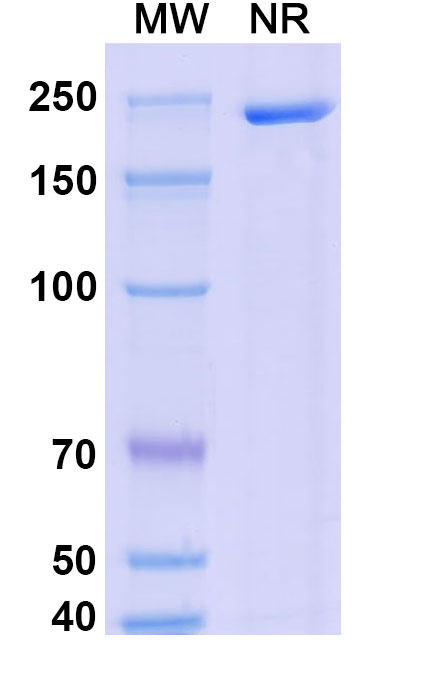
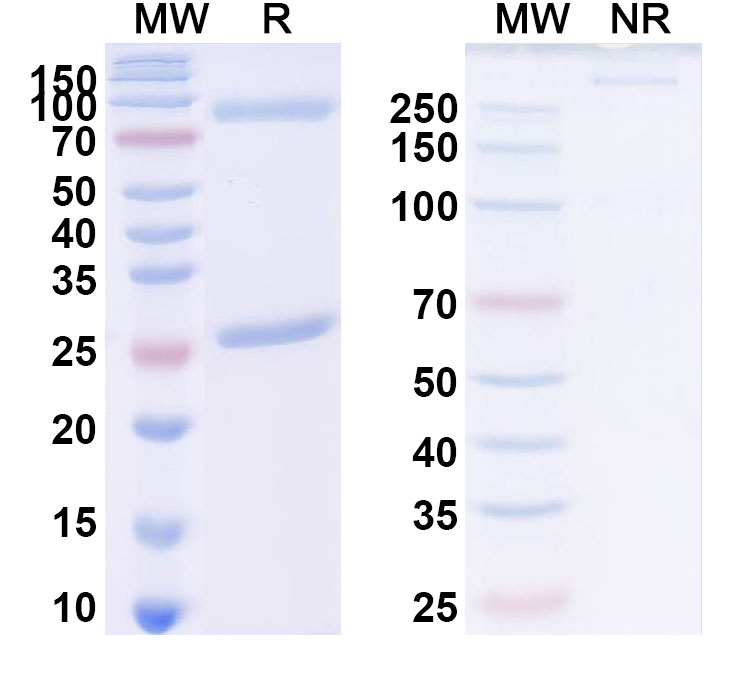
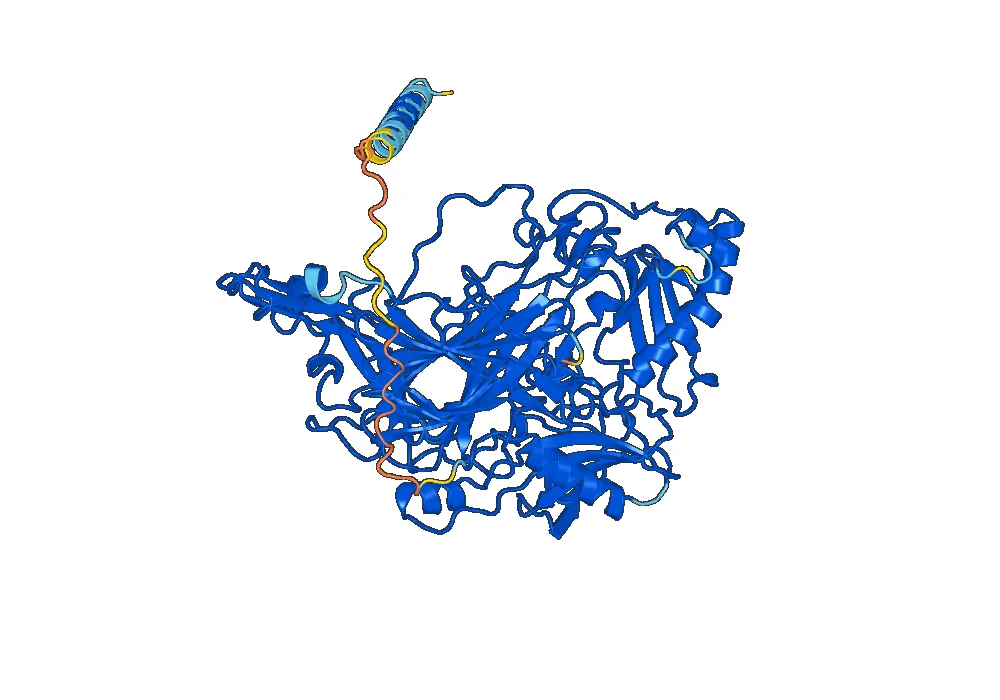
Alg-991 Biosimilar is a monoclonal antibody (mAb) that specifically binds to urushiol. It is a recombinant protein produced in a laboratory using genetic engineering techniques. The antibody is composed of two heavy chains and two light chains, each with a unique amino acid sequence. The heavy and light chains are connected by disulfide bonds and together form the characteristic Y-shaped structure of an antibody. Alg-991 Biosimilar is a fully humanized antibody, meaning that its amino acid sequence is derived entirely from human genes, making it less likely to cause adverse reactions in patients.
Activity of Alg-991 Biosimilar
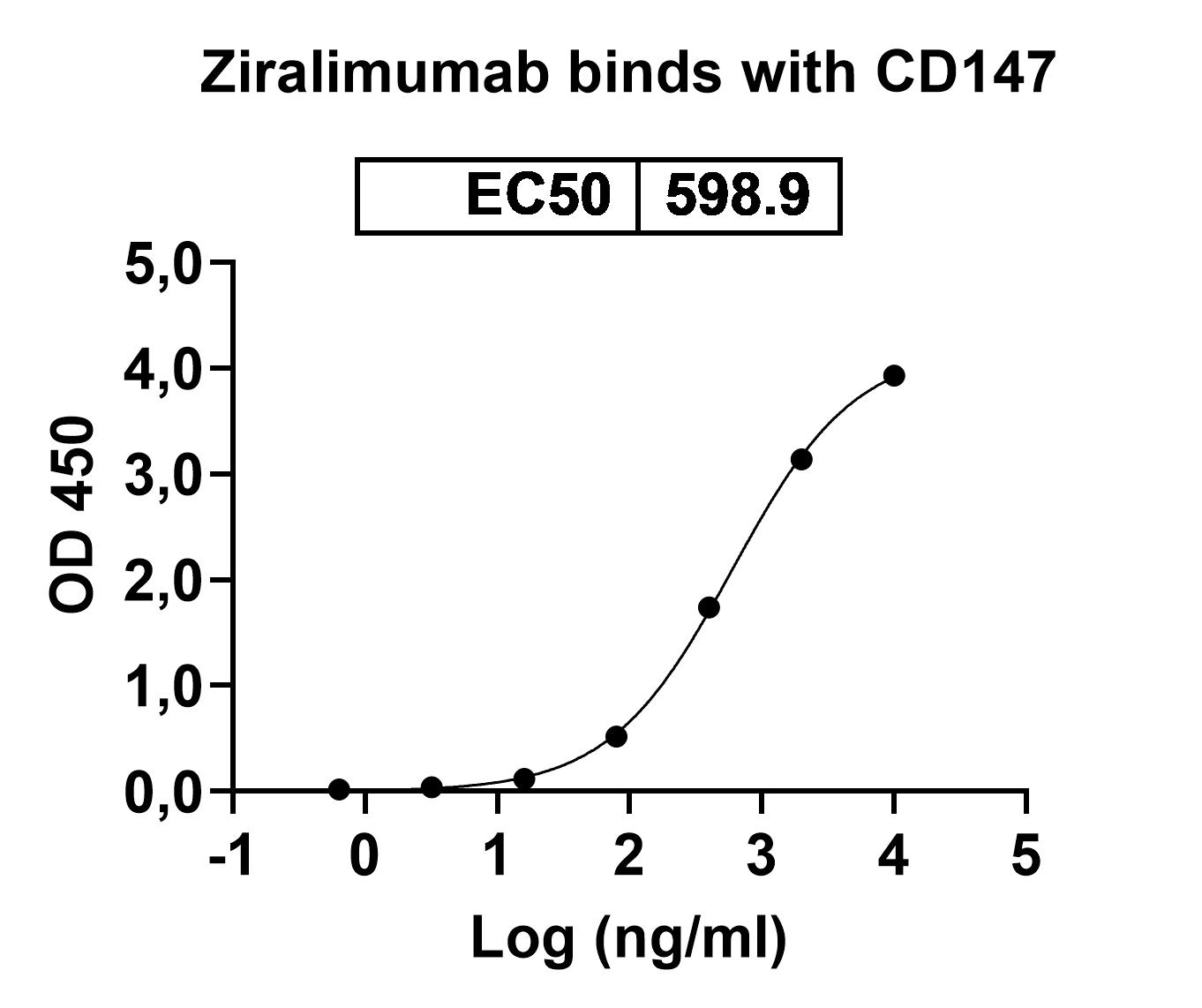
The primary function of Alg-991 Biosimilar is to bind to urushiol and neutralize its toxic effects. Urushiol is a small molecule that can easily penetrate the skin and bind to proteins, triggering an immune response that leads to inflammation and itching. By binding to urushiol, Alg-991 Biosimilar prevents it from interacting with proteins and reduces the inflammatory response. In preclinical studies, Alg-991 Biosimilar has shown high affinity and specificity for urushiol, making it a potent therapeutic agent for urushiol-induced dermatitis.
Potential Applications of Alg-991 Biosimilar
The potential applications of Alg-991 Biosimilar are vast, as urushiol-induced dermatitis affects millions of people worldwide. This condition is characterized by skin inflammation, itching, and blisters, which can be debilitating and severely impact the quality of life. Alg-991 Biosimilar has the potential to be used as a therapeutic agent for both prevention and treatment of urushiol-induced dermatitis.
Prevention: Alg-991 Biosimilar can be used as a prophylactic treatment for individuals who are frequently exposed to urushiol, such as hikers, gardeners, and outdoor workers. By administering Alg-991 Biosimilar before exposure to urushiol, the antibody can bind to the toxic compound and prevent it from causing an immune response.
Treatment: For individuals who have already developed urushiol-induced dermatitis, Alg-991 Biosimilar can be used as a therapeutic agent. By binding to urushiol, the antibody can reduce inflammation and alleviate symptoms such as itching and blisters. This can significantly improve the quality of life for individuals affected by this condition.
Future Directions
While Alg-991 Biosimilar has shown promising results in preclinical studies, further research is needed to fully understand its potential in clinical settings. Clinical trials are currently underway to evaluate the safety and efficacy of Alg-991 Biosimilar in patients with urushiol-induced dermatitis. If successful, this biosimilar antibody could become a valuable addition to the treatment options for this condition.
Conclusion
In summary, Alg-991 Biosimilar – Anti-Urushiol mAb is a biosimilar antibody that targets urushiol and has the potential to be used as a therapeutic agent for urushiol-induced dermatitis. Its unique structure and high specificity make it a promising candidate for both prevention and treatment of this condition. With ongoing research and clinical trials, Alg-991 Biosimilar could provide much-needed relief for individuals affected by urushiol-induced dermatitis.

There are no reviews yet.