Introduction
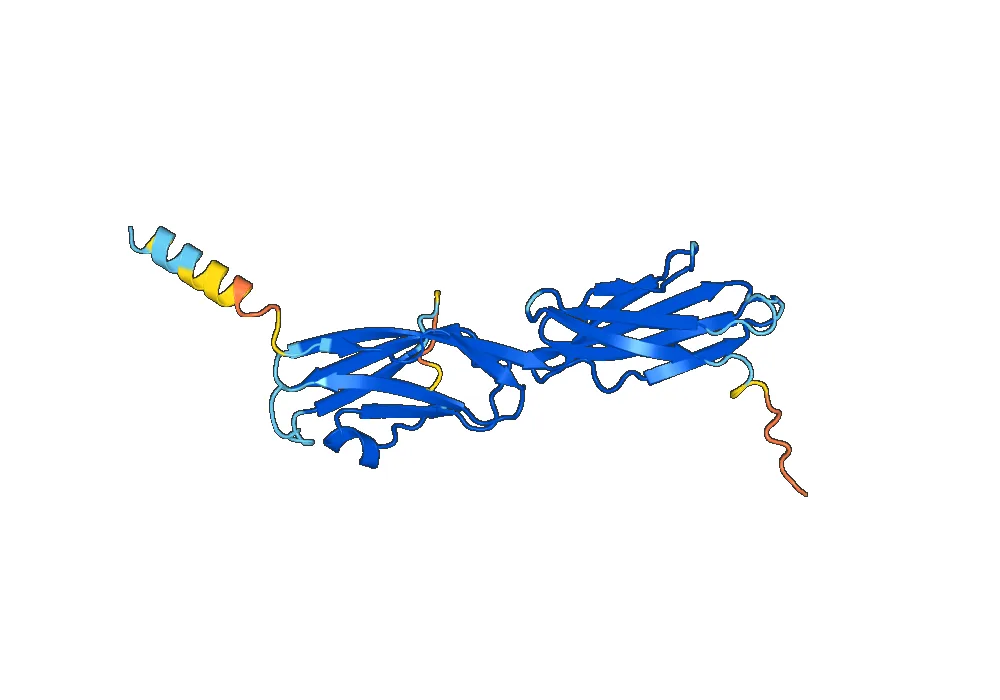
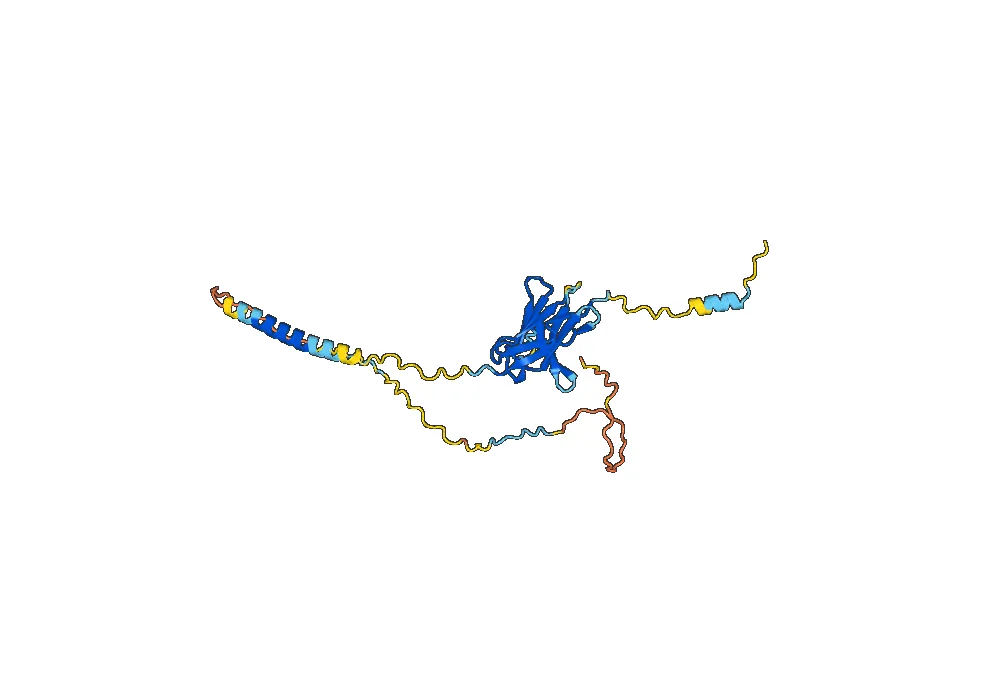
Zimberelimab Biosimilar, also known as Anti-PDCD1 mAb, is a research-grade monoclonal antibody that has recently gained attention in the field of immunotherapy. This biosimilar is designed to target the programmed cell death protein 1 (PD-1), a key regulator of the immune response. In this article, we will provide a comprehensive scientific description of Zimberelimab Biosimilar, including its structure, activity, and potential applications.
Structure of Zimberelimab Biosimilar
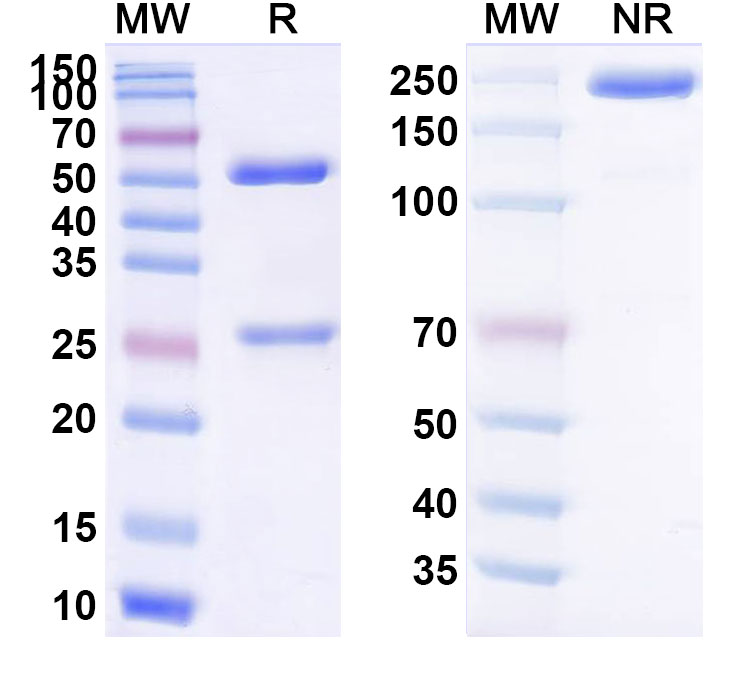
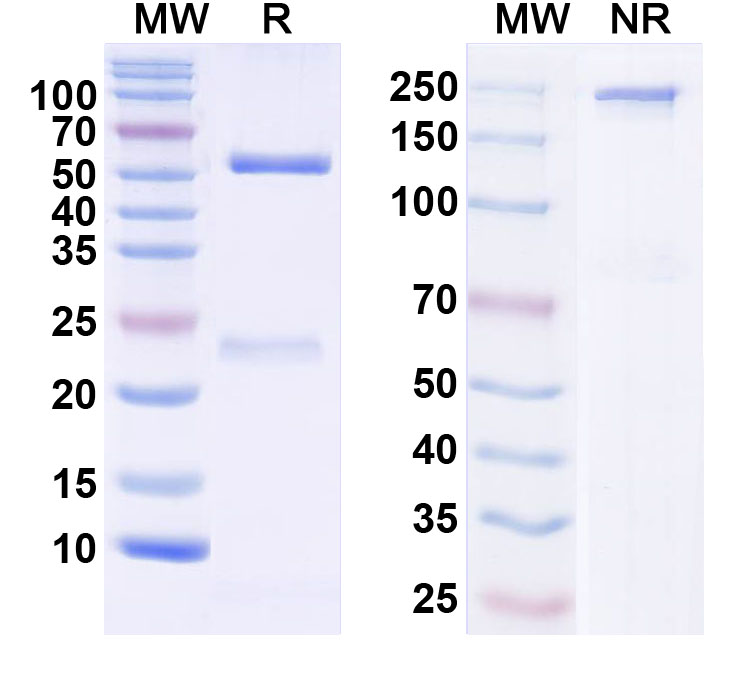
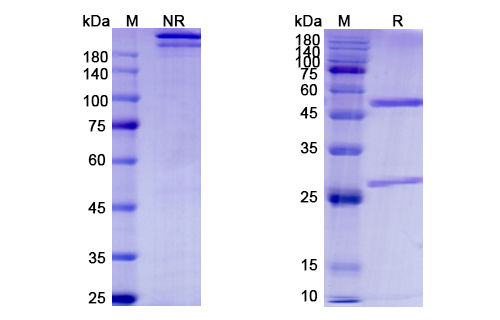
Zimberelimab Biosimilar is a fully humanized monoclonal antibody, meaning that it is derived from human cells and has a high affinity for its target. It is composed of two heavy chains and two light chains, which are connected by disulfide bonds. The amino acid sequence of Zimberelimab Biosimilar is highly similar to the reference anti-PDCD1 mAb, making it a suitable biosimilar with comparable activity.
Activity of Zimberelimab Biosimilar
Zimberelimab Biosimilar is designed to specifically bind to PD-1, a protein found on the surface of immune cells, including T cells and B cells. PD-1 plays a critical role in regulating the immune response by inhibiting T cell activation and proliferation. This mechanism helps to prevent excessive immune activation, which can lead to autoimmune diseases. However, cancer cells can exploit this mechanism to evade the immune system and grow unchecked. Zimberelimab Biosimilar works by blocking the interaction between PD-1 and its ligands, PD-L1 and PD-L2, thereby restoring the activity of T cells and enhancing the immune response against cancer cells.
Therapeutic Target: PD-1
PD-1 has emerged as a promising therapeutic target for cancer immunotherapy. It is highly expressed on the surface of tumor-infiltrating lymphocytes, indicating its role in the immune evasion of cancer cells. Zimberelimab Biosimilar offers a potential treatment option for various types of cancer, including melanoma, non-small cell lung cancer, and renal cell carcinoma. It has shown promising results in clinical trials, with a favorable safety profile and significant anti-tumor activity.
Applications of Zimberelimab Biosimilar Zimberelimab Biosimilar has the potential to revolutionize
cancer treatment by harnessing the power of the immune system. It can be used as a monotherapy or in combination with other anti- cancer therapies, such as chemotherapy and targeted therapy. This biosimilar has also shown promise in treating relapsed or refractory Hodgkin’s lymphoma, a type of blood cancer. Additionally, Zimberelimab Biosimilar has the potential to be used in the treatment of autoimmune diseases, such as rheumatoid arthritis and multiple sclerosis, by modulating the immune response.
Conclusion
In summary, Zimberelimab Biosimilar is a research-grade monoclonal antibody that specifically targets PD-1, a key regulator of the immune response. Its structure, activity, and potential applications make it a promising candidate for cancer immunotherapy and other immune-related diseases. Further research and clinical trials are needed to fully understand the potential of Zimberelimab Biosimilar and its role in improving patient outcomes.


There are no reviews yet.