Zilovertamab Biosimilar: A Promising Anti-ROR1 Monoclonal Antibody for
Cancer Treatment
Zilovertamab Biosimilar, also known as Anti-ROR1 mAb, is a monoclonal antibody that specifically targets the receptor tyrosine kinase-like orphan receptor 1 (ROR1). This biosimilar is a promising therapeutic agent for the treatment of various cancers, including solid tumors and hematologic malignancies. In this article, we will explore the structure, activity, and potential applications of Zilovertamab Biosimilar in cancer research.
Structure of Zilovertamab Biosimilar
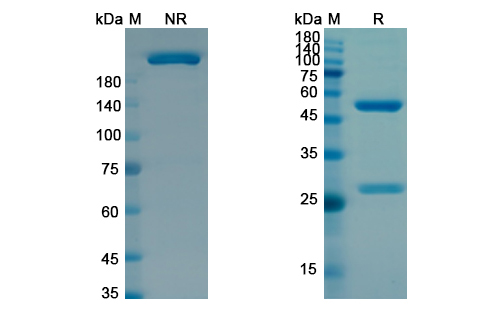
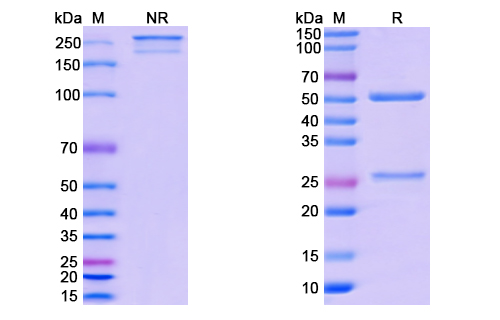
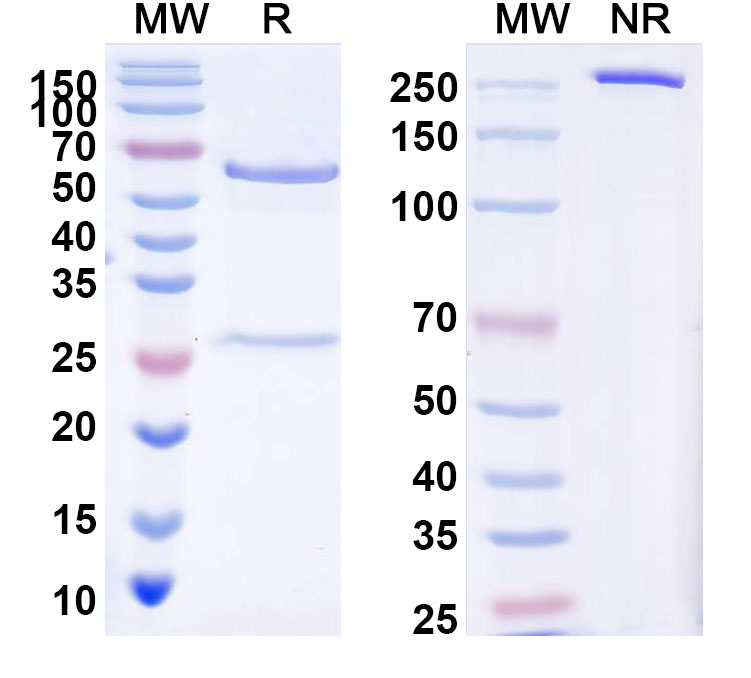
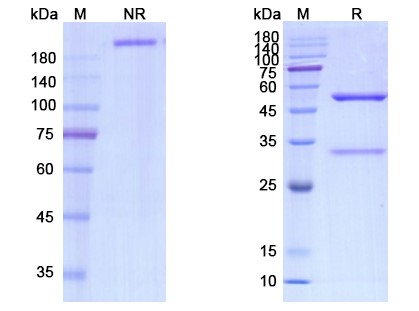
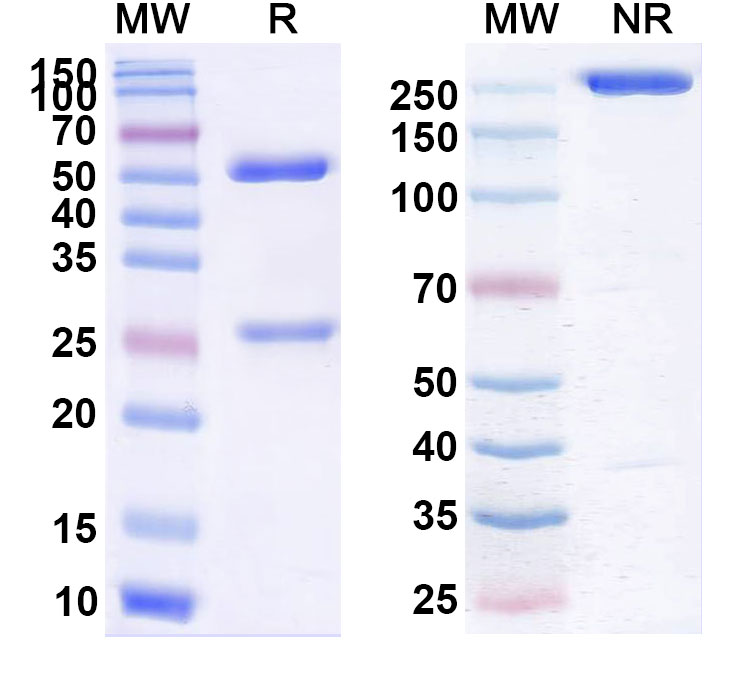
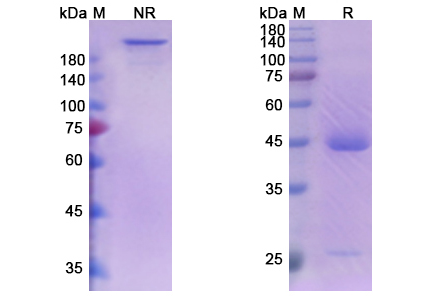
Zilovertamab Biosimilar is a recombinant humanized monoclonal antibody that is derived from the parent antibody, cirmtuzumab. It is composed of two heavy chains and two light chains, with a molecular weight of approximately 150 kDa. The antibody has a unique structure that allows it to specifically bind to ROR1, a cell surface receptor that is overexpressed in many cancer cells.
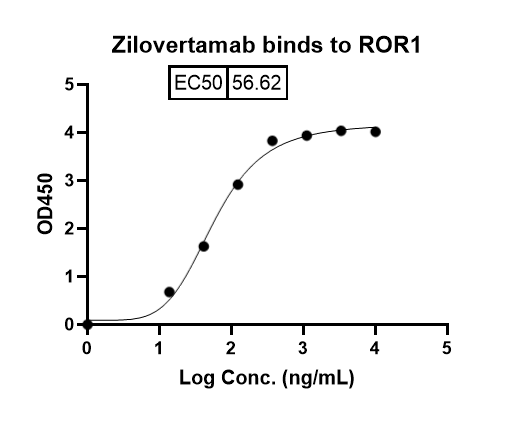
The binding site of Zilovertamab Biosimilar is located in the variable region of the antibody, which is responsible for recognizing and binding to its target. This region is highly specific and allows for the antibody to selectively bind to ROR1, without affecting other receptors or proteins in the body.
Activity of Zilovertamab Biosimilar
The main mechanism of action of Zilovertamab Biosimilar is through its binding to ROR1 on the surface of cancer cells. This binding leads to the inhibition of ROR1 signaling pathways, which are involved in promoting cancer cell growth, survival, and metastasis. By blocking these pathways, Zilovertamab Biosimilar can effectively inhibit the growth and spread of cancer cells.
Moreover, Zilovertamab Biosimilar also has an immunomodulatory activity, as it can bind to ROR1-expressing immune cells and activate them to attack cancer cells. This dual mechanism of action makes Zilovertamab Biosimilar a potent therapeutic agent for cancer treatment.
Applications of Zilovertamab Biosimilar
The potential applications of Zilovertamab Biosimilar are vast, as it can be used in various types of cancer. Its high specificity and activity against ROR1 make it a promising candidate for targeted therapy in solid tumors, such as breast, lung, and ovarian cancer. It can also be used in hematologic malignancies, including leukemia and lymphoma, as ROR1 is highly expressed in these types of cancer cells.
Zilovertamab Biosimilar can be used as a monotherapy or in combination with other anti- cancer agents, such as chemotherapy, radiotherapy, or other targeted therapies. Its immunomodulatory activity also makes it a potential candidate for combination therapy with immune checkpoint inhibitors, enhancing the anti-tumor immune response.
Conclusion
Zilovertamab Biosimilar, also known as Anti-ROR1 mAb, is a promising monoclonal antibody for cancer treatment. Its unique structure, high specificity, and dual mechanism of action make it a potent therapeutic agent for various types of cancer. Further clinical trials and research are needed to fully explore the potential of Zilovertamab Biosimilar in cancer treatment and improve patient outcomes.
Keywords: antibody, therapeutic target, Zilovertamab Biosimilar, Anti-ROR1 mAb, monoclonal antibody, cancer treatment, ROR1, structure, activity, applications.


There are no reviews yet.