Title: Understanding Sibeprenlimab Biosimilar: A Promising Anti-TNFSF13 mAb for Therapeutic Targeting
Introduction
Sibeprenlimab Biosimilar, also known as anti-TNFSF13 monoclonal antibody (mAb), is a novel biologic agent that has shown great potential in the treatment of various immune-mediated diseases. This biosimilar is a highly specific and potent inhibitor of TNFSF13, a cytokine involved in the regulation of immune responses and inflammation. In this article, we will delve into the structure, activity, and potential applications of Sibeprenlimab Biosimilar as a therapeutic agent.
Structure of Sibeprenlimab Biosimilar
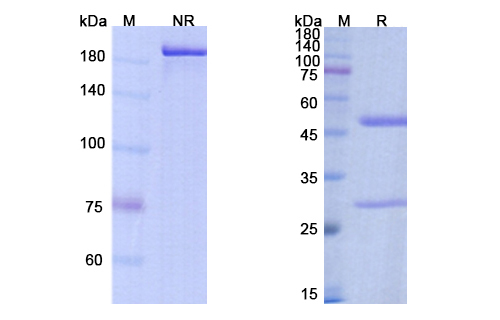
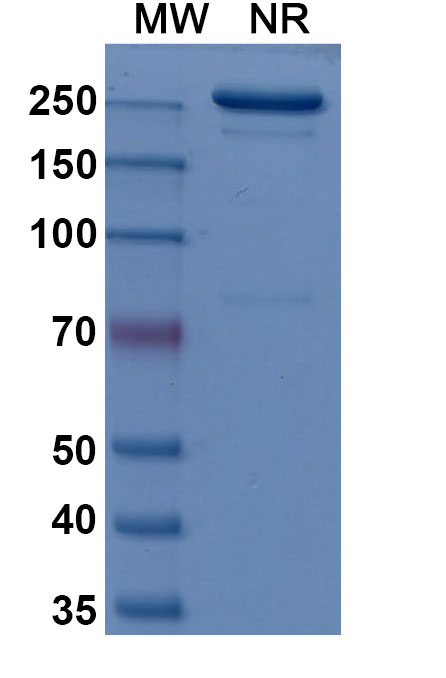
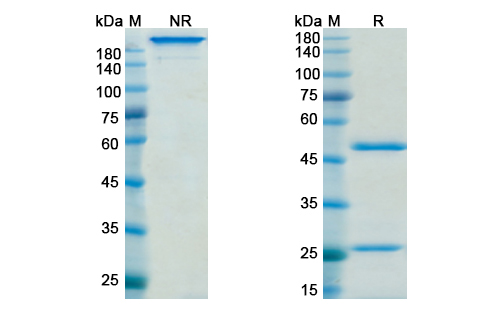
Sibeprenlimab Biosimilar is a recombinant humanized IgG1 monoclonal antibody, with a molecular weight of approximately 150 kDa. It is composed of two heavy chains and two light chains, each containing a variable region responsible for antigen binding and a constant region responsible for effector functions. The variable regions of Sibeprenlimab Biosimilar are engineered to specifically target and bind to TNFSF13, thereby blocking its activity.
Activity of Sibeprenlimab Biosimilar
TNFSF13, also known as B lymphocyte stimulator (BLyS), is a cytokine that plays a crucial role in the survival and maturation of B cells. It is also involved in the development of autoimmunity and inflammation. Sibeprenlimab Biosimilar binds to TNFSF13 and prevents its interaction with its receptor, thereby inhibiting the survival and activation of B cells. This leads to a decrease in the production of autoantibodies and pro-inflammatory cytokines, resulting in the suppression of autoimmune responses and inflammation.
Potential Applications of Sibeprenlimab Biosimilar
Sibeprenlimab Biosimilar has shown promising results in preclinical and clinical studies for the treatment of various immune-mediated diseases. Some of the potential applications of this biosimilar include:
1. Rheumatoid Arthritis (RA): RA is a chronic autoimmune disease characterized by joint inflammation and destruction. Sibeprenlimab Biosimilar has shown to be effective in reducing disease activity and improving clinical symptoms in RA patients.
2. Systemic Lupus Erythematosus (SLE): SLE is a systemic autoimmune disease that affects multiple organs. Sibeprenlimab Biosimilar has shown to be effective in reducing disease activity and improving organ involvement in SLE patients.
3. Sjögren’s Syndrome (SS): SS is an autoimmune disease that primarily affects the salivary and lacrimal glands, resulting in dry mouth and eyes. Sibeprenlimab Biosimilar has shown to improve salivary and lacrimal gland function in SS patients.
4. Primary Sjögren’s Syndrome (pSS): pSS is a subtype of SS that occurs without any underlying connective tissue disease. Sibeprenlimab Biosimilar has shown to be effective in reducing disease activity and improving clinical symptoms in pSS patients.
5. Other Autoimmune Diseases: Sibeprenlimab Biosimilar has also shown potential in the treatment of other autoimmune diseases such as systemic sclerosis, myasthenia gravis, and immune thrombocytopenia.
Conclusion
Sibeprenlimab Biosimilar is a promising biologic agent that specifically targets TNFSF13 and has shown great potential in the treatment of various immune-mediated diseases. Its unique mechanism of action and favorable safety profile make it a promising therapeutic option for patients with these conditions. Further studies are needed to fully understand the potential of this biosimilar and its role in the management of autoimmune diseases.

There are no reviews yet.