Introduction
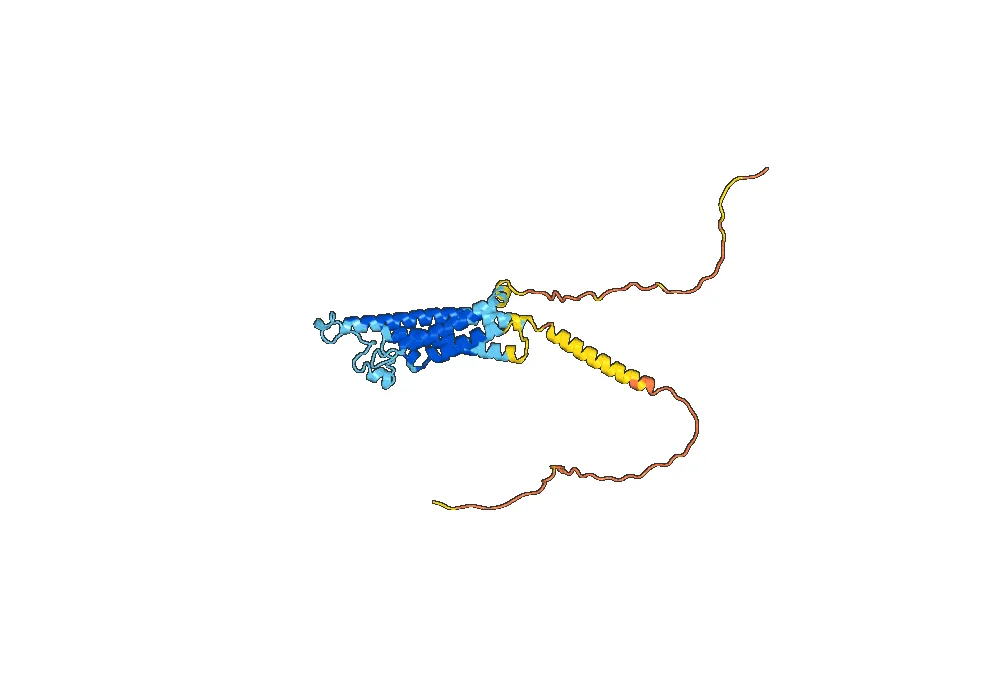
Ripertamab Biosimilar, also known as Anti-MS4A1 mAb, is a research grade monoclonal antibody that has been developed as a potential therapeutic agent for various diseases. This antibody specifically targets the MS4A1 protein, which is a member of the membrane-spanning 4-domains subfamily A, and has been implicated in several pathological processes. In this article, we will discuss the structure, activity, and potential applications of Ripertamab Biosimilar.
Structure of Ripertamab Biosimilar
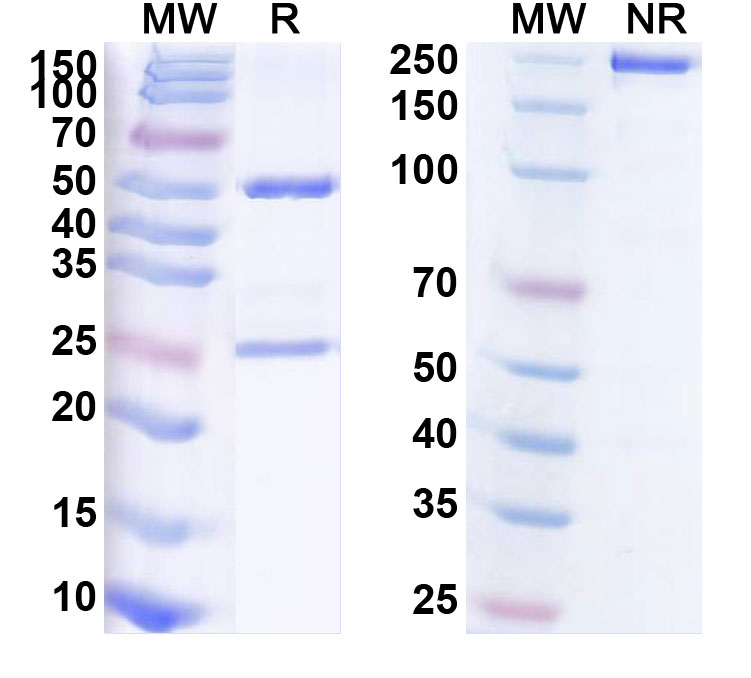
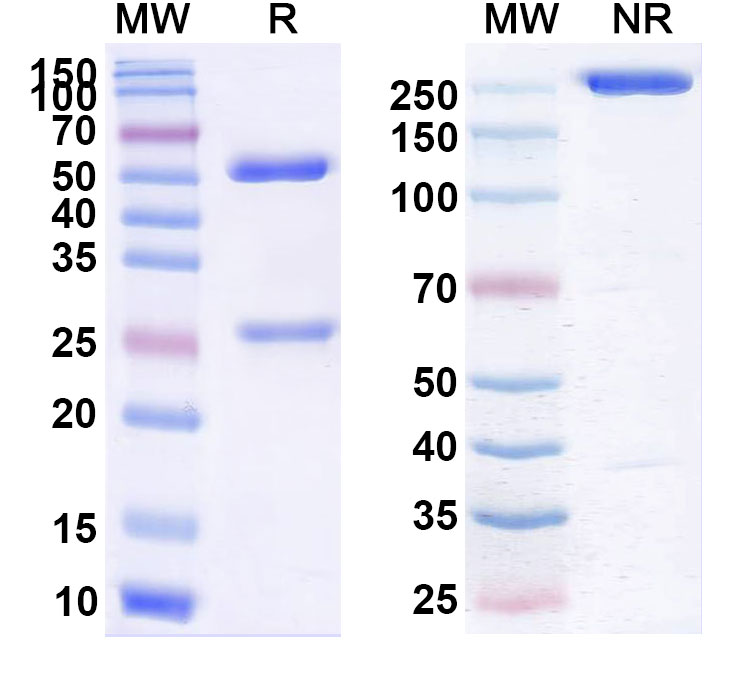
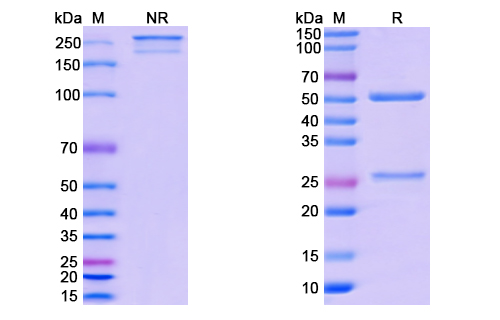
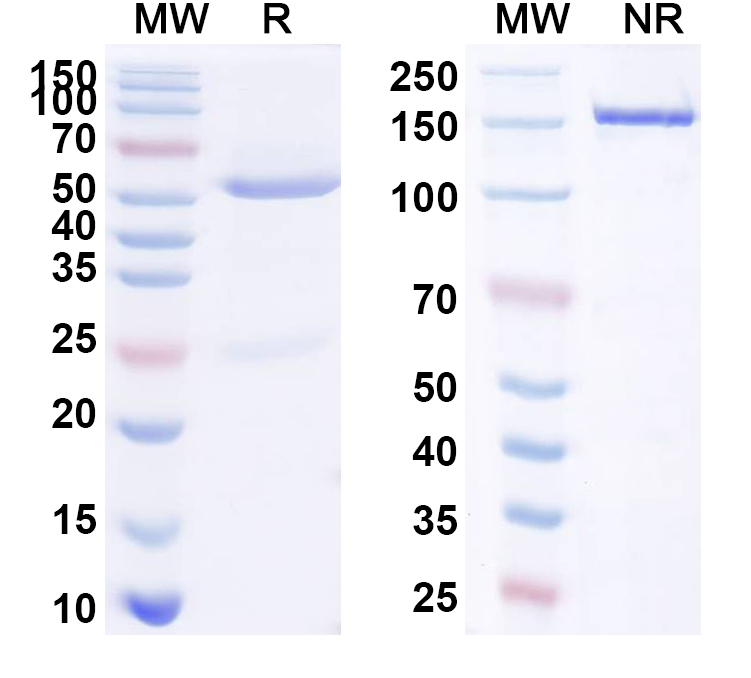
Ripertamab Biosimilar is a monoclonal antibody, meaning it is produced by a single type of immune cell and is specific to a particular target. It is composed of two identical heavy chains and two identical light chains, each containing variable and constant regions. The variable regions of the antibody are responsible for recognizing and binding to the MS4A1 protein, while the constant regions provide stability and facilitate effector functions.
Activity of Ripertamab Biosimilar
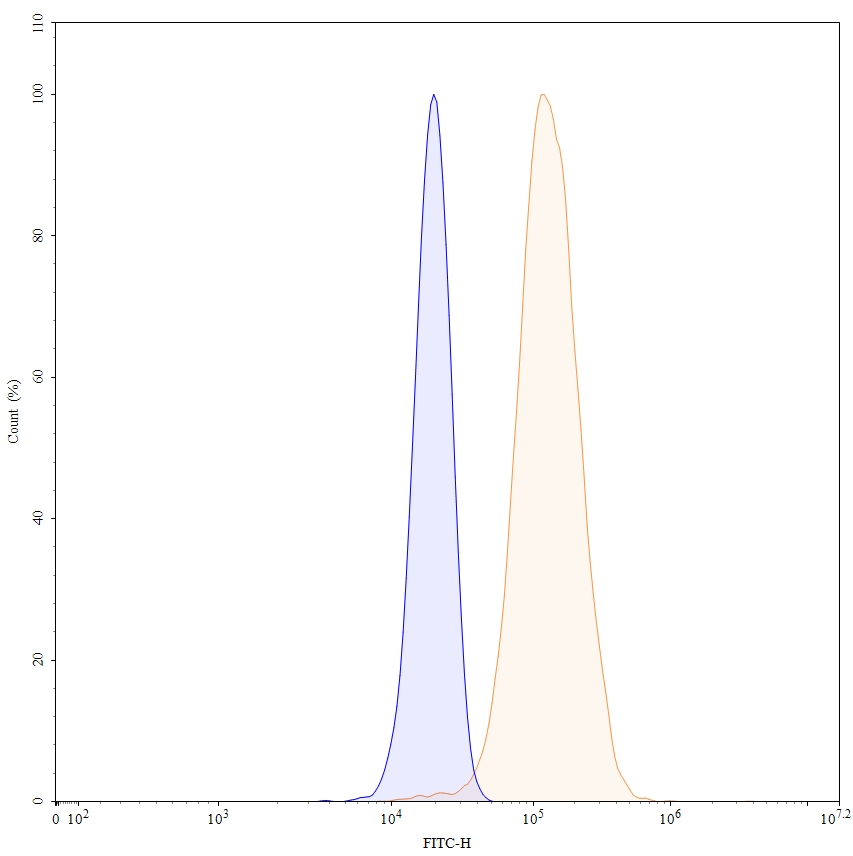
Ripertamab Biosimilar has been designed to specifically target the MS4A1 protein, which is highly expressed on the surface of B cells and some types of cancer cells. Upon binding to MS4A1, the antibody can induce various mechanisms to eliminate the target cells. These include antibody-dependent cell-mediated cytotoxicity (ADCC), complement-dependent cytotoxicity (CDC), and apoptosis. ADCC involves the recruitment and activation of immune cells, such as natural killer cells, to directly kill the target cells. CDC, on the other hand, involves the activation of the complement system, which leads to the formation of pores on the target cell membrane and ultimately cell death. Apoptosis, also known as programmed cell death, is a natural process that can be triggered by the binding of Ripertamab Biosimilar to MS4A1.
Applications of Ripertamab Biosimilar
Ripertamab Biosimilar has shown potential for the treatment of various diseases, including B-cell lymphomas, leukemias, and autoimmune disorders. By targeting the MS4A1 protein, which is highly expressed on the surface of B cells, this antibody can selectively eliminate these cells and potentially treat B-cell malignancies. In addition, MS4A1 has been implicated in the development of autoimmune disorders, and Ripertamab Biosimilar could potentially be used to modulate the activity of B cells and prevent their contribution to the disease.
Moreover, Ripertamab Biosimilar has also shown promise in combination with other therapies. For example, in combination with chemotherapy, this antibody has been shown to enhance the efficacy of the treatment and improve patient outcomes. Additionally, it has been studied in combination with other targeted therapies, such as tyrosine kinase inhibitors, and has shown synergistic effects in treating certain types of cancer.
Conclusion
In conclusion, Ripertamab Biosimilar is a research grade monoclonal antibody that specifically targets the MS4A1 protein. It has shown potential for the treatment of various diseases, including B-cell malignancies and autoimmune disorders. The antibody exerts its activity through multiple mechanisms, including ADCC, CDC, and apoptosis. Further research and clinical trials are needed to fully understand the potential of Ripertamab Biosimilar in treating various diseases and to bring this therapeutic option to patients in need.


There are no reviews yet.