Introduction
Zansecimab Biosimilar, also known as Anti-ANGPT2 mAb, is a research grade monoclonal antibody that has shown promising potential in the treatment of various diseases. In this article, we will explore the structure, activity, and applications of this antibody in detail.
Structure of Zansecimab Biosimilar
Zansecimab Biosimilar is a monoclonal antibody that specifically targets the protein angiopoietin-2 (ANGPT2). It is a humanized IgG1 antibody, which means that it is derived from mouse antibodies but has been modified to have a human-like structure. This modification reduces the risk of immune reactions when used in humans.
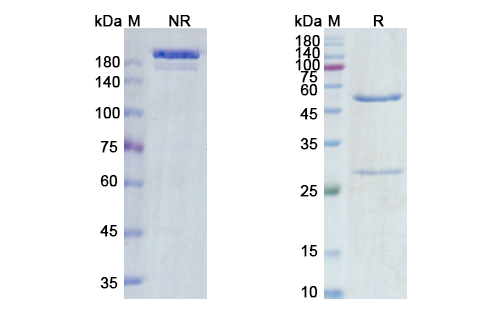
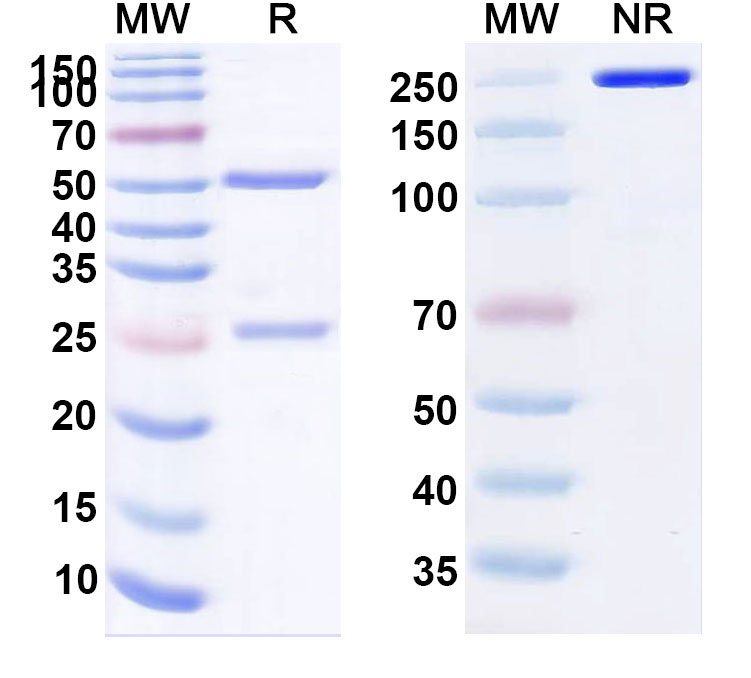
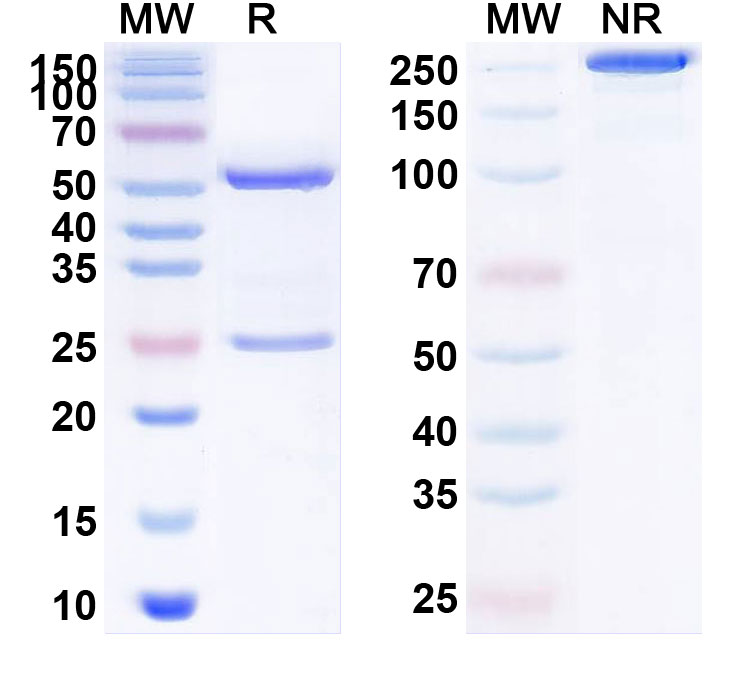
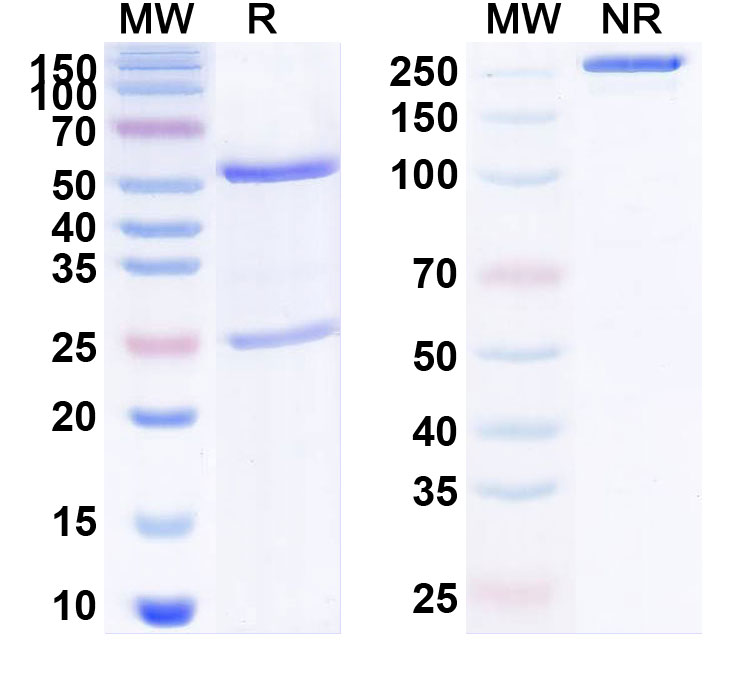
The antibody has a molecular weight of approximately 150 kDa and consists of two heavy chains and two light chains. The heavy chains are made up of four constant domains (CH1, CH2, CH3, and CH4) and one variable domain (VH), while the light chains have two constant domains (CL) and one variable domain (VL).
The variable domains of Zansecimab Biosimilar are responsible for binding to the ANGPT2 protein, while the constant domains play a role in the immune response and effector functions of the antibody.
Activity of Zansecimab Biosimilar
The main activity of Zansecimab Biosimilar is its ability to bind to the ANGPT2 protein. ANGPT2 is a cytokine that plays a crucial role in angiogenesis, the formation of new blood vessels. In healthy individuals, ANGPT2 levels are tightly regulated, but in certain diseases, such as cancer, ANGPT2 levels can be elevated, leading to excessive angiogenesis.
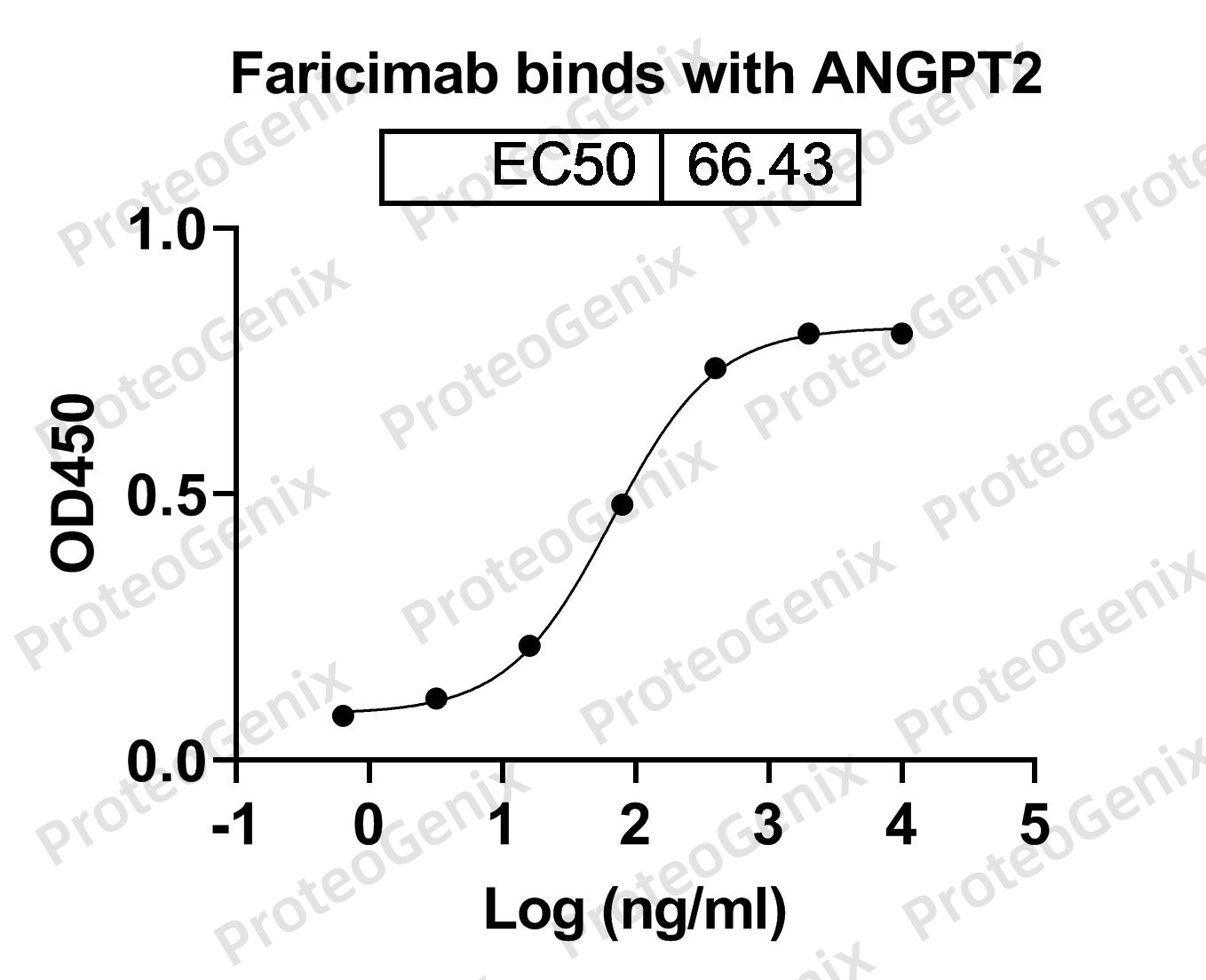
Zansecimab Biosimilar binds to ANGPT2 with high affinity, preventing it from interacting with its receptor, Tie2. This disrupts the signaling pathway involved in angiogenesis, ultimately inhibiting the formation of new blood vessels. This activity has potential therapeutic benefits in diseases where angiogenesis plays a role, such as cancer, age-related macular degeneration, and diabetic retinopathy.
Furthermore, Zansecimab Biosimilar has been shown to have an anti-inflammatory effect by reducing the production of pro-inflammatory cytokines. This activity may also contribute to its therapeutic potential in certain diseases.
Applications of Zansecimab Biosimilar
Zansecimab Biosimilar is currently being studied for its potential use in various diseases, including cancer, age-related macular degeneration, and diabetic retinopathy.
In cancer, Zansecimab Biosimilar has shown promising results in preclinical studies as a potential anti-angiogenic therapy. By inhibiting the formation of new blood vessels, it can limit the supply of nutrients and oxygen to tumors, ultimately reducing their growth and spread.
In age-related macular degeneration and diabetic retinopathy, Zansecimab Biosimilar has shown potential as a treatment to prevent the progression of these diseases. By inhibiting angiogenesis, it can prevent the formation of abnormal blood vessels in the eye, which can lead to vision loss.
Additionally, Zansecimab Biosimilar has also been studied as a potential therapy for other diseases, such as pulmonary hypertension and inflammatory bowel disease, where angiogenesis plays a role.
Conclusion
Zansecimab Biosimilar, also known as Anti-ANGPT2 mAb, is a research grade monoclonal antibody with a humanized structure. Its main activity is the inhibition of angiogenesis by binding to the ANGPT2 protein. This antibody has shown potential in the treatment of various diseases, including cancer, age-related macular degeneration, and diabetic retinopathy. Further research is needed to fully understand the therapeutic potential of Zansecimab Biosimilar and its role in the treatment of these diseases.

There are no reviews yet.