Introduction
Zalifrelimab Biosimilar, also known as Anti-CTLA4 or CD152 monoclonal antibody, is a research grade therapeutic antibody that has been developed as a potential treatment for various types of cancer. This biosimilar is designed to mimic the activity of the original antibody, Ipilimumab, which has been approved by the FDA for the treatment of melanoma. In this article, we will explore the structure, activity, and potential applications of Zalifrelimab Biosimilar.
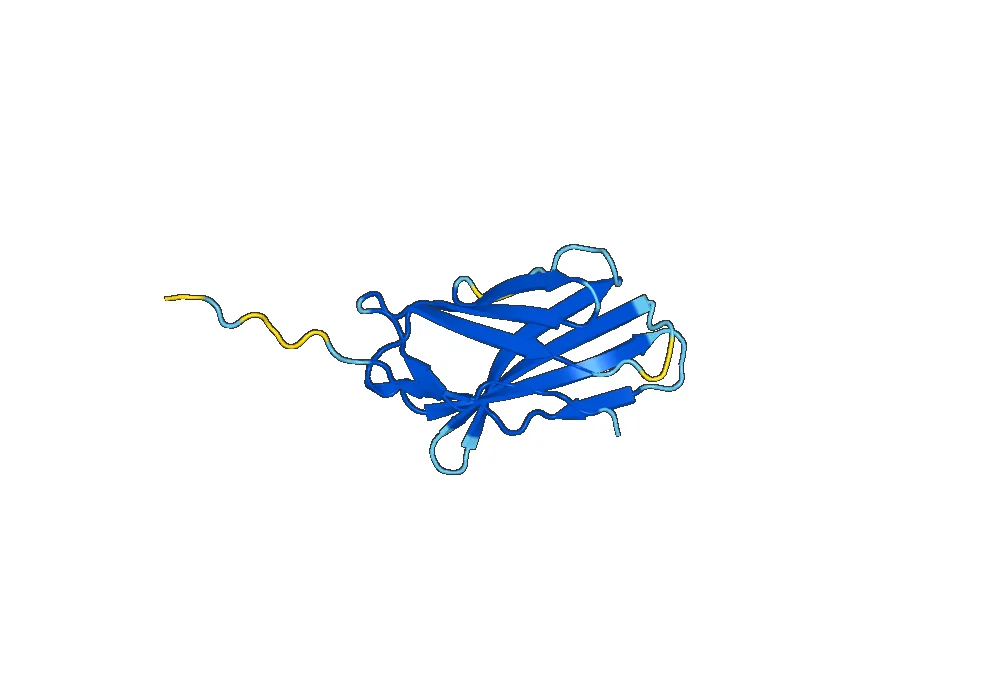
Structure of Zalifrelimab Biosimilar
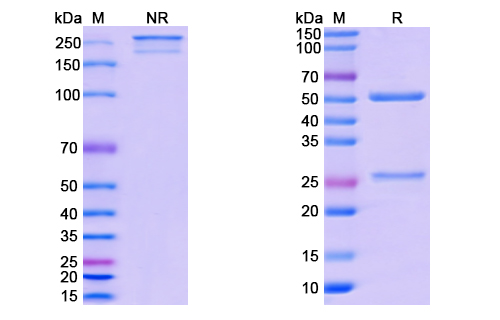
Zalifrelimab Biosimilar is a recombinant monoclonal antibody that is produced in a laboratory using recombinant DNA technology. It is composed of two identical heavy chains and two identical light chains, each containing a variable region and a constant region. The variable regions of the antibody are responsible for binding to its target, while the constant regions provide stability and effector functions.
The structure of Zalifrelimab Biosimilar is very similar to that of the original antibody, Ipilimumab. Both antibodies are of the IgG1 isotype and have a similar overall shape. However, Zalifrelimab Biosimilar has been engineered to have a higher binding affinity for its target, making it potentially more effective in treating cancer.
Activity of Zalifrelimab Biosimilar
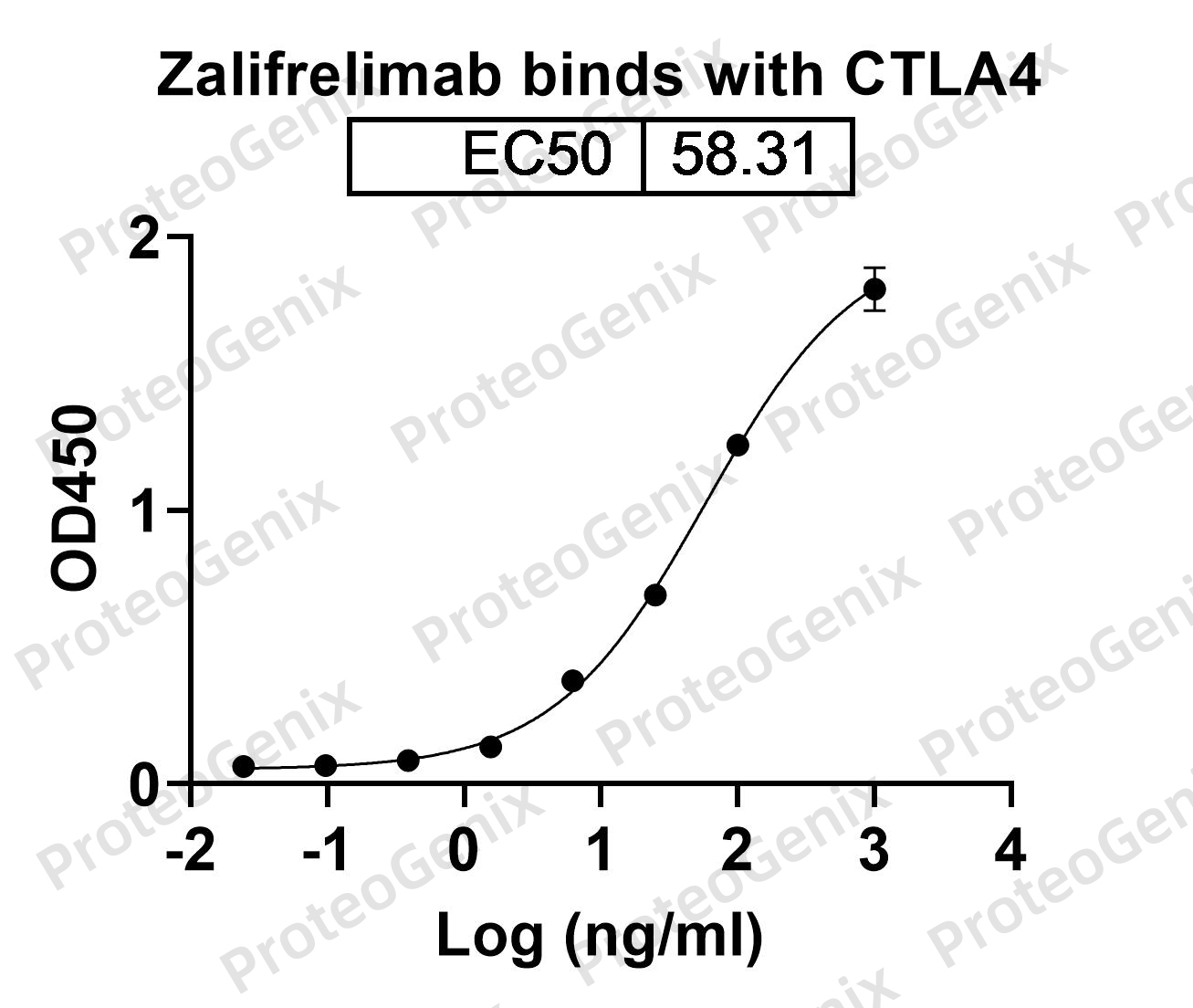
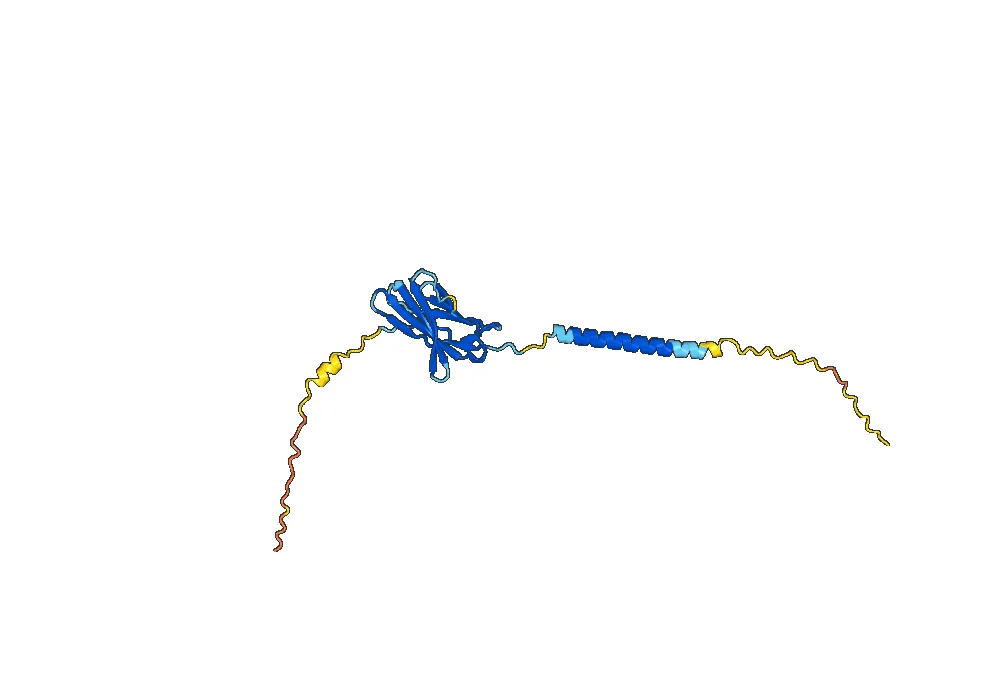
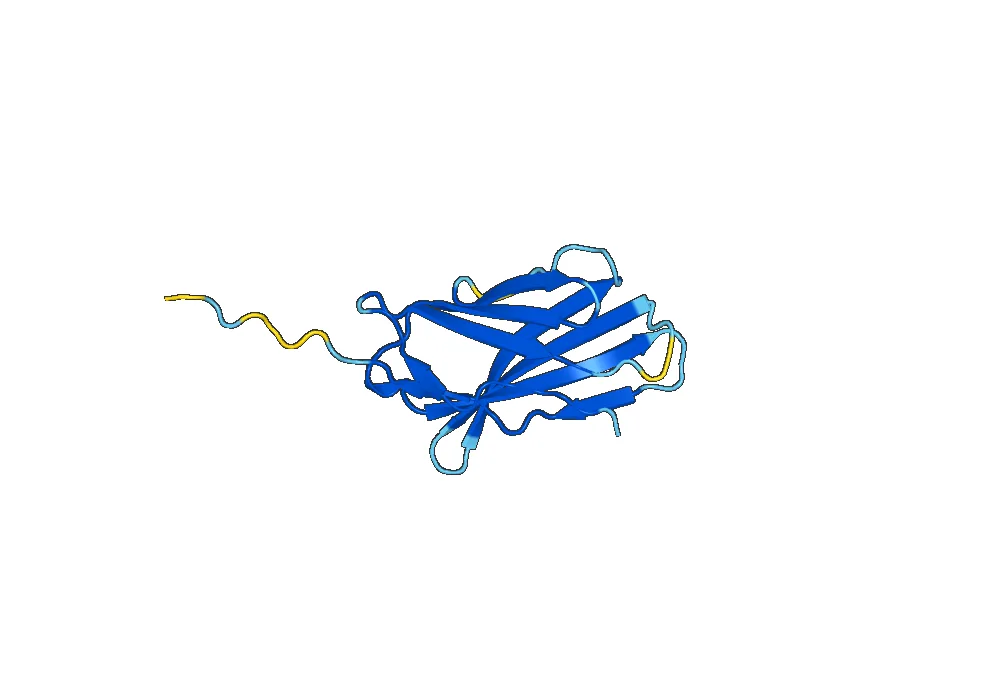
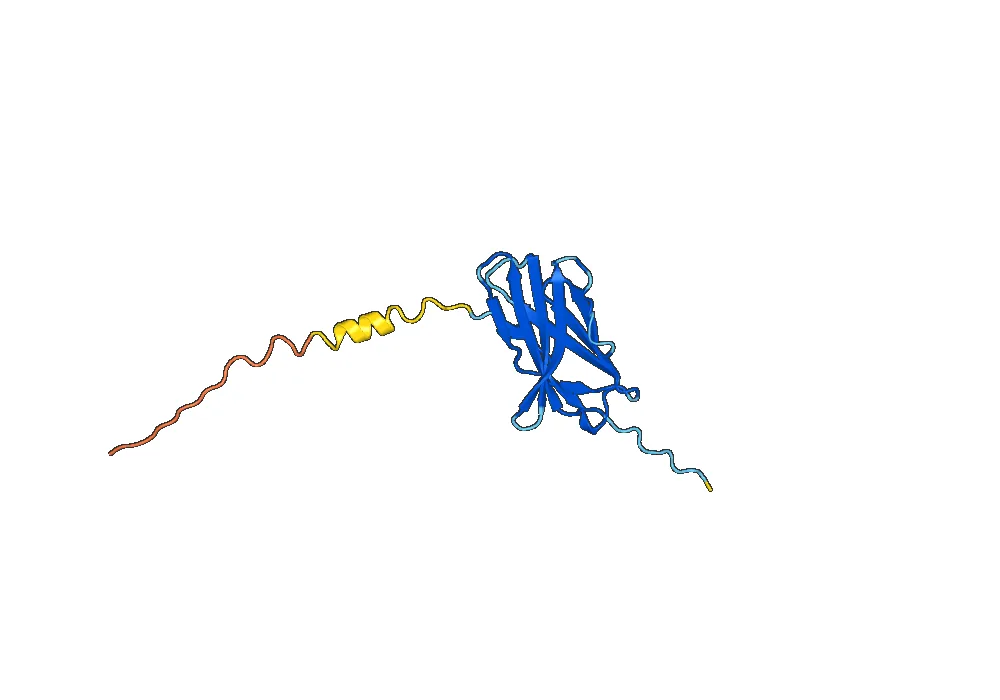
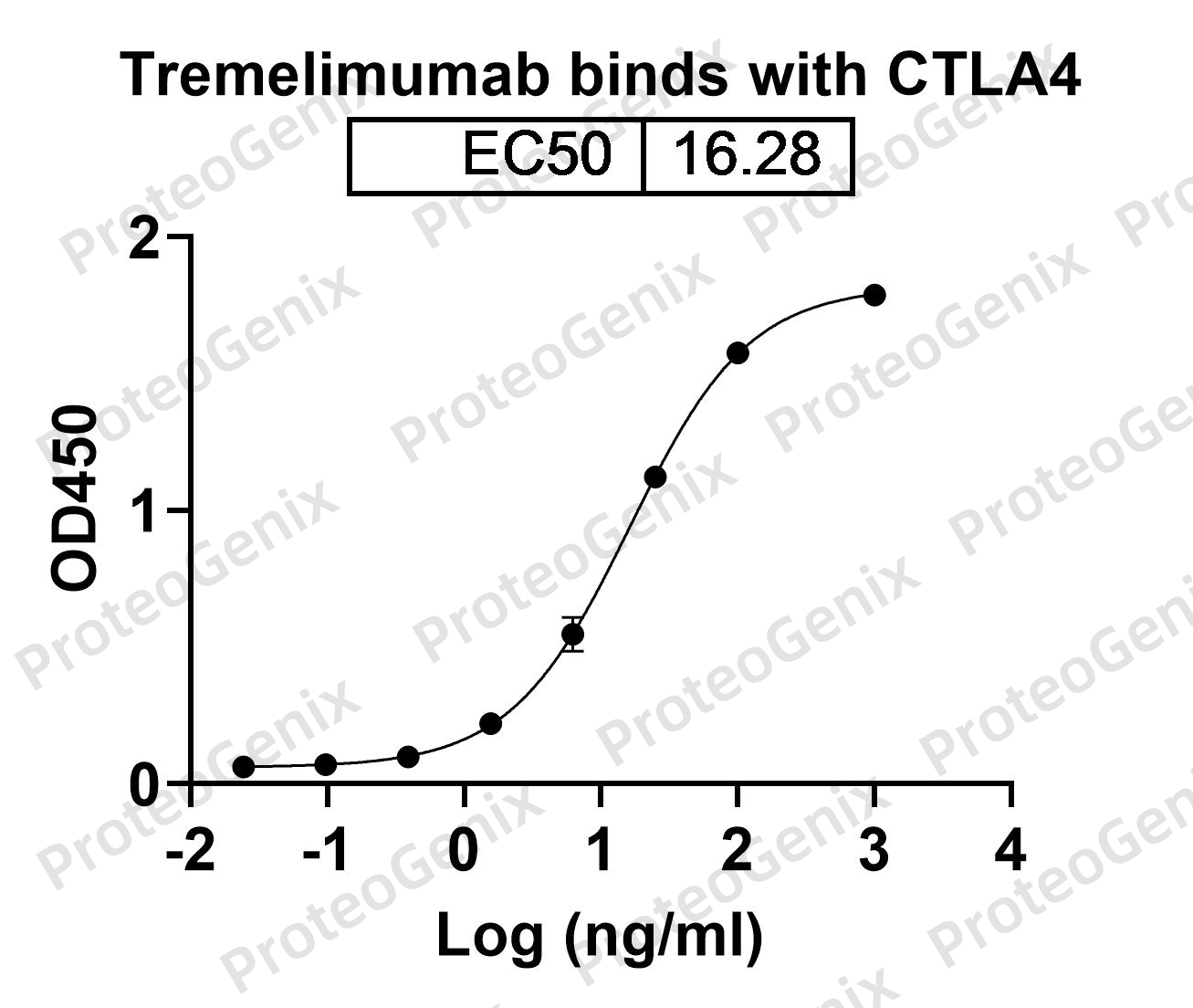
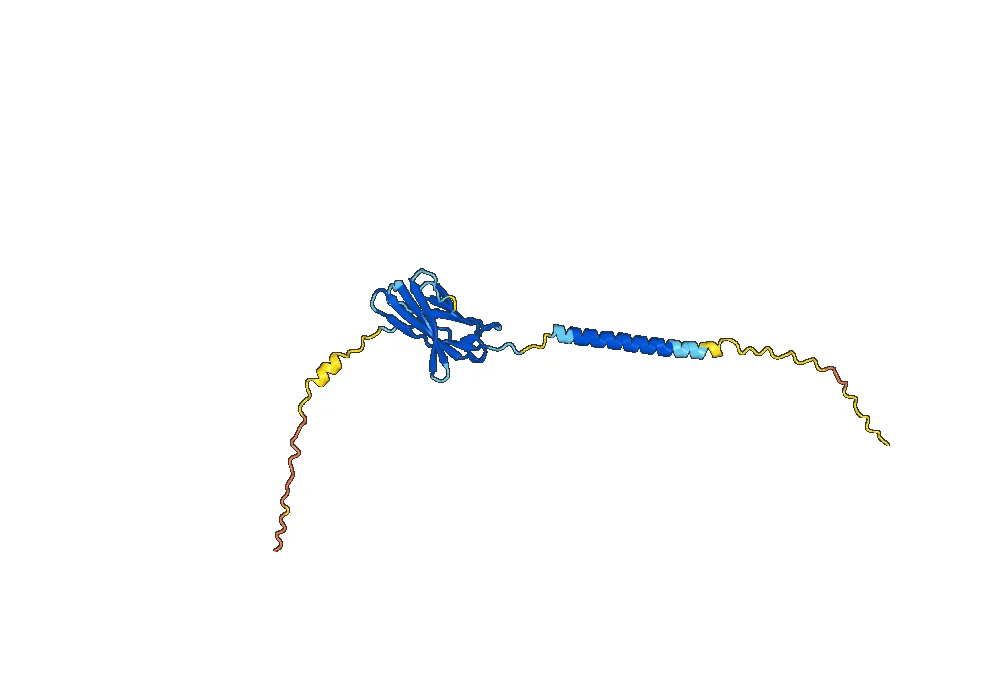
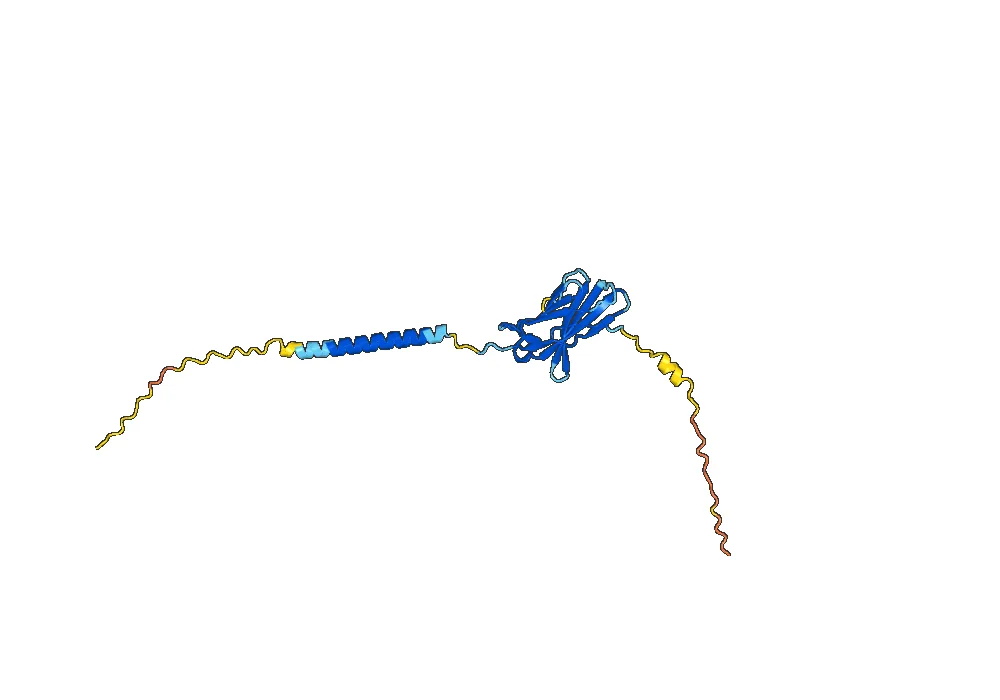
Zalifrelimab Biosimilar works by targeting a protein called CTLA-4, which is found on the surface of certain immune cells, including T cells. CTLA-4 is a negative regulator of T cell activation, meaning it helps to keep the immune response in check. However, in cancer, this protein is often overexpressed, leading to suppression of the immune response and allowing the tumor to grow unchecked.
By binding to CTLA-4, Zalifrelimab Biosimilar blocks its activity and allows T cells to become activated and attack cancer cells. This leads to an enhanced immune response against the tumor, potentially slowing its growth and improving patient outcomes.
Therapeutic Target of Zalifrelimab Biosimilar
The therapeutic target of Zalifrelimab Biosimilar is CTLA-4, a protein that is involved in regulating the immune response. This protein is found on the surface of T cells and helps to prevent them from becoming overactive. However, in cancer, CTLA-4 is often overexpressed, leading to suppression of the immune response and allowing the tumor to grow.
Zalifrelimab Biosimilar is designed to specifically target and bind to CTLA-4, blocking its activity and allowing T cells to become activated. This leads to an enhanced immune response against the tumor, potentially slowing its growth and improving patient outcomes.
Potential Applications of Zalifrelimab Biosimilar
Zalifrelimab Biosimilar has shown promise as a potential treatment for various types of cancer, including melanoma, non-small cell lung cancer, and renal cell carcinoma. It is currently being evaluated in clinical trials for these indications and has shown promising results in early studies.
In addition to its potential as a monotherapy, Zalifrelimab Biosimilar is also being studied in combination with other cancer treatments, such as chemotherapy and other immunotherapies. This is because the combination of different treatments can often lead to a more effective and comprehensive attack on the tumor.
Conclusion
Zalifrelimab Biosimilar, also known as Anti-CTLA4 or CD152 monoclonal antibody, is a research grade therapeutic antibody designed to mimic the activity of the original antibody, Ipilimumab. It works by targeting CTLA-4, a protein found on the surface of T cells, and blocking its activity to enhance the immune response against cancer. This biosimilar has shown promise in clinical trials for various types of cancer and has the potential to improve patient outcomes. Further research and development of Zalifrelimab Biosimilar could lead to a new and

There are no reviews yet.