Introduction to Vipalanebart Biosimilar – Anti-Pituitary Adenylate Cyclase-Activating Polypeptide mAb
Vipalanebart Biosimilar is a research grade monoclonal antibody that specifically targets the pituitary adenylate cyclase-activating polypeptide (PACAP). This antibody has been developed as a biosimilar to the original anti-PACAP mAb, with the goal of providing a more cost-effective and accessible treatment option for patients with PACAP-related disorders. In this article, we will explore the structure, activity, and potential applications of Vipalanebart Biosimilar.
Structure of Vipalanebart Biosimilar
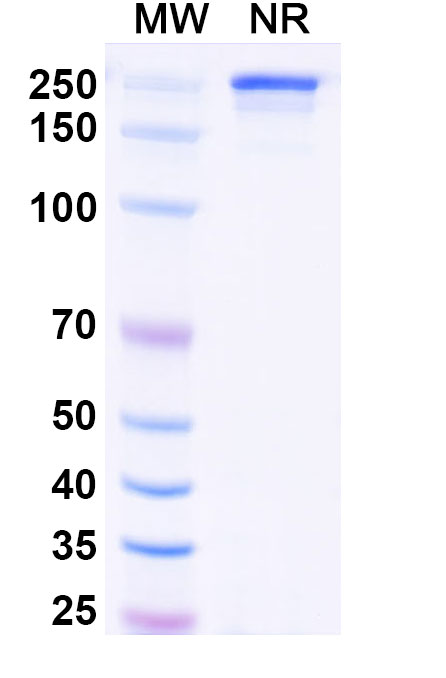
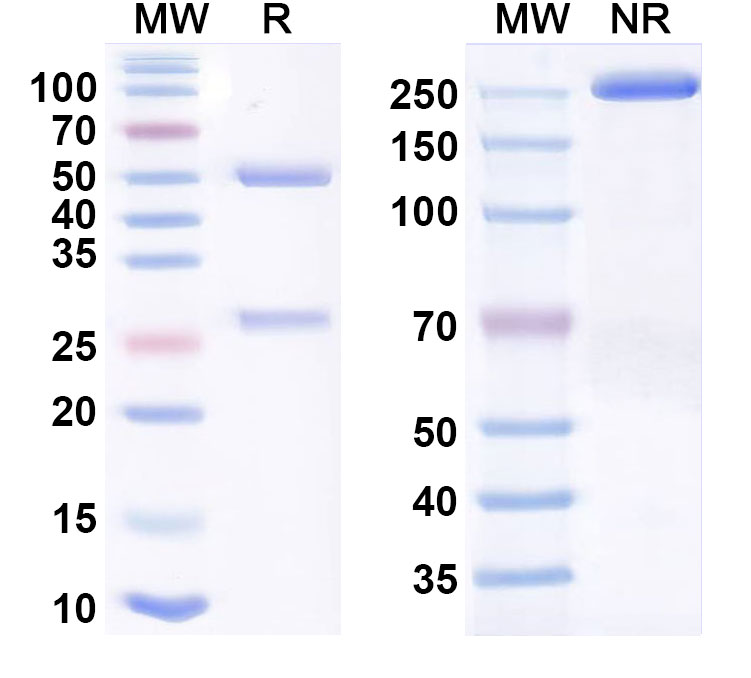
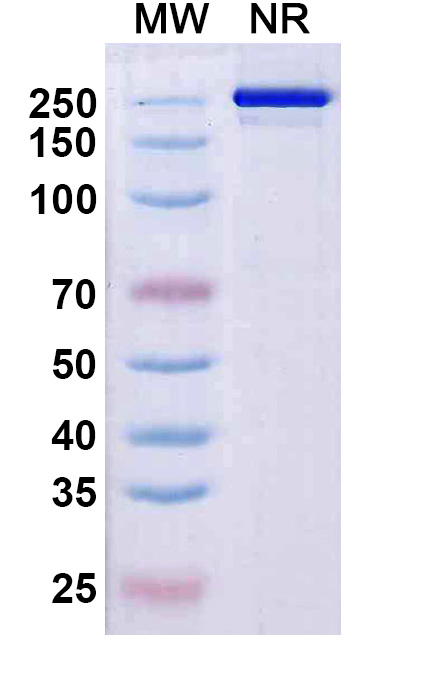
Vipalanebart Biosimilar is a recombinant monoclonal antibody that is produced in a mammalian cell expression system. It is composed of two heavy chains and two light chains, linked together by disulfide bonds. The amino acid sequence of Vipalanebart Biosimilar is highly similar to that of the original anti-PACAP mAb, ensuring its specificity and effectiveness in targeting PACAP.
Activity of Vipalanebart Biosimilar
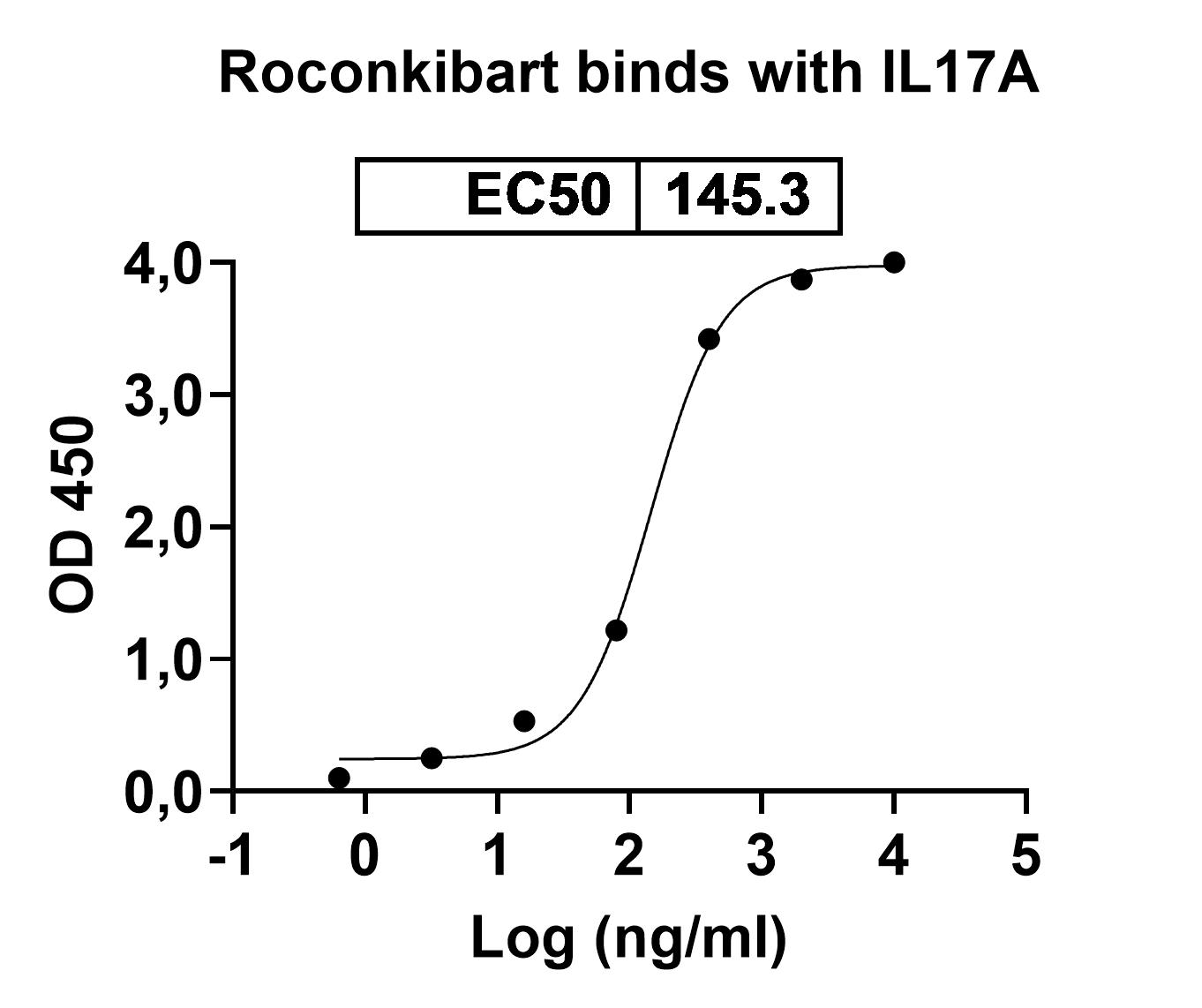
PACAP is a neuropeptide that plays a crucial role in various physiological processes, including neurotransmission, neuroprotection, and neuroendocrine regulation. However, dysregulation of PACAP signaling has been implicated in the pathogenesis of several disorders, such as migraine, chronic pain, and neurodegenerative diseases. Vipalanebart Biosimilar binds to PACAP with high affinity and blocks its interaction with its receptors, thereby inhibiting PACAP signaling and potentially providing therapeutic benefits for these disorders.
Application of Vipalanebart Biosimilar
Given its ability to specifically target PACAP, Vipalanebart Biosimilar has potential applications in various fields of research and medicine. Here are some potential applications of this biosimilar:
1. Investigating the role of PACAP in disease: Vipalanebart Biosimilar can be used as a research tool to study the role of PACAP in various disorders. By blocking PACAP signaling, researchers can observe the effects on disease progression and gain a better understanding of the underlying mechanisms.
2. Treatment of migraine: Migraine is a neurological disorder characterized by recurrent headaches and is often associated with PACAP dysregulation. Vipalanebart Biosimilar has shown promising results in preclinical studies as a potential treatment for migraine, with the potential to provide relief from symptoms and improve the quality of life for patients.
3. Management of chronic pain: Chronic pain is a common and debilitating condition that can be caused by various factors, including PACAP dysregulation. Vipalanebart Biosimilar has been shown to effectively reduce pain in animal models, suggesting its potential as a novel therapeutic option for chronic pain management.
4. Neuroprotection in neurodegenerative diseases: PACAP has been implicated in the pathogenesis of neurodegenerative diseases such as Alzheimer’s and Parkinson’s. Vipalanebart Biosimilar has shown neuroprotective effects in preclinical studies, suggesting its potential as a treatment for these diseases.
Conclusion
In conclusion, Vipalanebart Biosimilar is a research grade monoclonal antibody that specifically targets PACAP. Its structure, activity, and potential applications make it a promising biosimilar for the treatment of various PACAP-related disorders. Further research and clinical trials are needed to fully evaluate the efficacy and safety of this biosimilar, but it holds great potential for improving the lives of patients with PACAP-related disorders.

There are no reviews yet.