Vilastobart Biosimilar – Anti-CD152 mAb – Research Grade: A Promising Antibody for Therapeutic Targeting
Introduction
Vilastobart Biosimilar – Anti-CD152 mAb – Research Grade is a monoclonal antibody (mAb) that has shown great potential in the field of immunotherapy. It is a biosimilar version of the anti-CD152 mAb, also known as CTLA-4, which is a key regulatory molecule involved in the immune response. This biosimilar is currently in the research grade stage and has the potential to be a game-changer in the treatment of various diseases.
Structure of Vilastobart Biosimilar
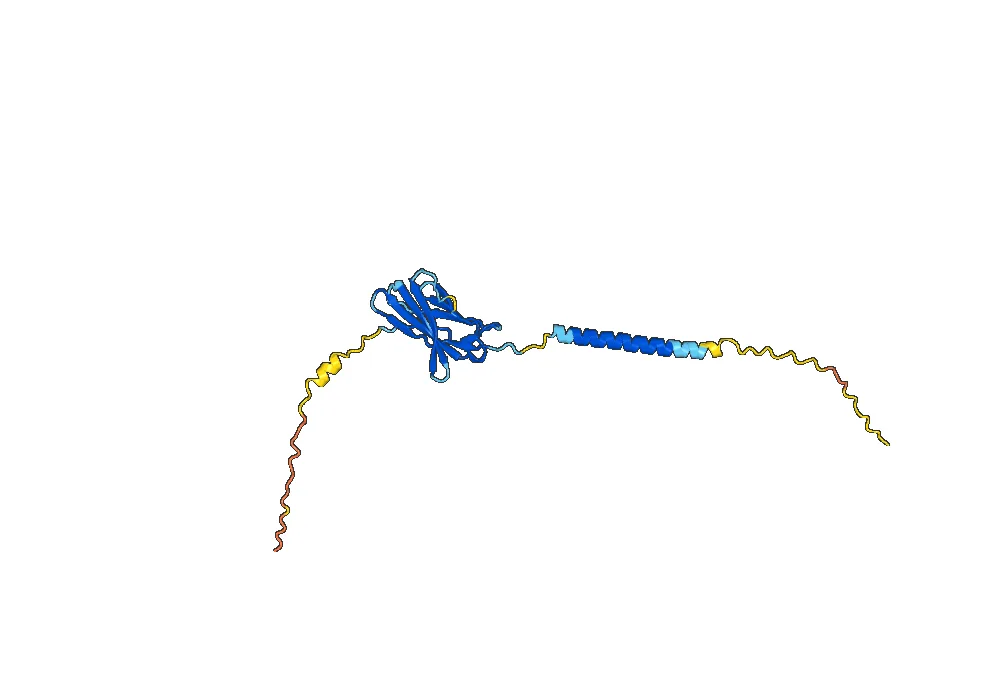
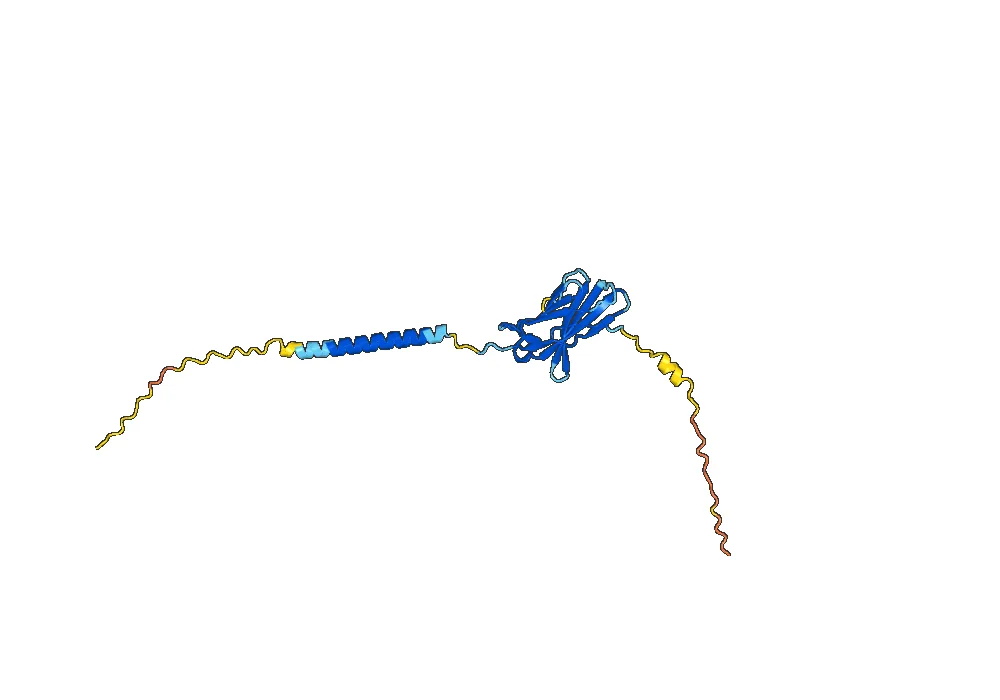
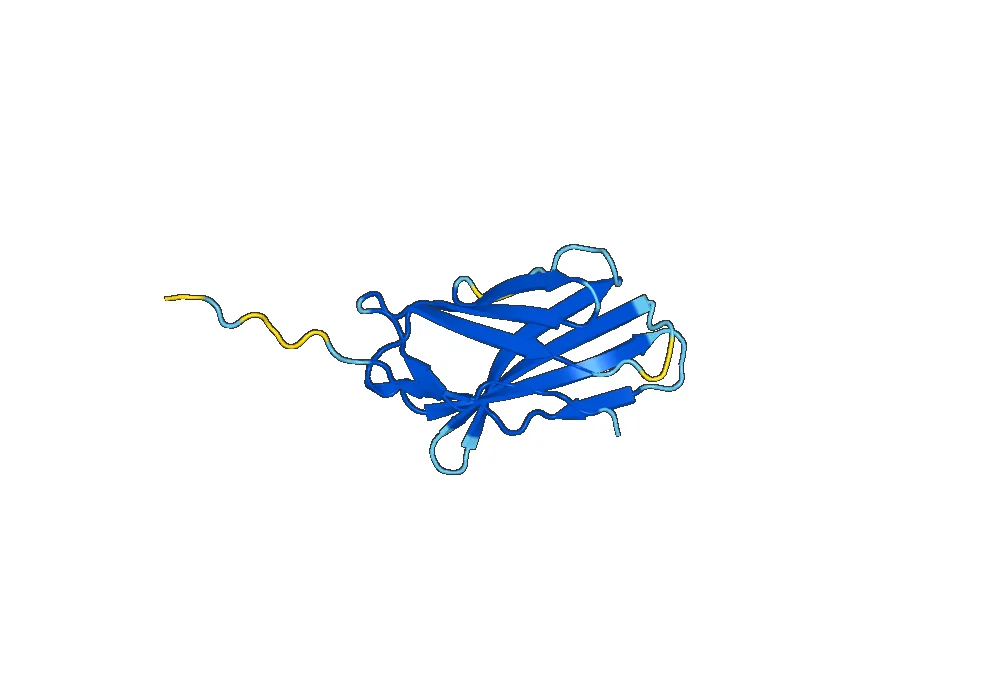
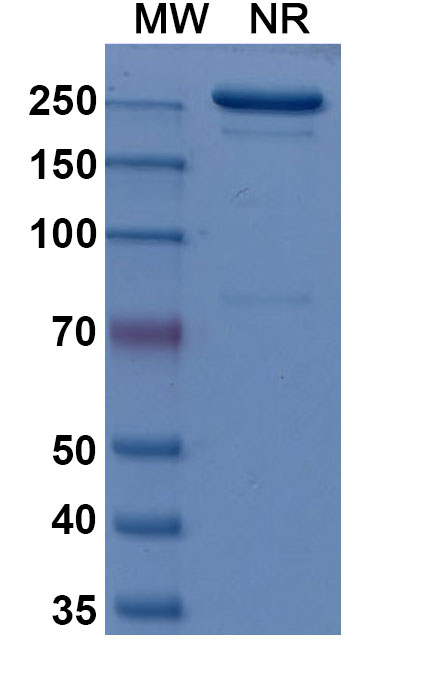
Vilastobart Biosimilar is a recombinant humanized IgG1 monoclonal antibody that is produced using advanced biotechnology techniques. It has a similar structure to the original anti-CD152 mAb, with a molecular weight of approximately 150 kDa. The antibody is composed of two heavy chains and two light chains, with each chain containing variable and constant regions. The variable regions are responsible for binding to the target molecule, while the constant regions determine the antibody’s effector functions.
Activity of Vilastobart Biosimilar
Vilastobart Biosimilar works by targeting and binding to the CD152 molecule, which is expressed on the surface of T cells. CD152 is a negative regulator of T cell activation, and by binding to it, Vilastobart Biosimilar inhibits its function. This leads to an increase in T cell activation and proliferation, which in turn enhances the immune response against cancer cells or other disease-causing agents. Additionally, Vilastobart Biosimilar has been shown to induce cell death in regulatory T cells, further boosting the immune response.
Application of Vilastobart Biosimilar
Vilastobart Biosimilar has shown promising results in preclinical studies for the treatment of various types of cancer, including melanoma, lung cancer, and bladder cancer. It has also been studied for its potential in treating autoimmune diseases such as rheumatoid arthritis and multiple sclerosis. Additionally, Vilastobart Biosimilar has shown potential in combination therapy with other cancer treatments, such as chemotherapy and other immunotherapies.
Moreover, Vilastobart Biosimilar has the potential to be used in the prevention of transplant rejection. By inhibiting the function of CD152, it can prevent the suppression of the immune response against transplanted organs, increasing the success rate of transplants.
Conclusion
Vilastobart Biosimilar – Anti-CD152 mAb – Research Grade is a promising antibody that has the potential to revolutionize the field of immunotherapy. Its structure, activity, and potential applications make it a valuable tool for targeting CD152 and enhancing the immune response against various diseases. As the research on this biosimilar progresses, it has the potential to become a valuable therapeutic option for patients in need.



There are no reviews yet.