Introduction
Usilnetug Biosimilar – Anti-AICD-57 mAb is a research grade monoclonal antibody that has been developed as a potential therapeutic agent for the treatment of autoimmune diseases. This biosimilar is a highly specific and potent antibody that targets the AICD-57 protein, which has been identified as a key player in the pathogenesis of various autoimmune disorders. In this article, we will explore the structure, activity, and potential applications of Usilnetug Biosimilar – Anti-AICD-57 mAb.
Structure of Usilnetug Biosimilar – Anti-AICD-57 mAb
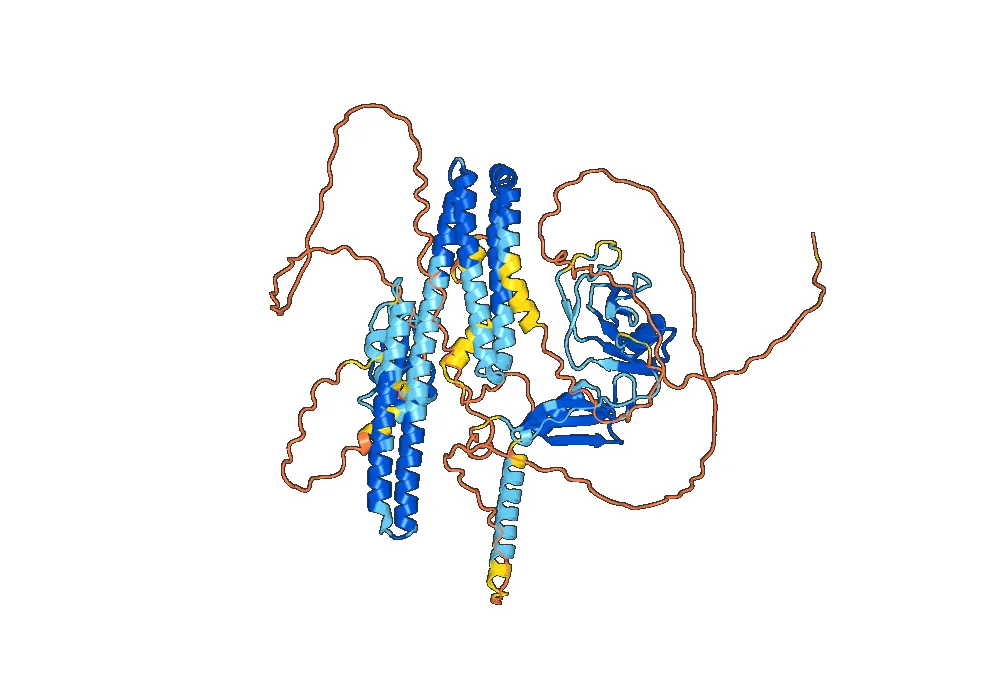
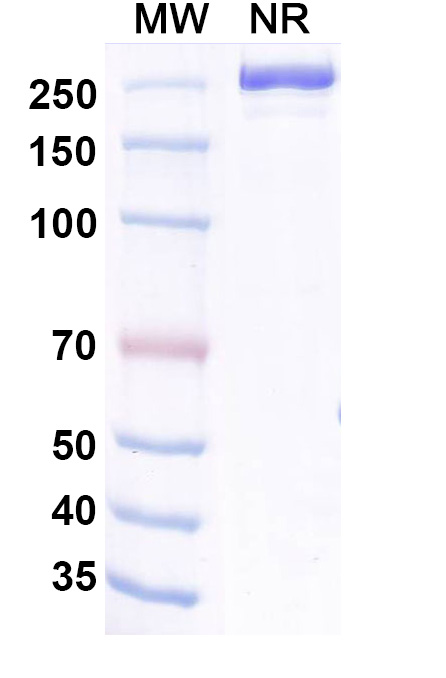
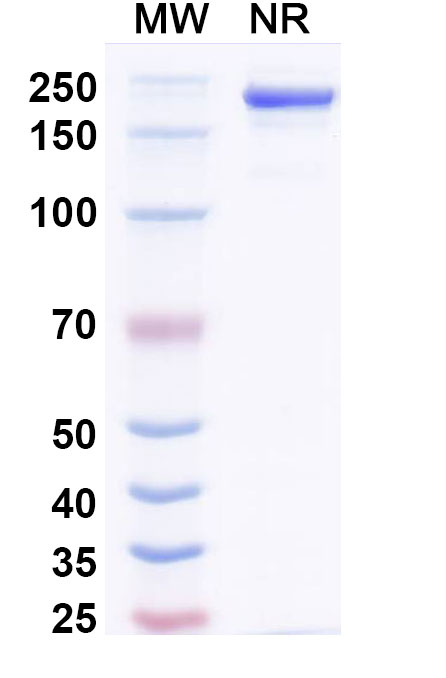
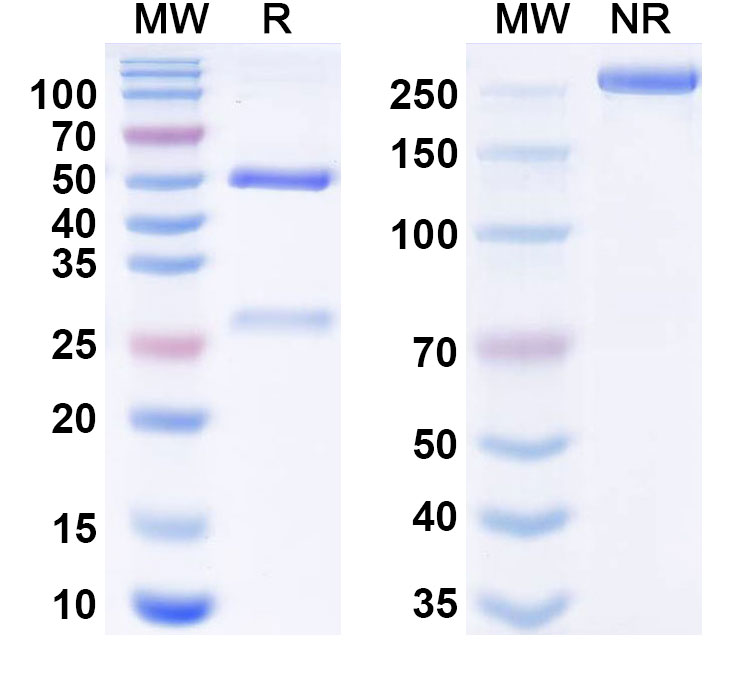
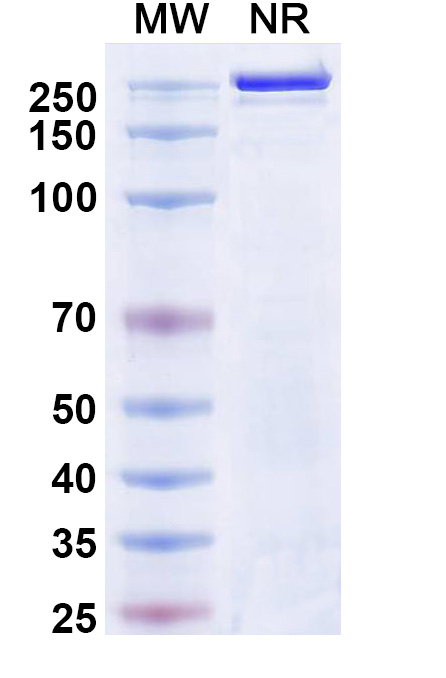
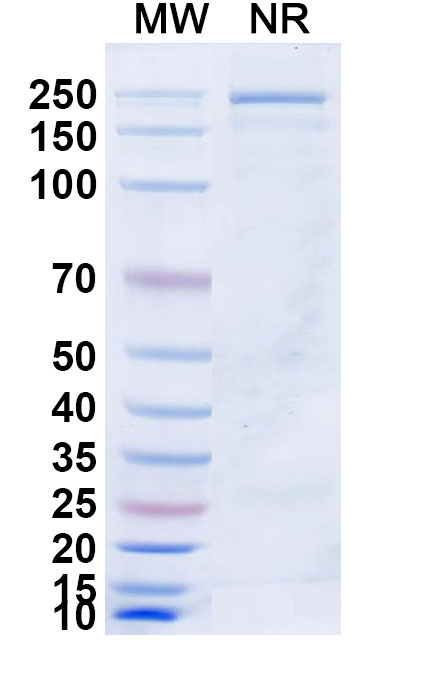
Usilnetug Biosimilar – Anti-AICD-57 mAb is a recombinant monoclonal antibody that is produced using advanced biotechnology techniques. It is a fully humanized antibody, meaning that it is derived from human cells and has a structure similar to natural antibodies found in the human body. The antibody consists of two heavy chains and two light chains, which are connected by disulfide bonds. The variable regions of the antibody are responsible for its high specificity towards the AICD-57 protein.
Activity of Usilnetug Biosimilar – Anti-AICD-57 mAb
Usilnetug Biosimilar – Anti-AICD-57 mAb has been shown to have a high affinity and specificity towards the AICD-57 protein. This protein is a key regulator of immune response and has been implicated in the development and progression of autoimmune diseases. By binding to AICD-57, Usilnetug Biosimilar – Anti-AICD-57 mAb blocks its activity and prevents it from causing damage to healthy tissues. This results in the suppression of the autoimmune response and provides therapeutic benefits to patients.
Potential Applications of Usilnetug Biosimilar – Anti-AICD-57 mAb
Usilnetug Biosimilar – Anti-AICD-57 mAb has shown promising results in pre-clinical studies for the treatment of various autoimmune diseases, including rheumatoid arthritis, multiple sclerosis, and lupus. These diseases are characterized by an overactive immune response, which leads to chronic inflammation and tissue damage. By targeting the AICD-57 protein, Usilnetug Biosimilar – Anti-AICD-57 mAb can potentially provide a more targeted and effective treatment option for these diseases.
Rheumatoid Arthritis
Rheumatoid arthritis (RA) is a chronic autoimmune disease that primarily affects the joints, causing pain, stiffness, and swelling. In a pre-clinical study, Usilnetug Biosimilar – Anti-AICD-57 mAb was found to significantly reduce disease severity and joint damage in a mouse model of RA. This was achieved by suppressing the production of pro-inflammatory cytokines and reducing the infiltration of immune cells into the joints.
Multiple Sclerosis
Multiple sclerosis (MS) is a neurological disorder in which the immune system attacks the protective covering of nerve fibers in the brain and spinal cord. In a pre-clinical study, Usilnetug Biosimilar – Anti-AICD-57 mAb was found to significantly reduce the severity and progression of MS in a mouse model. This was achieved by reducing the infiltration of immune cells into the central nervous system and protecting the nerve fibers from damage.
Lupus
Lupus is a chronic autoimmune disease that can affect multiple organs, including the skin, joints, and kidneys. In a pre-clinical study, Usilnetug Biosimilar – Anti-AICD-57 mAb was found to improve disease symptoms and reduce kidney damage in a mouse model of lupus. This was achieved by suppressing the production of autoantibodies and reducing the deposition of immune complexes in the kidneys.
Conclusion
In conclusion, Usilnetug Biosimilar – Anti-AICD-57 mAb is a promising therapeutic agent for the treatment of autoimmune diseases. Its highly specific and

There are no reviews yet.