Introduction:
Tinurilimab Biosimilar, also known as Anti-CEACAM6 mAb, is a research grade monoclonal antibody that has shown promising results in targeting a specific protein known as CEACAM6. This article will provide a detailed scientific description of the structure, activity, and potential applications of Tinurilimab Biosimilar as an antibody therapy.
Structure of Tinurilimab Biosimilar:
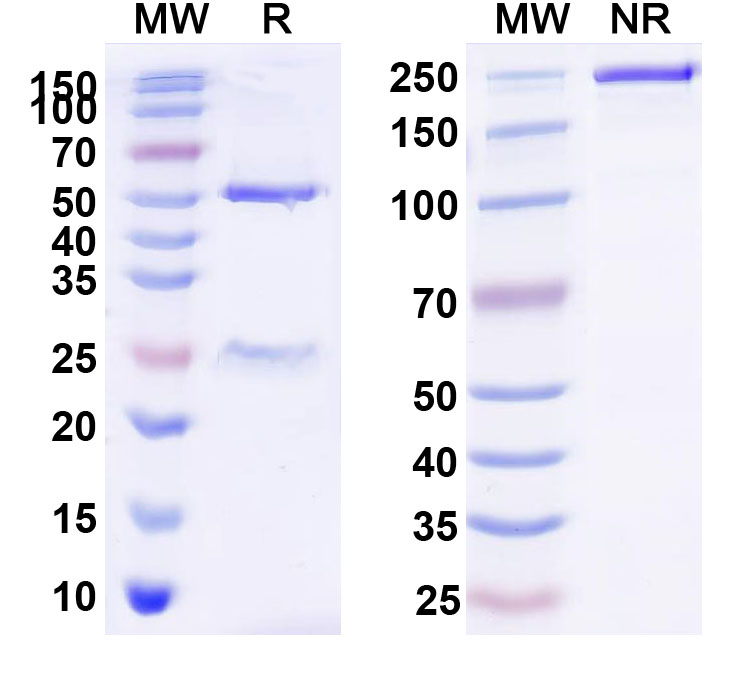
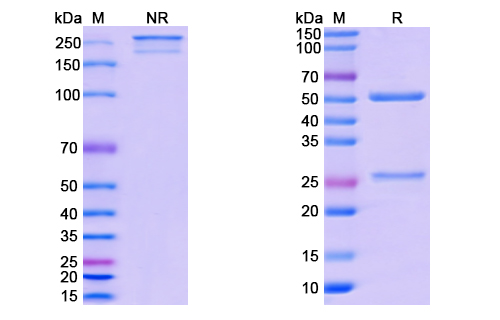
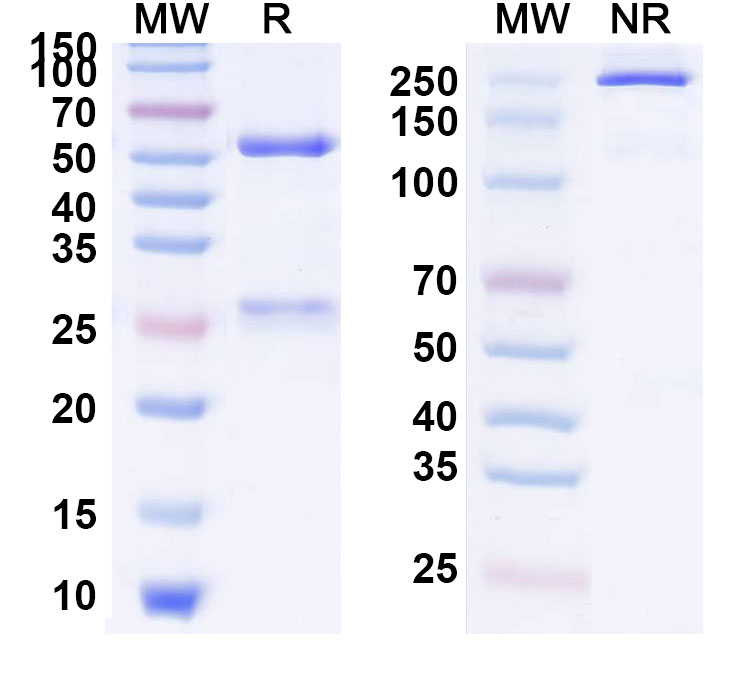
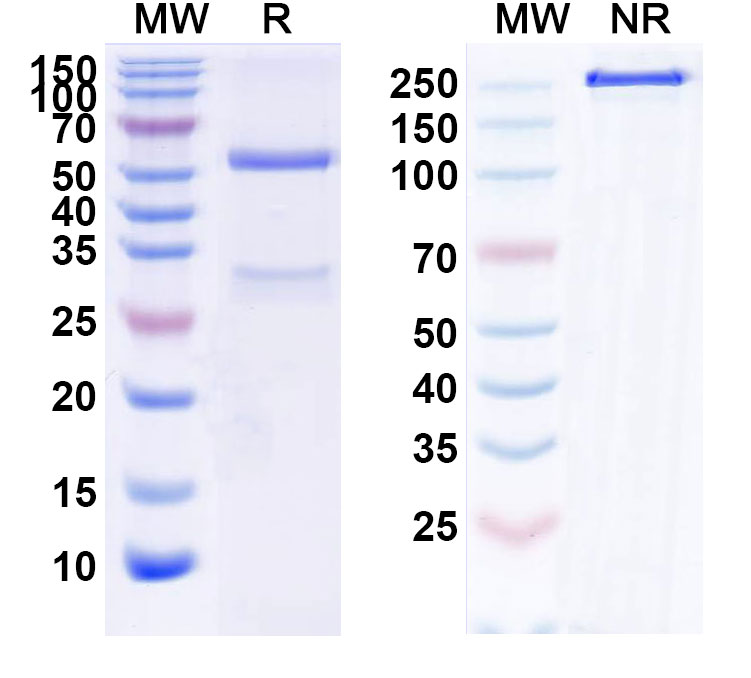
Tinurilimab Biosimilar is a monoclonal antibody, meaning it is produced by identical immune cells and is designed to target a specific antigen. The structure of Tinurilimab Biosimilar is composed of two identical heavy chains and two identical light chains, connected by disulfide bonds. The heavy chains consist of a constant region and a variable region, while the light chains contain only a variable region. The variable regions are responsible for binding to the target antigen, CEACAM6, while the constant regions provide stability and effector functions.
Activity of Tinurilimab Biosimilar:
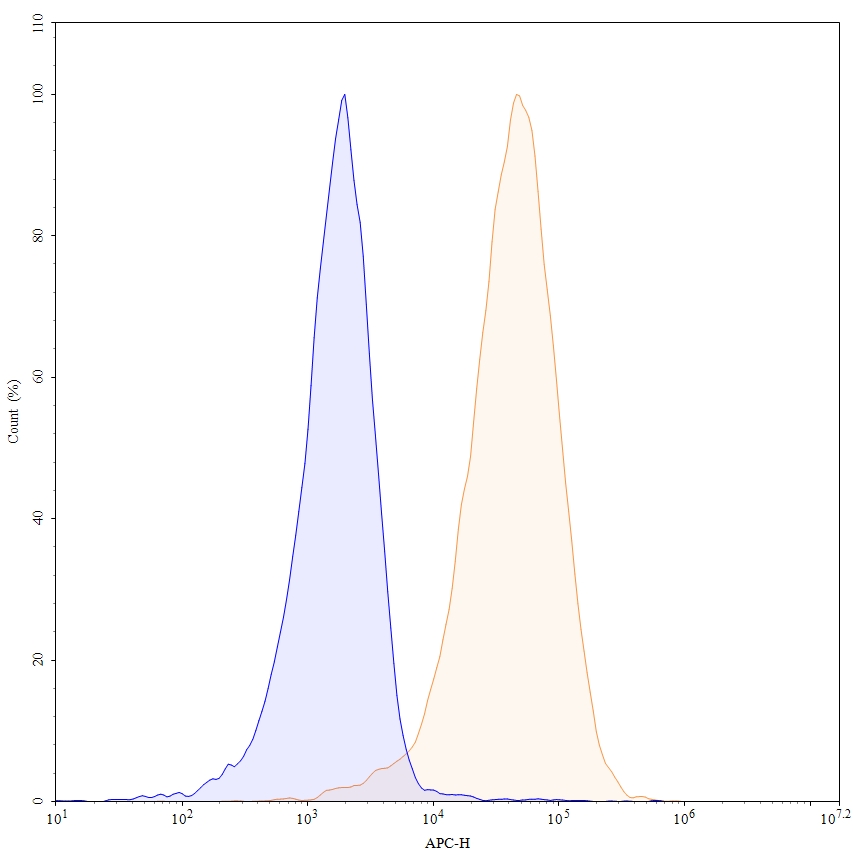
The primary activity of Tinurilimab Biosimilar is its ability to bind to CEACAM6, a cell surface protein that is overexpressed in many types of cancer. This binding is highly specific and allows Tinurilimab Biosimilar to selectively target cancer cells while sparing healthy cells. Once bound to CEACAM6, Tinurilimab Biosimilar can trigger various immune responses, such as antibody-dependent cell-mediated cytotoxicity (ADCC) and complement-dependent cytotoxicity (CDC), leading to the destruction of cancer cells.
In addition to its direct activity against
cancer cells, Tinurilimab Biosimilar also has the potential to modulate the tumor microenvironment. CEACAM6 has been shown to play a role in promoting tumor growth and metastasis, and by targeting this protein, Tinurilimab Biosimilar may help to inhibit these processes.
Applications of Tinurilimab Biosimilar:
Tinurilimab Biosimilar has the potential to be used in a variety of applications, particularly in the field of oncology. As a monoclonal antibody, it can be used as a targeted therapy for various types of cancer, including lung, breast, and colorectal cancer. It may also be effective in combination with other cancer treatments, such as chemotherapy or immunotherapy.
In addition to its potential as a cancer therapy, Tinurilimab Biosimilar may also have applications in autoimmune diseases. CEACAM6 has been implicated in the development of autoimmune disorders, and by targeting this protein, Tinurilimab Biosimilar may help to alleviate symptoms and slow disease progression.
Conclusion:
In conclusion, Tinurilimab Biosimilar is a research grade monoclonal antibody with a specific structure and activity. Its primary function is to bind to the cell surface protein CEACAM6 and trigger immune responses against cancer cells. It has the potential to be used in a variety of applications, including as a targeted therapy for cancer and in the treatment of autoimmune diseases. Further research and clinical trials are needed to fully explore the potential of Tinurilimab Biosimilar as a therapeutic antibody.

There are no reviews yet.