Introduction
Timdarpacept Biosimilar, also known as Anti-BIT fusion protein, is a research grade biologic drug that has shown promising results in targeting and treating various diseases. This fusion protein is a biosimilar of Timdarpacept, a therapeutic antibody that has been used in the treatment of autoimmune diseases. In this article, we will explore the structure, activity, and potential applications of Timdarpacept Biosimilar in the field of antibody-based therapies.
Structure of Timdarpacept Biosimilar
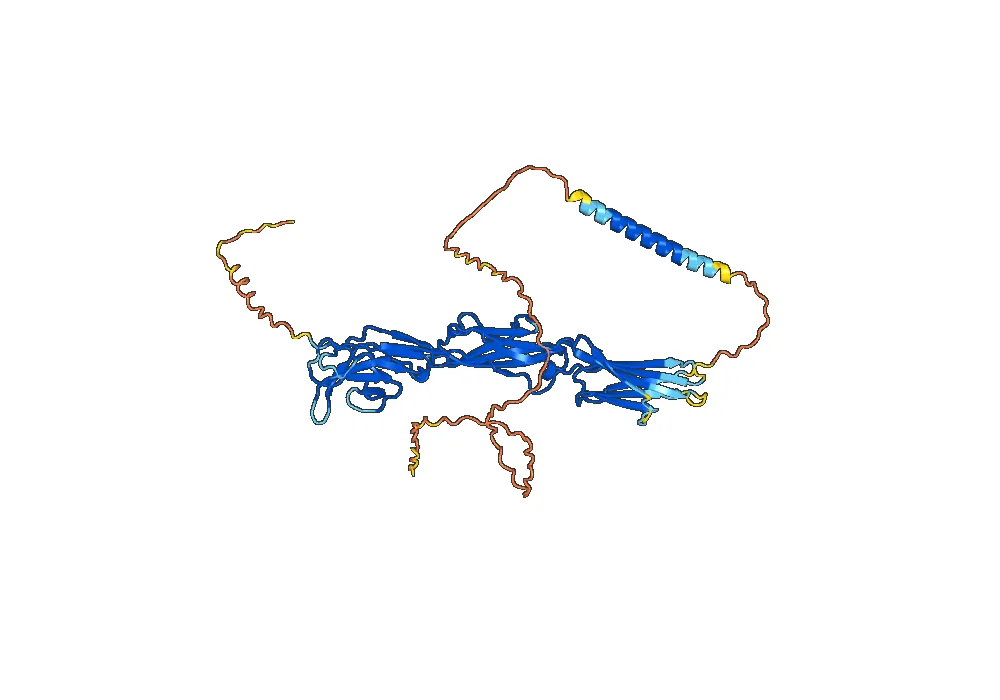
Timdarpacept Biosimilar is a fusion protein composed of two distinct parts – the anti-BIT antibody and the Timdarpacept peptide. The anti-BIT antibody is a monoclonal antibody that specifically binds to the BIT protein, a cell surface receptor involved in immune regulation. The Timdarpacept peptide is a synthetic peptide that mimics the structure and function of the natural Timdarpacept molecule. The two components are linked together through a flexible linker region, allowing for optimal binding and activity.
Activity of Timdarpacept Biosimilar
The anti-BIT antibody component of Timdarpacept Biosimilar acts as a therapeutic agent by binding to the BIT protein on the surface of immune cells. This binding triggers a series of downstream signaling events that ultimately lead to the suppression of immune responses. By targeting the BIT protein, Timdarpacept Biosimilar can modulate the activity of various immune cells, including T cells, B cells, and dendritic cells.
The Timdarpacept peptide component of the fusion protein acts as a potent immunomodulator, further enhancing the activity of the anti-BIT antibody. This synthetic peptide has been designed to mimic the function of the natural Timdarpacept molecule, which is known to inhibit the activation and proliferation of immune cells. By combining the anti-BIT antibody and the Timdarpacept peptide, Timdarpacept Biosimilar has a dual mechanism of action, making it a highly effective therapeutic agent.
Potential Applications of Timdarpacept Biosimilar
As a biosimilar of Timdarpacept, this fusion protein has the potential to be used in the treatment of various autoimmune diseases, such as rheumatoid arthritis, psoriasis, and multiple sclerosis. These diseases are characterized by an overactive immune system, and Timdarpacept Biosimilar can help regulate immune responses and reduce inflammation.
In addition to autoimmune diseases, Timdarpacept Biosimilar also has potential applications in the field of cancer immunotherapy. The BIT protein has been shown to be overexpressed on the surface of certain cancer cells, making it a promising therapeutic target. By targeting the BIT protein, Timdarpacept Biosimilar can potentially inhibit the growth and spread of cancer cells and enhance the body’s immune response against cancer.
Furthermore, Timdarpacept Biosimilar has the potential to be used in combination with other cancer treatments, such as chemotherapy and radiation therapy. By modulating immune responses, this fusion protein can potentially enhance the efficacy of these treatments and reduce their side effects.
Conclusion
In conclusion, Timdarpacept Biosimilar is a research grade fusion protein that combines the anti-BIT antibody and the Timdarpacept peptide to target and treat various diseases. Its unique dual mechanism of action makes it a promising candidate for the treatment of autoimmune diseases and cancer. Further research and clinical trials are needed to fully understand the potential of this biosimilar in the field of antibody-based therapies.
There are no reviews yet.