Introduction
Elritercept Biosimilar is a novel fusion protein that has gained significant attention in the scientific community due to its potential therapeutic applications. It is an anti-ACVR2 fusion protein that has been developed as a biosimilar of the original Elritercept protein, which has shown promising results in clinical trials for the treatment of various diseases.
Structure of Elritercept Biosimilar
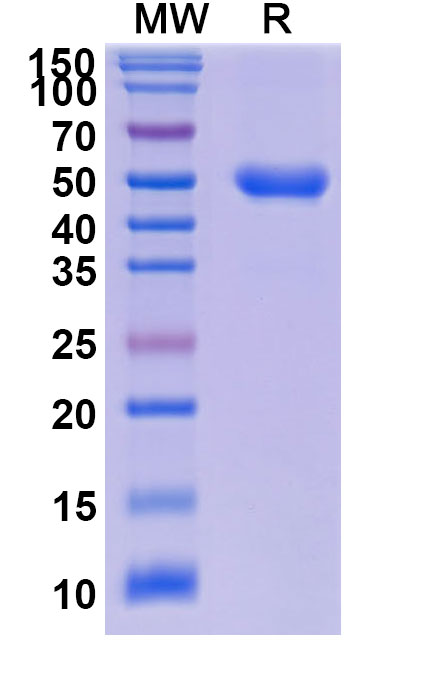
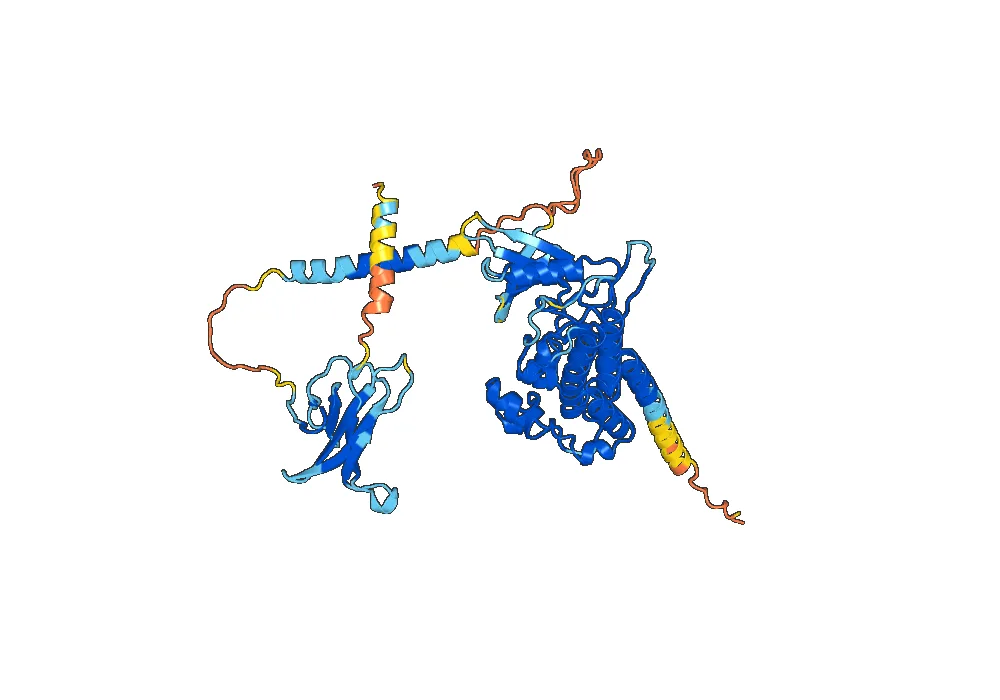
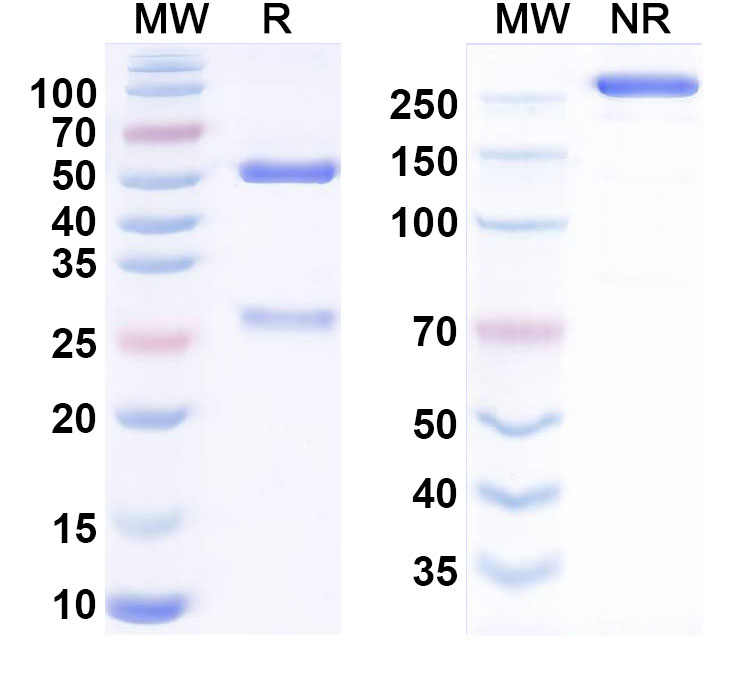
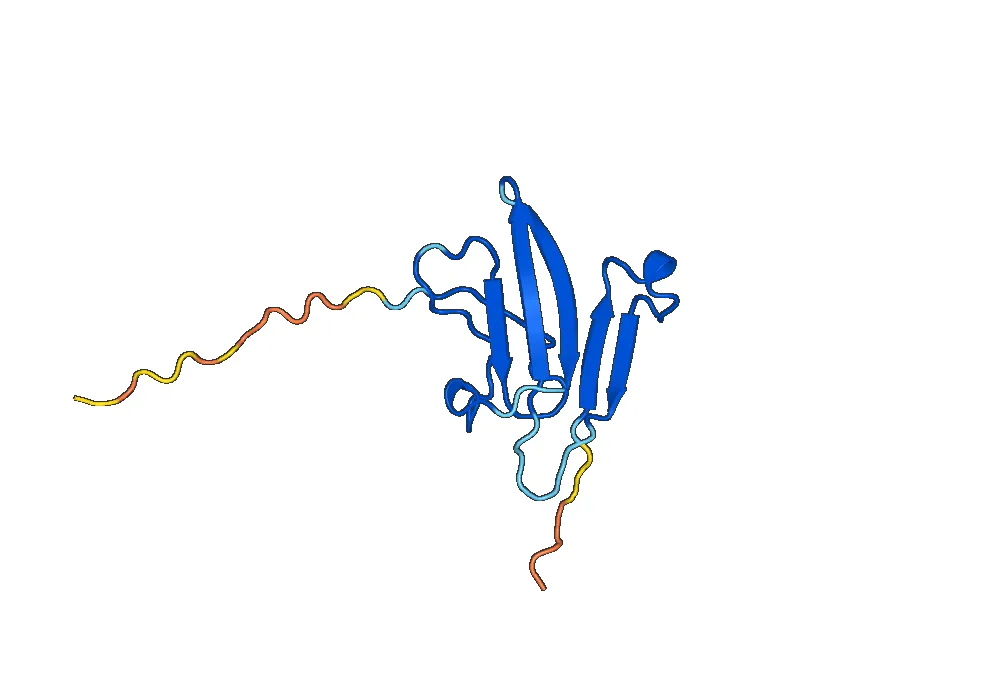
Elritercept Biosimilar is a fusion protein composed of two distinct parts: an antibody and a therapeutic target. The antibody component is derived from the original Elritercept protein, which is a monoclonal antibody that specifically binds to the ACVR2 protein. The therapeutic target component is a fusion protein consisting of the extracellular domain of the ACVR2 protein fused to a human IgG1 Fc fragment.
Activity of Elritercept Biosimilar
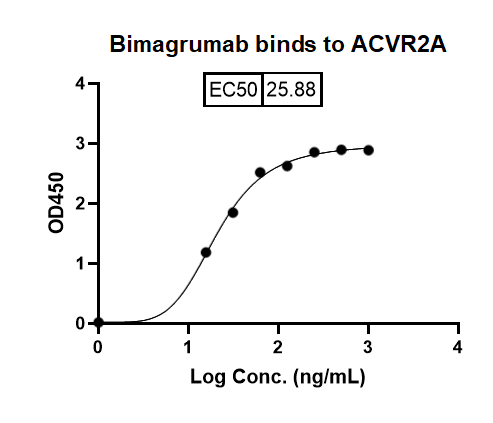
The main activity of Elritercept Biosimilar is its ability to inhibit the activity of the ACVR2 protein. ACVR2 is a type II receptor for the transforming growth factor-beta (TGF-β) family of proteins, which play important roles in various cellular processes such as cell proliferation, differentiation, and apoptosis. Dysregulation of the TGF-β signaling pathway has been linked to the development and progression of various diseases, including cancer, fibrosis, and autoimmune disorders. Elritercept Biosimilar works by binding to the ACVR2 protein, thereby preventing the binding of TGF-β ligands and inhibiting downstream signaling pathways.
Applications of Elritercept Biosimilar
Elritercept Biosimilar has potential applications in the treatment of various diseases where dysregulation of the TGF-β signaling pathway is involved. One of the most promising applications is in the treatment of cancer. Studies have shown that TGF-β signaling plays a crucial role in tumor growth, invasion, and metastasis. By inhibiting the activity of ACVR2, Elritercept Biosimilar has the potential to slow down or even halt the progression of cancer.
Another potential application of Elritercept Biosimilar is in the treatment of fibrosis. TGF-β signaling is known to contribute to the development of fibrosis, which is characterized by excessive deposition of extracellular matrix proteins in various tissues. By inhibiting ACVR2, Elritercept Biosimilar can potentially prevent the development of fibrosis and even reverse its progression.
In addition, Elritercept Biosimilar may also have therapeutic potential in autoimmune disorders. TGF-β signaling has been implicated in the pathogenesis of various autoimmune diseases, and inhibiting this pathway with Elritercept Biosimilar may help to alleviate symptoms and improve disease outcomes.
Research Grade Elritercept Biosimilar
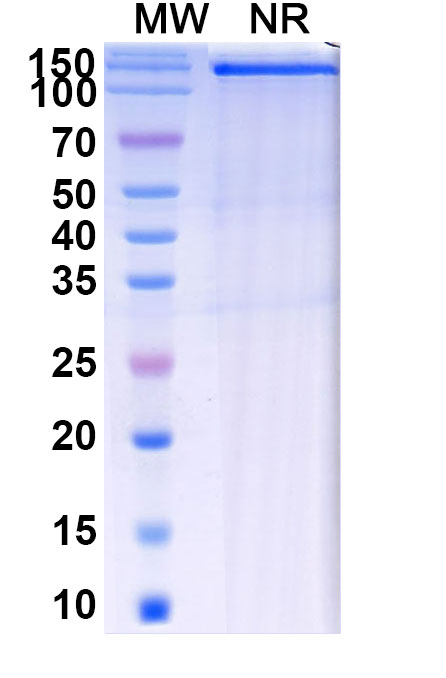
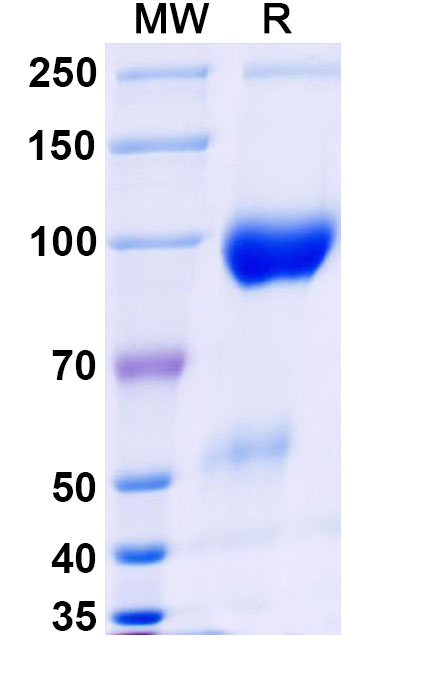
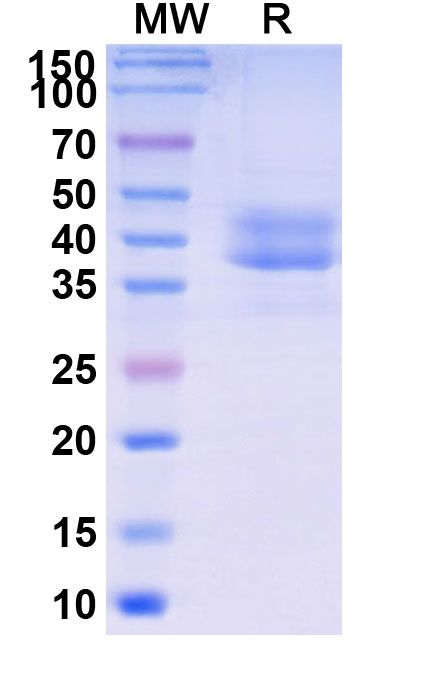
Elritercept Biosimilar is currently being developed as a research-grade protein for use in preclinical studies and research purposes. This grade of the protein is highly purified and has been extensively characterized to ensure consistency and quality. It is intended for use in in vitro and in vivo studies to further investigate the potential therapeutic applications of Elritercept Biosimilar.
Conclusion
In summary, Elritercept Biosimilar is a promising fusion protein that has the potential to be used as a therapeutic agent for the treatment of various diseases. Its unique structure, activity, and applications make it a valuable tool for further research and development in the field of TGF-β signaling and its role in disease. As research on this protein continues, it is hoped that Elritercept Biosimilar will eventually become a valuable treatment option for patients in need.

There are no reviews yet.