Relatlimab Biosimilar: A Potent Anti-LAG3 Antibody for
Cancer Therapy
Relatlimab Biosimilar, also known as Anti-LAG3 or CD223 monoclonal antibody, is a promising immunotherapy drug that targets the Lymphocyte Activation Gene 3 (LAG3) protein. This protein is expressed on the surface of immune cells, such as T cells and natural killer cells, and plays a crucial role in regulating their activity. By binding to LAG3, Relatlimab Biosimilar can modulate the immune response and enhance the body’s ability to fight cancer cells. In this article, we will explore the structure, activity, and potential applications of Relatlimab Biosimilar in cancer treatment.
Structure of Relatlimab Biosimilar
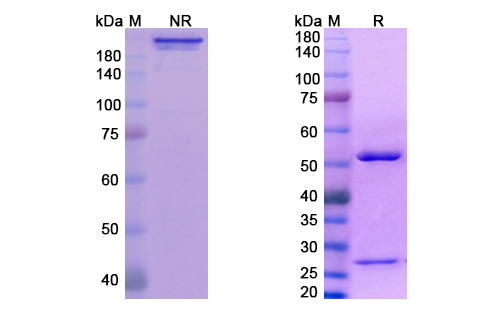
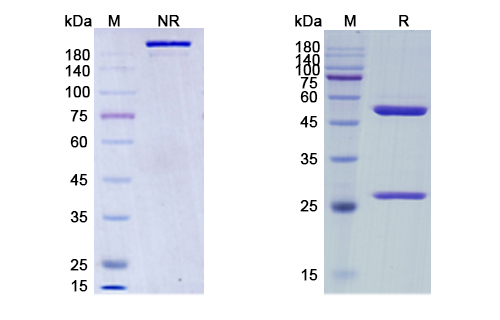
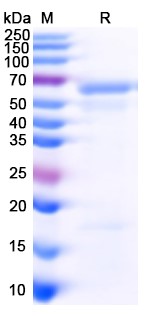
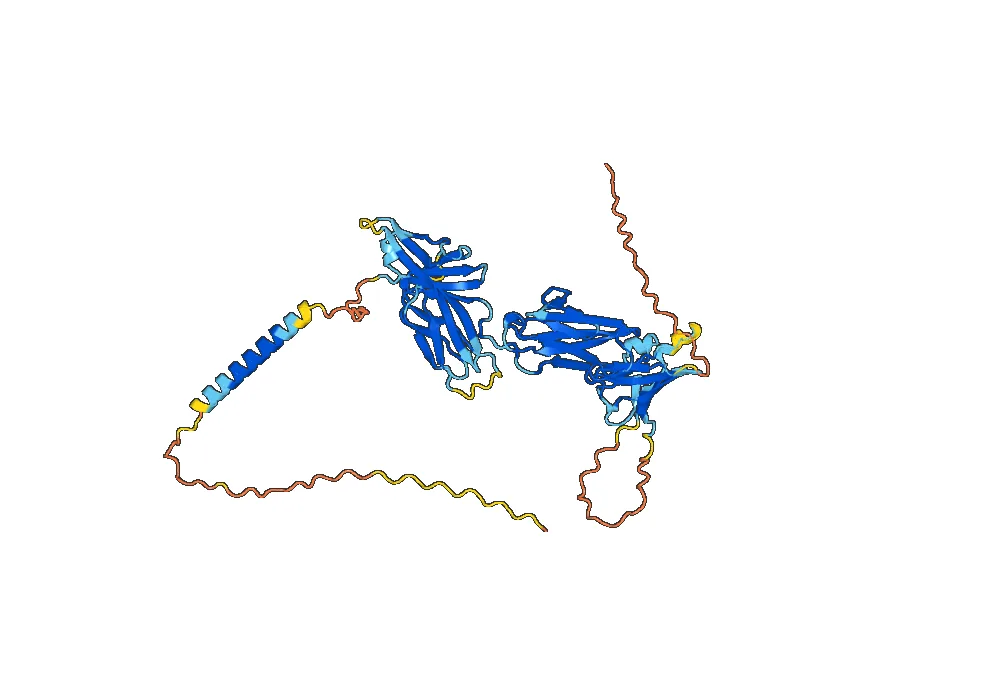
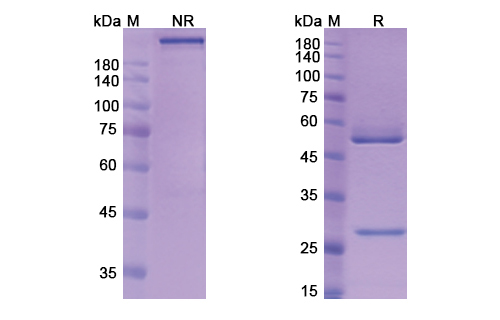
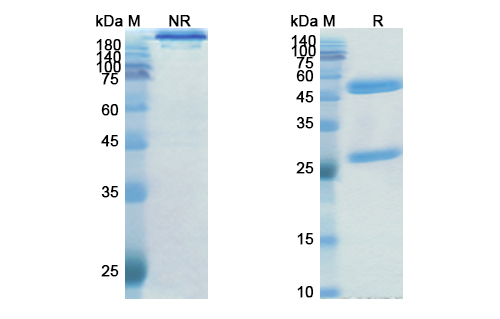
Relatlimab Biosimilar is a fully humanized monoclonal antibody, meaning that it is derived from human cells and has a high degree of similarity to natural antibodies. It is composed of two heavy chains and two light chains, each with a specific amino acid sequence that determines its binding specificity. The antibody has a Y-shaped structure, with two arms that can bind to LAG3 on the surface of immune cells.
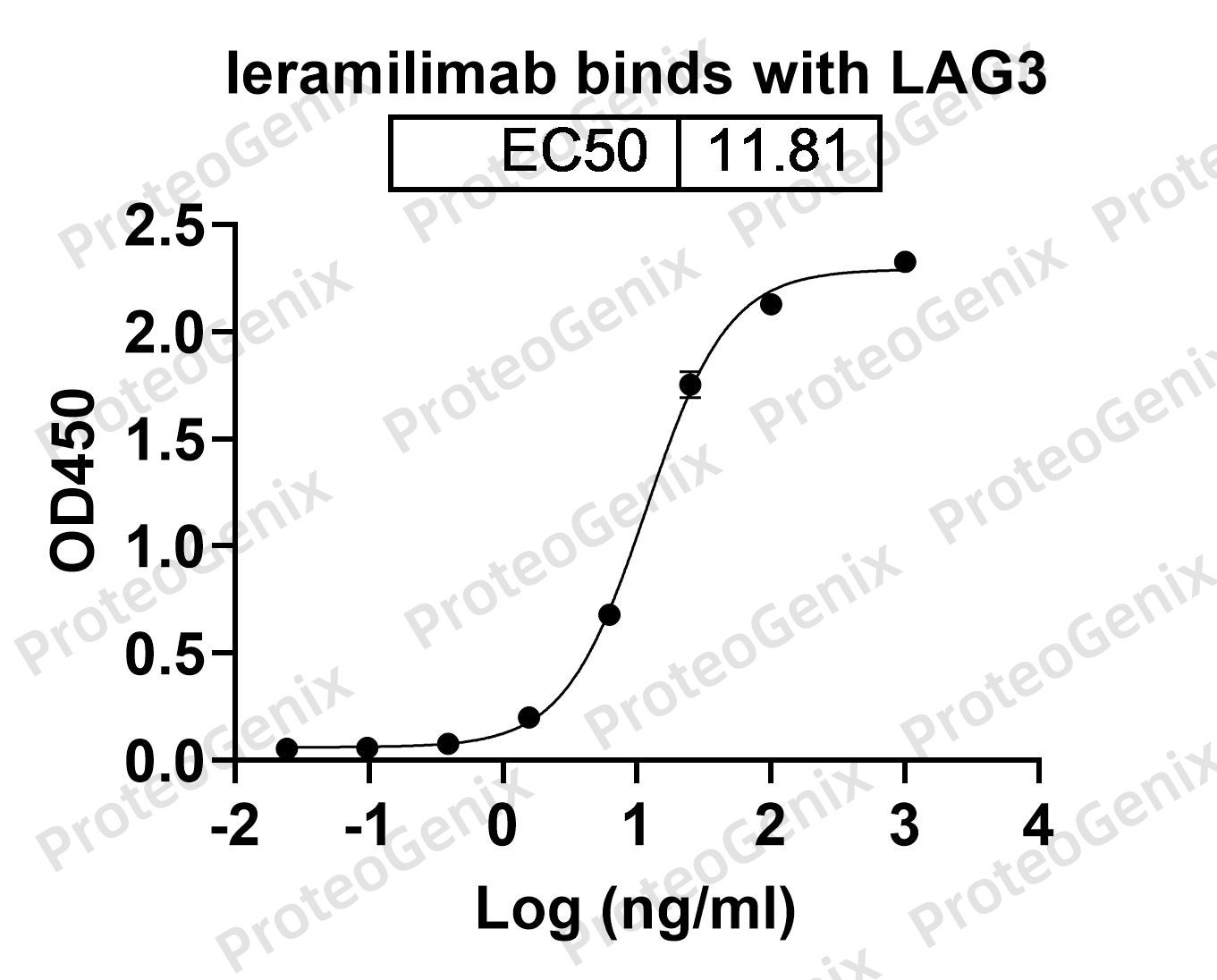
One of the key features of Relatlimab Biosimilar is its high affinity for LAG3. This means that it has a strong binding capacity and can effectively block the interaction between LAG3 and its ligands, which are molecules that activate or inhibit immune cells. By doing so, Relatlimab Biosimilar can prevent LAG3 from suppressing the immune response and promote the activation of immune cells against cancer cells.
Activity of Relatlimab Biosimilar
The main activity of Relatlimab Biosimilar is to act as an immune checkpoint inhibitor. Immune checkpoints are molecules that regulate the activity of immune cells and prevent them from attacking healthy tissues. However, cancer cells can exploit these checkpoints to evade the immune system and grow uncontrollably. By blocking the LAG3 checkpoint, Relatlimab Biosimilar can unleash the full potential of the immune system and enhance the anti-tumor response.
Moreover, Relatlimab Biosimilar has been shown to have a dual mechanism of action. On one hand, it can directly activate immune cells, such as T cells and natural killer cells, to recognize and attack cancer cells. On the other hand, it can also modulate the tumor microenvironment, which is the area surrounding the tumor, to make it more favorable for the immune system. This includes reducing the number of immune-suppressive cells and increasing the production of pro-inflammatory cytokines, which are signaling molecules that promote immune responses.
Applications of Relatlimab Biosimilar
Relatlimab Biosimilar is currently being investigated as a potential treatment for various types of cancer, including melanoma, non-small cell lung cancer, and renal cell carcinoma. It is also being studied in combination with other immunotherapies, such as anti-PD-1 antibodies, to enhance its efficacy.
Preliminary clinical trials have shown promising results, with Relatlimab Biosimilar demonstrating good safety and tolerability profiles and significant anti-tumor activity. In a phase I study, Relatlimab Biosimilar was well-tolerated and induced objective responses in patients with advanced solid tumors. In a phase II trial, it showed promising results in combination with an anti-PD-1 antibody in patients with advanced melanoma.
Furthermore, Relatlimab Biosimilar has the potential to be used as a research tool for studying the role of LAG3 in cancer and other diseases. It can also be used to develop diagnostic tests that can measure the expression of LAG3 on immune cells and predict the response to immunotherapy.
Conclusion
Relatlimab Biosimilar is a promising anti-LAG3 antibody with a unique structure and potent activity against cancer. Its ability to block immune

There are no reviews yet.