Introduction to Recombinant Mouse THBS1 Protein
Recombinant Mouse THBS1 Protein, also known as Thrombospondin-1, is a glycoprotein that plays a crucial role in cell adhesion, angiogenesis, and inflammation. It is a member of the thrombospondin family, which consists of five secreted proteins that are involved in various biological processes. The THBS1 protein is highly conserved among mammals and is widely expressed in different tissues, including the heart, lungs, and brain.
Structure of Recombinant Mouse THBS1 Protein
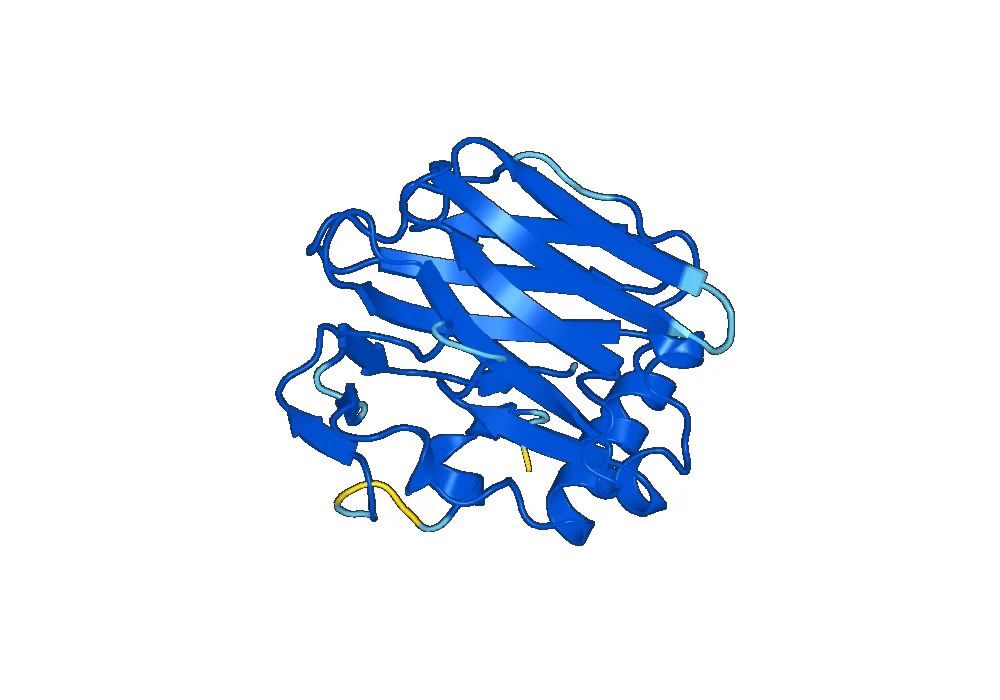
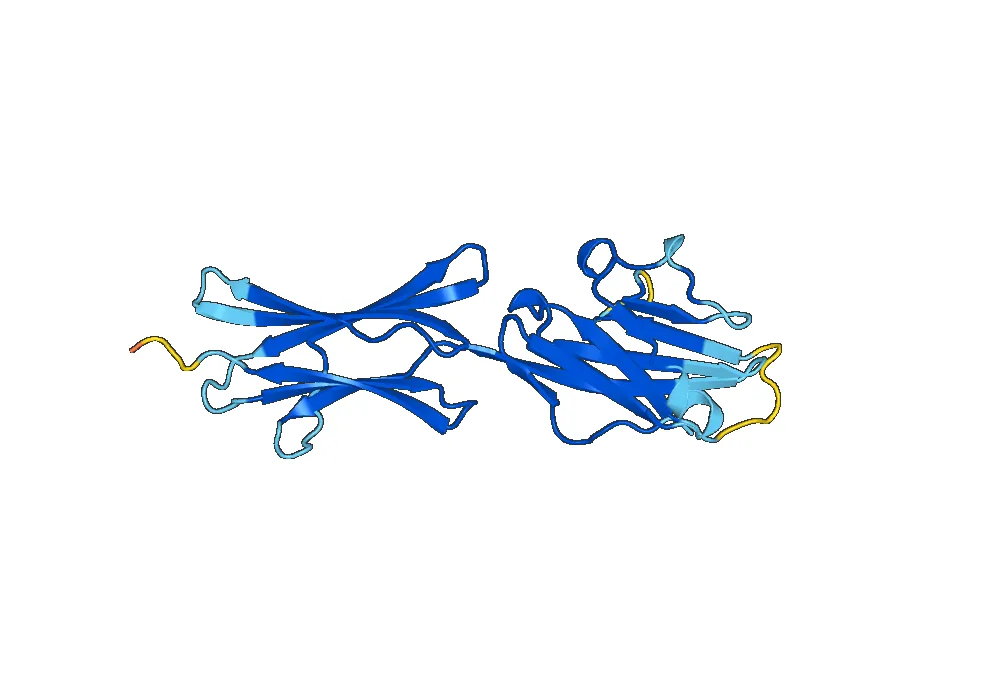
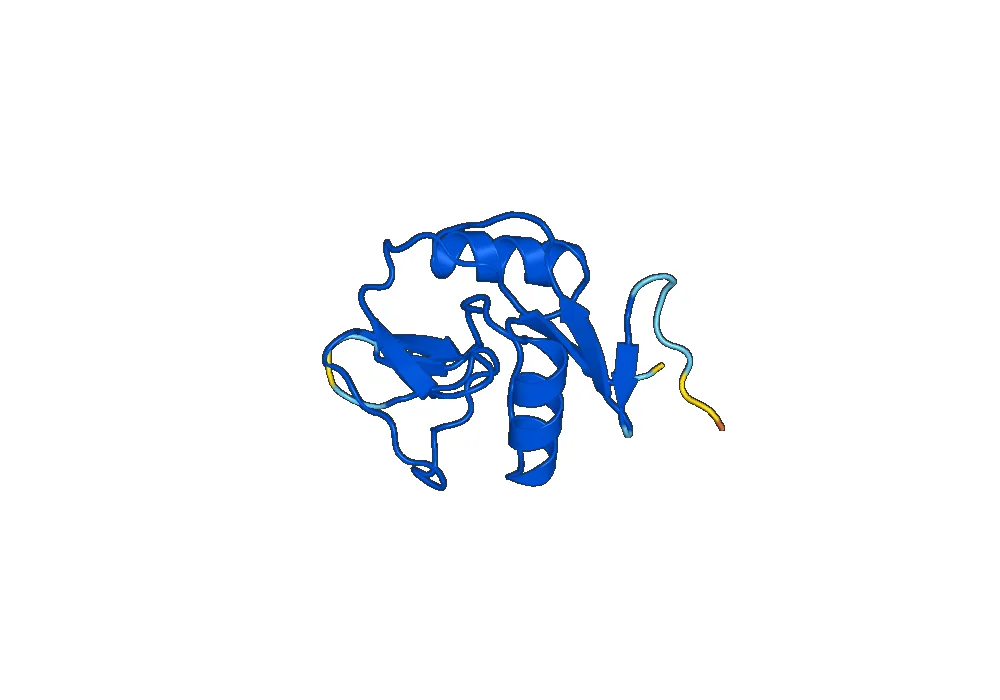
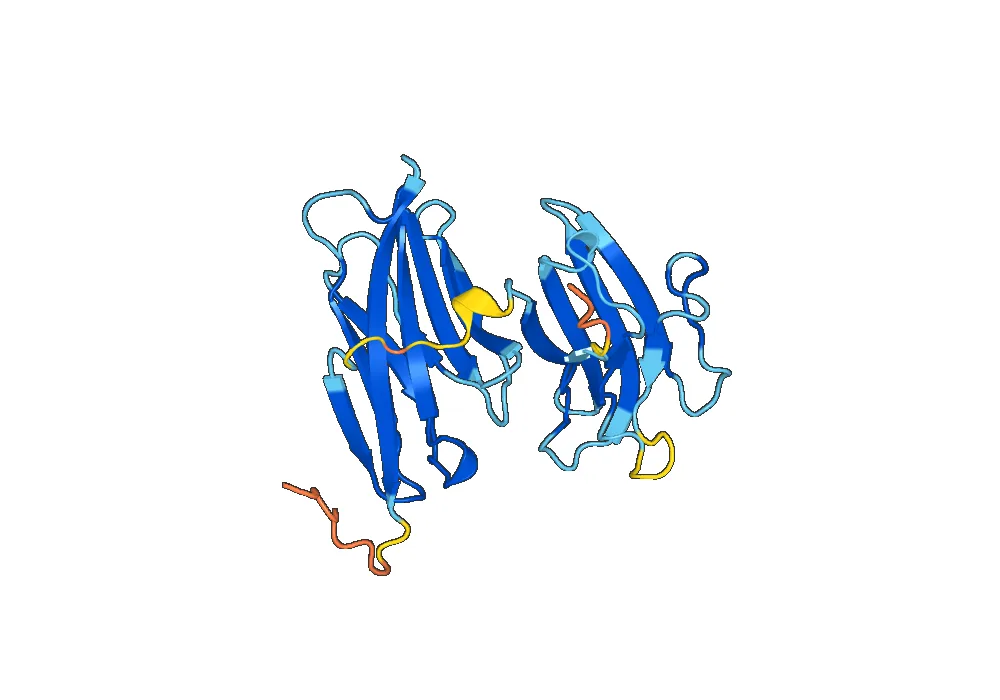
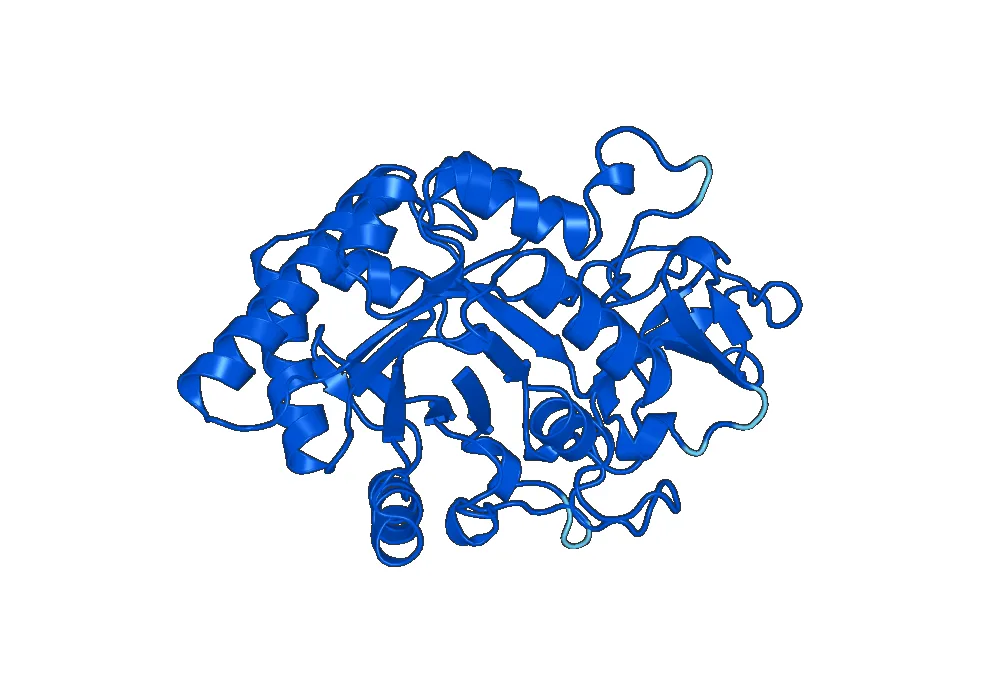
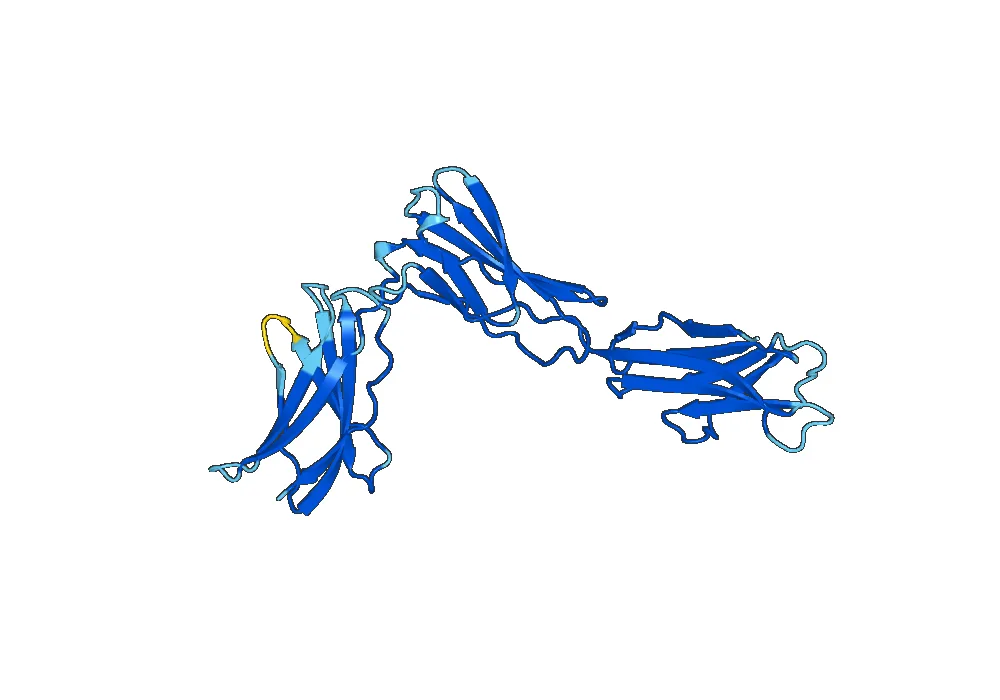
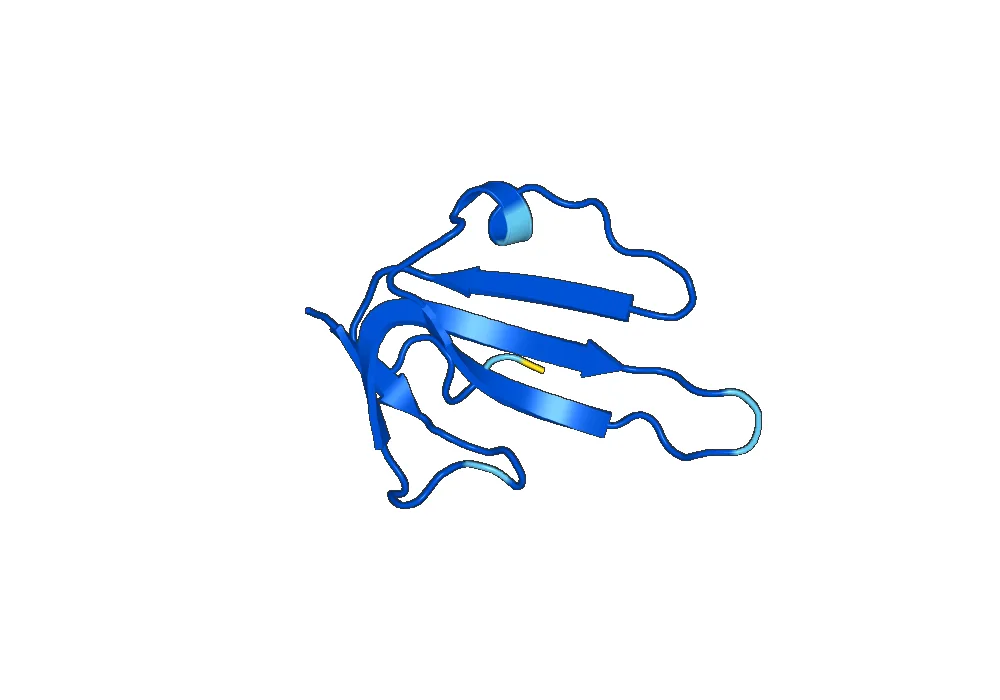
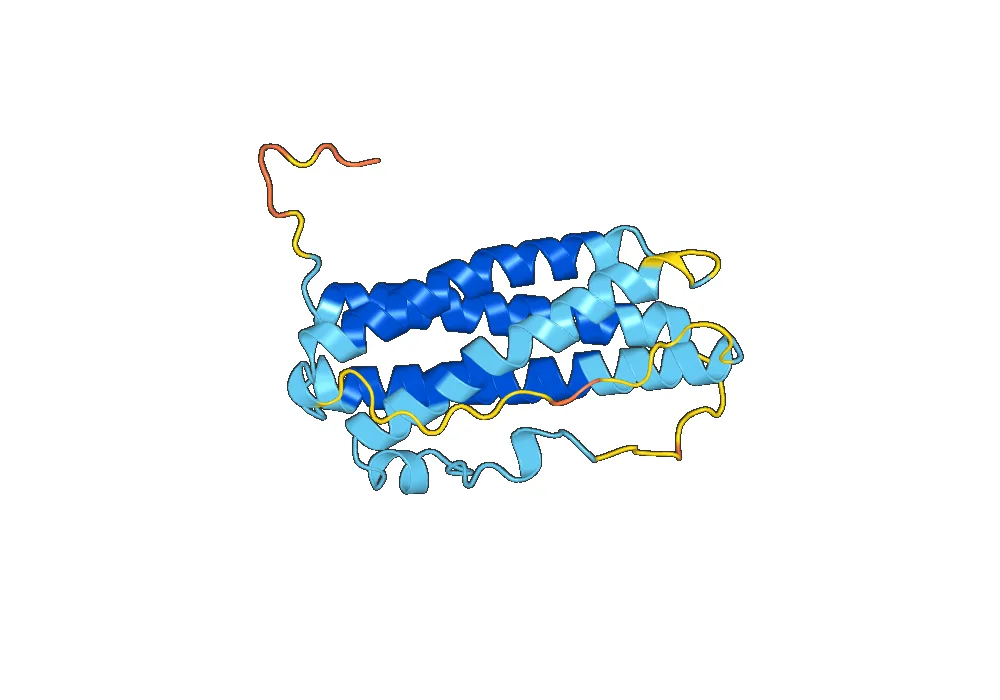
The THBS1 protein is a large, multidomain protein with a molecular weight of approximately 450 kDa. It is composed of three distinct structural domains: the N-terminal domain, the type I repeats, and the C-terminal domain. The N-terminal domain contains a signal sequence, a cysteine-rich domain, and a heparin-binding domain. The type I repeats, also known as thrombospondin type 1 repeats, are found in the central region of the protein and are responsible for its anti-angiogenic and anti-inflammatory activities. The C-terminal domain contains a globular domain and a cell-binding domain, which are involved in cell adhesion and migration.
The recombinant form of THBS1 protein is produced by cloning the gene encoding the protein into a suitable expression vector, such as a bacterial or mammalian expression vector. The recombinant protein is then expressed and purified to obtain a highly pure and biologically active form of THBS1 protein.
Activity of Recombinant Mouse THBS1 Protein
The THBS1 protein has diverse activities, including cell adhesion, angiogenesis, and inflammation. It interacts with various cell surface receptors, such as integrins, CD36, and CD47, to mediate its biological functions. One of the key activities of THBS1 protein is its anti-angiogenic effect, which is mediated by its type I repeats. These repeats bind to and inhibit the activity of vascular endothelial growth factor (VEGF), a key regulator of angiogenesis. This results in the suppression of new blood vessel formation, which is essential for tumor growth and metastasis.
In addition to its anti-angiogenic activity, THBS1 protein also has anti-inflammatory properties. It can inhibit the production of pro-inflammatory cytokines, such as TNF-α and IL-1β, and promote the production of anti-inflammatory cytokines, such as IL-10. This makes THBS1 protein a potential therapeutic agent for inflammatory diseases.
Moreover, THBS1 protein is involved in cell adhesion and migration. It can interact with various extracellular matrix proteins, such as fibronectin and laminin, to promote cell adhesion and migration. This is important for processes such as wound healing and tissue remodeling.
Application of Recombinant Mouse THBS1 Protein
The recombinant form of THBS1 protein has numerous potential applications in research and medicine. It can be used as an antigen in immunological studies to study the role of THBS1 protein in various biological processes. It can also be used as a diagnostic marker for certain diseases, as THBS1 levels have been found to be altered in various conditions, including cancer and cardiovascular diseases.
Furthermore, the anti-angiogenic and anti-inflammatory properties of THBS1 protein make it a promising candidate for the development of therapeutic agents. It has been shown to inhibit tumor growth and metastasis in various preclinical studies, making it a potential target for cancer treatment. In addition, THBS1 protein has been investigated for its potential use in the treatment of various inflammatory diseases, such as rheumatoid arthritis and inflammatory bowel disease.
In conclusion, Recombinant Mouse THBS1 Protein is a multifunctional protein with diverse activities and potential applications. Its structure, activity, and applications make it a valuable tool for scientific research and a promising candidate for

There are no reviews yet.